How to Walk Your Dog in the Winter Snow (10 Vet-Verified Safety Tips)


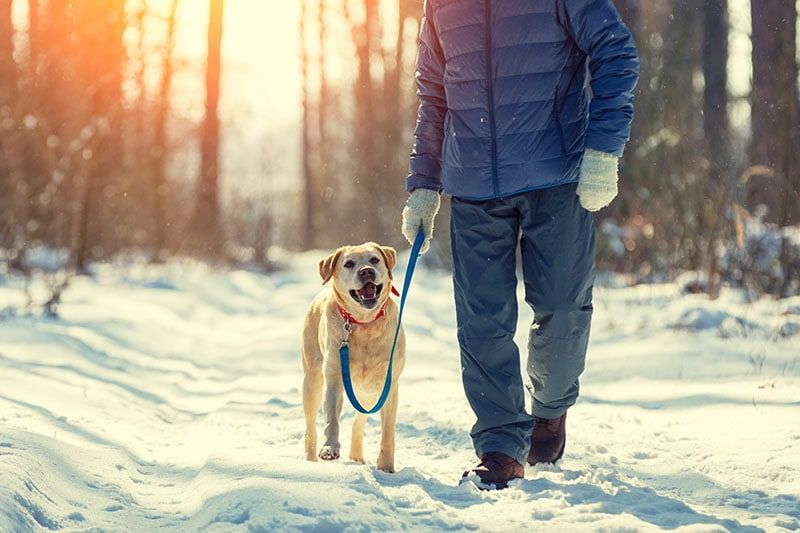
Winter can pose a significant challenge to dog owners as the weather gets colder and streets and sidewalks get covered in snow. Each dog is different and has varying levels of tolerance for snow and cold weather, depending on factors such as breed, coat type, size, age, and health.
Regardless of dog breed, owners can help their dogs have safe wintertime walks by being mindful of a few key factors. Our checklist has helpful reminders and tips to keep you and your dog safe as you go on your walks in the snow.

The 10 Safety Tips to Walk Your Dog in the Winter Snow
1. Check the Weather First

Always check the weather before you step outside for a walk. Some dogs tolerate cold better than others, while short-coated breeds such as Chihuahuas and Greyhounds, as well as puppies, senior dogs, and dogs with health conditions, are generally more sensitive to low temperatures. There is no fixed time limit for safe outdoor exposure, as tolerance greatly depends on breed, size, coat type, wind, and overall health. Wind chill, in particular, can significantly increase the risk of cold stress. The ability to walk will also depend on wind chill.
Keep in mind that staying outside in cold temperatures exposes your dog and you to frostbite risks. You can also be at risk of hypothermia. So, make sure to check the weather and the wind chill temperature before deciding to go for a long walk.
2. Avoid Heavily Salted Areas
Salt can damage a dog’s paw pads. So, even if it’s more convenient to walk on salted sidewalks, it’s best to avoid patches and mounds of salt. Try to reduce the amount of time spent walking along roadsides, as salt can accumulate there as well.
Since salt has an abrasive texture, walking over it repeatedly can irritate and damage dogs’ paw pads. So, make sure to check for any rawness or redness on your dog’s paws after walks and rinse them with water thoroughly.
3. Use Paw Wax

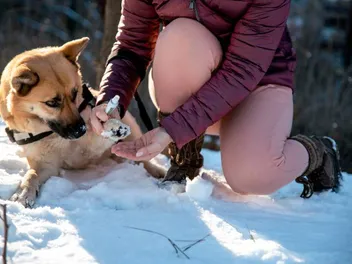
Several different kinds of paw wax can help your dog during the winter. Some waxes are meant for outdoor use and have a water-repellent formula that’ll also protect paws from salt and snow. These paw waxes have to be applied to your dog’s paws for at least a few minutes before your walk to be effective.
You can also find moisturizing paw wax for indoor use, which can be applied after you and your dog come back home from a walk. This type of wax may help reduce dryness and support overall paw pad condition.
4. Invest in High-Quality Dog Boots
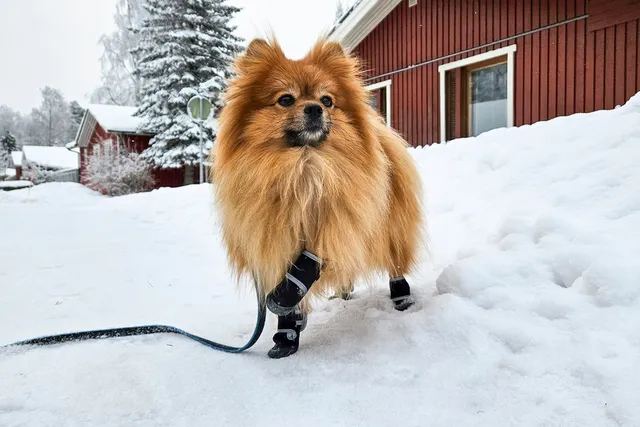
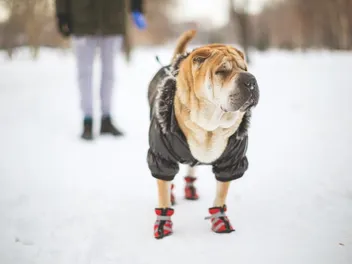
Not all dogs need dog boots, but some can benefit from the extra warmth if they have been trained to tolerate wearing them. For some dogs, this will just not be possible. Smaller dogs and dogs that are extra sensitive to the cold may appreciate wearing winter boots. Just make sure to purchase a high-quality set of boots. Poorly designed boots won’t be water-resistant or waterproof, which can cause discomfort and reduce their effectiveness.
Rubber boots can help keep your dog’s paws dry, but they won’t do much to keep them warm. You’ll also want to keep your dog’s nails clipped and short to prevent them from poking holes through the rubber.
5. Put Warm Clothes on Your Dog

Many dogs will appreciate wearing a warm sweater or jacket during colder months. Older dogs and dogs with thin coats are more susceptible to feeling cold, so investing in a nice warm jacket can make walks more enjoyable for them.
When shopping for a new jacket or sweater, make sure that the design doesn’t cover up the genital area and get in the way when your dog goes potty.
6. Prevent Your Dog From Eating Snow
Many dogs go wild when they see snow and may enjoy rolling around in it and eating the snow. While clean snow in low-risk environments such as untreated backyards or open fields is generally less concerning, it is still not completely free of potential contaminants. You never know if shoveled snow has salt mixed in it, and eating too much salt can lead to adverse effects. Road salt can also have sand and chemicals mixed into it.
7. Watch for Signs of Discomfort
It’s also important to keep a watchful eye on your dog throughout the walk. Look for signs of discomfort, like reluctance to walk, shivering, and whimpering. Some dogs may develop paw irritation or discomfort from snow or ice and may begin to limp. Your dog might also be less interested in sniffing around and start rushing to go back inside, which can be a sign of discomfort or cold stress.
Never force your dog to complete your usual walk route if the weather’s too cold. If your dog continues to be reluctant to walk, it’s best to take it back inside.
If you're concerned about your dog's health, we suggest you speak to a vet.
8. Walk on the Warmest Part of the Day
You may have to adjust your routine in the winter and change the time you walk your dog. Since the days are colder in the morning and night, you may need to switch to letting your dog out for a quick potty break in the morning and reserving a longer walk for the early afternoon. You can also get some exercise by breaking up your walk into several shorter walks throughout the day.
9. Shovel Out a Potty Area

Some dogs are picky about where they go potty and may have trouble without having a grassy patch to relieve themselves. It’s helpful to shovel out a patch of grass near your home to encourage your dog to use the space as a bathroom. This can help dogs to go faster and spend less time outdoors in the cold.
10. Clean Your Dog’s Paws After the Walk
Your dog will naturally track in more dirt and debris when its paws are wet from the snow. So, make sure to have towels and wipes near your door so that you can clean your dog’s paws right after your walk.
It can be helpful to invest in a paw cleaner cup with bristles that clean between the paws. A paw cleaner cup can also help rinse off salt and reduce the presence of irritants that may contribute to dryness or cracking.
In Conclusion
Walking in the snow is challenging, but you can do several things to make it safe for you and your dog. Always check the weather before going on long walks, and be mindful of your dog’s comfort level throughout the whole walk. Make sure to pay special attention to your dog’s paws and consider investing in paw wax and winter clothes. All these things can help protect your dog’s health and safely get through another cold season.
Related Reads:
Featured Image Credit: vvvita, Shutterstock
Expert dog care, straight to your inbox
News, insights, expert advice, and everything dog.

No spam — unsubscribe anytime.
By signing up, you agree to our Terms & Conditions and Privacy & Cookies Policy.
How useful was this post?
Click a star to rate. You can leave written feedback afterwards. (We read all feedback.)
Jessica is a freelance writer who spends bigger part of her day researching and writing while her furry companion Cavapoo, Nora, snoozes beside her. She loves dogs, pets and animals because there’s so much to learn from them, and they do so much for us. As a dog mom, she understands the strong connection that pet parents have with their pets. So, she loves sharing helpful information that pet owners can use to better understand their beloved pets. When she isn't writing, you may find her walking dogs, tending to her plants, or drinking her nth cup of coffee.