Do Dogs' Paws Get Cold? Vet-Verified Facts & Safety Tips


In this article
Dogs seem to walk outdoors in toasty and frigid temperatures without much reaction. So, can a dog's paws even get cold? Of course, dogs' paws can get cold! Anything from cold temperatures to health concerns might make your pup's tootsies feel chilled.
There is no straight answer here, as it is purely environmental and situational. Here we will discuss the possibilities—and explain when it might be time to see a vet.

Paws Are Not Protected by Fur
They might have a full coat, but a layer of fur does not protect your dog's paws. Therefore, this sensitive skin can feel cold and even get frostbite, just like humans. Some dogs can be extra susceptible to cold temperatures.
Dogs Can Get Frostbite
Extremities, including the paws, are the most susceptible to frostbite. Other common areas to be affected include the ears, nose and tail. It’s even more likely if your dog is damp or wet.
In extreme conditions, dogs can develop frostbite in as little as 15 minutes—but typically, it starts around the 30-minute mark. That is why pet professionals recommend shortening walks or trips outside during frigid temperatures.

What Can Worsen Frostbite Risk?
Some factors potentially worsen the risk of frostbite.
These include:
How to Protect Dog Paws in the Cold
What can you utilize to make your pup's paws warmer in the cold of winter? Here are a few ideas.
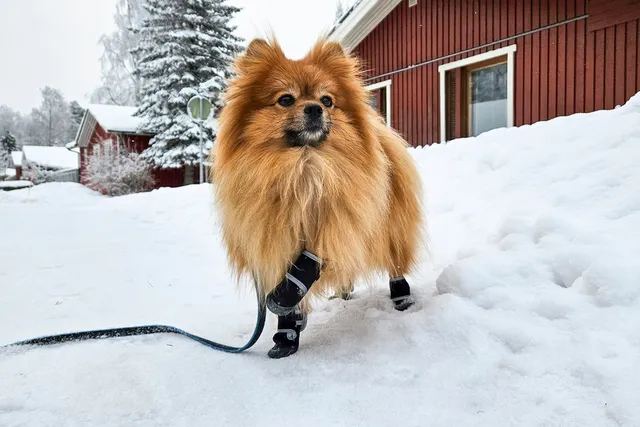
1. Use Booties
You can buy booties in virtually any size, making them compatible with large and small breeds. So, if you have a sensitive pup that gets cold tootsies, you can certainly buy a pair.

2. Apply Paw Balm
Paw balm will protect the skin of the paw pads and shield them from snow and ice for brief periods. It also helps keep the skin moist and soft, too.
3. Keep Trips Outside Brief
While temperatures are below freezing, it is a good idea to keep trips outside for less than 10 minutes at a time.

4. Towel Dry Feet Often
You can take a towel out to keep your pup’s feet dry and salt-free. We still recommend making trips quick, but it can help for longer stretches.
Other Issues that Cause Cold Dog Paws
If outdoor weather is no issue, but you’ve noticed your dog has cold paws—it could be medically related. Cold paws could be a sign of poor circulation. So, what health issues can cause poor circulation to your dog's extremities?
1. Hypothyroidism
Hypothyroidism is a condition that affects the thyroid gland. Underactive thyroid glands lead to a lack of thyroid hormones.
Low levels of thyroid hormones in the body causes lower metabolism and affects thermoregulation meaning a dog will generally be a little colder, often meaning colder paws.
Other signs of hypothyroidism include:
Vets run blood panels to check thyroid hormones. While it isn’t a curable condition, it is certainly treatable. Your vet will prescribe the proper medications as needed.
2. Anemia
Anemia is the medical term referring to a decreased number of red blood cells, hemoglobin or both.
Many conditions can cause anemia in dogs.
They can be grouped into the following categories:
Anemia can be a sign of a potentially serious underlying condition and needs urgent veterinary attention. Often the most obvious sign is pale gums. Paws may feel colder due to reduced blood flow to them.
Other signs of anemia include:
3. Hypoglycemia
Hypoglycemia is a medical condition that causes low blood glucose levels. Typically, there is an underlying medical condition accompanying this disorder.
Hypoglycemia causes insufficient energy reaching the organs of the body.
It can cause your dog to have cold paws but is usually accompanied by much more serious signs including:
If your dog is showing any of these signs, contact your vet immediately.
4. Heart Problems
Heart issues are also notorious for causing poor circulation, leading to extremity coldness. The main types of heart disease include valve and heart muscle disease.
Signs of heart problems include:
Always contact your vet if your dog is showing any signs of a heart problem. Treatment will depend on the type of underlying problem.
When to See a Vet
Dogs can have cold paws, especially if they just returned from a chilly day. However, if the pup has temporary cold paws, that should go away as they warm up. However, if this is an ongoing problem, it might be due to another condition.
If you suspect frostbite or another health issue, contact your veterinarian right away. It will require immediate treatment or general testing to determine the underlying cause.

Conclusion
So, yes, a dog’s paws can get cold. This can happen due to normal things like the weather. Or, it can be much more complex, resulting in injury or stemming from illness. If you have any concerns, don't hesitate to reach out to a veterinary professional.
Related Reads:
Sources
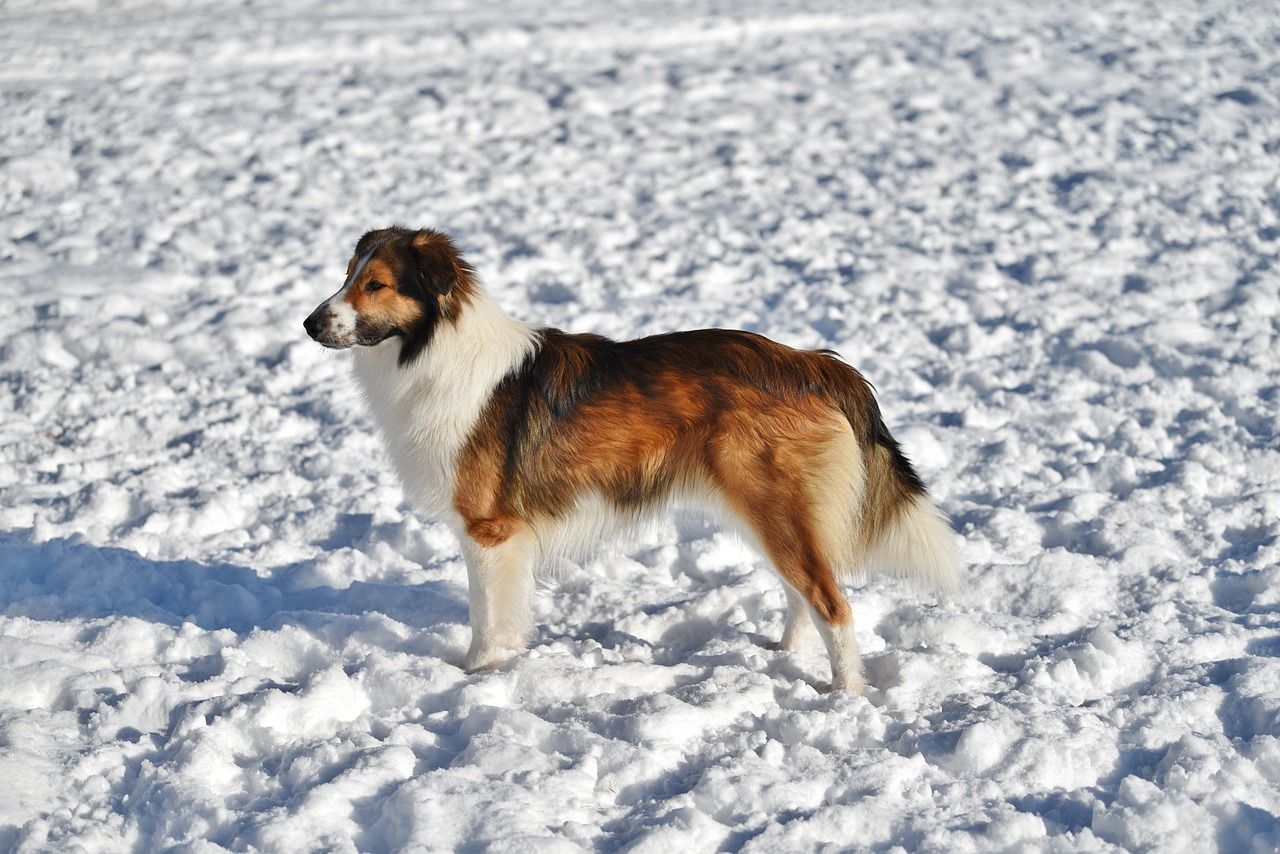
Featured Image Credit: shabawasing, Pixabay
Expert dog care, straight to your inbox
Vet-reviewed advice, training tips, and the best of Dogster. Free, and you can unsubscribe anytime.
By signing up, you agree to our Terms & Conditions and Privacy & Cookies Policy.
Ashley Bates is a freelance dog writer and pet enthusiast who is currently studying the art of animal therapy. A mother to four human children— and 23 furry and feathery kids, too – Ashley volunteers at local shelters, advocates for animal well-being, and rescues every creature in need. Her mission is to create awareness, education, and entertainment about pets to prevent homelessness. Her specialties are dogs and cats.
Join the conversation
Ask a question, share your story, or send private feedback.