When Is It Too Cold to Walk Your Dog? Our Vet Explains

In this article
In the weeks and months that any journey outside involves wrapping up in thermals, jackets, waterproofs, scarves, and beanies, you may be wondering: Just how cold is too cold for your dog? Are there times when you should forgo their walks in favor of curling up by a fire with a book and a hot chocolate?
We all know that dog ownership comes with the responsibility of exercising your dog. It’s not only good for their physical health, but going out for walks is also a mandatory part of their mental well-being. However, as hardy as dogs are, there are certain occasions when you should perhaps reconsider taking them outside. Temperatures below 20°F—or even past 50°F for small and hairless dogs—are when outdoor walking becomes a bit too risky.

What Temperature Is Too Cold to Walk My Dog?
The answer to “how cold is too cold” largely depends on several individual factors:
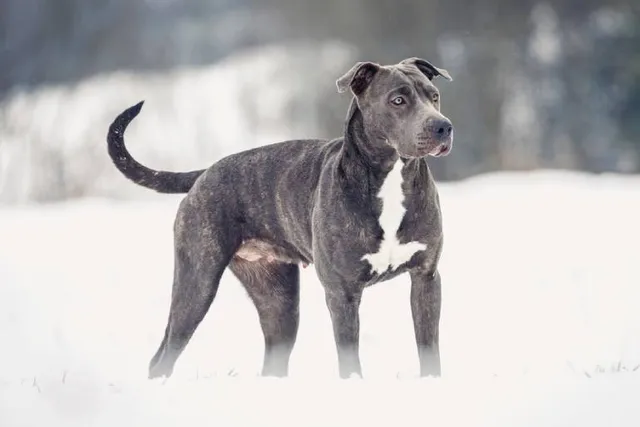
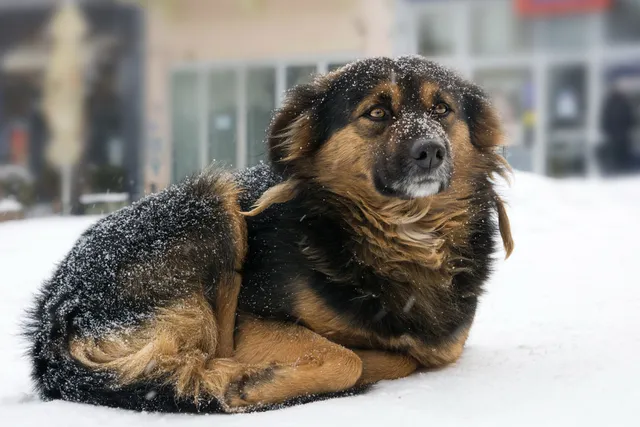
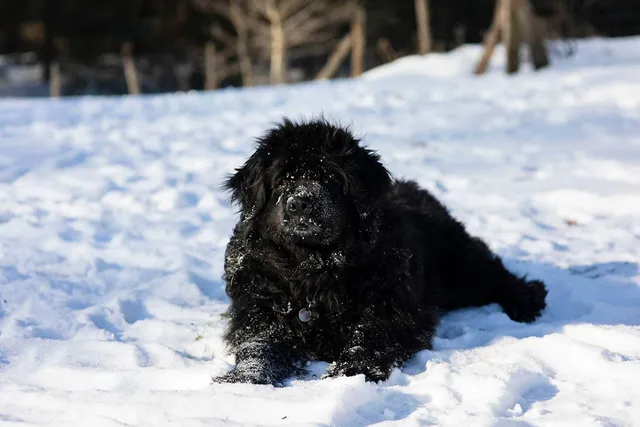
Certain dog breeds are designed to be able to withstand cold temperatures. Siberian Huskies, Alaskan Malamutes, Samoyeds, Newfoundlands, Bernese Mountain Dogs, and German Shepherds are just a few of the breeds that can tolerate cold climates.
Small breeds with short coats or dogs with a naturally low body fat percentage (such as Greyhounds and Whippets) are sensitive to low temperatures. Chihuahuas, Dachshunds, Cockerpoo, Chinese Crested, and Yorkshire Terriers all become cold quickly, so any winter outings require more forethought. Similarly, the very young or the very old may be more sensitive to the cold.
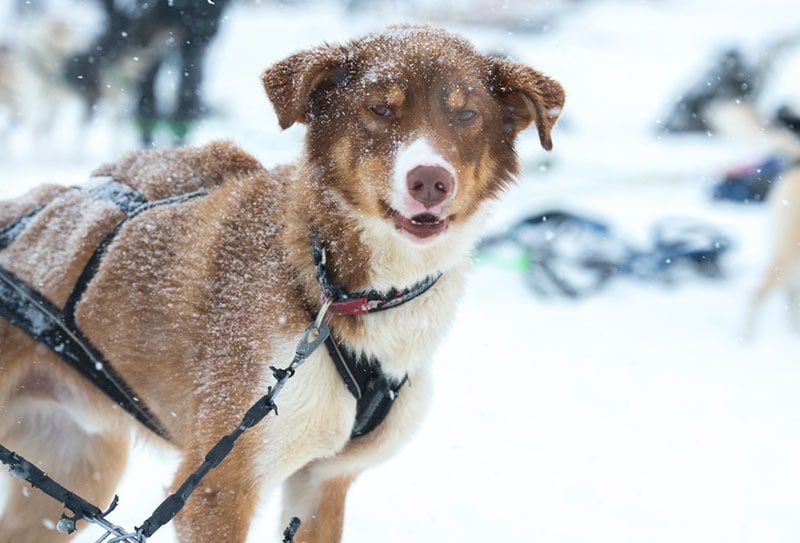
However, even if your dog is made to withstand cold climates, they are not immune to adverse side effects of being too cold, such as frostbite or hypothermia. Once temperatures delve beyond 20°F, you’ll need to be mindful of their exposure time. Also, a Siberian Husky that is used to a warm home, bedding, and summers will not be as hardy and climatized to freezing temperatures as a sled dog living in the snow year-round. For small, cold-intolerant breeds, you may need to protect them against the cold when temperatures begin to fall past 50°F.

What Happens If Your Dog Gets Too Cold?
There are several risks to your dog becoming too cold, so you’ll need to be vigilant in the winter months to ensure that you aren’t putting them at risk when braving the outdoors.
Hypothermia
Hypothermia is when the core body temperature drops too low. A dog’s body temperature sits at a comfortable 101–102.5°F. When it drops to below 99°F, that manes hypothermia is setting in. This isn’t the same as feeling “a bit cold.” If the dog’s internal temperature stays too low for a sustained period of time, their body will begin to shut down. Untreated, hypothermia leads to heart and respiratory failure, brain damage, coma, and death.
Frostbite
When the body is exposed to cold temperatures, the blood vessels in the tissues start to constrict. This is a survival mechanism designed to preserve core body temperature at a normal, physiologic level, diverting blood back to the vital organs like the brain, heart, liver, and lungs. However, this very response that protects the body also puts the extremities at risk: Reduced blood flow to the paws, nose, ears, and tail results in the tissue freezing and eventually, dying.
The difficult aspect about frostbite is that you may not know immediately that there is a problem, as it may take hours—or even days—to appear. Due to the reduced blood supply, the tissue will eventually become necrotic and die, turning blue and black in color before eventually falling off.

How to Know If Your Dog Is Too Cold on a Walk
Signs that your dog is too cold include:
How Do You Keep Your Dog Warm in Cold Weather?
There are several things that you can do to ensure that your dog stays warm in cold climates. If you have a breed that is particularly sensitive to cold weather, this may include forgoing walks completely on days where the temperature is below 50°F and the conditions are windy and wet.
Instead, you can provide stimulation indoors; it just requires a bit of creativity and time. Doing training sessions or playing with KONG toys, puzzle games, or chase—these options can be more beneficial than putting your dog at risk in the name of exercise. However, if you live in a part of the world that has months of cold weather, there are still things that you can do to mitigate the risks of going outside with your dog.

Invest in a Dog Jacket and Booties
An insulated winter coat isn’t just a fashion statement; for some dogs, it’s a necessity to get them through the winter. Many great jackets on the market are wind proof and water proof and can be essential for keeping your dog warm, dry, and comfortable on icy, wet days. Protective boots can also keep their paws protected, as they are particularly vulnerable to frostbite and injury.
Change Up Your Walking Routine
It may be necessary to do short bursts of exercise on particularly freezing, blustery days. If you’re inclined to take nice long walks across the countryside, consider swapping these for brief walks a few times a day, limiting your dog’s exposure to the elements.
Dry Them Off Immediately
As soon as you get home, dry off your dog with a blanket, a towel, or a dog hair dryer. If it is snowy or frosty outside, ensure that there are no ice or snow clumps stuck to their fur or paws, particularly on the underside of their belly, as this can cause burns and damage to the skin.
Summing Up
Whenever we’re uncomfortable because of the weather, we must consider whether our pets may be struggling too. We tend to think of dogs as being hardy by nature, and to an extent, they are. But the domestic dogs of the modern world are a bit different from their ancestors; they no longer need to fight for scraps, hesitantly befriend humans to lie by the edge of a fire, or make dens for warmth in the height of winter. As they have adapted to comfort, many breeds are not made to withstand cold climates, so it is important to ensure that they are warm, dry, and comfortable—even if that does involve staying inside!
Sources
Featured Photo Credit: V. Belov, Shutterstock
Expert dog care, straight to your inbox
News, insights, expert advice, and everything dog.

No spam — unsubscribe anytime.
By signing up, you agree to our Terms & Conditions and Privacy & Cookies Policy.
How useful was this post?
Click a star to rate. You can leave written feedback afterwards. (We read all feedback.)
Dr. Megan Barnes BVSC MRCVS (Veterinarian)
Meg is an Australian veterinary surgeon, dog expert, and writer, currently living and working in Scotland with her family. She is a passionate advocate of preventative medicine, educating clients, and believes medicine never has a one size fits all approach. When not vetting, her happy place is out walking the hills with her baby daughter and over-excited Labrador in tow, and writing.