How to Protect Your Dog's Paws From Hot Pavement: 9 Vet-Approved Ways


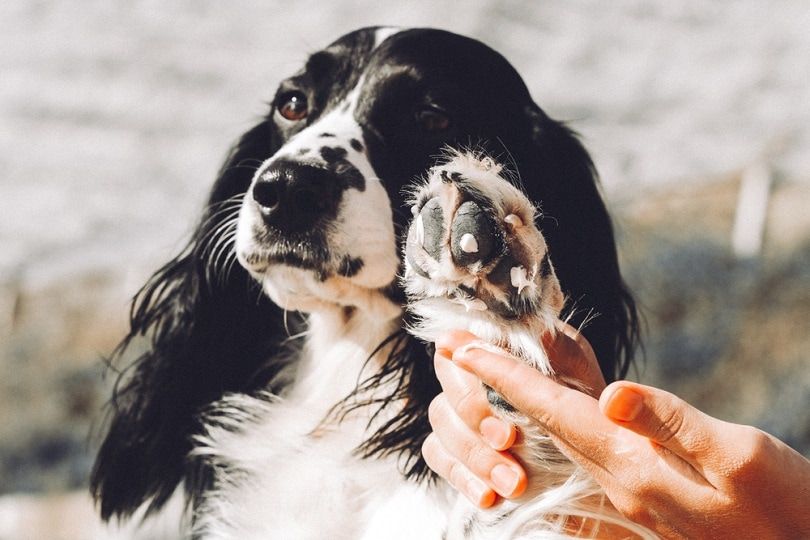
The summer months can be a real doozy for everyone—and you probably already try to keep your dog out of scorching temperatures. But with shoes on your feet, you might not notice just how much the sidewalk outside feels like hot coals—but your dog does.
Sure, your dog's paw pads are marvelous things, able to protect your pup from the elements. But even their paw pads are no match for heat that is too extreme. If you place your hand on the pavement and feel that it is uncomfortably hot to the touch, then you know your dog will feel it, too.
Let us share 9 ways to protect your dog’s tootsies when you could fry an egg on the pavement.

The 9 Tips for Protecting Your Dog's Paws From Hot Pavement
1. Paw Protection Wax
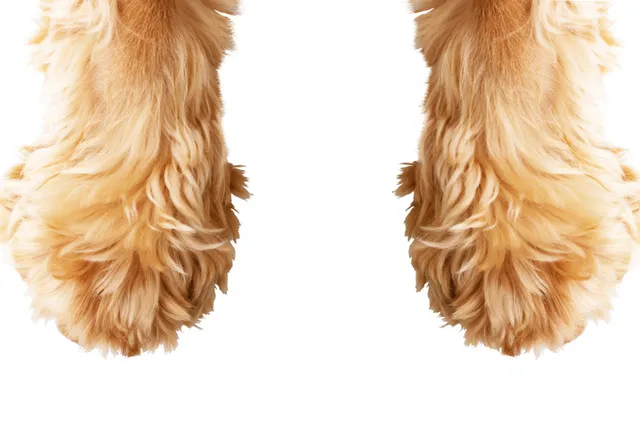
Some companies make a paw protection wax specifically designed to help protect the paws from extreme temperatures. This creates a thin protective barrier over the pads to help guard against heat, cold, and rough surfaces.
This wax can come in handy in more seasons than the blazing summer. You can utilize its protective power in the winter months, too. You can even put this on before any hikes, particularly in briary or rocky environments.
This type of product can be a helpful alternative for dogs who don’t tolerate wearing shoes well (which includes most canines), although comfort with booties varies from dog to dog.

2. Dog Booties
Booties can come in handy, so they might be a very wise investment. Not only can your dog slip on their favorite pair of shoes in the heat of the summer, but they can also wear these booties in the winter to protect from harsh winters.
Not all dogs will like to wear shoes—and that is just a cold, hard fact. So, even though it is a really good barrier to put between your dog's paws and the pavement, it won't always work for every canine.
Also, the fit is incredibly important—some booties slip and slide, which can actually irritate the paws themselves. If you choose to buy a pair, make sure you accurately measure to get the perfect fit.

3. Use Doggy Gear
If your dog doesn’t need the exercise, but still wants to come on an adventure—you can always use doggy-friendly gear for fun. Or, you can use these items as a means to transport your dog from hot pavements to a nice, grassy surface where their paws and pads will be comfortable.
Manufacturers make doggy backpacks specifically to tote around your furry pal. You can get all sorts of different designs, so buy the one that works best for your dog. Plus, this gives you an extra storage space to stash their food, water, and poop bags.
Of course, if you have a large breed, it would be hard to hurl them up on your back. But this option works well for toy to medium-sized breeds.
If temperatures are extreme, remember to get a backpack with proper ventilation to avoid overheating.
4. Stay on Grass
If you have to take your dog outside in the midday sun, try to avoid pavement altogether. Stay on the grass when you can to eliminate exposure and reduce paw pad damage.
Grass doesn't retain heat like cement or pavement. If there is a way to keep your dog on the lawn rather than on a hot surface, it's for the best.
5. Toughen Paws
Try to encourage your dog to walk on all kinds of rough surfaces. The more their paw pads get used to different terrain, the more their feet adjust to take on the elements.
That doesn’t mean exposing them to a world of hurting surfaces. It simply means letting your dog regularly walk on rough parts of the land to make sure their paw pads do their job.
If you try to toughen the pads, always check after every outing to ensure no irritation or damage is happening without you realizing it.

6. Moisturize Paws
Maybe you don’t think about moisturizing your dog’s rough paw pads, but it may help. A lot of breakage in the skin can happen when the paw pads dry out again and again. After a while, the paw pads can split open.
If you regularly treat the paw pads with veterinary moisturizing creams, it may help improve elasticity in the skin.
7. Walk at Cooler Times
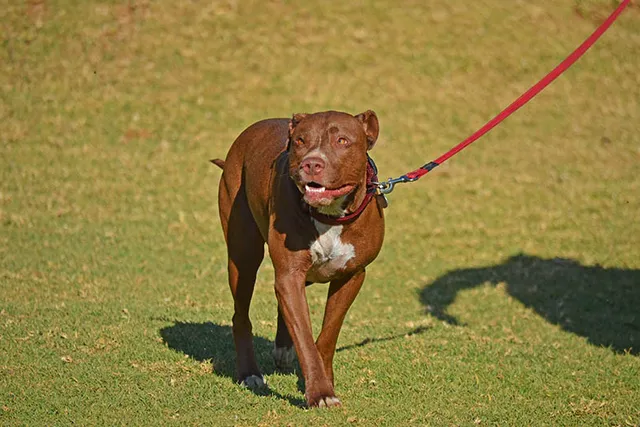
Even though it's inevitable sometimes to let your dog out in the heat, try to schedule potty time and walks in the early morning or late evening.
These times will allow the pavement to cool off. You can even test the pavement with your own feet or another sensitive part of your skin to ensure it isn't too hot to walk on.
8. Monitor Paws
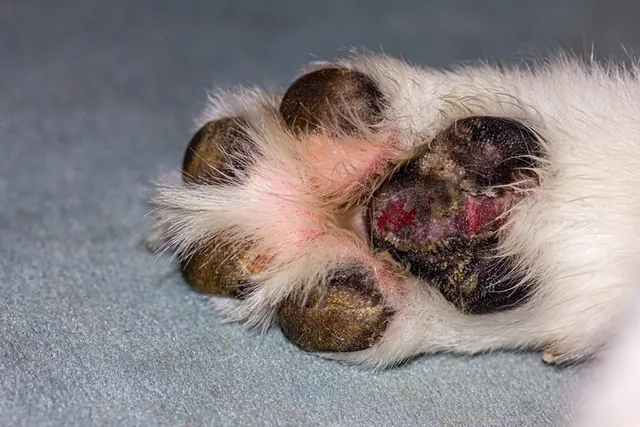
Every day, once you’re winding down, inspect your guy or gal’s paw pads to check for damage. You might notice dryness, cracks, redness on the paw pads, or excessive licking.
If you see any part of the paw that seems like it may be irritated, take additional measures to protect them until it heals up and consult a vet.

9. Use Alternate Exercise Methods
Instead of taking a nice brisk walk, think about alternative activities that burn calories and keep your pup in shape. You can take them to the yard for some games of fetch or drive down to the local dog park for some playtime.
As long as your dog gets the amount of exercise required for the breed in question, you won't need to worry about making them walk on hot surfaces.
Final Thoughts
Even though your dog's paws are meant to take the brunt of heat, cold, and uncomfortable terrain, they can still get hurt in extreme cases. Summer sun can be incredibly strong, and pavement, cement, and metal surfaces soak it up.
During the hot months, use one or a combination of these tips and tricks to prevent paw damage and keep your dog physically in shape. It's easier to prevent heat damage than to treat it once it becomes a problem.
You May Also Like:
Featured Image Credit: Te9I, Shutterstock
Expert dog care, straight to your inbox
News, insights, expert advice, and everything dog.

No spam — unsubscribe anytime.
By signing up, you agree to our Terms & Conditions and Privacy & Cookies Policy.
How useful was this post?
Click a star to rate. You can leave written feedback afterwards. (We read all feedback.)
Nicole has loved animals of all sizes her whole life so it's no wonder she has dedicated her career to helping them through what she loves best: learning, writing, and sharing knowledge with others. She’s the proud mom of two dogs, a cat, and a human. With a degree in Education and 15+ years of writing experience, Nicole wants to help pet parents and pets around the planet to live happy, safe, and healthy lives.