How To Prepare Your Home For A Puppy: Vet-Verified Tips


In this article
When you're planning to bring a puppy into your home, you need to do a great deal of preparation to ensure a smooth and comfortable transition. This can be an exciting yet nerve-wracking time, especially if they are your first puppy!
The key to success is having a solid plan in place and making sure you have everything set up beforehand. You’ll need to take several crucial steps before the big day, such as purchasing the necessary supplies, puppy-proofing your home, learning how to make proper introductions, and scheduling important vet visits.

How to Prepare Your Home for a Puppy
Before They Arrive
Here are a few things to do before bringing home your puppy.
1. Get Puppy Supplies
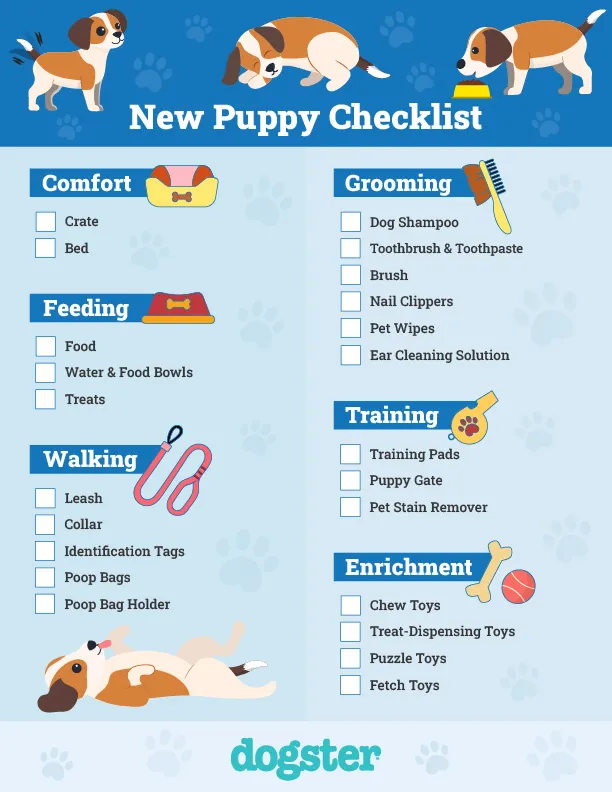
You’ll need quite a few things before your pup enters the house:
Ask the breeder or adoption group about anything else that you should know before you pick up your new dog. They should provide you with the food that your puppy has been eating, and they might tell you the puppy's favorite kinds of toys.
You'll also need to make purchases based on your puppy's breed. For example, you'll need a slicker brush for a long-haired dog like a Golden Retriever.
Our Favorite Products
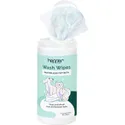
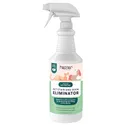
Incorporating Hepper's Advanced Bio-Enzyme Pet Stain & Odor Eliminator Spray and Wash Wipes makes for an excellent grooming and cleaning duo when you need it most. First, by keeping your pet fresh and clean on-the-go, and second, by removing smells and stains on various surfaces to leave your home fresher than ever.
| Image | Product | Details | |
|---|---|---|---|
|
Hepper Wash Wipes |
|
Check Price |
|
Hepper Advanced Bio-Enzyme Pet Stain & Odor Eliminator Spray |
|
Check Price |
At Dogster, we’ve admired Hepper for many years, and decided to take a controlling ownership interest so that we could benefit from the outstanding products of this cool pet company!
2. Puppy Proof Your Home
Puppies tend to chew on everything that they find, so check your floors and everything else at your puppy’s level.
Puppy proofing can include:
3. Locate a Veterinarian

If you haven't already selected a veterinarian for your puppy, start looking for one in your area. You can check online reviews to help you make a decision. Once you have chosen a vet, make an appointment after your puppy has been home for a few days, so you can discuss their vaccine schedule, diet, health, training, socialization, and parasite preventatives.
Take note of the name, address, and contact information of your local GP vet clinic and emergency clinics.
4. Determine the House Rules and Routines
If you live alone, you can easily establish and follow the house rules for your puppy. However, if you live with your family, everyone will need to sit down to figure out the rules together.
It's necessary to determine which behaviors are acceptable and which are not, such as jumping on furniture and biting feet and hands. Repetition and consistency are the keys to puppy training, so it helps if everyone is on the same page. You could watch some videos as a family about positive reinforcement based dog training and how to manage common issues like teething and toilet training.
Also, establish a routine for your puppy in which everyone in the home participates. This schedule should include naps, meals, playtime, and bathroom breaks.

Picking Up Your Puppy
The day has arrived, and you’re finally bringing home your puppy! These tips should help you and your new companion get through this period smoothly.
5. Make Important Introductions

Your puppy is going to be overwhelmed when they arrive at your house. They have left the only home that they’ve ever known, along with their mother and siblings. They are arriving at a place with new scents, sounds, and sights, so you’ll want to keep things calm.
Introduce your family calmly one person at a time, and introduce any pets slowly. You’ll also need to show your puppy their new living space, including where they’ll sleep, eat, and go to the bathroom.
Pheromones can help your puppy settle in. Adaptil junior is a synthetic version of a pheromone produced by a mother dog (canine appeasing pheromone), which sends a comforting message to your puppy.
6. Create Reminder Lists
You’ve already decided on the routines and rules for the puppy, but it might help to set up the daily schedule somewhere visible to everyone. Additionally, you should post your vet’s contact information and other emergency numbers, such as after-hours emergency clinics and poison control.
When you get into training mode, you might want to post the command words for everyone in the household to refer to. You all need to be on the same page: For example, you should all use the word, “down,” if that’s what you’ve decided to say to get your puppy off the furniture. This will help avoid confusion if someone else starts saying, “off.”
7. Get Through the First Night

Whether you’re crate training your puppy or not, you should put the crate or the puppy's bed in your bedroom for the first few nights. They may feel lonely and cry while in the crate, and you can choose to console them for the first night or let them learn to comfort themselves. You can also consider trying a heartbeat toy.
You’ll also need to take your puppy out for a bathroom break before bed and first thing in the morning. Since your puppy is still young, you may need to get up in the middle of the night for another bathroom break.
8. Build Those Bonds
Always remember that your puppy is not intentionally being naughty. They are still learning the rules of the household, and scolding and yelling will not teach them anything except to be afraid of you. Therefore, approach your puppy with gentleness, kindness, and affection. Praise them and give them food rewards when they do something right.
Your puppy needs boundaries, but they also need a certain amount of understanding and plenty of positive interactions. This is what will form a strong bond between you and your pup.
9. Introduce Your Puppy to Grooming

It's never too early to start introducing your puppy to the grooming process. Many dogs grow to fear it, so if you make it fun and start early, you might end up with a dog that looks forward to it!
To ensure that your puppy becomes comfortable with grooming, handle their paws often, check their teeth, and touch them gently all over. You can give them treats during and afterward. When handling your puppy, make sure to touch their ears and around their eyes, legs, and privates. Once they seem comfortable with your hands, you can start introducing tools like nail clippers and brushes.
10. Start Training
It's recommended that you begin training your puppy as soon as possible. Start with basic commands, such as "sit," "leave it," "watch me," and "come." It's also crucial to socialize your puppy so they can develop into a well-adjusted adult dog. Experts recommend your puppy meeting 5-10 new people and visiting at least one new place every week.
You should speak to your veterinarian about socializing your puppy with other dogs. Since your puppy won’t be fully vaccinated for a while, they should only be around dogs that are up to date on their vaccines.
It's also best to avoid dog parks until your puppy is older. There's no guarantee that the other canines will be vaccinated, and having a bunch of large dogs rushing up to your puppy will also be overwhelming!
Conclusion
Caring for a puppy is quite a significant responsibility, but if you are well-prepared, you should get through it fairly unscathed. Puppies are similar to toddlers in that they require significant care, protection, and guidance in order to grow into healthy and happy dogs. Take your puppy to the vet, and ensure that you stay on top of the annual visits so they remain in good health.
While the puppy years can be trying at times, it can be incredibly fun and quite rewarding to welcome this adorable new addition to your family.
Featured Image Credit: 1st footage, Shutterstock
Expert dog care, straight to your inbox
News, insights, expert advice, and everything dog.

No spam — unsubscribe anytime.
By signing up, you agree to our Terms & Conditions and Privacy & Cookies Policy.
How useful was this post?
Click a star to rate. You can leave written feedback afterwards. (We read all feedback.)
Kathryn was a librarian in a previous lifetime and is currently a writer about all things pets. When she was a kid, she hoped to work in a zoo or with wildlife in some way, thanks to her love for animals. Unfortunately, she's not strong in the sciences, so she fills her days with researching and writing about all kinds of animals and spends time playing with her adorable but terribly naughty tabby cat, Bella. Kathryn is hoping to add to her family in the near future – maybe another cat or two and a dog.