How to Prevent Joint Problems & Arthritis in Dogs: 6 Vet-Approved Tips


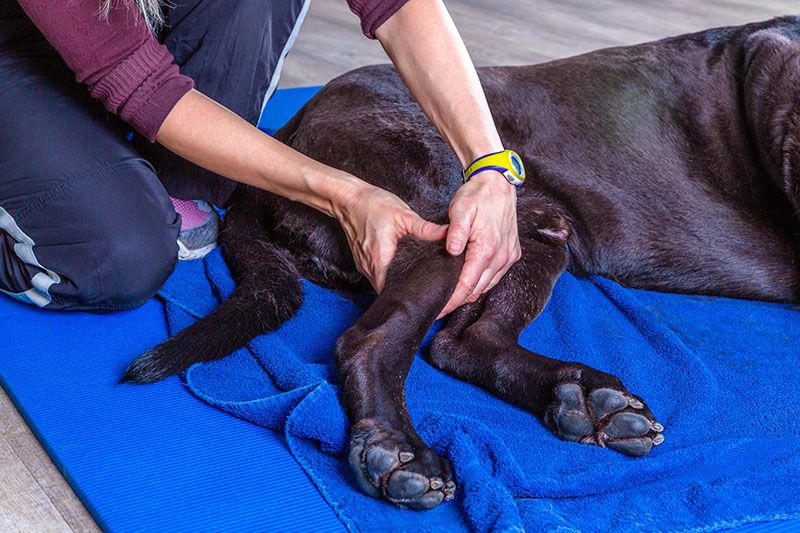
Arthritis in dogs is common and is one of a number of joint complaints that can strike our beloved canine companions. While it is impossible to prevent arthritis, it is possible to slow its onset and development. Read on for preventative measures you can take to help protect your dog’s joints as they age.

The 6 Tips to Prevent Joint Problems & Arthritis in Dogs
1. Start With Good Nutrition
Some estimates suggest that half of all dogs aged between 5–10 years old have arthritis, while this may be true of close to a quarter of dogs over 1 year of age as well. This shows that while it is more common in older dogs, arthritis is still something that you should consider with young dogs.
Nutrition is key to the overall health of dogs, and this includes their joint health. Dogs need to develop naturally and not too quickly. Their diet needs to be complete and balanced because this will help with everything from weight gain to ensuring that your pup gets a good intake of vitamins and minerals that can protect the bones, joints, and cartilage—all of which play an important role in joint health.
If a dog gains too much weight too quickly, the bones struggle to handle the increased load, and this extra pressure leads to problems that may develop into arthritis later in life. Ensure a good, balanced diet with decent-quality food. Stick to advised feeding levels to prevent your dog from putting on too much weight.

2. Visit the Vet
Regular visits to the vet can help identify a host of health problems during their early stages, and this can be key to a healthy life. At the very least, ensure that your dog visits the vet once a year, ideally twice a year, for a general check-up. The earlier that your vet recognizes and identifies a problem, the sooner you can make appropriate changes to alleviate pain and slow the onset of problems.
Joint problems like arthritis have usually advanced a long way before visible symptoms like swelling or limping start to show. But a vet will be able to spot signs of inflammation and pain before you can, which is what makes regular vet visits so important.
3. Ensure Good Exercise
Along with good nutrition, good exercise is also one of the most important things you can give your dog. There is no set amount or type of exercise that is suitable for all dogs. Breeds like collies need hours of intensive exercise each day, while some breeds like St. Bernard’s need a lot less exercise, and that exercise should not be nearly as intensive. In fact, too much exercise can be just as harmful as too little.
Speak to your vet, listen to their recommendations, enroll your dog in canine sports or agility classes, take them out for regular walks, and find other ways to provide the required exercise. Make sure you stick to an exercise regimen, too, because it needs to be consistent to yield the best results.

4. Consider Joint Supplements
Supplements are often associated with dogs that have specific deficiencies, but giving your dog the right supplement from a young age helps ensure that they are getting the vitamins, minerals, and other essentials they require. Glucosamine and chondroitin help protect cartilage and while they are often found in foods that cater to dogs with joint problems and are also found in senior dog foods, giving supplements containing these key ingredients can help protect your dog before problems surface. Also, consider supplements that contain omega-3 fatty acids, full of antioxidants that fight inflammation.
Speak to your vet about supplements and find one that is easy to feed, does not contain any unwanted additional ingredients, and stick to the schedule.
5. Avoid Excessive Weight Gain
Being overweight places additional pressure on the bones and joints. It can lead to joint problems that eventually cause arthritis, and it also makes dogs more susceptible to a host of other health health proboems.
If your vet has recommended a feeding schedule, stick to that. Otherwise, weigh your dog to determine their current weight and ideal weight. Use these figures to determine how much of their food they should be getting, and gradually adjust the amount you feed so that you can feed the amount for the weight you want and not the existing weight of your dog.

6. Look for Early Arthritis Signs
The sooner you can identify arthritis in a dog, the sooner you can take steps to try and slow its progress. Early signs can be difficult to spot but if your dog limps, moves awkwardly, or shows signs of pain in the joints, make an appointment with the vet. They will be able to determine whether it is arthritis or some other problem, and they can advise on things like nutrition, supplementation, and other steps that can be taken.

Final Thoughts
Arthritis is a debilitating disease. There is no cure, and it is impossible to completely eradicate the chances of your dog developing this wasting disease as they age, but it is possible to slow its onset and progression, and through good diet, supplementation, exercise, and regular visits to the vet, you can ensure that your dog has the best possible chance of a healthy and pain-free life.
Sources
Featured Image Credit: msgrafixx, Shutterstock
Expert dog care, straight to your inbox
News, insights, expert advice, and everything dog.

No spam — unsubscribe anytime.
By signing up, you agree to our Terms & Conditions and Privacy & Cookies Policy.
How useful was this post?
Click a star to rate. You can leave written feedback afterwards. (We read all feedback.)

Nicole has loved animals of all sizes her whole life so it's no wonder she has dedicated her career to helping them through what she loves best: learning, writing, and sharing knowledge with others. She’s the proud mom of two dogs, a cat, and a human. With a degree in Education and 15+ years of writing experience, Nicole wants to help pet parents and pets around the planet to live happy, safe, and healthy lives.