How to Help a Dog’s Arthritis in Cold Weather: 7 Vet-Approved Tips & FAQ



Osteoarthritis (commonly just called arthritis) is the most common form of arthritis in dogs. It is a chronic and degenerative joint disease. Arthritis can cause pain and discomfort for your furry companion at the best of times, but when temperatures drop, symptoms often worsen—sometimes drastically. As a loving dog parent, it’s only natural that you’d want to help your pet feel more comfortable.
From adapting your home to modifying your dog’s exercise routine, we’ve put together seven tips and tricks you can implement now to help your dog’s arthritis in cold weather!

The 7 Tips to Help a Dog’s Arthritis in Cold Weather
1. Weight Watch
Countless studies have demonstrated that weight management has a significant and crucial effect on canine arthritis. For obese dogs, losing 6% of their body weight can improve the signs1.
As tempting as it may be to stay indoors and move less during the winter, try to maintain a healthy diet and offer just the right measured portion of food to your dog. Keep your exercise routine to prevent your furry friend from putting on those extra pounds. Any additional weight that your dog has to carry will put more pressure on their already sore joints.
Talk to your vet about implementing a healthy diet and ensuring that the food portions are tailored to your dog’s needs.

2. Activity
Even for healthy humans, long periods of sitting or lying down tend to stiffen joints and muscles! For a dog with arthritis, it is imperative that you keep them moving around and know what exercise is best for them.
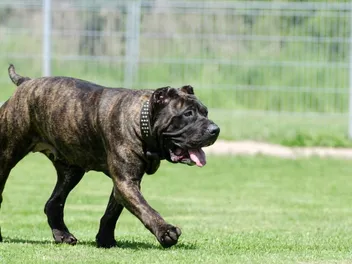
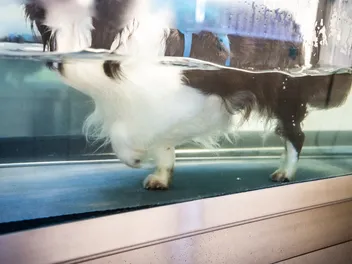
High-impact activities should be minimized, as too much running or jumping can make your dog’s joints very painful. However, low-impact exercise such as a gentle stroll or swimming will keep your dog fit without hurting their joints. Exercise is necessary to help build the muscles around the joints and promote joint stability. If it’s too cold outside, walk your dog around the home a little. Remember that dogs with arthritis find slippery surfaces extremely difficult, so help your furry friend by walking them on a clear, non-slippery path!
3. Medication
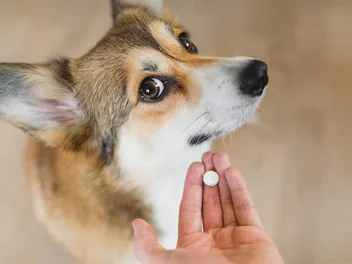
Talk to your vet about ensuring you have the correct pain relief and medication available for your dog in case they need it in the winter. Your vet can prescribe a single drug or a combination. Non-steroidal anti-inflammatory drugs (NSAIDs) to help reduce inflammation and pain are commonly prescribed, but there are other options as well. Depending on the severity of your dog’s arthritis, they may be offered different medications that can help manage your dog’s painful joints.
Remember to ask your vet to explain any side effects to you so that you can make an informed decision on what’s best for your pet.
4. Supplements
Although prescription medication does work well for the majority of dogs, you also have the option to give your dog supplements such as glucosamine and chondroitin. Supplements aren’t well regulated and there are many options in the marketplace, so you should follow your vet’s advice in terms of product type and dosage. You can normally combine them with any medication that your dog is currently taking. They might also be the only help your dog needs in the early stages. These substances may help to repair the cartilage in your dog’s joints, but it will take some time before the positive effects begin to show.
Omega-3 fatty acids, MSM (Methylsulfonylmethane), ASU (avocado/soybean unsaponifiables), and GLMs (green-lipped mussel extract) are all supplements that may help your dog’s arthritis.
Remember, all dogs are different, so you must talk to your vet before starting your dog on a supplement in case it’s not suitable for them.
5. Physical Rehabilitation, Acupuncture & Alternative Therapy
Physical rehabilitation can be a great option for your dog. Your vet will inform you of the options you have in your area since it is not available in every practice.
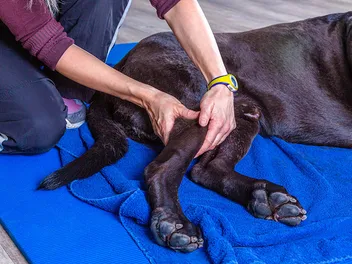
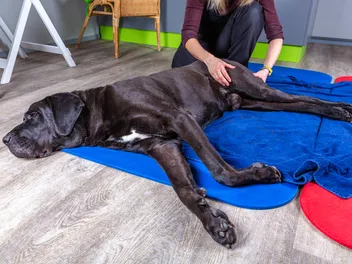
Alternative therapy and healing methods such as massages and acupuncture are viable options when looking into ways to help your dog with their arthritis. You could look into dog massage classes in your area if you find a reliable instructor that your vet trusts. Before massaging your dog at home, it’s important to learn the methods and techniques from a professional, as putting pressure on the wrong place can cause your arthritic dog intense pain.

6. Keeping Warm
Keeping your dog warm and comfortable will help reduce the chances of inflamed arthritis during the winter. Make sure they have a warm, soft, sheltered spot to rest in, away from cool draughts.
A heated blanket is an excellent way of keeping your dog’s bed warm. If you are using a heated blanket, make sure it does not get too hot and ensure there are no loose wires.
What to consider before using a heating mat:
7. Adapting Your Home
If your dog has arthritis, stairs, steps, and slippery floors will exasperate their symptoms and make them feel uncomfortable. If you have rugs, use anti-slip pads to stop them from sliding under your dog’s paws.
Use ramps to help your dog climb up and down steps, and if you have stairs in your home, consider blocking them off with a gate so that your dog can’t get tempted to scale them.
Frequently Asked Questions
Why Does Arthritis Get Worse in Cold Weather?
If you’ve stubbed your toe or caught your finger in frigid temperatures, you may have noticed that it hurts even more than it would have if it was warmer. There is no simple explanation for this, as there are a few different things that may cause this. Colder temperatures tend to make the fluid inside joints thicker, so they might feel stiffer. At the same time, the cold slows blood circulation and causes us to tense our muscles—a process known as vasoconstriction.
The muscle spasms, along with the slow circulation and heightened pain sensitivity, will all contribute to more discomfort for arthritic dogs in the winter.
Additionally, a drop in barometric (air) pressure can cause your dog’s muscles and tendons to expand and contract, putting more pressure on their already inflamed, arthritic joints.

Will a Warm Bath Help a Dog With Arthritis?
If your dog enjoys going in the bathtub, a warm bath will help to encourage blood circulation, and your dog will probably find it soothing. Check the water temperature first to make sure it’s not too hot and prepare the bottom of the bath with a non-slip mat so that your dog feels secure.
Make sure you keep your dog warm when they come out of the bath, too!
Can a Dog With Arthritis Go for a Walk?
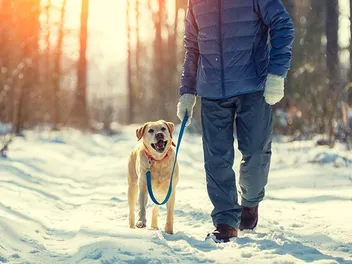
Not only can your dog with arthritis go for a walk, but doing so is highly beneficial and can help to prevent their joints and muscles from becoming stiff. Opt for regular, short, gentle walks with a lead. Snow and slippery surfaces won’t be helpful to your dog, so if the weather is too harsh, walk them around your home instead.

How Long Can a Dog Live With Arthritis?
Although arthritis gets worse over time, with proper management and care, dogs will often go on to live for many more years. It's important to regularly take your dog to the vet for checkups. That way, your vet will be able to monitor your furry friend’s condition and provide you with the necessary resources to take good care of them.
Conclusion
The most important thing you can do to help your dog with arthritis is to make sure they are not overweight. Feed your dog a healthy diet with adequate portions, and make sure they get regular, gentle exercise. During the winter, keep your furry companion warm as best as you can. Supplements and medication, along with alternative therapies can be used to reduce the effects of arthritis during the winter.
Before trying new diets and supplements, remember to talk to your vet to get advice that’s tailored to your pet’s specific needs!
See Also:
Sources
Featured Image Credit: OlgaOvcharenko, Shutterstock
Expert dog care, straight to your inbox
News, insights, expert advice, and everything dog.

No spam — unsubscribe anytime.
By signing up, you agree to our Terms & Conditions and Privacy & Cookies Policy.
How useful was this post?
Click a star to rate. You can leave written feedback afterwards. (We read all feedback.)
Cheryl is a freelance content and copywriter from the United Kingdom. Her interests include hiking and amateur astronomy, and she enjoys the finer aspects of life, such as drinking coffee and snuggling with her cat.
Cheryl has a background in both gardening and photography and now is happy spending her free time writing for pet blogs like Dogster!