How to Make Your Dog Live Longer: Our Vet's 6 Tips to Increase Your Pup’s Lifespan

The good news for any new dog owner is that our dogs are living longer than they ever have! This is largely due to three things: the uptake of preventative care and vaccinations; advances in canine nutrition and veterinary medicine; and an increase in owner commitment to their pet family members.
If you’ve recently taken on a puppy, or if you’re looking after a senior dog, you might be wondering what you can do to ensure they live the longest, happiest life possible. Read on to find out!

The 6 Tips to Make Your Dog Live Longer
1. A High-Quality, Balanced Diet
We care a lot about the food we put in our bodies, and the same should be true for our dogs. Most dogs love their food and will eat whatever you put in front of them. Perhaps this is why it’s easy to overlook the importance of a good diet and settle for the cheap stuff. But food is fuel, and dogs have very similar metabolic demands to us.
All dog foods are not created equal: some lack protein and contain too much fat, while others may contain allergens and poorly balanced minerals. Additionally, puppies have different nutritional requirements to adult dogs, and geriatric dogs have different nutritional requirements to middle-aged dogs.
When it comes to choosing dog food, I recommend three things. Firstly, discuss with your veterinarian which are the most suitable foods for your dog, within your budget. Second, find something that your dog likes and stick to it. Mixing it up can cause gut upsets and make it hard to know how much food you should be feeding.
Third, I generally recommend steering clear of grain-free diets and raw-meat diets: the former can cause heart disease, and the latter can be contaminated.

2. Maintain a Good Body Weight
In North America, obesity is the most common preventable disease in dogs. It is estimated that more than 50% of dogs are overweight. Obesity is an accumulation of excess body fat, and while this might seem relatively harmless, it is known to reduce a dog’s lifespan.
Fat does not just sit in the body; it is a biologically active tissue that releases inflammatory chemicals and contributes to the formation of several diseases. Dogs that are overweight are at increased risk of diabetes, arthritis, high blood pressure, heart disease, cancer, and more.
Your veterinary healthcare team will help identify your dog’s ideal weight; they can also help you develop a weight-loss plan for your dog if needed. In the simplest terms, keeping your dog at a good body weight depends on two things: the right amount of food, and the right amount of exercise.
3. Mental Enrichment
When it comes to the brain, the saying “use it or lose it” might be applicable to dogs, as well as people. Mental enrichment should start when your dog is a puppy, to help them keep busy, prevent boredom, and reduce anxiety. Senior or geriatric dogs also benefit from daily training sessions.
Teaching your dog new tricks and skills is one approach. Several enrichment products are also available, including food puzzles, lick mats, and snuffle toys.

4. Regular Vet Visits
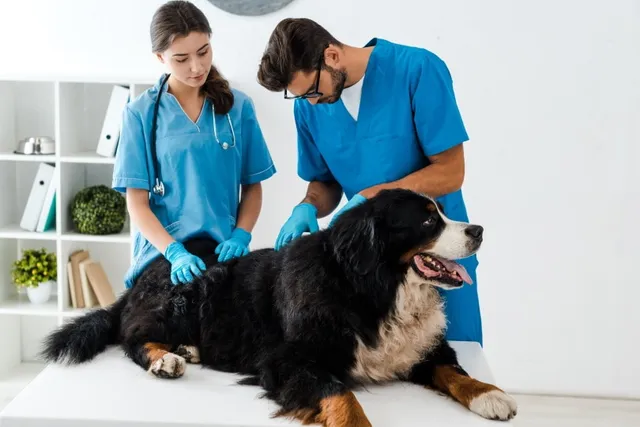
Yearly visits to the veterinarian are a good idea. As your dog ages, six-monthly visits are warranted. This allows us to stay “on top” of the aging process, and to be proactive with medical care. Veterinarians will discuss all aspects of your dog’s healthcare, including their diet, exercise, sleep, and vaccinations.
They will perform a thorough physical examination, assessing your dog from nose to tail. Routine bloodwork is also helpful to monitor health and organ function but is not essential. As with people, early detection and intervention lead to the best health outcomes. Regular vet visits enable your dog’s normal baseline to be established so that any changes can be promptly addressed.
Never underestimate the value of regular and proactive vet care.
5. Dental Care
While many people consider bad breath and plaque to be “normal” for dogs, this is not the case. Dental disease is very common in dogs. More specifically, we are referring to periodontal disease. Indeed, more than 80% of dogs older than 3 have some degree of periodontal disease.
This is inflammation of the gums and other tissues surrounding the teeth, as a result of plaque accumulation and bacterial infection. Whereas cavities and tooth decay are the most common dental issues in people, periodontal disease, and fractured teeth are most common in our canine friends. Tooth-brushing at home is the best way to keep your dog’s teeth in good nick.
Find a suitable dog toothbrush and dog toothpaste and proceed with patience. Dental chews are also a beneficial way to minimize plaque accumulation. Many dogs benefit from a scale and polish procedure, performed under general anesthetic at the vet clinic.

6. Use Supplements as Indicated
Veterinary medicine is improving rapidly, and our dogs are better off for it. As part of this knowledge expansion, research is emerging on certain supplements in dogs. Products such as fish oil, turmeric, glucosamine, green-lipped mussels, and probiotics are being used more and more. While these are not necessary in all dogs, at all stages of life, they can be a handy way to improve your dog’s quality of life, and possibly their lifespan too. The use of supplements should be guided by your veterinarian.
Final Thoughts
It’s hard for us to admit that our canine companions age faster than we do. However, being proactive and dedicated to the health of our dogs can reduce the risk of diseases, improve their quality of life, and ensure they’re around for as long as possible. Stay on top of nutrition, weight management, mental enrichment, vet visits, and dental hygiene. Try using supplements, if they’re indicated. You can be assured it will go a long way.
Sources
Featured Image Credit: Gorodenkoff, Shutterstock
Expert dog care, straight to your inbox
Vet-reviewed advice, training tips, and the best of Dogster. Free, and you can unsubscribe anytime.
By signing up, you agree to our Terms & Conditions and Privacy & Cookies Policy.
Dr. Joe Mallat DVM (Veterinarian)
Joe is a veterinarian from Sydney, Australia. When he's not working, he enjoys cooking, exercising, and exploring the Australian wilderness. He has worked for 2 years at a mixed-species practice on the mid-north coast of New South Wales, treating animals of all sizes. His areas of particular interest include wound management, internal medicine, and oncology. Joe's love for the profession comes not only from helping dogs, but also from helping their parents and working with wonderful teams of people.
Joe completed his Bachelor of Veterinary Biology and Doctor of Veterinary Medicine at the University of Sydney in 2020.
Join the conversation
Ask a question, share your story, or send private feedback.