Health Problems for Dogs In the Summer: 12 Vet-Verified Issues & How to Help


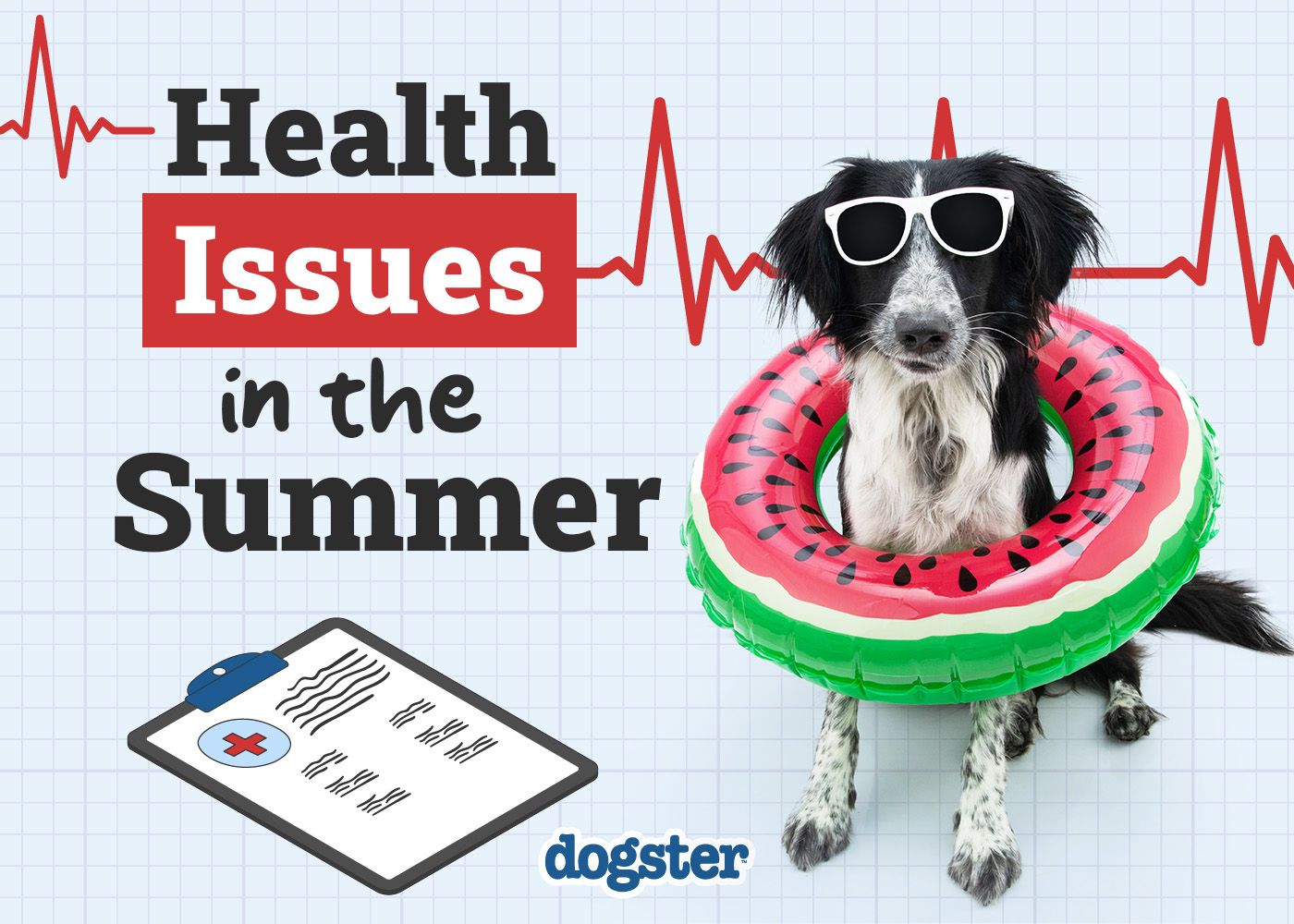
Dogs make wonderful pets, and they provide us with many years of companionship. However, keeping them safe is not always easy, and as the temperatures rise in summer, your pet faces many dangers that you have to be well aware of. Some are obvious, while others may be a surprise. We’ve done some research and talked to our in-house veterinarians to create a list of things you should watch for during the summer to ensure your dog is comfortable and healthy, especially on the hottest days.
Important

The 12 Common Summer Health Issues
1. Dehydration

One of the most obvious concerns as the temperature rises is that your dog may become dehydrated in certain instances. Your dog may drink on a schedule, which is fine for most of the year, but as temperatures get up into the 80s and 90s, your dog can be at more risk of dehydration if they fall ill or don’t have fresh water and cool shade available at all times. Dehydration happens when fluid loss, caused by urination, defecation, reduced appetite or drinking, diarrhea, or vomiting, exceeds fluid intake through food and drink.
If your dog is eating less for any reason, exercising excessively, has an underlying systemic disease, or experiences even a milder stomach upset or illness, it’s important to keep on top of it and offer them plenty of fresh water and tempting dog food, while contacting your vet if you believe they may be ill. During hot summer months, all of these problems may increase their chance of dehydration. However, a healthy dog with plenty of fresh water and access to shade that is not exercised during the warmest part of the day should be absolutely fine to keep themselves well hydrated.
To make their summer months more enjoyable, you can consider purchasing a water fountain that your dog can drink from to stay hydrated at all times. A dog fountain can be a great way to convince your dog to drink more water. Apples, cantaloupe, and watermelon, without the cores and seeds, can be a healthy occasional treat that helps hydrate your pet if given in small amounts, and you can also use wet dog food for the added moisture. Some of the signs of dehydration include panting, loss of appetite, dry nose, dry mucous membranes, increased skin turgor, and sunken eyes.
2. Heatstroke

Dogs have difficulty dissipating heat because they don’t have sweat glands like we do and must cool down mainly by panting and, to a lesser extent, by sweating through the pads on their feet. If the dog cannot stay cool and they reach a body temperature of 104 degrees Fahrenheit (or 40 degrees Celsius) or higher, they can suffer from heatstroke, a potentially life-threatening condition. Signs include heavy panting and rapid breathing. The dog may drool excessively, with dry and abnormal colored gums, weakness, disorientation, vomiting, collapse, and seizures. If you notice these signs, it is important to quickly get the dog into a cool, shaded, and well-ventilated area. Spraying the dog with cool but not cold water can also help. We recommend placing the dog indoors with a fan moving the air and allowing them to drink if they can swallow on their own. You can then transfer the dog into an air-conditioned car and seek emergency assistance from your vet. Make sure the water and air temperature are not too cold, as it may cause shivering, which generates additional heat. Brachycephalic dogs are particularly prone to overheating because their extreme anatomy makes them much less efficient at cooling down.
3. Cars

Dogs tend to run free a lot more in the summer, which puts them in danger of getting hit by a car, but the biggest problem concerning automobiles is when a pet is left inside. Even with the windows cracked, it can easily get extremely hot inside the car, leaving dogs unable to regulate their body temperature well enough and making them susceptible to heatstroke. Not only is locking your dog in the car risking your dog’s life, but this is such a common problem that many states are now creating laws that will open you up to fines and jail time for doing so.
4. Pavement

Most of us have stepped on hot pavement and know how painful it can be. It’s the same for dogs, and hot surfaces can burn the paws and cause serious pad and skin injuries, not to mention pain. We recommend following the 7-second rule: place the back of your hand on the pavement, and if you can’t keep it there for 7 seconds, it’s too hot for your dog’s paws. You should only allow your pet to walk on surfaces you would walk on without shoes.
5. Fur

The thick double coat on many dog breeds can make it difficult for them to get through hot summer days. Frequently brushing your dog can help remove any excess loose fur that could increase the temperature of your pet.
6. Water Hazards

While water is essential to your dog on hot days, it can also be dangerous. Water grows bacteria and algae faster as the temperature rises, which puts your dog at risk of drinking contaminated water. Water bowls of stationary water can often contain bacteria and algae if not changed frequently. Not to mention that water (and food bowls of course) need to be washed and cleaned daily for the same reason.
Water fountains can help keep the water free of bacteria a little longer while enticing your dog to drink, but they still need cleaning and changing. Unfortunately, there are many other water sources your dog can get into, including puddles, rivers, ponds, and more. Stagnant water can be a source of bacteria such as Leptospira species due to contamination with rodent urine that can make dogs very sick, particularly if they’re not vaccinated against it. Swimming pools can also be dangerous for dogs that don’t know how to swim, and even dogs that can swim well might have trouble getting out of an above-ground pool. Never let your dog in the water unattended, and never try to force the dog in.
Related read: 6 Signs and Treatments for Water Intoxication in Dogs
7. Sunburns

While your dog’s coat will protect them from much of the ultraviolet light, there are still areas that can receive a sunburn, including the nose, tip of the ears and any body parts that are not covered with fur, like their belly. Leaving your dog in direct sunlight for too long can cause burns in these areas that can be painful and leave the dog at risk for skin cancer later in life. However, there are other factors involved in the development of skin cancer in dogs besides exposure to sunlight.
Related Read: Can a Dog’s Nose Get Sunburned? Vet Approved Facts & FAQ
8. Bees

Dogs are curious animals and are more than a little likely to stick their nose in a bee’s nest at some point, which can expose them to many painful stings and possible severe reactions. Some stings can produce allergic reactions and may even be fatal. If your dog has sudden diarrhea, severe hives, breathing difficulties, swelling of the lips, nose, area around the eyes, throat or tongue that can be life-threatening, or itchiness after a bee sting, we recommend taking them to the vet immediately. Remove the sting if you can find it and get your dog treated at the clinic.
9. Snakes

Snakes can be another serious threat to your nosey dog, depending on where you live. There are many species of snakes all over the United States, and some of them are venomous. While dogs' reflexes are much faster than ours, they can still get bit, and the toxin will work the same way. If you think a snake bit your dog and there is swelling or a bite mark in the area, try to immediately identify the snake or take their picture and contact your vet.
10. Ticks

Ticks spread Lyme disease, among other diseases, and present one of the biggest health risks to your dog in the summer. Ticks come out all year long when the ground temperature is above 45 degrees. Dogs love to sniff around in the thick brush and could pick up a dozen ticks in a single trip through the woods. If you take your dog into the woods or anywhere with tall grass, it is critical to check them frequently for ticks and remove them immediately. There are dozens of inexpensive tools that you can use to remove them quickly before they can transmit disease. However, alongside regular inspection of your dog’s skin, it’s crucial to speak to your vet about regular tick and flea prevention, as well as internal parasites. There are many vet approved medications that can be used, such as spot ons, treats, tablets or collars, some of which are meant to prevent ticks attaching to your dog in the first place
11. Mosquitos

Mosquitos are likely the second biggest health threat to your dog during the summer months. There are different species of mosquitoes that carry any number of diseases, but the most common in the U.S. is heartworm. As the name suggests, heartworm affects your pet’s heart and can be potentially life-threatening. Most vet-approved prescription flea, tick and intestinal parasite medications also protect the dog from heartworm, and we highly recommend in accordance to your vet’s advice using one if you will be allowing your pet outside in the summer.
12. Fleas

The last health threat that occurs not only in summer, but all year round, is fleas. Fleas are everywhere outside, and often inside as well, and will quickly jump on your dog and begin feeding and irritating the dog’s skin. Fleas can spread disease, be annoying to your dog, and their saliva can trigger one of the most common skin allergies in dogs. It can also be difficult to get rid of them, and if you haven’t taken steps to prevent them, there is a high likelihood your dog will get them. Most veterinary clinics sell medication that will keep the fleas off your dog for at least 30 days.

In Conclusion
As you can see, there are several risks that you should consider and prepare for as the summer approaches to avoid any problems. We recommend getting vet-approved medication that will protect your dog from fleas, ticks, intestinal parasites and heartworm. Ensure there is a shady area your dog can use to get out of the sun if they need to and keep plenty of fresh, cool water near your dog. Let them into the house with running fans or air conditioners if they want to cool down and never lock them in a car unattended.
We hope you have enjoyed reading over this guide and found it informative. If we have helped keep your dog healthy during the dog days of summer, please share these 12 common summer health issues in dogs on Facebook and Twitter.
See also:
Exocrine Pancreatic Insufficiency in Dogs: Signs & Treatments (A Complete Guide)
Dog Pancreatitis Recovery Time – Will My Dog Get Better? (Vet Answer)
Featured Image Credit: Rebekah Zemansky, Shutterstock
Expert dog care, straight to your inbox
News, insights, expert advice, and everything dog.

No spam — unsubscribe anytime.
By signing up, you agree to our Terms & Conditions and Privacy & Cookies Policy.
How useful was this post?
Click a star to rate. You can leave written feedback afterwards. (We read all feedback.)
Nicole has loved animals of all sizes her whole life so it's no wonder she has dedicated her career to helping them through what she loves best: learning, writing, and sharing knowledge with others. She’s the proud mom of two dogs, a cat, and a human. With a degree in Education and 15+ years of writing experience, Nicole wants to help pet parents and pets around the planet to live happy, safe, and healthy lives.