How to Brush Your Dog's Hair: 9 Vet-Approved Tips


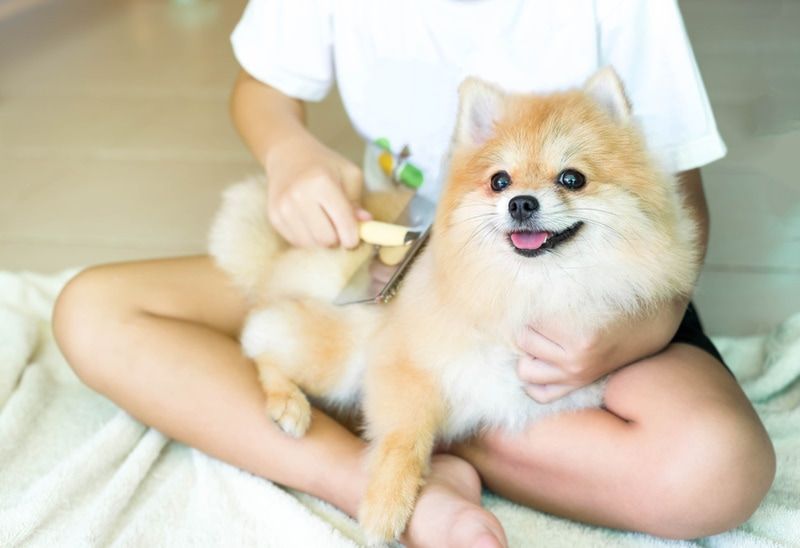
Many dogs may require brushing at some point. Some long-haired breeds will need to be brushed daily, while others are fine with a weekly or even bi-weekly brushing session. It depends on your dog’s breed, haircut, and time of year. Many dogs shed more during specific seasons and will require more brushing at these times.
Brushing a dog often isn’t as straightforward as it first appears, though. There are many different dog brushes on the market, each with its own uses and downsides. Figuring out when and how much to brush your dog can be equally as difficult.
In this article, we give you a few tips for navigating the sometimes complicated world of dog grooming.

The 9 Tips on How to Brush Dog Hair
1. Find the Right Brush
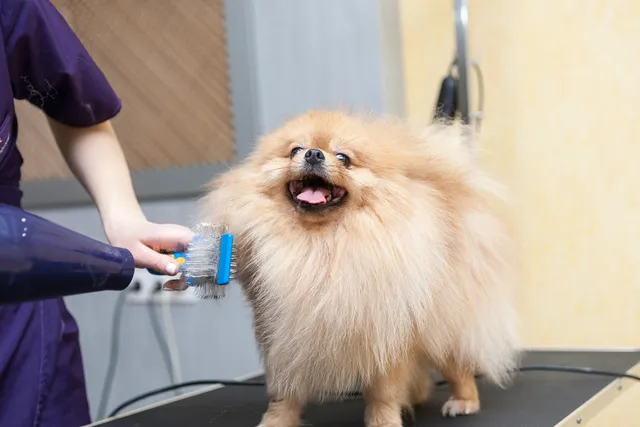
There are many different kinds of dog brushes on the market that are designed for specific purposes and hair types. Choosing the right one is essential if you want to brush your dog with as little difficulty as possible.
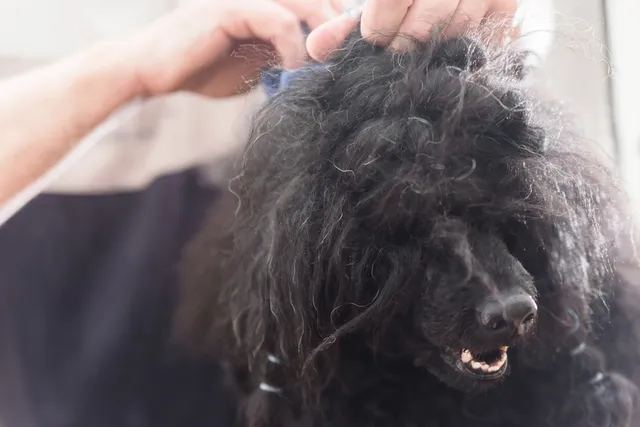
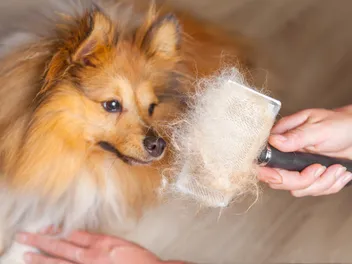
For longer-haired breeds, you should invest in a good pin brush. These bristles are long enough to reach a dog’s undercoat and remove tangles without causing discomfort. They get down to the skin for dogs with even the longest hair.
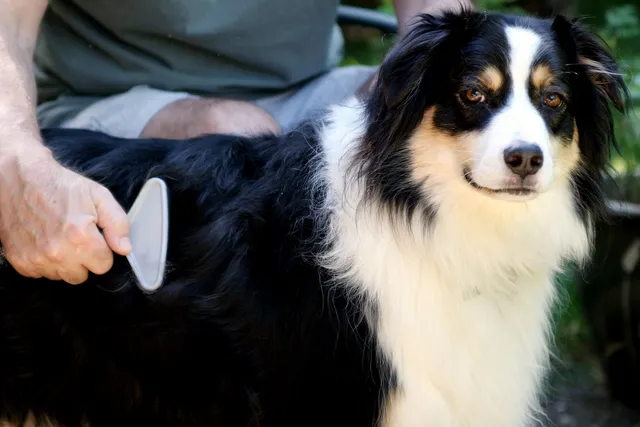
Short-haired breeds often don’t get mats. Instead, they need to be brushed to remove dead hair, spread around their natural oils, and keep their coat clean. A rubber brush or grooming glove often performs this function well. Grooming gloves are great for dogs that don’t like grooming. Often, the dog will simply think that you’re petting them, not actually doing any grooming. You can also use a natural-brush bristle or soft slicker brush. Both of these work nicely to remove loose hair and dirt.
Very short-haired dogs, like some terriers, will also need a regular groom with a soft, stiff bristled brush, like a rubber curry brush, to remove excess fur and dirt. A metal comb is also useful for removing tangles. A stripping knife can come in handy in the right hands, however, these can cut hair if used incorrectly. Ask a groomer to show you how to use one.
2. Brush Your Dog the Right Amount
All dogs will need to be brushed a different amount. Often, this will change as the seasons change and the dog grows older. If your dog has long hair, it will also depend on the current cut that you have on them. Puppy cuts require less grooming, while full show cuts will often require daily brushes.
A short-haired coat often only needs to be brushed once a week. This will help remove any excess hair and can cut back on the number of baths that your dog requires. When the seasons change, your dog may “blow” their coat, which will require daily brushing. This only occurs in some dog breeds. Others don’t shed much at all and won’t blow their coats.
Generally, if you notice large mats in your dog’s coat when you brush, you should increase their brushing routine. If you notice tons of hair around your house, you should probably increase the amount that you brush your dog.
Be flexible and change your routine as necessary. Some dogs may not need to be brushed that often and then suddenly blow their coat and need to be brushed daily. It all depends on the dog.

3. Brush Down and Out
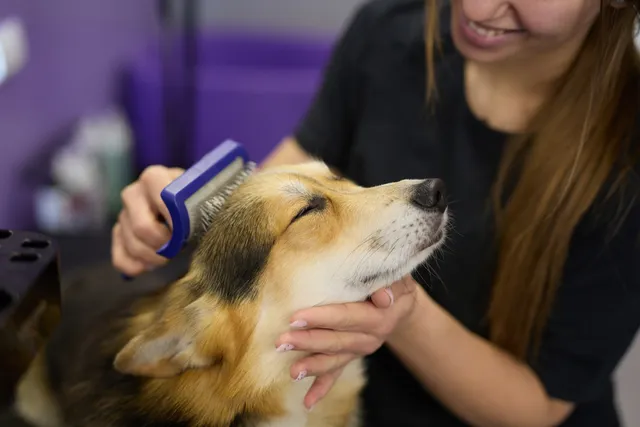
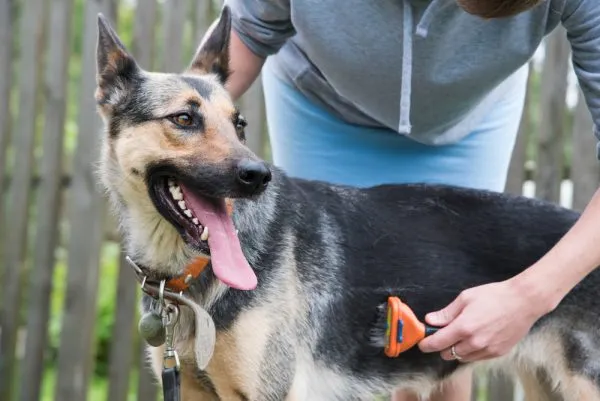
Always brush in the direction of the dog’s coat in a down-and-out motion. You shouldn’t brush your dog outward or hold the brush at an angle. Always keep the brush perpendicular to the dog and avoid pulling upward.
Be gentle, or your dog will learn not to like grooming sessions. Take your time, just like you would when brushing someone else’s hair. You don’t want to tug on tangles, or you’ll end up pulling out your dog’s hair. Instead, you should work at them slowly.
4. Utilize Coat Conditioner and Detangling Spray
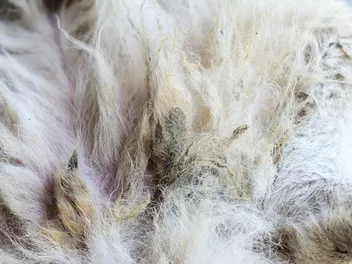
If you come across any mats, use a good, canine only, detangling spray or coat conditioner. Follow the directions on the package, which usually involves leaving it on for a few minutes. This will help loosen the mat and make it easier to remove. Be sure to check for mats under the limbs, behind the ears, and underneath the collar. We rarely think about these places, but mats are common there.
A good mat spray can save you from needing to cut out mats or visit the groomer.
5. Start Young
You should start grooming your dog when they’re young, before they really need it. This will prevent potential problems when they get older and need to be brushed. Take your time warming up your dog to the routine. Many will start out not liking to be groomed at all. However, over time, many will calm down and begin to enjoy the routine.
Use plenty of treats and vocal praise as part of positive reinforcement when brushing your dog. Even after they become used to the process, praising helps to keep this a positive experience.
6. You Can’t Always Replace a Professional
Pet owners can do a great deal when it comes to brushing their dogs. However, they can’t always replace a groomer. Very matted dogs would likely benefit from a professional to remove the mats and potentially shave the area. Many long-haired dogs are easier to take care of if you have them trimmed down, a task that only a groomer should do.
If something seems obviously above your pay grade, don’t be afraid to make an appointment with a groomer. Many dogs benefit from an appointment with a qualified groomer, even if they aren’t “high maintenance” dogs.

7. Keep Your Sessions Short
You should groom your dog in short sessions. If your dog requires more than a short brush, plan on spreading out their grooming needs over a few days. You may brush half of them one day and the other half the next. Just be sure everywhere gets brushed the appropriate amount. This is less stressful for both you and your dog. Plus, it makes it more likely that you’ll brush your dog if you aren’t looking at an hours-long brushing session.
8. Brush Before and After a Bath
There is a great deal of debate about the best time to brush your dog. Some suggest before their bath, while others suggest after. We recommend doing both. Brushing before can remove excess fur before it ends up in your tub drain. Plus, it will allow their shampoo to enter deeper into the fur, resulting in a cleaner dog. You also won’t be wasting shampoo on dead fur.
Brushing after the bath can also be helpful, as it may remove any hair that the shampoo loosened. Matting can be common as the dog dries, so a quick brushing session afterward can prevent that as well.

9. Always Start at the “Top” of the Coat
It’s a fact that you should clean off the kitchen counters before cleaning the floor. In the same vein, you shouldn’t brush your dog’s neck area after you’ve already brushed their midsection and rump. When you brush, you’ll inevitably push some hair farther down the coat instead of removing it. If you brush your dog starting at the bottom, then the bottom may be full of loose hair again when you are done.
For this reason, you should always start at your dog’s neck and move in the direction of the coat from there. When you get to their rump, you should be done. It prevents loose hairs from ending up in sections that you’ve already brushed.

Can You Brush a Dog Too Much?
Yes, you can brush a dog too much! It is a bit more difficult to tell if you’re overgrooming than if you’re undergrooming, however. If you aren’t grooming enough, you’ll be able to figure it out by the presence of mats and loose fur. Overgrooming, on the other hand, is often hard to notice unless your dog starts showing serious signs.
Brushing your dog too much can result in skin irritation. Sometimes, the dog might be annoyed by this and start scratching and chewing the spot. Over time, this can lead to skin lesions and secondary infections. Sometimes, vet care is needed.
You’ll notice that you’re overgrooming your dog if their skin and coat health starts to decline. Too much brushing will strip them of their natural hair oils, which can then make their coat dry and brittle.

Should You Brush Your Dog Every Day?
Generally speaking, no. Most dogs don't need to be brushed every day. Some breeds do need more frequent brushing than others, but even the most high-maintenance (in grooming) breeds can go with every second-day brushing. You may be tempted to brush daily if you find that your dog sheds a lot, so if you feel a pull to do this, in an effort to avoid overbrushing, we recommend just a quick once-over if you're doing it daily.

Final Thoughts
Grooming is a part of keeping your dog healthy – and happy – and it’s also a great way to pick up any skin changes or lumps! A well-groomed dog will feel good in their own skin and it will show in how they behave. And while some may imagine that grooming is an extravagant event, it can be done at home quite simply AND on a budget. Happy grooming!
See also:
Featured Image Credit: pattarawat, Shutterstock
Expert dog care, straight to your inbox
News, insights, expert advice, and everything dog.

No spam — unsubscribe anytime.
By signing up, you agree to our Terms & Conditions and Privacy & Cookies Policy.
How useful was this post?
Click a star to rate. You can leave written feedback afterwards. (We read all feedback.)
Nicole has loved animals of all sizes her whole life so it's no wonder she has dedicated her career to helping them through what she loves best: learning, writing, and sharing knowledge with others. She’s the proud mom of two dogs, a cat, and a human. With a degree in Education and 15+ years of writing experience, Nicole wants to help pet parents and pets around the planet to live happy, safe, and healthy lives.