Water Intoxication in Dogs: Vet Reviewed Signs & Treatments



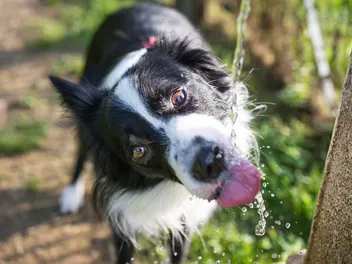
Water intoxication in dogs is rare, but it can happen, especially if your dog enjoys playing with water. They may gulp and intake a lot of water in a short amount of time while swimming or playing with a running hose.
There are three main types of water intoxication—hyponatremia, hypernatremia, and chlorine ingestion. Hyponatremia refers to a significant loss of sodium in the body. Hypernatremia refers to excessive salt intake, which can occur if a dog plays in the ocean and does not have access to an adequate amount of fresh water. Lastly, dogs that drink from pool water, can get intoxicated by ingesting chlorine.
Water intoxication can quickly lead to serious consequences. So, here are some signs of water intoxication and information on some of the available treatment options.

The 3 Types of Water Intoxication
1. Hyponatremia
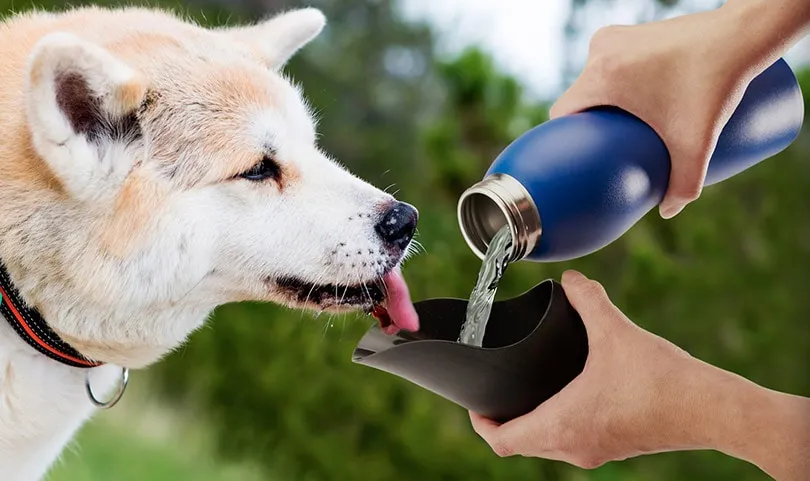
A dog can experience hyponatremia in a couple of different ways, including ingesting too much water. This can happen if a dog constantly swallows water while retrieving items out of water.
Signs of Hyponatremia
Hyponatremia can become serious very quickly, so it’s important to react immediately.
Dogs can show some of these signs:
In extreme cases, dogs can fall into a coma. The best thing to do for hyponatremia is to take your dog to emergency animal care.
Treatment for Hyponatremia: Administering Electrolytes
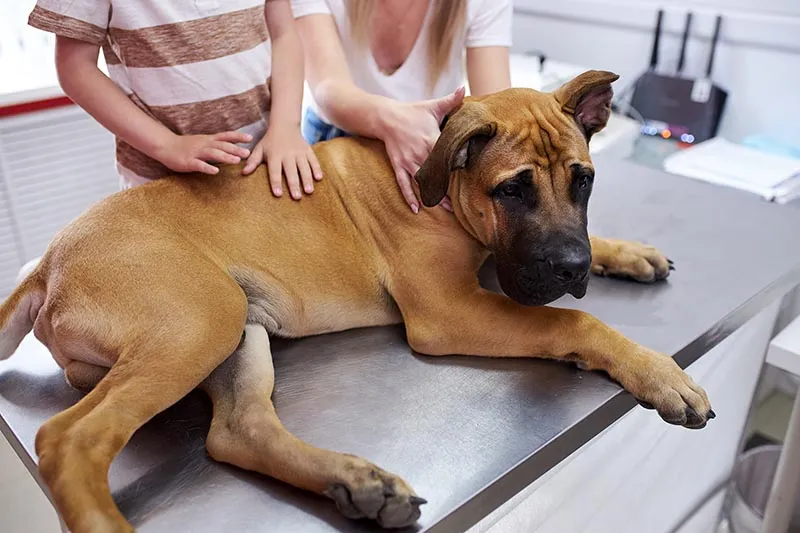
Administering electrolytes is one of the main ways a veterinarian will treat hyponatremia. This method will help raise a dog’s sodium levels back to a safe amount.
Electrolytes are administered slowly with an IV. Doing this process too quickly can cause more harm than good, so it’ll take some time before a dog gets stabilized.
Treatment for Hyponatremia: Diuretics
A veterinarian may have your dog take diuretics along with delivering electrolytes with an IV. The purpose of diuretics is to help flush out excess fluid from the body.
If a dog has a particularly severe case of hyponatremia, a veterinarian may consider administering hypertonic saline, furosemide, or mannitol
2. Hypernatremia
One cause of hypernatremia is if a dog ingests too much saltwater. So, it’s important to be mindful of how your dog plays near the ocean and other large bodies of saltwater.
Signs of Hypernatremia
Hypernatremia can also progress very quickly, so it’s important to watch out for these signs and symptoms:
- Disorientation
- Diarrhea
- Increased thirst
- Seizures
- Confusion
- Coma
- Vomiting
Just like hyponatremia, make sure to respond quickly and take your dog to emergency care if you suspect it’s experiencing hypernatremia.
Treatment for Hypernatremia: Fluid Therapy
Fluid therapy is commonly used for hypernatremia to restore balance to sodium levels. Fluid therapy is administered with an IV, and veterinarians will closely monitor a dog’s condition. Dogs will have to stay hospitalized until the veterinarian can confidently determine that they’ve been stabilized.
One of the things a veterinarian monitors is the dog’s electrolyte levels. Once a dog is stabilized, the veterinarian will continue to monitor it post-treatment.
Low-Sodium Diet
Another treatment for hypernatremia that a dog may undergo after being stabilized and discharged is eating a low-sodium diet. This is usually a temporary diet that further helps to bring a dog back to recovery.
Several dog food companies produce low-sodium meals in both dry and wet food. Make sure to communicate clearly with a veterinarian about which brands will work best for your dog and closely monitor your dog’s condition.
Make sure to contact a veterinarian if your dog has any difficulty eating and ingesting the food or starts to show a recurrence of previous hypernatremia symptoms.
3. Chlorine Ingestion
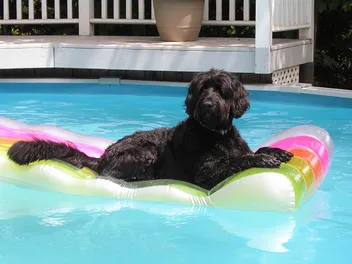
If a dog consumes too much pool water, it is not only at risk of developing hypernatremia, but will also suffer consequences from the ingestion of chlorine. The level of intoxication and damage corresponds with the amount of chlorine present in the pool. To prevent this, you should be mindful when playing with your dog at the swimming pool. If your dog has developed the habit of drinking water from the pool, you need to address this before it causes a health problem. Your dog should always have access to fresh and clean drinking water.
Signs of Chlorine Ingestion
If you suspect your dog has ingested pool water, watch out for the following symptoms:
If you notice any signs suggesting that your dog is intoxicated from drinking pool water, please do not hesitate to bring it to the veterinarian for evaluation and treatment.

How To Prevent Water Intoxication
Water intoxication can place a dog in a dangerous situation and may even have fatal consequences. So, it’s best to protect your dog from it and take preventative measures to avoid it entirely.
When playing with your dog in the pool, lakes or oceans check to make sure your dog isn’t swallowing large amounts of water. If your dog is swimming and having difficulty keeping its head above water, consider purchasing a life vest.
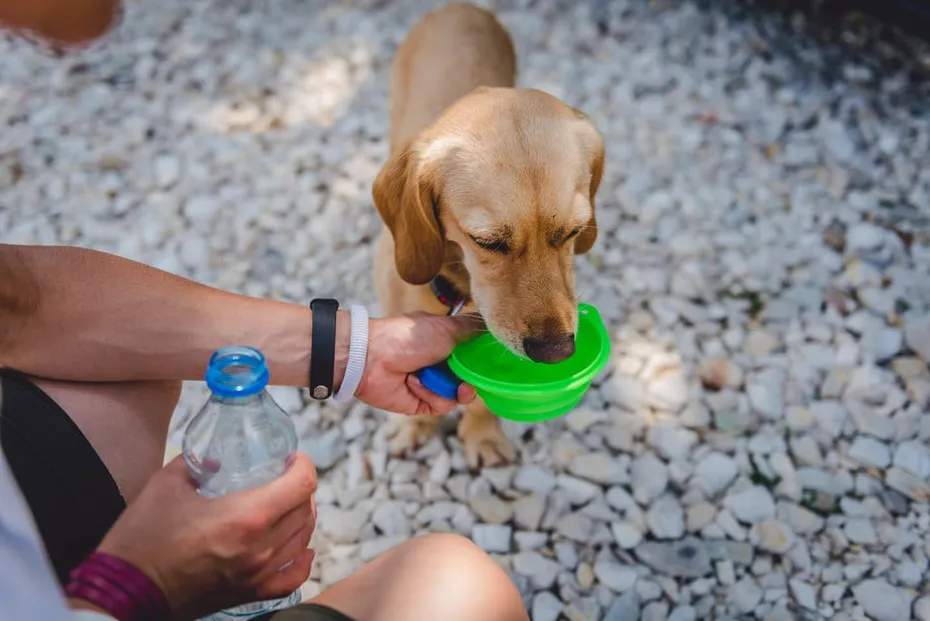
When you take your dog to play, always make sure to bring a water bowl and plenty of fresh water for your dog to stay hydrated. This can greatly help avoid both dehydration and water intoxication.
Another preventative measure you can take is to provide frequent breaks while your dog plays in the water. Even if your dog is having a lot of fun, it’s best to err on the side of caution and let your dog rest and stay out of the water for a few minutes before returning to play. This can also help you to monitor your dog and look for any signs of distress or water intoxication.
Conclusion
Water intoxication can quickly develop into a serious condition with long-term or fatal effects. So, it’s best to be prepared before having your dog play with water. Make sure to know what signs to look for and have information on nearby emergency animal hospitals just in case an urgent situation occurs.
With the weather getting warmer and the summer months soon arriving, it’s important to keep your dog safe so that you can have a fun-filled summer with many happy memories.
Featured Image Credit: Lindsay Helms, Shutterstock
Expert dog care, straight to your inbox
News, insights, expert advice, and everything dog.

No spam — unsubscribe anytime.
By signing up, you agree to our Terms & Conditions and Privacy & Cookies Policy.
How useful was this post?
Click a star to rate. You can leave written feedback afterwards. (We read all feedback.)
Jessica is a freelance writer who spends bigger part of her day researching and writing while her furry companion Cavapoo, Nora, snoozes beside her. She loves dogs, pets and animals because there’s so much to learn from them, and they do so much for us. As a dog mom, she understands the strong connection that pet parents have with their pets. So, she loves sharing helpful information that pet owners can use to better understand their beloved pets. When she isn't writing, you may find her walking dogs, tending to her plants, or drinking her nth cup of coffee.