Exocrine Pancreatic Insufficiency in Dogs: Signs & Treatments (A Complete Guide)


In this article
When we bring our pups home for the first time, it’s hard to imagine all of the things that could potentially go wrong. As an owner, you want your dog to be fit, healthy, and issue-free. But sometimes, your dog might start to display symptoms that make you uneasy.
If your dog has experienced pancreatic problems in the past, you might want to learn about exocrine pancreatic insufficiency. It may be time to make an appointment so your vet can examine your best buddy if they have a few existing symptoms.

What Is the Function of the Pancreas?
The pancreas is a V-shaped organ that sits near the stomach and small intestine. The pancreas makes juices filled with enzymes that serve different aspects of digestion.
It has two main functions called endocrine and exocrine. Endocrine functions release hormones into the bloodstream. The exocrine function produces enzymes to break down proteins, fats, and carbohydrates for digestion.
If something happens to decrease the exocrine function of the pancreas, it can cause a whirlwind of symptoms for your pooch.

What Is Exocrine Pancreatic Insufficiency in Dogs?
Exocrine pancreatic insufficiency, or EPI, in dogs happens when the body cannot produce the enzymes necessary to break down fats, proteins, or carbs they consume. Because of decreased function, it leads to symptomatic problems like steatorrhea—which is fat in the stool. If your dog has EPI, their body cannot retain valuable nutrients from their daily diet. It can lead to malabsorption, deficiencies, and weight loss.
What Causes Exocrine Pancreatic Insufficiency in Dogs?
Exocrine pancreatic insufficiency can be something your dog is born with, otherwise called a congenital condition. It can also develop later as a genetic condition in the bloodline. But any dog can get EPI if they get an infection or have inflammation of their pancreas—like acute or chronic pancreatitis. Pancreatitis can be caused by dietary indiscretions, especially the consumption of extremely high-fat foods. EPI generally affects dogs that are middle-aged and older but is not breed-specific.
What Are the Signs of Exocrine Pancreatic Insufficiency?
You might not notice any alarming symptoms of EPI until it is pretty advanced. Early detection is critical for proper treatment—so the earlier you pick up on cues, the better.
The noticeable symptoms of EPI include:
Only your vet can determine if your dog has EPI, but it’s time to get them in for evaluation if they display any of these symptoms.
How Is Exocrine Pancreatic Insufficiency Diagnosed?
Your vet will perform blood and fecal tests to determine if EPI is present in the body. The trypsin-like immunoreactivity test is one of the most sensitive and specific tests to diagnose exocrine pancreatic insufficiency.
How is Exocrine Pancreatic Insufficiency Treated?
It will involve dietary changes and enzyme replacements to aid your dog’s digestive process to treat EPI. Many vets recommend a diet that has incredibly digestible nutrients and very little fat. Usually, dogs require some enzyme replacement and probiotics to amp up their digestive functionality. The dog might also require regular injections of B12 vitamin or cobalamin.
Depending on the root cause of EPI, your dog might also require an antibiotic. This condition shouldn’t decrease the lifespan or restrict the habits of your pooch. Don’t make any treatment decisions or dietary changes without the guidance of your vet.

Can You Prevent Exocrine Pancreatic Insufficiency?
Since symptoms of this condition don’t appear until the disease is well underway, it’s impossible to prevent EPI. However, you can manage the symptoms with proper medical advice from a licensed veterinarian.
Is Exocrine Pancreatic Insufficiency Curable?
EPI is curable in some circumstances, but it depends on the underlying issue. If it develops due to a medical ailment called chronic pancreatitis, it will usually resolve itself as the condition is treated and the pancreas regains functionality.
But sometimes, this condition develops because of a genetic disease called pancreatic acinar atrophy, in which case it isn’t curable—only manageable with diet and supplementary changes.

The 5 Tips to Help Your Dog Through Endocrine Pancreatic Insufficiency
Even though you can’t reverse EPI, you can still help your pup along the way. It might take behavioral or habitual adjustments, but it’s worth the change.
1. Avoid Highly Processed Foods
Stick to highly digestible, fresh diets that are free from unnecessary preservatives and chemicals. Make sure you do a slow transition between the old and the new diet.
2. Avoid feeding human food or table scraps
Your dog won’t need anything in its system that is hard to digest. Avoid anything outside of their strict diet, no matter how much those pleading eyes beg otherwise.
3. Feed your dog on a strict schedule
Your vet will recommend the amount and frequency when it comes to mealtime. Portions and recipes will vary depending on the condition your dog is in.
4. Keep up with supplements at all times
Many dogs will require digestive supplements to regulate and improve digestion. Since their pancreas has an issue breaking down the proteins, starches, and fats, supplements will smooth the process. In some cases, the enzymes need to be added to the food 30 minutes before feeding.
5. Take your dog for regularly scheduled checkups
Because of EPI, your dog might have more frequent vet visits. It’s important to keep up with all scheduled dates to ensure your dog is on par and healthy.
Final Thoughts
If you suspect that your dog might have EPI, it’s best to get them to the vet for further evaluation. If your pet had a recent diagnosis and you’re trying to educate yourself, remember that dietary changes are the most important adjustments you can make for your pooch.
Working alongside your veterinarian will help you make good decisions in treatment. Dogs with EPI can still live normal lives as long as you address the issue proactively.
More articles on canine health:
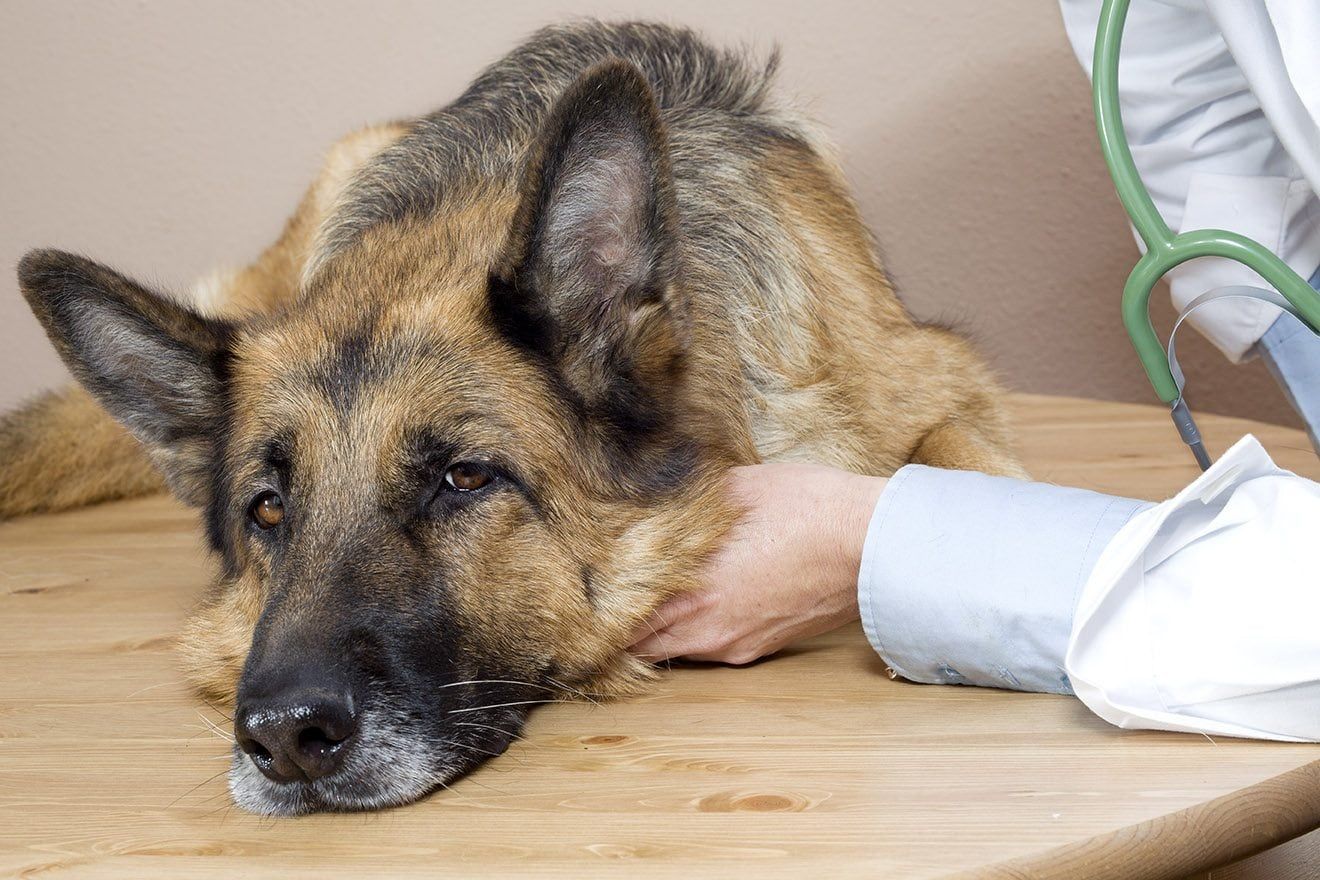
Featured Image Credit: Roger costa morera, Shutterstock
Expert dog care, straight to your inbox
News, insights, expert advice, and everything dog.

No spam — unsubscribe anytime.
By signing up, you agree to our Terms & Conditions and Privacy & Cookies Policy.
How useful was this post?
Click a star to rate. You can leave written feedback afterwards. (We read all feedback.)
Ashley Bates is a freelance dog writer and pet enthusiast who is currently studying the art of animal therapy. A mother to four human children— and 23 furry and feathery kids, too – Ashley volunteers at local shelters, advocates for animal well-being, and rescues every creature in need. Her mission is to create awareness, education, and entertainment about pets to prevent homelessness. Her specialties are dogs and cats.