Can You Leave a Dog in the Backyard While at Work? Vet-Reviewed Facts & FAQ


In this article
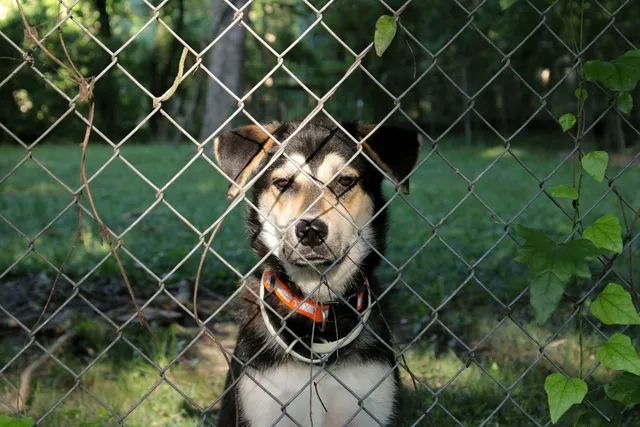
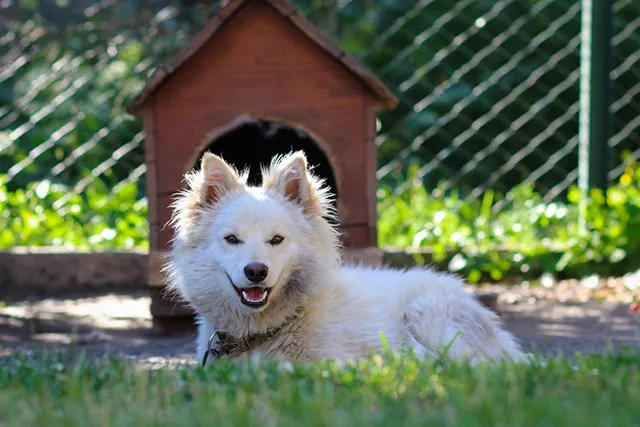
Anyone who has ever owned a dog knows that most dogs go crazy at the thought of going outside. It’s so fun for them to zip across the yard and roll around in things they probably shouldn’t; plus, getting sunshine and fresh air is good for the soul. But does that mean you should leave your dog in the yard all day while at work? Generally, it is not recommended to leave a dog outside for prolonged periods without supervision, as it may increase the risk of behavioral problems, environmental hazards, health concerns, and potential legal issues depending on local regulations. Keep reading below to learn more about the dangers of leaving your dog outside for too long.

Why Is Leaving Your Dog in the Yard for Long Periods Not Advised?
While many people think that leaving their dog in the backyard is better than leaving him indoors for long periods, that is not always the case.
Destructive Behavior
Dogs can feel understimulated or frustrated in the backyard, which can cause them to become restless and look for ways to burn off energy. This often leads them to participate in destructive or disruptive behaviors such as digging holes, barking, or even attempting to escape. Leaving your dog alone can be a safety hazard, especially if your yard is not fenced in. Fencing can keep most dogs secure, but even that may not deter craftier escape artists.
Extreme Temperatures
Remaining outdoors for long periods can be a health hazard for your dog if the weather is bad. Extreme heat, cold, or other inclement weather conditions can lead to health problems such as heat-related illness or cold stress if a dog is left exposed to the elements for too long.
While you may think that you are doing your dog a favor by leaving him outdoors while you are at work, this may expose your dog to additional risks compared with being indoors in a safe, supervised environment. Indoors, your dog can rest safely in a temperature-controlled room where wild animals, unfamiliar dogs, and environmental hazards are less likely to reach them.

What Does the Law Say?
Many municipalities have animal welfare or anti-cruelty laws to protect dogs from being left outdoors in suboptimal conditions. Different local governments have established regulations, so you will need to check with your local government bodies to determine the legal expectations that you need to adhere to.
The legal limit on how long you can leave your dog outdoors varies widely by jurisdiction and may address issues such as access to shelter, water, and protection from extreme weather. While these laws were established with good intentions, they are not always specific to a particular breed’s needs or health concerns. If your local government allows dogs to remain outdoors for certain periods during extreme weather, that does not mean it is safe for your dog to be outdoors for that long. It simply means that it is legal.

How Long Can Your Dog Stay Outdoors?
There are many factors to consider when calculating how long your dog can safely remain outdoors. Some of the main things to consider include your dog’s breed and size, age, health, and facial structure.

Breed and Size
Your dog’s breed greatly affects how long he can stay outside. For instance, if he has a thick, heavy coat, he may tolerate heat less effectively and can be at increased risk of heat-related illness in hot weather.
Similarly, your dog’s size determines how well he can handle certain weather conditions. Smaller dogs tend to lose body heat more quickly and may be more susceptible to cold, putting them at a higher risk for hypothermia, while larger dogs may be more prone to overheating during intense exercise or hot conditions.
Age
Puppies younger than 8 weeks old should be kept out of extreme weather situations since they have a harder time regulating their body temperatures. Likewise, senior or geriatric dogs should not be left outdoors for long periods because they’re often more vulnerable to temperature stress, illness, or mobility issues.
Health
Dogs dealing with health complications should not be left to brave the elements outdoors, especially during extreme weather or without supervision.
Facial Structure
Is your dog a member of a brachycephalic breed? If so, he should not be kept outdoors for very long, especially during extreme weather conditions. Brachycephalic breeds can be more vulnerable to heat-related illness due to their shortened airways and reduced ability to dissipate heat efficiently, making them susceptible to heat stroke.

How to Prepare Your Dog for Outdoor Time
While it is dangerous to leave your dog out for prolonged periods of time (especially without supervision), that doesn’t mean that your dog should never spend quality time outdoors. When preparing to take your dog outside, consider the following checklist of items:
- An adequate shelter: If your dog is going to be outdoors, he should have shelter that protects him from sun, wind, rain, and extreme temperatures.
- Access to food and water: If your dog is going to stay outside a little longer than usual, ensure he always has access to fresh drinking water.
- A safe enclosure: Ensure your dog can’t run off the moment you turn your back; likewise, ensure that no other animals can get inside the yard.
- Entertainment options: To prevent your dog from engaging in destructive or disruptive behaviors, provide him with plenty of entertainment options, such as toys or puzzles.
Final Thoughts
As important as outdoor time is for your dog, it is equally important to ensure that your dog is not left outdoors for too long. Overexposure to the elements can cause serious health issues like dehydration, heat stroke, hypothermia, frostbite, or burns to the paw pads from hot surfaces. To determine how long your dog can stay outside, consider your pet’s breed, size, age, health, and facial structure. Senior dogs and those with medical conditions may need to spend most of their time indoors, especially during extreme weather or if their condition affects their ability to regulate body temperature.
Sources
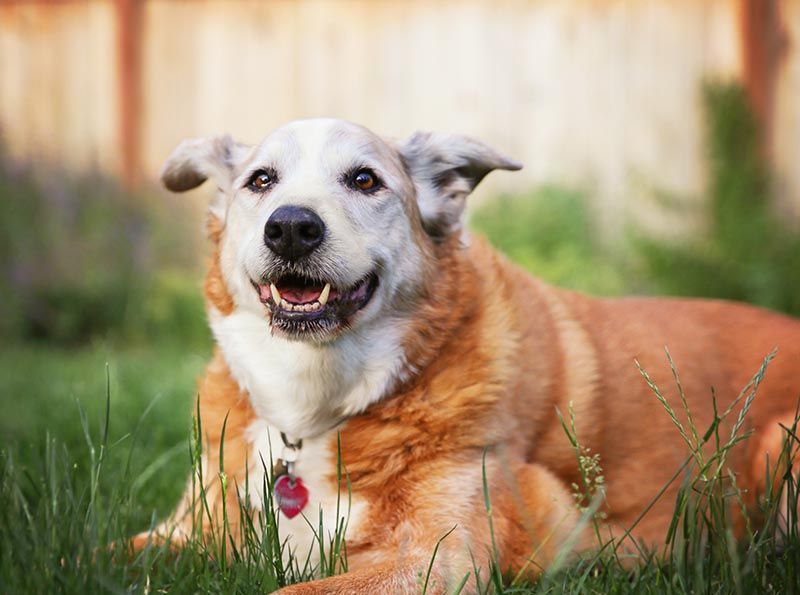
Featured Image Credit: Annette Shaff, Shutterstock
Expert dog care, straight to your inbox
News, insights, expert advice, and everything dog.

No spam — unsubscribe anytime.
By signing up, you agree to our Terms & Conditions and Privacy & Cookies Policy.
How useful was this post?
Click a star to rate. You can leave written feedback afterwards. (We read all feedback.)
Pets are Jordyn’s passion, especially cats. Whenever she has the opportunity, she loves to learn about animals and share her knowledge with everyone. She is devoted to her mischievous tabby cat named Jack and works hard to buy him his favorite toys and treats. Discovering new ways to better care for her pet is always on the top of her to-do list, and she is eager to help pet parents everywhere who have similar pursuits. In her free time, she loves to write, read, and take long walks. She has a creative spirit, which often helps her to come up with funny cat names.