10 Dogs Prone to Heart Disease: Vet-Reviewed Facts & FAQ



Dogs are prone to different health conditions as they age. This can be seen more commonly among certain breeds in comparison to others, whether it be due to their genetics, environment, or their diet and lifestyle. Usually, these common diseases or health conditions among dog breeds will become more prevalent in elderly dogs.
A major health concern for a dog owner is whether their dog is prone to developing different heart conditions. Keep reading this article to learn about 10 dogs who are more prone to heart disease.

The 10 Dogs Prone to Heart Disease
1. Golden Retriever

Golden Retrievers are common family dogs and tend to be the friendliest of the canine bunch. They have stark white to golden fur and folded ears that love being scratched. Unfortunately, these dogs are also prone to health conditions, such as dilated cardiomyopathy, or DCM. This is a type of heart disease that results in weakened heart muscles and ultimately, heart failure.
2. Great Dane

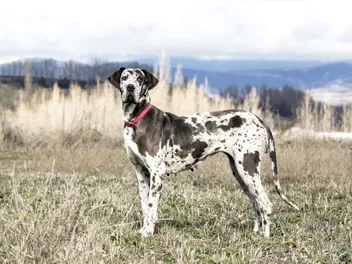
The Great Dane is one of the largest of all breeds. They have long legs and deep-chested bodies, making them look overgrown and “giant.” Do not be alarmed by their size, though, as they are generally friendly and don’t need a lot of exercise. Great Danes are generally found lounging on the couch or squashing their partners by plopping on their laps. Unfortunately, these gentle giants are susceptible to DCM.
3. Boxer

This dog has a reputation for being a high-energy dog with the need for a lot of exercise. Usually, they are brown in color and have characteristic white paws that they love to use (hence the name “Boxer”). Their dark brown eyes and low jowls give them a puppy-dog look that everyone is drawn to. Unfortunately, they are prone to genetic heart diseases involving the narrowing of the pulmonary and aortic valves, called pulmonary and aortic stenosis.
4. Cavalier King Charles Spaniel

The Cavalier King Charles Spaniel is known for their long, floppy ears (usually light brown in color) and friendly disposition. They are small dogs with long, straight fur and have a patchy-type coat pattern. They are, unfortunately, one of the most prone breeds to develop heart diseases due to the degeneration of valves in their heart. This is called mitral valve endocardiosis. It can be noticed by labored breathing, coughing, and reduced exercise tolerance.
5. Dachshund

These pups are known for their spunky attitude and short stature, all while being quite loyal and affectionate. This breed is also known as the “wiener dog,” which easily describes their body type. The Dachshund is one of the longest-living dogs, but they are prone to heart diseases that can affect them as they age. It is a good idea to increase the number of visits your dog has with their veterinarian as they age to keep an eye out for degenerative valve disease.
6. Miniature Poodle

Another popular breed is the Poodle and even more so, the Miniature Poodle. These curly-haired dogs are well known for being tied to French royalty due to their intelligent nature and great posture. They seem to have a sense of knowing how pretty they are! Sadly, the Miniature Poodle is also prone to valvular heart disease that will affect the function of the organ over time.
7. Doberman Pinscher

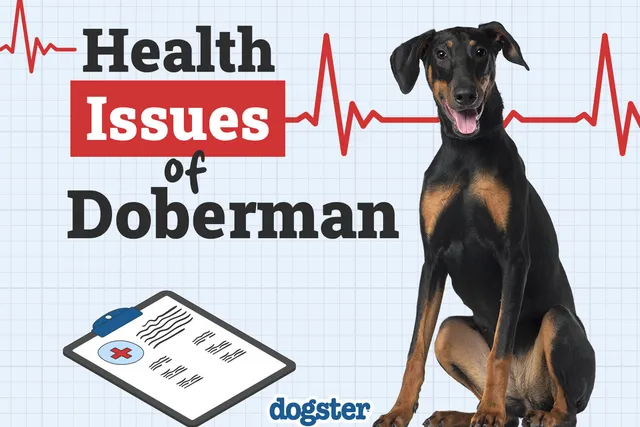
This breed has a rather uninviting reputation in television and movies due to its intimidating appearance. However, they are loyal and great defenders of their owners. The Doberman is muscular but has a slim build, making them look strong and stable in their stance. But the Doberman Pinscher is also known for developing DCM later in life. It is a good idea to start visiting the vet more regularly to keep an eye on their heart function.
8. Schnauzer

The Schnauzer is highly recognizable with their long, curly fur around their face and legs. Coming in many different colors and sizes, they have grown in popularity in modern times. They look like they mean business, but they are also friendly and great with people. Unfortunately, this breed is also prone to valvular heart conditions that can affect them later in life.
9. Irish Wolfhound

Another giant dog breed on this list is the Irish Wolfhound. This is a less common dog that is characterized by their medium straight fur, big stature, and need for a lot of exercise. However, this makes them more prone to developing the heart muscle disease DCM as they age. It is important to keep an eye on their heart health and any signs that may develop, especially in their older years.
10. Labrador Retriever

One of the most common breeds in North America is the Labrador Retriever. These loyal, friendly, family dogs are characterized by their dark brown, golden, or black coats and super-friendly expressions. They always seem to have big smiles on their faces and love to play. Unfortunately, Labrador Retrievers are more prone to an uncommon heart valve disorder, tricuspid valve dysplasia.
If you are concerned about the health and well-being of your pet, seek veterinary advice for the best course of action.
Summary
It’s always important to keep an eye on your dog, especially if their breed is prone to developing any type of heart disease. Monitor for coughing, reduction in ability to exercise, weight loss, and increased breathing rate. Even when they're young, you should regularly get them checked by a veterinarian who will examine and monitor their heart health. Early detection and treatment will help improve the quality of life of your lovely pet.
See also: Can a Dog Recover From a Stroke?
Featured Image Credit: Leka Sergeeva, Shutterstock
Expert dog care, straight to your inbox
News, insights, expert advice, and everything dog.

No spam — unsubscribe anytime.
By signing up, you agree to our Terms & Conditions and Privacy & Cookies Policy.
How useful was this post?
Click a star to rate. You can leave written feedback afterwards. (We read all feedback.)
Nicole has loved animals of all sizes her whole life so it's no wonder she has dedicated her career to helping them through what she loves best: learning, writing, and sharing knowledge with others. She’s the proud mom of two dogs, a cat, and a human. With a degree in Education and 15+ years of writing experience, Nicole wants to help pet parents and pets around the planet to live happy, safe, and healthy lives.