7 Dogs Prone to Diabetes: Vet-Verified Breed Health



Some dog breeds are prone to certain conditions, and diabetes is no different. Many dog breeds are more likely to develop diabetes for one reason or another. Some are more prone to the condition, while others are more likely to develop conditions like obesity that are linked to diabetes.
Many factors increase a dog’s chance of developing diabetes. For instance, obesity, age, and lack of exercise all fall into this category.
Knowing your dog’s risk level can help you monitor them for signs of this condition, which does require veterinary treatment.

The 7 Dogs Prone to Diabetes
1. Poodles

Poodles are one of the breeds that are more vulnerable to diabetes. This is attributable in part to heredity and in part to lifestyle variables such as nutrition and exercise.
There are three sizes of Poodles: standard, miniature, and toy. Diabetes may affect Poodles of all sizes, but tiny and toy Poodles are especially vulnerable.
Diabetes in Poodles is not entirely understood; however, it is assumed to be connected to the breed’s heredity. There is a hereditary propensity to insulin resistance, which can develop into diabetes. Moreover, lifestyle factors such as a high-fat diet, lack of exercise, and obesity can contribute to diabetes development in Poodles.
If you own a Poodle or are considering acquiring one, you should work closely with a veterinarian to monitor their health and avoid diabetes. This may include frequent check-ups, a nutritious diet, and physical activity.
2. Samoyeds
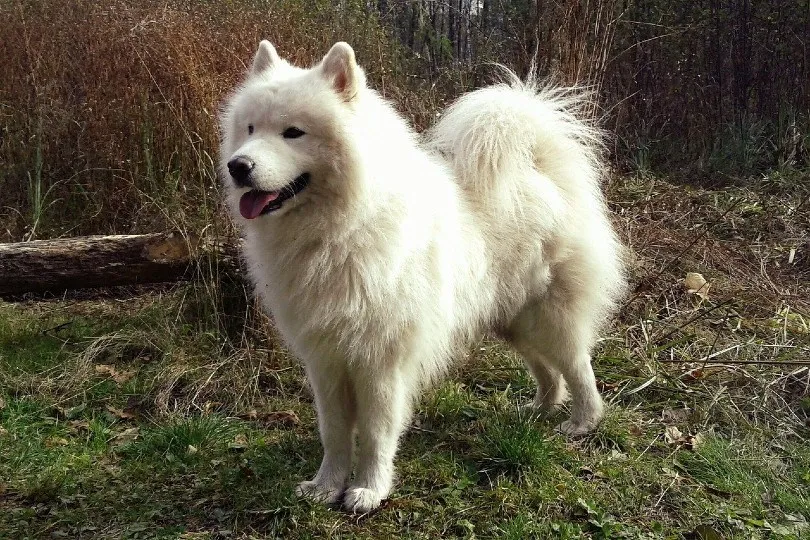
Samoyeds are medium-sized herding dogs with dramatic white, double thick coats. They have been shown in several studies to be more prone to diabetes than the average dog. As a breed they are also more prone to hyperadrenocorticism and pancreatitis which also increases the risk of diabetes. There is a genetic component to their susceptibility with several genes which relate to risk of diabetes being identified. They have been shown to be 12 times more likely than a cross breed to develop diabetes.
You will need to keep a close eye on your Samoyed's habits as they age. An increase in thirst, urination and changes to appetite can signal diabetes and should prompt a visit to the vet.
3. Dachshunds

Dachshunds are another breed that is prone to diabetes. They’re likely prone to this condition due to genetics, just like Poodles. However, this breed is particularly prone to obesity, putting them at a higher risk for diabetes.
Age, a bad diet, and a lack of exercise are other risk factors for diabetes in Dachshunds. To lessen the risk of diabetes, owners must watch their Dachshunds' weight and food and ensure they get plenty of exercise.
4. Beagles

Beagles are also a breed that is at risk for diabetes. Like other breeds, the risk is thought to be related to both genetics and lifestyle factors.
Beagles are a medium-sized breed recognized for their outgoing and energetic temperament. Because of their versatility and simplicity of training, they are frequently utilized in laboratory research. Nevertheless, because many lab Beagles are fed a high-fat diet and may not get enough exercise, being employed for research may increase the breed’s risk of diabetes. Therefore, these results may be slightly skewed. However anecdotal evidence shows that Beagles are prone to obesity even in a home setting. They are also more prone to hypothyroidism which again increases the likelihood of weight gain.
Diabetes development in Beagles may have a hereditary component in addition to lifestyle influences.
5. Labrador Retrievers

Labrador Retrievers are more prone to obesity, which often makes them more prone to diabetes. They’re known for their love of food and may not have the same appetite regulation as other dogs. Therefore, they’re prone to diabetes due to overeating. Luckily, this is pretty easy for owners to prevent. Their food intake must be monitored. You cannot free-feed these dogs, as they cannot regulate their food intake well.
There may also be genetic components that make Labs more prone to diabetes. You should closely monitor your dog by taking them to the vet regularly to watch for insulin resistance.
Other risk factors for diabetes in Labrador Retrievers include age and a lack of exercise. Regular exercise and a healthy diet can help to reduce the risk of diabetes in this breed.
6. Cairn Terriers

Cairn Terriers may be predisposed to diabetes owing to a variety of circumstances. Genetics, as in other breeds, may play a role. Also, lifestyle variables like nutrition and activity may contribute to diabetes development in Cairn Terriers.
Because Cairn Terriers have a small and compact frame, they may be more prone to obesity if they ingest too many calories and do not get enough exercise.
Moreover, Cairn Terriers may be predisposed to pancreatitis, a disorder that can damage the pancreas and lead to diabetes. A high-fat diet is frequently the cause of pancreatitis, and Cairn Terriers may be especially prone to this ailment owing to a tendency of owners to feed high fat foods and treats.
7. Miniature Schnauzers

Miniature Schnauzers are a breed that is more prone to developing diabetes, especially as they age. The causes of this susceptibility are not fully understood, but genetics and lifestyle factors likely contribute to their risk.
Some Miniature Schnauzers may be prone to diabetes due to genetics. Often, dogs whose parents have diabetes are more prone to diabetes themselves. Apart from heredity, lifestyle variables, including nutrition and exercise, may also play a role in the development of diabetes in Miniature Schnauzers. Obesity is a significant risk factor for diabetes in dogs, and Miniature Schnauzers are notorious for gaining weight. Again they are more prone to pancreatitis and hyperlipidemia than some other breeds, increasing the risk for diabetes.
Overfeeding, a lack of activity, or medical disorders that alter metabolism can all contribute to this.
If you have any concerns about your dog or their health, we recommend you contact your vet directly.
Conclusion
Several different dog breeds are prone to diabetes. Sometimes, this is because they’re genetically prone to diabetes specifically. Other times, it may be because they’re prone to obesity or another risk factor of diabetes.
You can often limit the risk of diabetes by feeding the dog a healthy, low-calorie diet. However, it isn’t possible to eliminate the risk all the time. Sometimes, dogs are very prone to diabetes and develop it despite their owners’ best efforts.
See Also:
Featured Image Credit: Olga Murzina, Shutterstock
Expert dog care, straight to your inbox
News, insights, expert advice, and everything dog.

No spam — unsubscribe anytime.
By signing up, you agree to our Terms & Conditions and Privacy & Cookies Policy.
How useful was this post?
Click a star to rate. You can leave written feedback afterwards. (We read all feedback.)
Kristin loves to help pet parents create a fulfilling life for their pets by informing them on the latest scientific discoveries and helping them choose the best products for their pets. She currently resides in Tennessee with three cats, four dogs, two fish, and a lizard, though she has dreams of owning chickens one day!