Irish Wolfhound Dog Breed: Info, Pictures, History & More


In this article
Do you love large dogs? Do you think the larger the dog, the better? Then, you might end up adoring the Irish Wolfhound! This dog breed is the tallest one, standing 30 to 32 inches to the withers. Their stature may seem a bit imposing, but in reality, these pups are gentle, loving, and loyal.
If you might be interested in adopting one, you should know more about the breed, though. That’s why we’ve gathered together everything you should know about the Irish Wolfhound, from their temperament to what sort of health issues they face. Keep reading for all you need to know to make an informed decision about adopting one of these regal dogs!
Breed Overview
Height:
Weight:
Lifespan:
Colors:
Suitable for:
Temperament:
The Irish Wolfhound is an exceptionally old breed. These dogs were around in the days of ancient Rome, with the first written record being from 391 C.E. when seven puppies were gifted to Quintus Aurelius Symmachus. They were used for hunting big game such as wolves, deer and boar, along with the long extinct and enormous Irish elk. Despite their rather ferocious beginnings, though, these canines are known for their patience and gentleness these days.
Irish Wolfhound Characteristics

Irish Wolfhound Puppies

We suggest looking at rescue organizations for an Irish Wolfhound puppy. There are several rescue organizations for Irish Wolfhounds in the United States, and they sometimes have puppies (though they may be older puppies). Many of the dogs at rescues had owners who loved them but found that they couldn’t care for such a large dog, so make sure you have the space for an Irish Wolfhound before adopting one. Even though they start out small, they grow quickly into giants!
However, if you don’t find what you’re looking for from the rescue organizations, you’ll likely need to try a breeder. Ensure you’re going through a reputable breeder for one of these pups, though. Reputable breeders will prioritize the health of their Irish Wolfhounds and do all the required health screenings. For more information, breed clubs and the American Kennel Club (AKC) may be able to point you in the right direction.
Temperament & Intelligence of the Irish Wolfhound 🧠
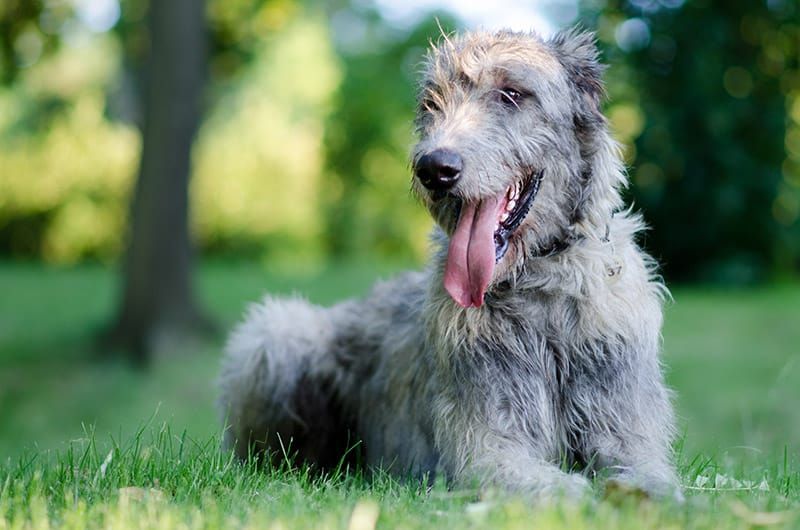
The Irish Wolfhound is considered by most as the tallest canine breed, so they can seem imposing at first glance. Add in the breed’s past as war dogs, and you might expect a rather ferocious dog. However, you’d be wrong!
These pups may be large, but they are some of the gentlest dogs around. They get along with pretty much anyone—people, dogs, and even cats—and have seemingly limitless patience when it comes to children. The breed is also on the quiet side and tends to be relatively calm, so you don’t need to worry much about them running around the house and knocking things over. That said, they are also fairly clumsy the first couple of years of their lives, so watch out for that!
These dogs are fiercely loyal to their humans. Because they tend to make friends with almost everyone they meet, they aren’t the best watchdogs (but their vast size can be an automatic deterrent to others). Though the breed isn’t thought of as aggressive, they are brave. They’re also quite intelligent and eager to please their people.

Are These Dogs Good for Families? 👪
Provided you have enough room for the Irish Wolfhound (inside and outside your home), these dogs make fantastic family pets. They get along well with children and are full of patience for little ones. You should always keep an eye on children around this dog, though. Due to the breed’s size, they could accidentally knock over a child during play, and any bite, accidental or not, could be serious.
Also, consider the breed’s lifespan before adopting one. Due to their large size, these canines only live a short time (6 to 8 years). If you have children, you may want to think about how well they would handle that; you might feel that a breed with a longer lifespan is a better option.
Does This Breed Get Along With Other Pets? 🐶 😽
Due to their friendly nature, this breed can absolutely get along with other pets. They’ll get along with other canines best, whether they’ve grown up with the other dogs in the home or you’re bringing the Irish Wolfhound in later.
These dogs can get along with cats, but you’ll need to extensively socialize them early on. Because Irish Wolfhounds are sighthounds, they have a rather significant prey drive, so they can be prone to chasing smaller animals. Introducing an Irish Wolfhound to your cat when they are a puppy can go a long way in helping the two get along. Also, due to this breed’s prey drive, you don’t want to leave these dogs alone with smaller animals like guinea pigs or rabbits at all, as the Irish Wolfhound could give chase.

Things to Know When Owning an Irish Wolfhound:
What else should you know about these giant canines? Everything from what to feed them to the sorts of health conditions they can be prone to developing! All the information you need to care for the Irish Wolfhound is below.
Food & Diet Requirements 🦴
Your Irish Wolfhound should be fed high-quality dog food that corresponds to their life stage and is designed for large or giant dog breeds. This way, you can make sure your pup gets all the nutrients they need to grow as they should and replenish the energy they burn. If you’re unsure whether the suggested amount of food on the bag is correct for your pup, speak to your dog’s vet about how much you should feed them. The packaging instructions are a guideline and may need altering for your individual dog.
As a large breed, the Irish Wolfhound has a deep chest cavity, making them more likely to get gastric dilatation-volvulus (GDV)1 than other breeds. Bloat can be deadly and can be associated with eating too fast or one large meal of dry kibble per day. Although research is not clear on the subject, it is considered wise to avoid strenuous activity right before or after feeding time. Keep individual meals well-portioned to avoid overeating, and if your dog eats quickly, try out a puzzle feeder to slow them down.

Exercise 🐕
You might think a larger dog would need more exercise than a smaller one, but that isn’t the case for the Irish Wolfhound. These canines need daily exercise, but they’re only moderately active, so you don’t need to exercise them more than 30 to 45 minutes a day. They’ll enjoy long walks and good romps in the backyard, but because of their prey drive, only take their leash off in an area you know they can’t escape (such as your backyard or dog park). Otherwise, these dogs could see a squirrel, chase after it, and be gone in a blink!
While walks and playtime are great ways to meet your Irish Wolfhound’s exercise needs, these dogs also do well in canine sports like agility and lure coursing. Setting up an agility course in the backyard for your dog could be another excellent way to meet their daily exercise requirements.
Training 🎾
Irish Wolfhounds are highly intelligent and eager to please, so they tend to pick up on things quickly. Use positive reinforcement with them during training and begin training and socialization early on. While you can train this breed on your own if you have the know-how, puppy training classes are also recommended for these dogs. The Irish Wolfhound matures more slowly than some other breeds, so while they’re quick to learn, they might take a bit longer to train than a breed that matures more quickly.
Grooming ✂️
This breed is known as double coated and has a rough, wiry outer coat and a softer undercoat. While Irish Wolfhounds do shed year-round, they don’t shed a ton. Thoroughly brushing them once a week will help immensely in keeping their coats free of dirt and any loose hair. Commonly used brushes for these coarse coated dogs are an undercoat rake followed by a pin brush.
Irish Wolfhounds are a breed that also occasionally have their hair “stripped”, this is the process of removing dead hairs with a stripping knife or by hand. Although uncommon “post-grooming furunculosis”2 can be seen when dogs are stripped and bathed on the same day, as such some experts recommend having a gap of 2 weeks between the procedures.
Besides brushing them weekly, you’ll want to keep your Irish Wolfhound’s nails neat and trim to avoid problems. If you feel up to the task, you can cut these yourself or get your vet or a groomer to do it. These pups should also have their teeth brushed daily to help prevent dental problems.
You can also use grooming scissors to carefully trim around the face and paws if you are confident, but accidents happen easily, and this may be better left to the professionals.
You’ll also want to bathe your Irish Wolfhound occasionally. They won’t require many baths, though, as overbathing could lead to duller coats and irritated skin. Due to their size, you may want to take them to your vet or a groomer for this. Otherwise, you might end up bathing them in the backyard!

Health and Conditions 🏥
Unfortunately, the Irish Wolfhound is prone to developing quite a few health conditions. It doesn’t mean that yours will develop any of these; it’s just that the potential is there. Ensuring your pup comes from a reputable breeder (if you go that route) means that a dog or their parents should have been pre-screened or tested for many of these.
Male vs Female
The only real differences between male and female Irish Wolfhounds will be their size and how much it costs to have them fixed/sterilized. Males of this breed will be roughly 2 inches taller and roughly 15 pounds heavier than females. It will cost less to have males neutered than females spayed. Whether a male or female Irish Wolfhound is right for your family will mostly depend on your personal preference.
3 Little-Known Facts About the Irish Wolfhound
Want to learn even more about these gorgeous dogs? Here are a few more facts about the Irish Wolfhound that you might not have known!
1. Irish Wolfhounds are the tallest dogs.
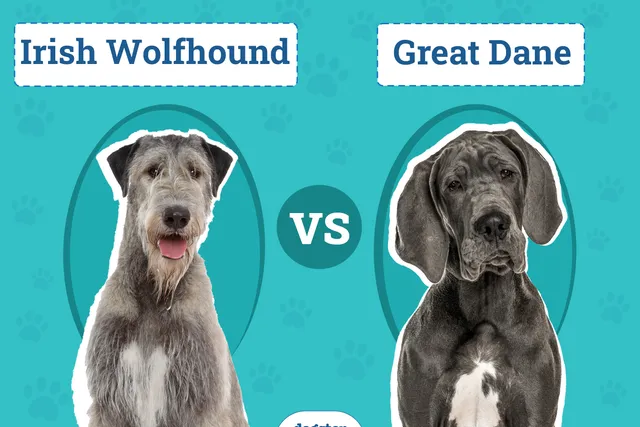
We mentioned it before, but these dogs are considered the tallest dog breed around. Although some individual Great Danes have been taller, the Irish Wolfhound comes in taller overall. Some of these gentle giants are almost 7 feet tall when standing on their hind legs! Standing on all four legs, the males reach 32 inches at the withers.
2. The Welsh legend, “Gelert, the Faithful Hound”, is said to have been inspired by this breed.
The tale is one of extreme loyalty and immense regret and remorse. Whether or not it was actually inspired by the Irish Wolfhound isn’t known for sure, but it is believed this is just one of many legends inspired by these dogs.
3. This breed almost went extinct because they were too good at their job.
Although not all the reasons for extinction of the Irish Elk are known, extinction of the wolves was largely down to persecution from humans and habitat loss. The Irish Wolfhound was initially used to hunt wolves, deer, and more. However, by the end of the 1700s, the last wolves had disappeared in Ireland, which meant there really wasn’t a need for them any longer. As a result, the breed almost went extinct themselves.
Final Thoughts
The Irish Wolfhound may be the largest dog around, but these canines are incredibly gentle. Loving, loyal, intelligent, and friendly, these dogs make wonderful family pets. They have great patience when it comes to children and can get along with almost everyone they meet, including other animals. Because of their massive size, though, they do require a lot of room, both inside the home and out; these definitely aren’t apartment dogs! Provided you have enough room for one and you’re not put off by the cost to feed and provide veterinary care, the Irish Wolfhound could be the perfect pet for you.
Sources
Featured Image Credit: Jana Oudova, Shutterstock
Expert dog care, straight to your inbox
News, insights, expert advice, and everything dog.

No spam — unsubscribe anytime.
By signing up, you agree to our Terms & Conditions and Privacy & Cookies Policy.
How useful was this post?
Click a star to rate. You can leave written feedback afterwards. (We read all feedback.)
Misty Layne lives out in the woods in small-town Alabama with her two Siamese - Serafina & Jasper. She also has an array of stray cats, raccoons, and opossums who like to call her front porch home. When she’s not writing about animals, you’ll find her writing poetry, stories, and film reviews (the animals are, by far, her favorite writing topic, though!). In her free time, Misty enjoys chilling with her cats, playing piano, watching indie and foreign films, photographing abandoned places, and catching up on her never-ending TBR list.