Can a Dog Recover From a Stroke? Vet-Approved Signs, Causes & Treatment


In this article
Just like people, dogs can have strokes. Strokes can be life-altering for dogs, but the good news is that some dogs can recover after having one.
If you’re a dog owner, you’ll want to be prepared for this event in case it ever happens. Read on to learn more about strokes in dogs.

What Is a Stroke?
A stroke occurs when the brain cells are deprived of oxygen and die due to a disruption of the blood flow to the brain. There is usually no warning that this is going to happen. The part of the brain affected and the extent of the damage done will determine each dog’s recovery.
There are two types of strokes: ischemic and hemorrhagic. Ischemic strokes are caused by blood clots, tumors, bacteria, or parasites. Hemorrhagic strokes are caused by bleeding in the brain from ruptured blood vessels or bleeding disorders.

Signs of a Stroke
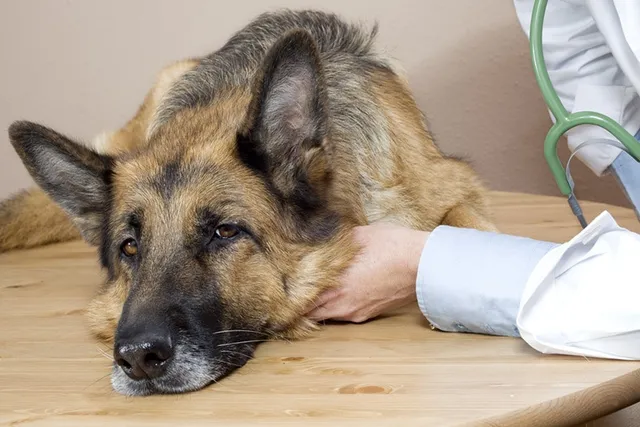
A dog that is having or has had a stroke needs immediate veterinary care. The sooner you get your dog to the vet, the better their chances of survival will be. It can be difficult to tell if your dog had a stroke, but your vet will be able to find out. A few common symptoms are listed here, but these can mimic those of other conditions.
If you notice your dog exhibiting any of these signs, take them to the vet right away:
Usually, this happens so quickly that you’ll notice your dog being fine one moment, and the next, they are unable to stand up. Even if the symptoms clear up in a few minutes, your dog needs to see the vet as soon as possible.
Note a timeline of the events if possible so your vet has more information to provide proper treatment. When did the symptoms start, did they appear to worsen over time, and what were the symptoms that you noticed? This information can help your vet treat your dog and increase their chances of recovery. If treated quickly, any damage done may be reversible.
However, there’s no guarantee that permanent damage won’t remain. In some cases, dogs will experience paralysis, brain damage, or more for the rest of their lives.

What Causes Strokes in Dogs?
Strokes can happen at any time, but common cases occur in dogs that already suffer from a disease that increases their likelihood of a stroke. These diseases include:
Diagnosing a Stroke
Your vet will use a series of tests to determine a proper diagnosis of your dog’s stroke. Once they have the information that they need, they can put together an appropriate treatment plan. An electrocardiogram may be used to monitor your dog’s heart function. Chest X-rays and a cardiac ultrasound may also be used.
Your dog’s brain will be monitored using a CAT scan or MRI. These will determine if the stroke was caused by a blood clot. If so, proper medication will be given to thin the blood. Other medications can be used to reduce swelling in the brain.
Can Strokes Be Prevented?
Unfortunately, strokes cannot be prevented. One reason they're so scary is that they can occur at any time without warning.
The best thing that you can do is keep up with your dog’s annual vet visits. Routine checkups, blood tests, and health screenings can identify any illnesses so they can be treated as soon as possible. Maintaining your dog’s good health is their best chance against having a stroke, but it’s important to know that strokes can happen even in healthy dogs. Being prepared and knowing the signs are necessary so you can get your dog the help that they need if necessary.
If you are concerned about the health and well-being of your pet, we suggest seeking veterinary advice for the best course of action.
Recovering From a Stroke
Treatment for a stroke will vary depending on a few factors. Once your vet determines the best course of treatment for your dog, you can start to help them recover.
Some dogs will require medication to reduce brain swelling and increase circulation. Oxygen and fluid therapies may be necessary. Physical therapy may also be necessary to help your dog regain their motor skills. The vet may want to hospitalize your dog until they’re stable enough to go home.
The good news is that some dogs can recover from strokes well, and certain neurological symptoms can even go away on their own. Their recovery will be based on the type and severity of the stroke that they suffered. Early detection and treatment are crucial to help your dog make a full recovery.

Conclusion
Dogs can suffer strokes at any time, so it’s important to know the signs so you can get your dog to a vet immediately. Prompt treatment is vital to their recovery. Once your vet determines the type of stroke that occurred, they can make an appropriate treatment plan to help your dog.
While recovery times and treatment vary, getting your dog to the vet right when you notice something is wrong is their best chance at survival.
Featured Image Credit: Pressmaster, Shutterstock
Expert dog care, straight to your inbox
News, insights, expert advice, and everything dog.

No spam — unsubscribe anytime.
By signing up, you agree to our Terms & Conditions and Privacy & Cookies Policy.
How useful was this post?
Click a star to rate. You can leave written feedback afterwards. (We read all feedback.)
Jessica has shared her home with feathered, furry, and scaly pets of all shapes and sizes for over 30 years as a lifelong resident of Chicago. Her enthusiasm for animals began at an early age and led to her owning and operating a pet care company. Jessica is now a full-time writer and spends her days writing about all types of animals. Jessica and her husband Dominic enjoy the city life while turning their backyard into an oasis for the neighborhood squirrels and birds.