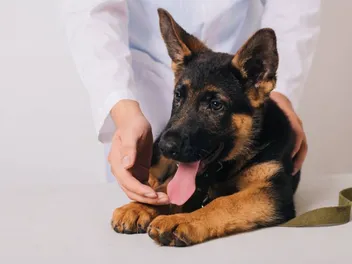
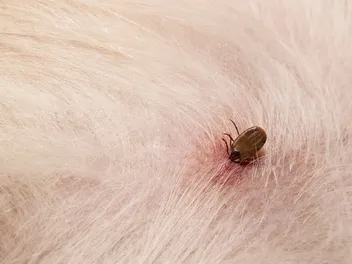
Can Fleas Cause Anemia in Dogs? Vet-Reviewed Signs & Prevention


In this article
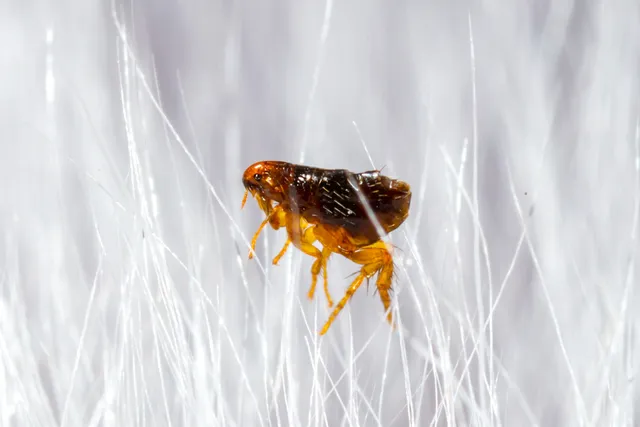
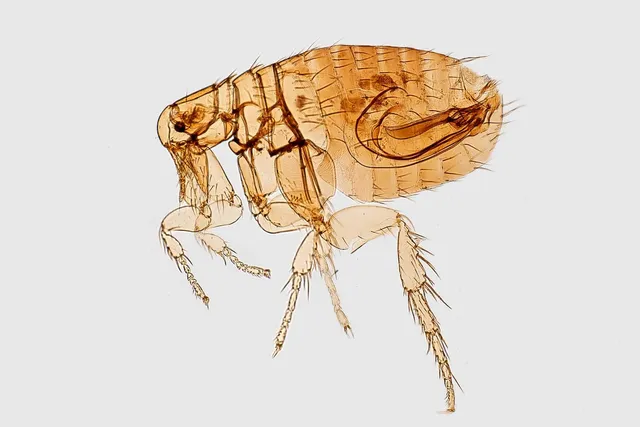
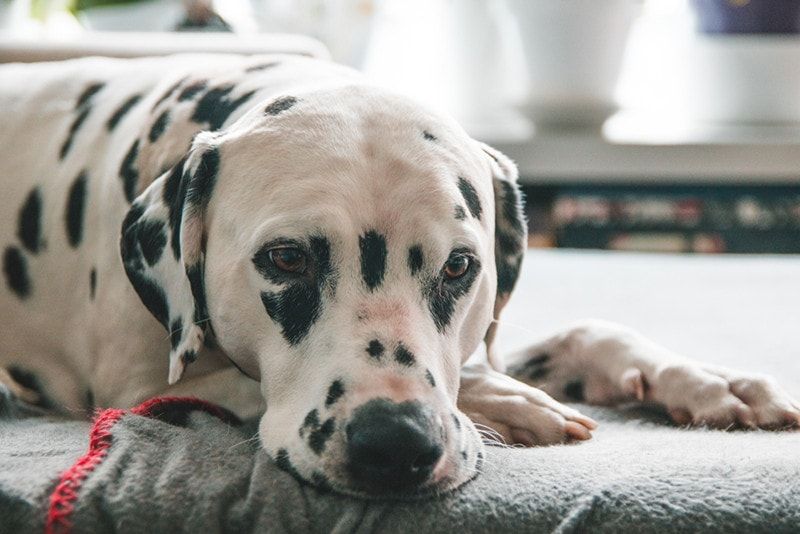
When your dog has fleas, it is a complete nuisance for both it and you. These tiny things cause immense discomfort and itchiness (sometimes for you as well as your pup!) and can quickly get out of control and infest your home from top to bottom. But as annoying as fleas can be, there’s not much they do to your pet other than make it scratch like crazy, right?
Wrong! A good majority of the time, fleas will only be itchy and frustrating for your household, but they can actually also harm your dog. In fact, for some pups, flea infestations may lead to developing anemia. How do they do that, and how will you know if it is happened to your favorite canine? Keep reading to find out!

What Is Flea Anemia in Canines?
You’re probably familiar with anemia, as it is an issue that affects people, not just animals. Anemia happens when a canine’s body does not have enough red blood cells. These cells carry oxygen to the muscles and tissue, so they're essential. But how do fleas relate?
Well, fleas suck blood. So, if your dog gets covered in fleas that aren't being treated, that's a lot of blood being lost. Too many fleas can rapidly decrease a dog's blood supply and red blood cells.
The result? Your pet gets weaker and more fatigued until, eventually, it can no longer stand. Flea anemia can be fatal, particularly in puppies, as they have tiny bodies with less blood volume and don’t have fully developed immune systems, so you want to avoid it at all costs!

Signs of Flea Anemia in Dogs
How will you know if your dog is suffering from flea anemia?

How Is Flea Anemia Treated?
How flea anemia is treated depends on how bad the situation has gotten. In the worst-case scenario, your dog will require a blood transfusion. However, if the anemia is less dire, your vet may treat your pet with a combination of options, including:
- Medication
- Intravenous fluids
- Supplements
- Flea control
If you see any signs of flea anemia in your dog, you’ll want to get it to the vet immediately before things become worse. But treating the anemia won’t just happen at the vet; you’ll have to do serious cleaning of your home to get rid of all the fleas so the situation with your pup doesn’t repeat itself.

Flea Prevention and Treatments
The simplest and best way to avoid flea anemia from happening in the first place is to prevent fleas from getting on your pup (or controlling them if they already have them). There are several ways to prevent or treat fleas these days, both for your dog and your home.
You can:
As your vet will recommend, the best way to prevent fleas from hopping onto your dog is to use flea medication, whether topical or given via oral route. There are many of these available, so be sure to talk with your vet about which one is right for your pup!

Summing Up
Fleas aren’t just an annoyance; they can be downright deadly to your dog. When fleas overrun your pup, you run the risk of your pet becoming anemic (particularly if your pet is a puppy, older, or has an underlying medical issue). If your pup develops anemia because of fleas, you need to get it to the vet as soon as possible for treatment. Waiting too long to take care of the problem can be fatal! However, the best way to prevent flea anemia is to prevent fleas with flea medication (or by treating them the moment you notice they are there).
Sources
Featured Image Credit: Alexander Hagseth, Shutterstock
Expert dog care, straight to your inbox
News, insights, expert advice, and everything dog.

No spam — unsubscribe anytime.
By signing up, you agree to our Terms & Conditions and Privacy & Cookies Policy.
How useful was this post?
Click a star to rate. You can leave written feedback afterwards. (We read all feedback.)
Misty Layne lives out in the woods in small-town Alabama with her two Siamese - Serafina & Jasper. She also has an array of stray cats, raccoons, and opossums who like to call her front porch home. When she’s not writing about animals, you’ll find her writing poetry, stories, and film reviews (the animals are, by far, her favorite writing topic, though!). In her free time, Misty enjoys chilling with her cats, playing piano, watching indie and foreign films, photographing abandoned places, and catching up on her never-ending TBR list.