Why Are My Dogs Paws So Rough: 5 Vet-Verified Reasons & Protection Tips


In this article
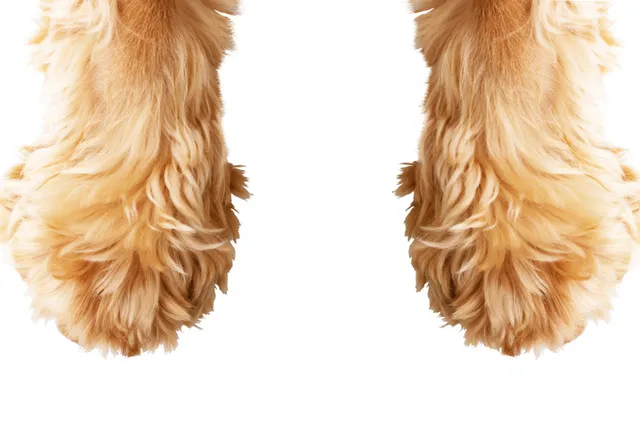
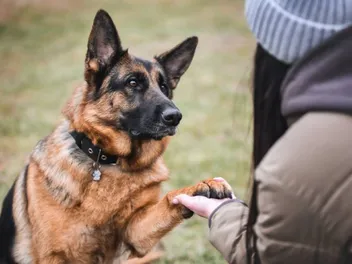
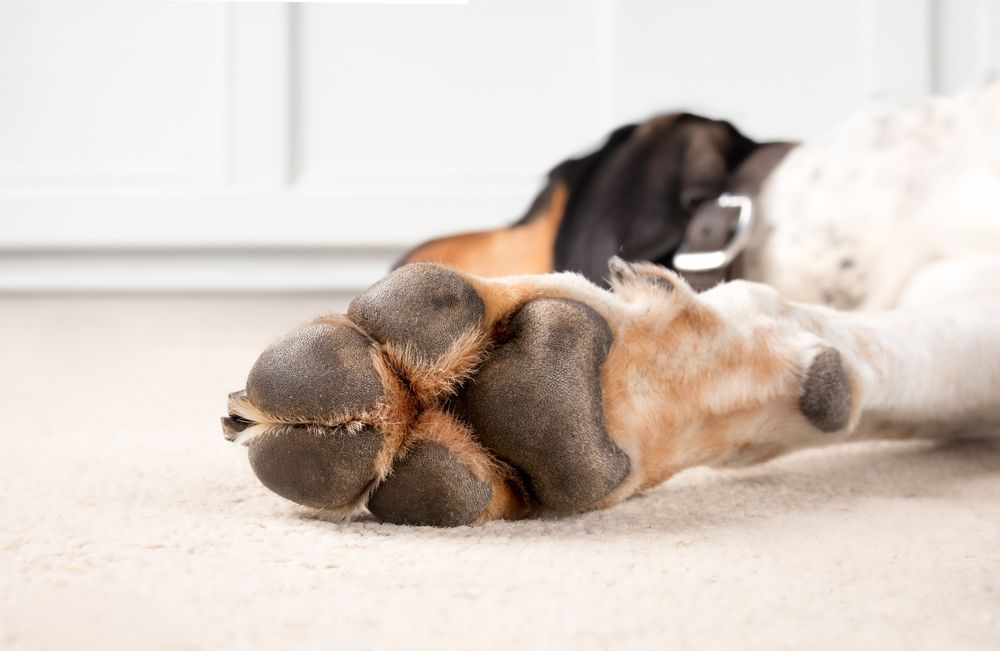
If you have been shaking your dog's paw recently, you might have noticed that their paw pads are a little bit rough. While sometimes this can be normal, other issues could be a cause for concern.
And sometimes, changes in paw pads might signal an ongoing or chronic underlying health concern. In this article, we're going to aim to discuss everything that can go wrong with paw pads and what we can do to protect our pups’ perfect tootsies.

The 5 Reasons a Dog’s Paws Might Be Rough
1. Cold Weather

You might not give much thought to your pup’s paw pads in cold weather. After all, they come fully equipped with a fur coat, and it might not seem like they need much help otherwise. But the paw pads are exposed to cold, snowy, or icy pavement, grass, sand, etc., and therefore susceptible to damage.
In extremely cold temperatures, it can cause the paw pads to dry out or become irritated, causing cracking or other uncomfortable irritation.
2. Hot Surfaces
Similar to cold weather, during the warmer months, hot surfaces can really do a number on your pup’s paw pads. If you're taking walks on sidewalks or pavement, these hot surfaces can damage the paw pads, even causing burns and blisters in the worst cases. This can lead to cracks, infections and roughness to the pads.
It is incredibly important to be mindful of temperatures. Even when it might not feel very hot to you, the pavement and concrete can really retain heat! We highly recommend walking your pup in the cooler hours of the morning and evening.
3. Rough Terrain

Have you been taking your dog on the road less traveled lately? If you've been doing a lot of hiking or you are walking on uneven or unusual surfaces, it can cause your pup’s paw pads to start to feel a little rough.
Think about walking barefoot. You eventually develop calluses on your feet that protect your feet from the elements. A dog’s paw pads will adapt to the environment they are walking on.
4. Hyperkeratosis
Hyperkeratosis occurs when the body produces too much keratin, which is the primary protein that makes up hair, nails and skin. In dogs hyperkeratosis typically affects the paw pads or the bridge of the nose.
It causes thickened areas of dry, rough skin on the paw pads which can become cracked and infected. Hyperkeratosis is more common in certain breeds of dogs including Labradors, Dogues de Bordeaux and Irish Terriers. It is also frequently seen in brachycephalic (short-nosed) dogs such as English Bulldogs due to poor conformation and abnormal weight bearing on the paw pads. This typically leads to rough, thickened areas of hyperkeratosis on the edges on the pads.
5. Health Issues

In some circumstances, dry paw pads might be a signal that there is an underlying health condition. Allergies and some other chronic conditions can affect the paw pads and skin in general.
If you’re concerned about your pet’s well-being, we recommend consulting a veterinarian.

How to Protect Your Dog’s Paws
If your pup’s paws are having problems, you might wonder how to make that better for them. After all, cracked paw pads are a doorway to infection—and your dog walks over so many different types of bacteria and other potential avenues for infection daily.
Here are a few suggestions that can help clear things up.
Use Doggy-Specific Balm
There are quite a few different brands on the market. These are essentially salves that put a protective layer on your dog’s paw to heal and nourish the rough skin. They can help to clear up existing dryness or protect from cracking, plus they can help abrasions heal.

Buy Paw Protectors
Protectors fit over top of their little feet, allowing the foot to stay completely protected when you’re out in the elements. If it is extremely cold or hot outside, you can put these pads on your dog to protect them when they go out to use the bathroom or to take their daily walks.
Keep in mind that not every product of that nature is built the same. Some people have a lot of issues keeping a booty on a dog, due to their foot structure and the fact that many dogs will try to remove it themselves.
Ensure Appropriate Hygiene
It is important to keep up with appropriate hygiene for your pup. This is especially important if your dog has a lot of fur in between their toes where dirt and debris can get trapped.
It can cause bacteria buildup and other issues, leading to cracked and dry paw pads. Always clean out all the creases and make sure that you’re keeping their paws neatly trimmed if they have longer fur.
If you are looking for the perfect product to clean your dog's sensitive areas, Hepper's Wash Wipes are our recommendation, plus it's a great on-the-go option. These premium wipes are thick and durable enough for the toughest of paw messes, while still being soft enough to use on your dog's ears or eyes. Formulated with pet-friendly, hypoallergenic ingredients they are the ideal product for all dogs of all ages, skin conditions, or sensitivities.

- Gentle Care For All Pets - Infused with moisturizing hypoallergenic ingredients & enriched with cucumber & aloe fragrance for healthier fur, coat & skin, the ultimate dog and cat cleaning wipes
- Deep Cleans From Head to Tail - Tackle the toughest dirt & messes with our extra strong pet wipes for dogs, cats and other pets while being gentle on sensitive areas like the face, ears, butt & paws
- Freshness On The Go - Each dog grooming wipes pack contains 30 counts of premium dog wipes that leaves your pets fresh. Packed in resealable packaging, keeping the cat wipes fresh & ready whenever
At Dogster, we’ve admired Hepper for many years and decided to take a controlling ownership interest so that we could benefit from the outstanding designs of this cool pet company!
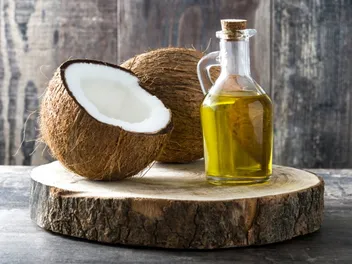
Try an Oil
You can apply coconut oil or olive oil occasionally to moisturize and protect the paw pads and deal with minor rough areas and cracks.

Conclusion
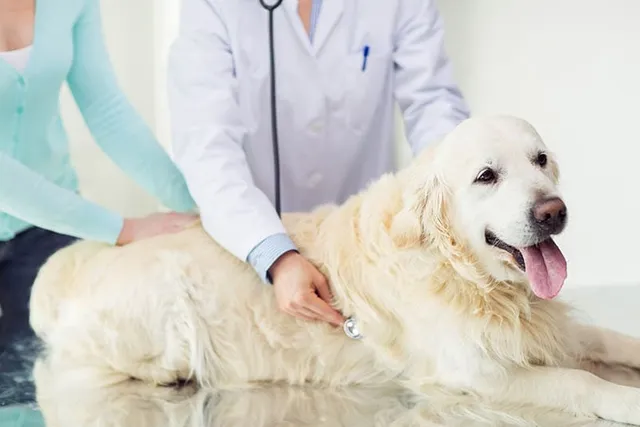
Dry paw pads are often an issue that can be managed or fixed from the comfort of your home. However, it is always best to cover your bases and check with your vet before making the call especially if they are sore or painful.
If your pup has any chronic condition that will cause recurring paw dryness, your vet might prescribe different medications or suggest over the counter treatments to protect the health and overall condition of your pup's sensitive little toe beans.
Sources
Featured Image Credit: sophiecat, Shutterstock
Expert dog care, straight to your inbox
News, insights, expert advice, and everything dog.

No spam — unsubscribe anytime.
By signing up, you agree to our Terms & Conditions and Privacy & Cookies Policy.
How useful was this post?
Click a star to rate. You can leave written feedback afterwards. (We read all feedback.)
Ashley Bates is a freelance dog writer and pet enthusiast who is currently studying the art of animal therapy. A mother to four human children— and 23 furry and feathery kids, too – Ashley volunteers at local shelters, advocates for animal well-being, and rescues every creature in need. Her mission is to create awareness, education, and entertainment about pets to prevent homelessness. Her specialties are dogs and cats.