Heart Disease in Dogs: Signs, Causes & Treatments (Vet Answer)

In this article
Heart disease is an umbrella term for any health condition that exists within the heart and/or associated blood vessels. While there are numerous different diseases included within this, there can be some common signs, causes, and treatments among them.
Because a little over 10% of all dogs seen by a veterinarian (and 60% of older dogs) have some type of heart disease, early detection is key, and understanding these concepts in more detail can help a dog owner assist their affected dog to live a longer and more comfortable life. So, let’s get to learning!

Heart Anatomy
The basics of heart anatomy are that there are four chambers of the heart, with two atria (a left and a right atrium) on top and two ventricles (a left and a right ventricle) on the bottom. In between the left atrium and ventricle is the mitral valve and between the right atrium and ventricle sits the tricuspid valve. The valves allow blood to be held at bay or ushered through to the next area in the circuit as the heart contracts and relaxes.
Various surrounding blood vessels, (veins and arteries) also help move blood. The aorta and the pulmonary artery also have valves to regulate blood flow direction. The electrical activity needed to cause the heart muscle to contract comes from 2 electrical nodes within the heart. In addition, the whole heart is surrounded by a pericardial sac which normally protects the heart, providing a small amount of fluid to lubricate and reduce friction while pumping.

What Is Heart Disease?
As mentioned, heart or cardiac disease is a large category of disorders or illnesses that involve the heart and/or surrounding vasculature. Heart disease is officially described as having “deviations from the normal structure, function, or electrical activity of the heart”.1 As the heart disease in question progresses, in some cases, the heart is not able to do as good of a job pumping blood and cannot meet the needs of the body. This is then defined as heart failure and has negative health consequences. Heart failure is not a specific disease but is the end result of various heart diseases. While heart disease can exist without heart failure, heart failure can only happen if heart disease has become very severe.
What Are the Signs of Heart Disease?
Despite the wide range of diseases included in the heart disease umbrella, the way that the body tries to compensate for these difficulties eventually becomes overwhelmed and dogs will show signs of either right or, more commonly left sided heart failure. These signs may come on slowly over time or sometimes all of a sudden.
Despite the variation, some common signs of heart disease to look out for include:

What Are the Causes of Heart Disease?
There are a couple of broad categories of the causes of heart disease.
Some examples of heart disease within this category include aortic stenosis or ventricular septal defect.
There are certain variations in normal heart structure or functions that can also lead the way to heart disease. Some examples include:
If you are concerned about the health and well-being of your pet, seek veterinary advice for the best course of action.

How Do I Care for a Dog with Heart Disease?
At the Veterinary Hospital
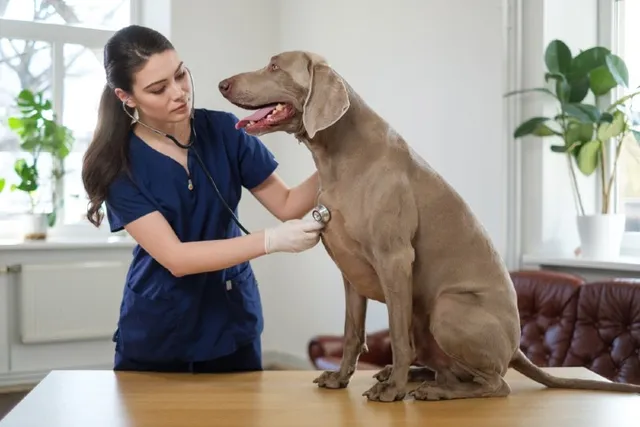
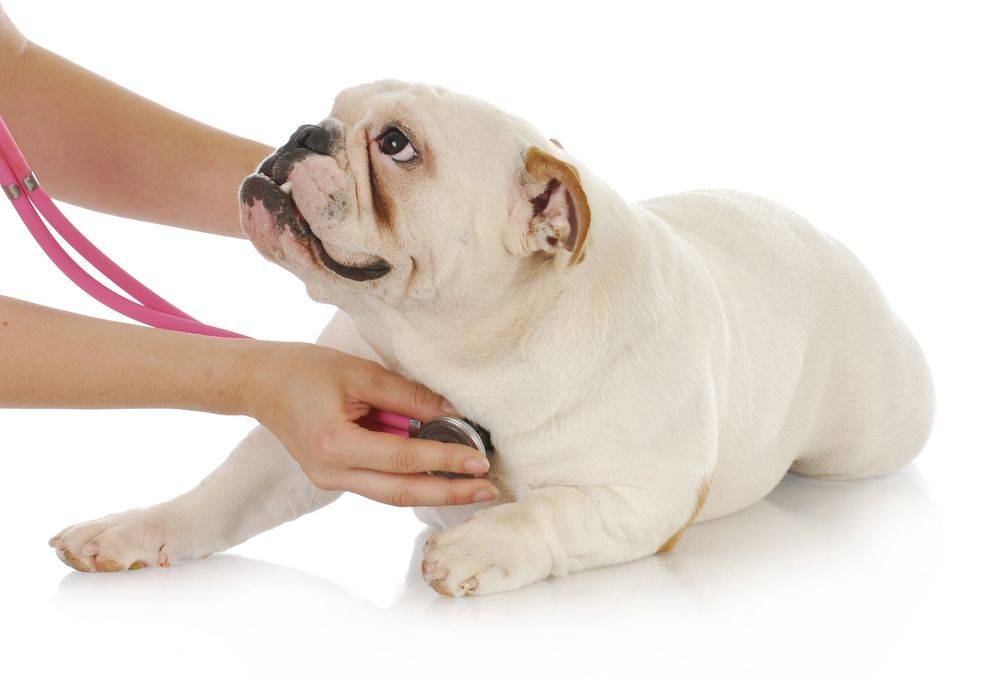
If you have any concerns about your dog’s health or have noticed any of the signs mentioned above then you should start with a check up at the veterinary clinic. Your veterinarian will take a detailed history and a full physical exam as first steps. This will include a detailed auscultation (listening with a stethoscope) of the heart and lungs. Veterinary cardiologists, veterinarians who specialize in working with and treating diseases of the heart, may be needed for consultation, or referred to for specialized testing or treatment in certain cases.
Should further testing of the heart be warranted, these may include:
Bloodwork:
- Complete blood cell count and blood chemistry panel can provide information on specific cells and overall internal organ function.
- A heartworm test checks for the presence of heartworm proteins.
- Specialized bloodwork to evaluate heart function with cardiac biomarkers such as BNP and cardiac troponin I.
An electrocardiogram (ECG or EKG) measures the electrical activity of the heart and can check for abnormal heart rates and rhythms. A Holter monitor is a portable ECG that a dog wears and records the heart’s electrical activity for a longer period, such as a few days.
Imaging of the heart:
- Chest radiographs (X-rays) of the heart and lungs can help provide information such as the overall size and shape of the heart as well as to look for fluid or potential masses.
- An ultrasound of the heart is called an echocardiogram (echo) and provides much more detailed information such as individual heart chamber size, wall thickness, and valve health, as well as providing real-time information such as the heart contracting as well as showing blood flow through the heart.
Blood pressure - this can be high (hypertension) or low (hypotension) in those with heart disease and can play into affecting how the heart works.

Treatment
The treatment for each type of heart disease will be specific for that disease which can vary widely. Some common forms may involve some or many of the following.
Medication groups such as:
- ACE (angiotensin-converting enzyme) inhibitors
- Inotropes
- Diuretics
- Beta-blockers
- Antiarrhythmic
- Blood pressure medication
- Some circumstances may need surgery or specific procedures to be performed. A few examples may include putting in a pacemaker or pericardiocentesis (draining excess pericardial fluid around the heart).
- Heartworm treatment protocol which includes an injection of melarsomine and cage rest.
Lifestyle changes:
- A diet change may be needed in some instances such as switching to more cardiac-friendly diets, adding in certain nutritional supplements, and watching a dog’s sodium intake as this can cause extra fluid retention.
- While some types of heart disease will cause a dog to lose weight, ideal weight maintenance is important to overall health and optimal heart functioning.
- Exercise regimens may need altering
Once a dog has been identified as having heart disease, many times your veterinarian will request for you to monitor certain parameters at home to help observe how well treatment is going. This could include routinely checking for the heart signs mentioned above, monitoring a dog’s resting respiration rate (amount of breaths/minute when they are relaxed) as well as the amount of effort required for them to breathe.
Frequently Asked Questions
What are the most common heart diseases in dogs?
The type of most common heart disease is actually dependent on a dog’s size. In smaller breed dogs it is mitral valve disease, which results in a leaky heart valve in between the left atrium and left ventricle. In larger breed dogs, dilated cardiomyopathy (DCM) is the most common. This disease is where there is heart muscle degeneration which results in decreased contractility and pumping failure.

What breeds of dogs are more at risk for having heart disease?
Some diseases of the heart can be more commonly seen in certain breeds, as listed below.
- Dachshunds
- Miniature and Toy Poodles
- Cavalier King Charles Spaniels
- Boxers
- Doberman Pinschers
- Golden Retrievers
How can I prevent my dog from getting heart disease?
Depending on the specific heart disease present, some may be more likely to be passed from an affected dog to their offspring; in these cases, affected individuals should not be used for breeding.
One example of a heart disease that can be prevented is heartworm disease. This malady can be prevented in most cases with regular testing coupled with strict, routine heartworm prevention. In addition, there have been cases of canine nutritional dilated cardiomyopathy, where it is thought that certain diet parameters have led to heart disease; therefore, feeding a well-balanced, high-quality diet without these suspect parameters may help prevent this problem.
With this being said, many types of heart disease can’t be prevented. What can be done in these cases to help the most is an early diagnosis with subsequent treatment followed by routine monitoring and check-ups.

Conclusion
Heart disease in dogs can encompass many different individual diseases that can be congenital or acquired. One of the key aspects of heart disease is early diagnosis so that intervention can allow for the best prognosis. Because of this, learning about the signs of heart disease and routine visits with your dog’s veterinarian will help your dog achieve the best quality of life possible.
Sources
Featured Image Credit: WilleeCole Photography, Shutterstock
Expert dog care, straight to your inbox
News, insights, expert advice, and everything dog.

No spam — unsubscribe anytime.
By signing up, you agree to our Terms & Conditions and Privacy & Cookies Policy.
How useful was this post?
Click a star to rate. You can leave written feedback afterwards. (We read all feedback.)
Dr. Rachel Ellison DVM (Veterinarian)
Dr. Rachel Ellison lives on a mountain in Utah with her husband, daughter, and son, as well as their animal menagerie— a Bernese Mountain Dog, a Bengal/Siamese mix, and an orange tabby cat, as well as numerous chickens. During her free time, she enjoys being with those she loves, cooking and baking, reading, hiking, sharing her knowledge about cats, and exploring nature and the world around her.