Cracked Dog Paws: Vet-Verified Causes, Treatments & Prevention


In this article
Healthy paws are an essential part of your dog's well-being as they bear their body weight and are critical for daily activities. Cracked paws can be extremely painful and may indicate other potential health issues. Read on to learn more about what causes cracked paws, what signs to look for, and how to treat them.

What Are Cracked Dog Paws?
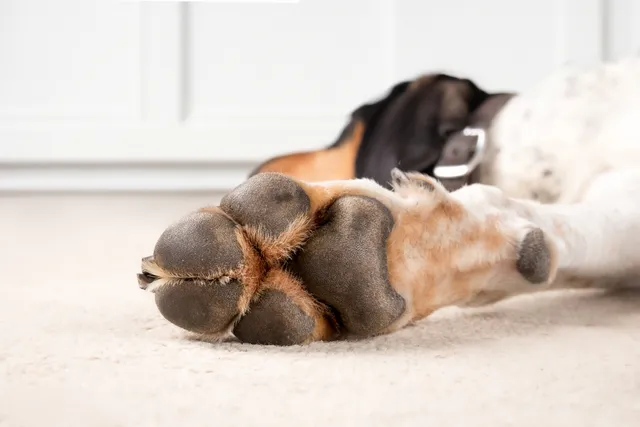
A dog's paw pads are designed to absorb shock and are built tough, but even so, they aren't immune to a few issues. Their pads make constant contact with the ground, and though they're capable of taking quite a beating, they will still sometimes crack.
Poor pad health is most often attributed to the surfaces your dog is exposed to, such as hot sidewalks in the summer or cold, ice-salt-covered roadways in the winter. However, there are numerous other potential causes for pad cracking, which we will explore further later in this article.
As you can imagine, cracked pads can be extremely painful for dogs. The deeper the crack, the more painful it will be. Untreated cracking can become infected, which can obviously exacerbate pain and put your pup at risk of developing serious side effects.

What Are the Signs of Cracked Dog Paws?
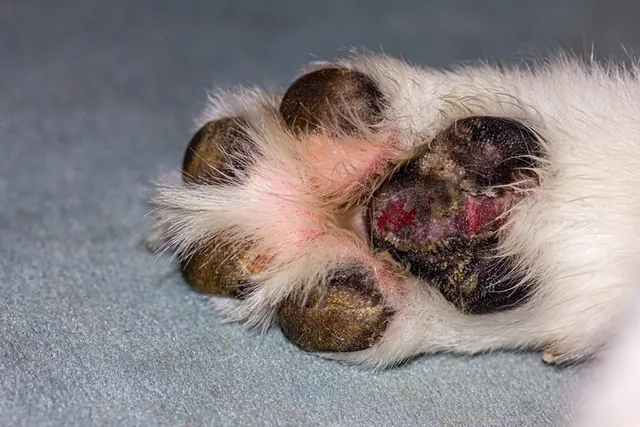
Aside from the obvious cracking in the pads, signs of cracked dog paws include:
- Tiny lines on paw pads
- Redness
- Swelling
- Protruding lesions
- Limping
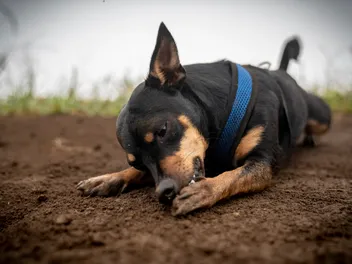
- Chewing the paw pads
- Licking the paw pads
- Rough, uneven paw pads
- Lethargy
- Isolation
- Avoiding certain types of surfaces (e.g., rough surfaces)
If you’re concerned about your pet’s well-being, we recommend you contact a veterinarian.

The 7 Common Causes of Cracked Dog Paws?
1. Pododermatitis
Canine pododermatitis is inflammation of the paw skin, but it could also infect other parts of the paw, like the pads and nails.1 Dogs with pododermatitis can have swollen paw pads, which will be very uncomfortable. The dog may lick their infected paw constantly in the hopes of easing the pain; however, the licking can lead to cracking.
2. Nutritional Imbalances

Cracked paws may also indicate a lack of specific nutrients in your dog's diet or problems with absorption. For example, zinc-responsive dermatosis can cause crusty and cracked footpads. This can be caused by a diet deficient in zinc, or some breeds, especially Huskies and Malamutes, may not absorb zinc properly from their diet. Supplements can address some nutritional imbalances, but it's always best to speak to a vet before adding any to your pet's diet.
3. Autoimmune Diseases
Like humans, dogs' immune systems are responsible for fighting foreign cells in their bodies. Pups with autoimmune diseases have immune cells that try to destroy their healthy cells. Some autoimmune conditions like pemphigus affect the skin and can cause crusting and cracking of the paws. Though many autoimmune conditions are not curable, they can be controlled with corticosteroids or other immunosuppressive medications.
4. Surface Irritants & Chemical Exposure
Ice salt is a huge irritant for dogs exploring outside during the winter. These salt products can cause drying and cracking of the paw pads, and they can even cause lacerations and bleeding from the rough salt crystals.
Other surface irritants include rocks, abrasive terrain, and floor cleaners.
5. Extreme Weather

Exposure to extremely hot pavement can cause blisters to form on the paw pads. Cold weather can cause dryness, which may make your pup's pads more susceptible to cracking.
6. Hormonal Imbalances
Certain endocrine disorders, such as Cushing's disease and hypothyroidism, can cause hormonal imbalances that may lead to chronic dryness, cracking, and skin irritation.
7. Liver Disease
Hepatocutaneous syndrome is an uncommon but serious disorder that affects the liver and the skin. It is most often seen in older dogs and can affect their paws. The paw pads become very thickened and crusty and cracked, along with non-healing lesions of erosions, ulcerations and blisters. The skin around the nose, eyes and lips is also commonly affected. Other signs include a loss of appetite, lethargy, weight loss and increased drinking and urination. A vet will need to run testing to rule out this liver disease, which can be caused by a myriad of factors, including long term diseases like diabetes, cancer and certain medications.
The 6 Tips for Treating Cracked Dog Paws
1. Check Paws Regularly
The key to good paw health is to make it a point to check your pup's paws regularly for foreign objects like thorns or pebbles. It's especially important to inspect their paws after you've spent some time outside.
2. Clean Paws Regularly
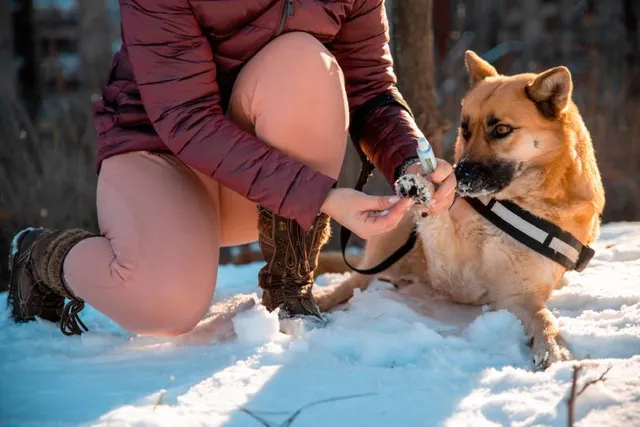
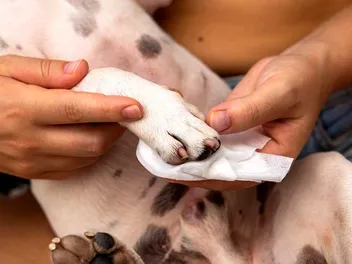
Wash your pup's paws as soon as they're done spending time outside. This is especially important during winter to ensure any de-icing products or salt has been removed. All you need is a towel and some warm water to gently massage any debris or ice balls that have stuck to your pup's paw pads or in their toe fur. Pat the pads dry when the debris has been removed.
If you are looking for the perfect product to clean your dog's sensitive areas, Hepper's Wash Wipes are our recommendation, plus it's a great on-the-go option. These premium wipes are thick and durable enough for the toughest of paw messes, while still being soft enough to use on your dog's ears or eyes. Formulated with pet-friendly, hypoallergenic ingredients they are the ideal product for all dogs of all ages, skin conditions, or sensitivities.

- Gentle Care For All Pets - Infused with moisturizing hypoallergenic ingredients & enriched with cucumber & aloe fragrance for healthier fur, coat & skin, the ultimate dog and cat cleaning wipes
- Deep Cleans From Head to Tail - Tackle the toughest dirt & messes with our extra strong pet wipes for dogs, cats and other pets while being gentle on sensitive areas like the face, ears, butt & paws
- Freshness On The Go - Each dog grooming wipes pack contains 30 counts of premium dog wipes that leaves your pets fresh. Packed in resealable packaging, keeping the cat wipes fresh & ready whenever
At Dogster, we’ve admired Hepper for many years and decided to take a controlling ownership interest so that we could benefit from the outstanding designs of this cool pet company!
3. Use a Balm
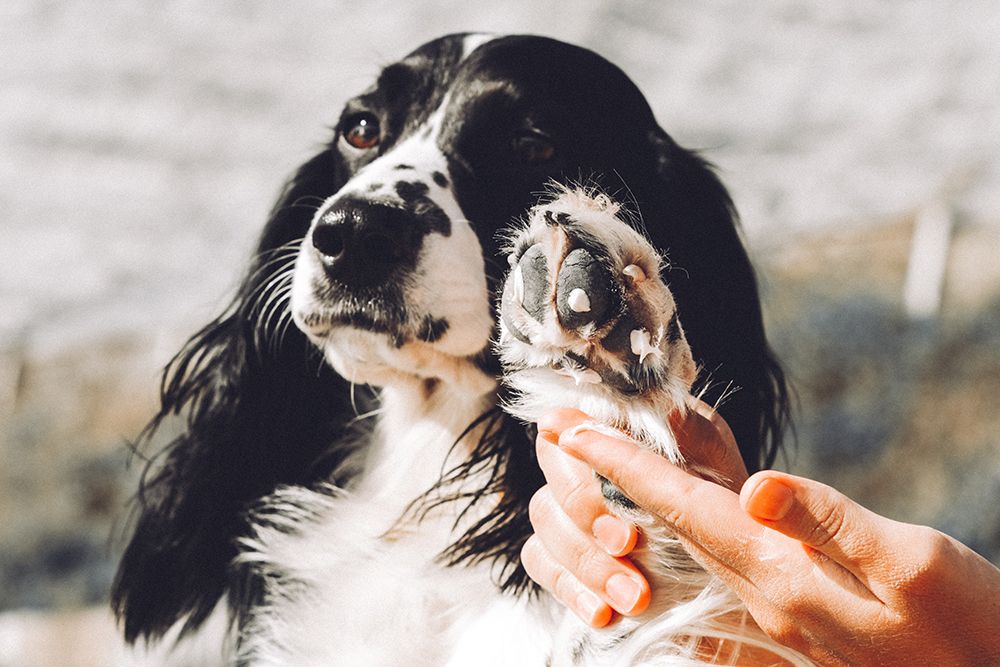
A dog-friendly balm can keep your pup's pads moisturized and free of cracks. There are quite a few for sale online but you can always ask a vet for recommendations as well. However, we still recommend using an Elizabethan collar so they don't lick the balm off straight away without allowing it time to work its magic.
4. Cover Your Pup's Feet

Use socks (or bandages under a vet’s direction) on your dog's cracked feet to allow them to move around your home without pain while the cracks are healing.
5. Take It Easy on Walks
To speed up the recovery time and protect your dog's cracked pads, limit how long your walks are, especially during periods of hot or cold weather. You may want to reconsider the walk altogether if the sidewalk is too hot or if you know there will be a lot of ice salt on walkways. Dog boots can also help protect the paws on walks.
6. Use Preventative Measures

Once your dog's paws have healed, you'll want to go into preventative mode to ensure they don't get cracked again in the future.
Use a paw wax or balm before heading out on your walks, especially in the winter when you know the chances of encountering ice salt are high. Remove the balm after your walk with a lukewarm washcloth, and add a second layer to soothe any irritation and prevent the pads from drying out.
Make sure you're keeping up on your dog's nail grooming. Nails shouldn't touch the ground when they're standing on a flat surface. Aim for once-monthly nail trims, but adjust according to how your pet's nails grow. You should also shorten the hair between your pup's paw pads to prevent ice balls from forming in the area.
Consider using booties for walks in the winter to protect sensitive paw pads from ice, snow, salt, and other de-icing chemicals your neighbors may be using.
Frequently Asked Questions (FAQ)
When should I take my dog to the vet for their cracked paws?
Don't let your pup's paw problems go untreated. At-home care isn't always the best solution, so it's best to get a veterinary team involved. Bring your pet in for an evaluation if you notice them licking or chewing the area, changes in their paw pad appearance, or if they're not using one or more of their paws. Cracked paws can cause your pet a lot of pain and may even lead to lameness and infection if left without proper treatment for too long. In some cases, cracked paws can be a sign of an underlying health issue, so the vet may need to run some tests to determine whether this is the case for your dog.
Can I use coconut oil on my dog's paw pads?
If you look at the ingredients in dog paw balm, coconut oil is often a top ingredient. This oil can help soothe chapped paw pads. If the vet gives you the green light to use it, keep a close eye on your pet after application to ensure they're not licking it off. While coconut oil can be ingested, it can cause gastrointestinal issues or even pancreatitis if your pet eats too much of it.

Are there any ingredients I should avoid when shopping for balms or waxes for my dog's paws?
Not all paw balms and waxes are created equal, and some can be downright dangerous. Make sure you read the label. Avoid ingredients such as essential oils and added fragrances, as they're unnecessary and potentially toxic. Never use a balm formulated for other animals on your dog—that includes balms made for humans, too!
Conclusion
Though your dog's paw pads are designed to be durable and strong, they can become dry and cracked for many reasons. If you notice your pup's pad health is waning, we recommend speaking to a vet and beginning safe at-home remedies as soon as possible. Cracked paws can be very painful, especially if the cracks are deep or if you don't make adjustments to your pup's walking routine to accommodate for healing. See also:
Sources
Featured Image Credit: Te9l, Shutterstock
Expert dog care, straight to your inbox
News, insights, expert advice, and everything dog.

No spam — unsubscribe anytime.
By signing up, you agree to our Terms & Conditions and Privacy & Cookies Policy.
How useful was this post?
Click a star to rate. You can leave written feedback afterwards. (We read all feedback.)
Chantelle is passionate about two things in her life – writing and animals. She grew up on the prairies of Canada surrounded by animals and as an adult, she choose to share her home with five cats, two guinea pigs, and a bearded dragon. Chantelle, her husband, and their child take great pride in being great animal parents- the ones who spend a thousand dollars on wall-mounted cat shelves so that their cats can have an indoor jungle gym all year round. When Chantelle isn’t snuggling her cats on the couch or taking pictures of them being funny, she’s outside exploring in the Rocky Mountains, binging the same shows on Netflix over and over, and reading about whatever random topic pops into her brain.