What Does Laser Treatment Do for Dogs? Vet Approved Facts & FAQs


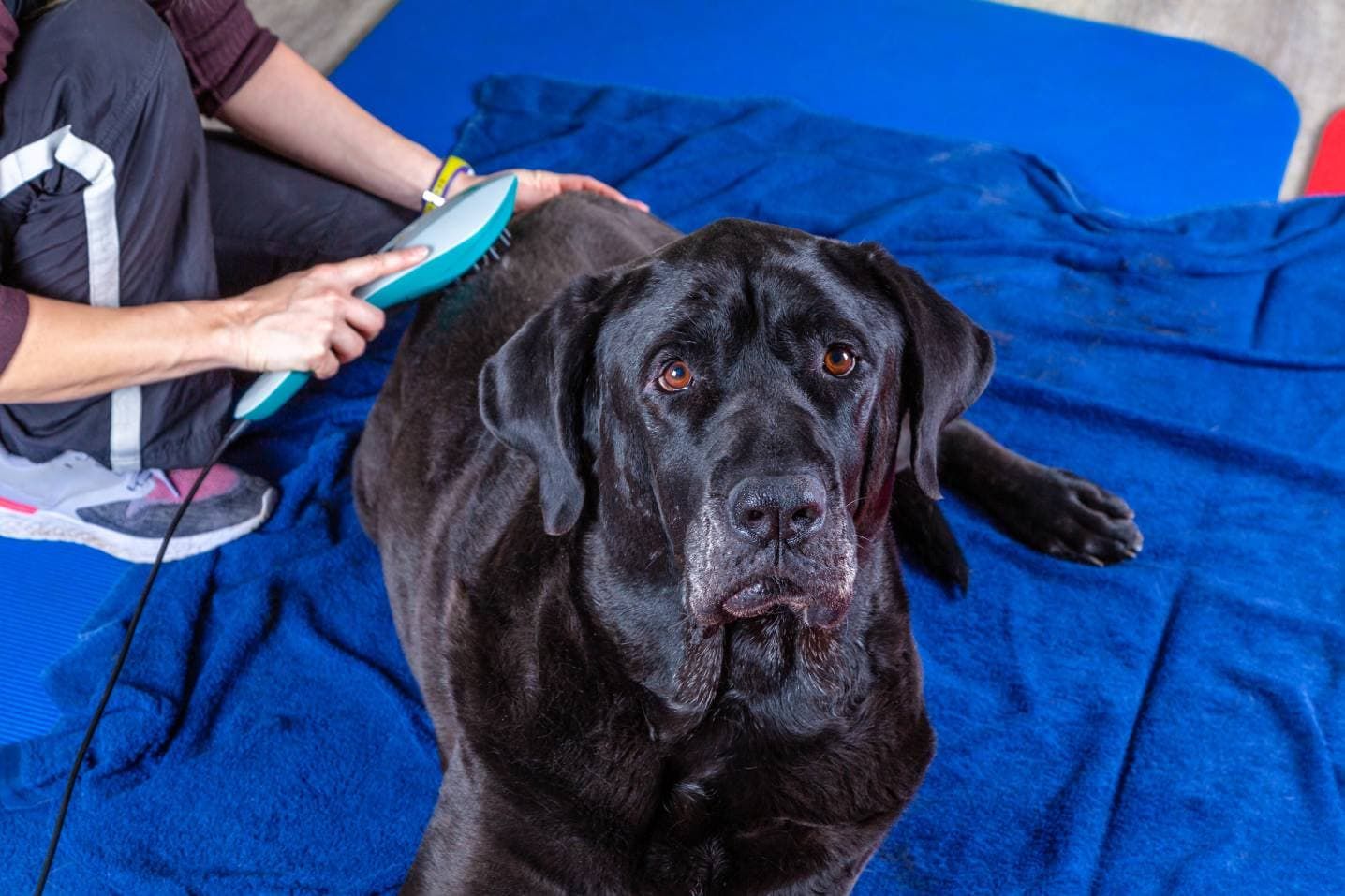
Laser therapy is one of the safest, most efficient, and low-cost treatments for a dog. It doesn’t cause any pain or make the patient uncomfortable. Laser therapy is a non-invasive procedure that reduces joint inflammation and helps the pet’s body heal faster. It’s a highly effective pain reliever, too, which is why laser therapy is often used after sterilization.
The skin, muscles, and tissues benefit from it as well, thanks to the laser’s therapeutic effect: it improves blood flow and aids in cell regeneration. How does it work, though? Are there any risks involved? What happens during a regular session, and how much will you have to pay for it? We have the answers right here!

Veterinary Laser Therapy: How Does It Work?
Some clinics call it LLLT (low-level laser therapy); others refer to it as red-light therapy. Photobiomodulation is another word that’s often used to describe this treatment. For dogs, it’s a relatively new yet very popular laser-based technology that treats a wide range of conditions and helps with healing. Cold light energy used at set frequencies: that’s what lies at the heart of laser therapy.
It’s a concentrated beam of photon radiation that directly affects the cells. While there’s no telling exactly how this works, medics and scientists believe that the laser gives the cells a command, a mighty “kick” to start healing processes. It stimulates physiological changes in the body (or, rather, the cells), thus reducing inflammation, relieving pain, and helping the pet handle severe conditions with ease.

How Does This Treatment Help Dogs?
Laser therapy for dogs has several benefits. Mainly, it’s used to treat joint pain, swelling, arthritis (osteoarthritis), and IVDD (intervertebral disc disease). The best thing about laser therapy is that it can combat inflammation, soreness, and pain in a wide range of scenarios. It doesn’t cause the pet any inconvenience, nor does it hurt.
Ear infections, skin conditions, infections, and muscle tension—laser therapy treats all that as well. By stimulating proper blood flow, increasing cell regeneration, promoting accelerated tissue healing, and boosting the metabolism, low-level laser therapy helps the dog get back on its feet in no time.
And here’s a full list of conditions treated by LLLT:

Is It Safe? Are There Any Risks Involved?
For the most part, laser treatment is safe. However, there are certain instances where it will do more harm than good. For example, if your pet has a tumor, the laser will (potentially) stimulate growth. The same is true if the cancer cells have spread across the pet’s body: “attacking” these cells might lead to accelerated growth, which is NOT what we want.
This therapy is never used on pregnant dogs, either (the uterus, to be exact). This is important: quite a few hand-held therapeutic laser devices are available on the market. Their biggest appeal is that pet parents can treat their dogs at home. However, unless you’re an experienced veterinarian, you should let the pros handle the procedure.
When used incorrectly, laser treatment can lead to the following:
What’s the Recovery Time for This Treatment?
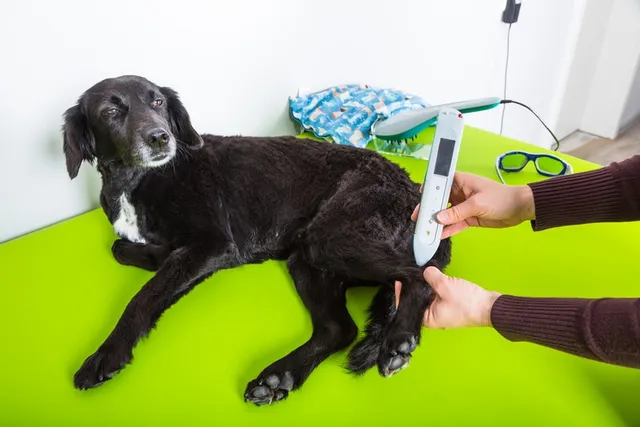
Laser therapy is the least stressful and most enjoyable treatment for a dog. It’s safe and takes literally zero days to recover from. In contrast to lasers used for surgery that penetrates the skin, cold laser therapy doesn’t make any cuts. Instead, the device simply “hovers” over the pet’s skin and treats it with a laser beam. And, while certain conditions require multiple treatments, most dogs feel better after the first visit.
If we’re talking about joint inflammation, a single laser therapy session can make the dog more active, faster, and happier. So, if your four-legged bud has low pain tolerance and you’re worried that the treatment might be a bit too much for him, relax: LLLT is a painless procedure. The vets will ask the dog to lie on a blanket or bed and then fire up the device. The only requirement is that all pets and humans have to wear eye goggles.

Is Laser Therapy Expensive? How Long Does It Take?
This depends on the number of sessions. For example, a single laser therapy treatment usually costs $20–40 but can be as expensive as $100. Most veterinarians start with 2–3 treatments per week. Once the therapy proves to be effective, they reduce the frequency. However, if the pet is in a lot of pain, the vet might recommend treating them daily for a week and then gradually lowering the number of visits.
The laser type and the nature of the disease also affect the final cost. Now, most veterinary clinics offer discounts, especially for dogs that have to be treated multiple times. The longer the therapy is going to last, the bigger the discount will be. But how long do these sessions take? Well, a class four laser (the most powerful one) can get the job done in 5–10 minutes. On average, sessions take 5–30 minutes.
How Do You Prepare the Dog for a Session?
You won’t have to do anything specific. Laser therapy is quick, painless, and doesn’t implement any strict requirements. There’s no need to trim the pet’s fur, change its diet, or do any exercises before visiting the animal doctor. As mentioned, this is a non-invasive procedure: the dog won’t have to be sedated and will be able to leave the clinic on their own feet (or paws).

Does Laser Therapy Go Well With Other Treatments?
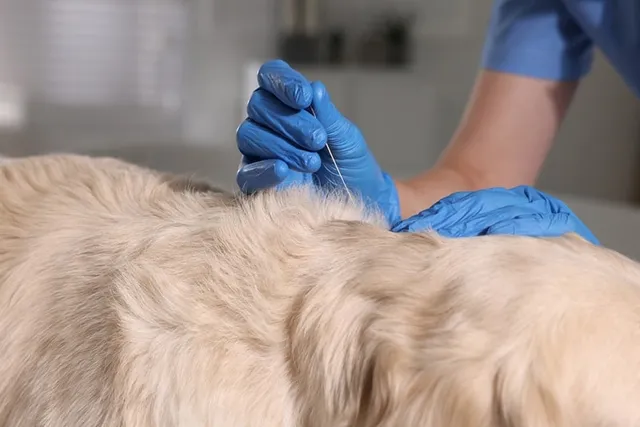
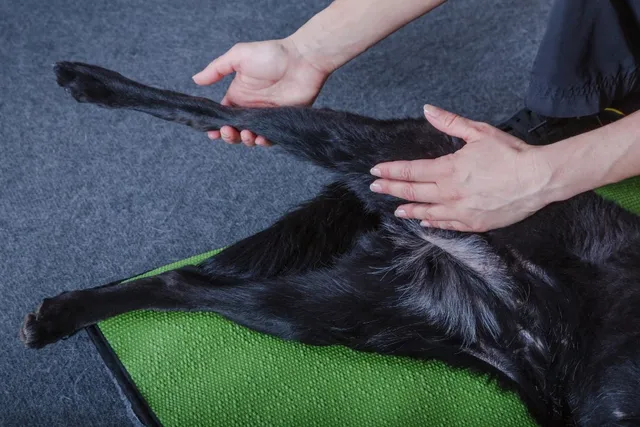
Yes, absolutely! The laser doesn’t leave a lasting effect on the pet and takes zero days to recover from. That’s why it can (and should) be used as part of a complex treatment program that also includes meds, supplements, acupuncture, chiropractic treatments, and massages. More than that, it’s often used in situations where NSAIDS and other drugs aren’t recommended.
For example, if the dog has a heart condition or a kidney disorder on top of joint pain, the laser will be 100% safe to use. So, yes, it does go well with other types of medical care. But, as always, before you go ahead and schedule an appointment, take a moment to talk it over with a veterinarian. They’ll be able to tell you about the best “combo treatments” for LLLT.

Keeping the Dog Healthy: A Quick Guide
Laser therapy does an amazing job of helping dogs with a swift recovery. That said, if you want to keep the number of injuries to a minimum, it’s important to look after the four-legged member of the family. Otherwise, even the best procedures won’t be able to keep them safe. Here’s a quick 101 on how to take care of your dog:
- Feed your dog well yet keep a healthy weight. Start by feeding the dog premium-quality food with a high nutritional value. It should include enough protein, fats, carbs, vitamins, and minerals to satisfy the pet’s nutritional needs. You should also reward them with treats but never allow the fur bud to become obese. Consult with a vet to come up with the right diet for your dog.
- Don’t let those muscles rust. Exercises are just as important as food! If the dog turns into a couch potato, he will be at risk of developing degenerative joint, tendon ligament, and muscle conditions. On top of that, he will gain extra weight. So, play with the dog or walk/run with it for 30–60 minutes per day to keep him fit.
- Groom your dog regularly and thoroughly. A bathed and brushed dog with clean teeth and ears is a sight for sore eyes. It will be much healthier, too, helping you avoid a costly veterinary visit. Oh, and don’t forget to trim the nails! How often should you groom the pet, though? It depends on the breed and its activity level. Most dogs only need to be bathed once a month.
- Annual veterinary exams are a must. Have the pup checked by a vet clinic at least once a year. This way, the docs will be able to catch various diseases and conditions at an early stage and achieve better results treating them. For example, if they detect signs of inflammation, laser therapy will make short work of it! Vaccinations and any needed anti-parasite treatments are a must as well.
Conclusion
Watching your dog suffer from swollen joints is horrible. Unfortunately, even if you keep up with vet checks, feed the pet the best food, and exercise with them daily, they can still fall victim to osteoarthritis or a similar disease. Thankfully, there are many non-invasive treatments that can alleviate the pain or make it go away for good.
Primarily, laser therapy helps dogs cope with various diseases and reduces joint inflammation. Plus, it strengthens the skin, heals wounds, and boosts the immune system. When applied by a professional veterinarian, laser treatment does, indeed, make wonders happen for our four-legged pets. So, if your dog is in pain, LLLT may be the way to go!
Sources
Featured Image Credit: Msgrafixx, Shutterstock
Expert dog care, straight to your inbox
News, insights, expert advice, and everything dog.

No spam — unsubscribe anytime.
By signing up, you agree to our Terms & Conditions and Privacy & Cookies Policy.
How useful was this post?
Click a star to rate. You can leave written feedback afterwards. (We read all feedback.)
Nicole has loved animals of all sizes her whole life so it's no wonder she has dedicated her career to helping them through what she loves best: learning, writing, and sharing knowledge with others. She’s the proud mom of two dogs, a cat, and a human. With a degree in Education and 15+ years of writing experience, Nicole wants to help pet parents and pets around the planet to live happy, safe, and healthy lives.