Blue-Green Algae & Dogs: Vet-Reviewed Toxicity Signs, Causes & Treatment


In this article
If you and your dog frequently spend time hiking or roaming rural areas, you may have encountered a pond that sports a brilliant green layer of scum on the surface. The ponds look unpleasant, and something more sinister could also be at play. Blue-green algae is an aquatic organism that can cause severe, often fatal, toxicity in dogs and other animals.
In this article, you will learn all about blue-green algae toxicity, including what causes it, the signs of the condition, and what you need to do to take care of your dog. We’ll also cover how to prevent your dog from being exposed to blue-green algae in the first place.

What Is Blue-Green Algae Toxicity?
Despite its name, blue-green algae isn’t an algae. Instead, they’re a type of bacteria called cyanobacteria. These organisms live in fresh, salty, or brackish water but cyanobacterial blooms are most common in warm, slow-moving, or stagnant water sources.
Cyanobacteria are photosynthetic and produce pigments in many colors, not just blue-green. Water sources that contain cyanobacteria can be green, blue-green, orange, red, pink, yellow, or brown. Blue-green algae are found throughout North America, and overgrowth, or “blooms,” are most common in warm, dry conditions.
There are over 2,000 species of cyanobacteria, and around 80 produce toxins that affect dogs and other animals. Harmless and toxic cyanobacteria can be present in the same body of water. Cyanobacteria toxins can affect a dog’s nervous system, liver, or skin, depending on what kind they are.
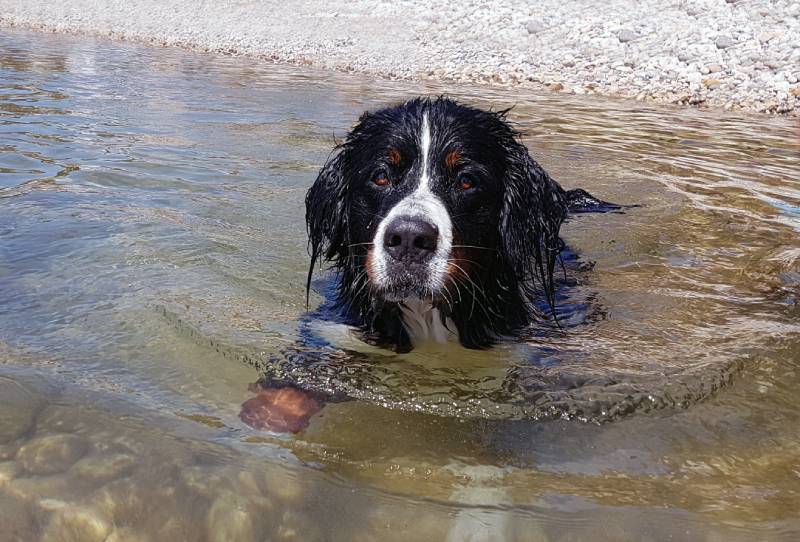
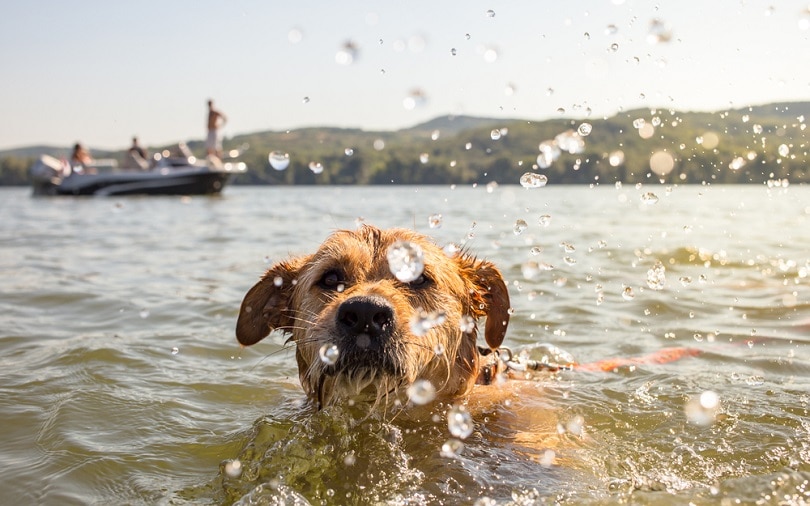
Dogs are typically exposed to the toxins by drinking contaminated water, swallowing water while swimming or licking cyanobacteria from their coat. Humans can be exposed in similar ways and through contact with their dog’s coat. Blue-green algae can grow in even a small amount of standing water, such as flower pots, water bowls, or bird baths.

What Are the Signs of Blue-Green Algae Toxicity?
The signs of blue-green algae toxicity vary depending on the type of cyanotoxin your dog was exposed to. Signs are non specific and can include the following:
- Skin redness
- Itching
- Blisters
- Drooling
- Vomiting
- Diarrhea
- Pale gums
- Collapse
- Weakness
- Tremors
- Stiff muscles
- Trouble breathing
- Seizures
- Paralysis
Signs of blue-green algae toxicity may develop in minutes to several hours following exposure. Unfortunately, sometimes the signs progress so fast that sudden death occurs before any other evidence of exposure is noticed.

What Are the Causes of Blue-Green Algae Toxicity?
Specific toxins responsible for blue-green algae toxicity are:
- Hepatotoxins, including microcystin
- Neurotoxins, including anatoxins
- Dermatoxins, including Lyngbyatoxin
Hepatotoxins affect the dog’s liver and can cause it to fail mere hours after exposure. Because the liver impacts so many body functions, its failure can quickly be catastrophic to the dog. Toxins can build up in the blood, causing neurologic signs and jaundice.
The dog’s blood sugar can drop, and they’re at risk of bleeding because the liver is responsible for helping clot blood. Neurotoxins impact the dog’s nervous system and are responsible for most cases of sudden death from cyanobacteria toxicity.
They can affect the dog less than an hour after exposure. The dog can develop twitches, tremors, seizures, and paralysis. If the diaphragm is impacted, the dog may not be able to breathe, causing death from respiratory failure.
Dermatoxins generally don’t cause the same fatal poisoning as other cyanobacteria toxins. However, the blistering, itching, and redness can be painful to the dog and take as long as several weeks to go away.
If you’re concerned about your pet’s well-being, we recommend you contact a veterinarian.
How Do I Care for a Dog with Blue-Green Algae Toxicity?
Unfortunately, blue-green algae toxicity can strike so fast that the dog owner can often do nothing, especially if they don’t know their pet was exposed. If your dog has had access to water that might contain blue-green algae, the best thing you can do is get them to the closest veterinarian straight away, hopefully before signs of toxicity occur.
Remember, humans can also be affected by cyanobacteria toxins, and it’s vital to protect yourself from exposure while you’re taking care of your dog. There’s no specific test or antidote for blue-green algae toxicity. Your vet will rely on you to let them know if your dog could have been exposed, as well as if they could have ingested other toxins that cause similar signs.
If caught early enough, your vet may try to prevent as much of the toxin from absorbing as possible by decontamination and giving your dog activated charcoal by mouth if possible. Whether this is practical will also depend on the condition of the dog. Other than that, the only treatment for blue-green algae toxicity is supportive care. Dogs exposed to dermatoxins may need baths, pain medication, and skin medications to soothe their signs.
Your vet can perform lab tests to determine if your dog’s liver function or ability to clot blood has already been impacted. They may give medications to treat digestive symptoms like vomiting and diarrhea and provide IV fluids. If your dog suffers from neurologic signs, they may need muscle relaxant or anti-seizure medication.
Unfortunately, even with intensive supportive care, dogs suffering from severe blue-green algae toxicity may not survive. Some dogs never even make it to the hospital in time for treatment. Those who do still have a poor prognosis.
The best thing you can do to care for a dog with blue-green algae toxicity is to ensure they’re never exposed to cyanobacteria in the first place. We’ll discuss this further in the next section.
Frequently Asked Questions (FAQ)
How Do I Keep My Dog from Getting Blue-Green Algae Toxicity?
Keep your dog away from any standing water on your property, including flowerpots, bird baths, puddles, or koi ponds. If you live in a rural area, make sure any ponds on your property are safely fenced in to keep dogs, livestock, and wildlife away from them. Don’t let your dog roam free where they could encounter water containing blue-green algae.
While hiking, keep your dog leashed and carry your own water. Don’t let your dog swim in water sources you encounter, even if they don’t look like they have cyanobacteria. Local authorities often warn residents if conditions are right for heavy cyanobacteria blooms, and you can examine posts on municipal websites for warnings before you head out for your hike.

Is There Any Way to Tell the Difference Between Toxic and Non-Toxic Cyanobacteria?
As we mentioned earlier, only a small percentage of cyanobacteria species produce dangerous toxins. Unfortunately, toxic and non-toxic species can co-exist in the same water sources. Without a special water testing kit, there’s no way to tell if the water contains hazardous bacteria. Given the risks posed by toxic blue-green algae, it’s best to keep your dog away from any stagnant water source.
Conclusion
Blue-green algae toxicity is just one of the risks your dog may encounter while exploring outdoors, especially in rural areas. It’s also one of the most serious. Hopefully, the information in this article has shown you how dangerous blue-green algae can be to your dog if they consume it. You can follow our tips to keep your dog safe from cyanobacteria and enjoy the outdoors.
See also:
Featured Image Credit: Kirsty Cussens, Shutterstock
Expert dog care, straight to your inbox
Vet-reviewed advice, training tips, and the best of Dogster. Free, and you can unsubscribe anytime.
By signing up, you agree to our Terms & Conditions and Privacy & Cookies Policy.
Elizabeth Gray is a lifelong lover of all animals great and small. She got her first cat at 5 years old and at 14, she started working for her local veterinarian. Elizabeth spent more than 20 years working as a veterinary nurse before stepping away to become a stay-at-home parent to her daughter. Now, she is excited to share her hard-earned knowledge (literally--she has scars) with the readers. Elizabeth lives in Iowa with her family, including her two furry kids, Linnard, a husky mix and Algernon, the worldʻs most patient cat. When not writing, she enjoys reading, watching all sports but especially soccer, and spending time outdoors with her family.
Join the conversation
Ask a question, share your story, or send private feedback.