Can Dogs Get Swimmer's Itch? Vet-Approved Signs, Care & FAQ


In this article
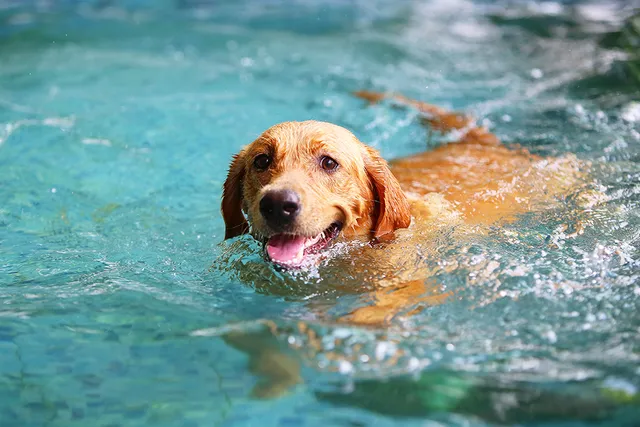
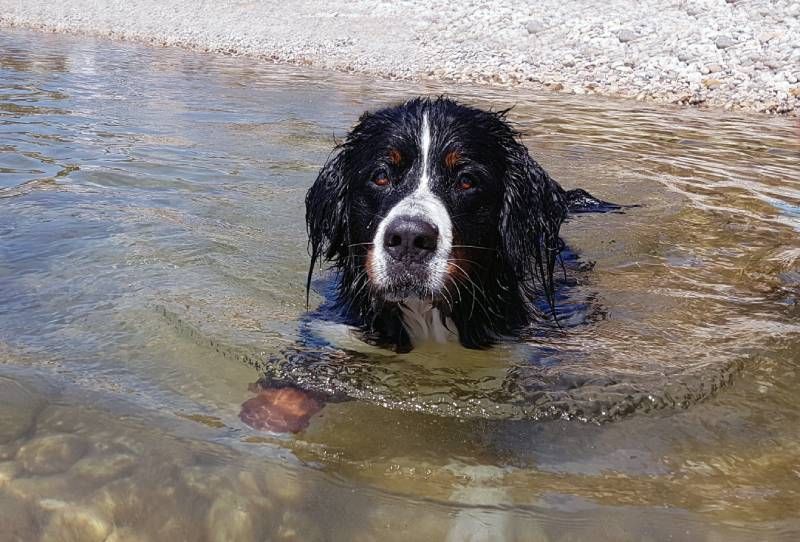
Both people and pets enjoy swimming as a fun summertime activity, but are there any negative repercussions to be aware of? Swimmer's itch in people is frequently brought on by a reaction to microscopic parasites in the water. But can dogs get swimmer's itch?
Although uncommon, dogs can get swimmer's itch and one of these parasites can unfortunately cause more serious problems for dogs.
Before we go further, it's important to point out that there are other much more common causes of a rash and itchiness after swimming in dogs including irritation to salt or sand in their coat and bacterial or yeast skin infections.
This article will discuss swimmer’s itch and how to avoid it.

What Causes Swimmer’s Itch in Dogs?
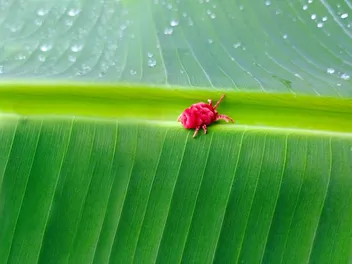
Swimmers itch is caused by the larval stage of a group of microscopic flatworm parasites in the Schistosoma family. Humans are not suitable hosts so although the larvae penetrate into the skin and cause an allergic reaction and a rash, they then die and cannot develop further.
Heterobilharzia americana, can cause more serious problems for dogs, even though racoons are the natural host. The free swimming stage of this parasite leaves water snails and penetrates the skin of the dog. Unfortunately in dogs ( as well as racoons) it can then travel through the body, to the lungs before passing through veins that lead to the abdominal organs. The larvae develop into flatworms and lay eggs in these organs. Once inside the intestinal wall, the eggs finally exit through the excrement. Some eggs are still present and end up in other organs, particularly the liver, where they typically cause more severe symptoms. No other canine may contract the parasite from an affected dog—only exposure to water containing the larvae causes transmission.
Schistosomiasis in dogs has been mainly diagnosed in the Gulf coast of the United States but more recently also as far as Kansas and Utah.

Swimmer's Itch Symptoms In Dogs
Dogs may get a rash but it may not be as commonly seen due to their coat. A study from referral hospitals in Texas between 2010 to 2019 showed that the most common clinical signs of infection with Heterobilharzia americana included diarrhea, vomiting, and weight loss.1 Any dog that comes into contact with potentially contaminated water is at risk, but young large breed dogs have been reported to have the greatest risk of exposure.
If you suspect your dog might be suffering from any of these symptoms, you should contact your vet.
How Do I Treat My Dog’s Swimmer’s Itch?
In order to rule out other medical conditions, your dog may need to undergo some testing. If your furry friend has been swimming in any bodies of water, let your veterinarian know when taking their medical history.
Swimmer's itch in dogs will usually be treated with deworming medication. Response to treatment can vary. Routine preventative deworming treatment to eliminate infections prior to the development of schistosomiasis has been suggested but has not been studied to know if it is effective.

How to Prevent Infection
Keeping your dog out of water is the best way to avoid swimmer's itch, notably in natural water areas like ponds, lakes, canals, and swamps. Avoid letting them swim or wade in areas with snails, reeds or in water that is cloudy, with algal blooms or scum. Have a towel available in case your pet decides to jump into the water while you are hiking close to it. Then give them a good wipe-down as soon as they come out. Shower them with fresh water first if possible. Because the larvae don't reach the skin until the water droplets dry up, doing this reduces the risk of contracting an infection.
Taking Care of Your Dog After Swimming
You can take a few steps to protect your dog's skin while swimming. If they swim frequently, you might want to massage a very light application of pet conditioner into their skin with your fingertips before going for a dip in the water. This can shield their coat and skin from damaging chemicals or salt.
Remember that dogs can also get sunburned, particularly thin-coated pups. Using moisturizing sunscreen is a wise method for achieving two goals at once. After swimming, properly rinse your dog off with clean, fresh water and towel dry them. This applies to all types of water, including lakes, oceans, and even swimming pools.
In Conclusion
An itchy dog after swimming is most likely to be due to other causes such as bacterial or yeast skin infections. However dogs infected with Heterobilharzia Americana, which also causes swimmer's itch in people, can develop much more severe signs than the uncomfortable rash it normally causes in people.
If it is known to be a problem in your area then avoid letting your dog swim, and ideally shower them with fresh water and towel dry them after swimming. If your dog has a rash or is unwell after swimming take them to your vet and let them know the areas you dog has been swimming in.
Do you have a dedicated swimmer? Swimming is a great sport you can do together and an excellent exercise for dogs. Just be cautious, mindful, and safe.
Sources
Featured Image Credit: Kenan Guven, Shutterstock
Expert dog care, straight to your inbox
Vet-reviewed advice, training tips, and the best of Dogster. Free, and you can unsubscribe anytime.
By signing up, you agree to our Terms & Conditions and Privacy & Cookies Policy.
Living in Vietnam, Hanh is a freelance writer with a deep affection for working online and creating content about animals, with a special focus on dogs. She finds joy in assisting pet parents globally by imparting her knowledge and insights from other experts. When she's not writing, Hanh enjoys traveling and exploring various cultures.
Join the conversation
Ask a question, share your story, or send private feedback.