Dogster is reader-supported. When you buy via links on our site, we may earn a commission at no cost to you. Learn more.

Dog Health & Care

Can Dogs Recover From Poisoning? Vet-Verified Signs & Treatments

Luxifa Le
By Luxifa Le · Reviewed & fact-checked by Dr. Lorna WhittemoreVet Approved
Dr. Lorna Whittemore
Reviewed & Fact-Checked byDr. Lorna WhittemoreMRCVS (Veterinarian)
Lorna is a veterinarian based in Cape Town, South Africa. originally from Scotland. Lorna loves to travel and has lived, studied, and worked on three different continents. Lorna has over two decades of experience in small animal medicine and surgery, both in the charity and private sector, plus a further qualification in feline medicine.View authorThe information is current and up-to-date in accordance with the latest veterinarian research. Learn more
Updated on June 29, 2026
Share
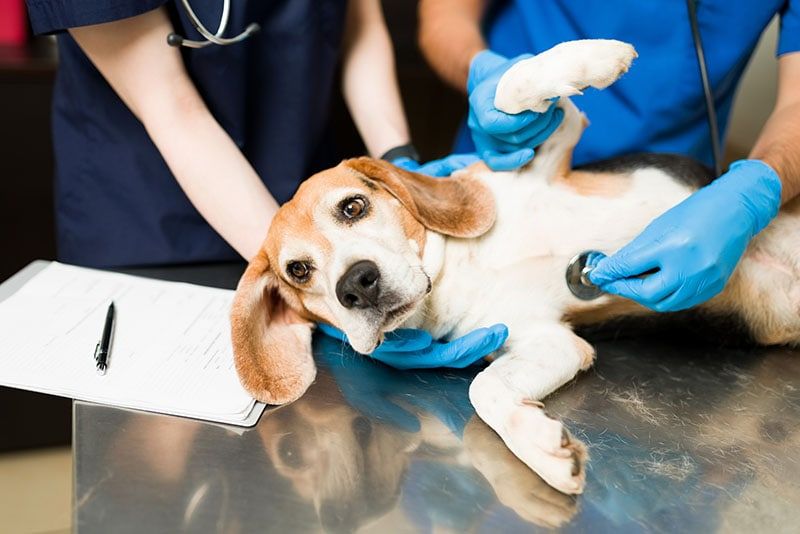
Cute and beautiful beagle dog lying on the exam table at the veterinarian. Two vets examining a sick and scared pet with a stethoscope

Finding out that your pet has been poisoned is one of the most frightening things to happen to a pet owner. Luckily, dogs promptly treated by a veterinary professional tend to recover from cases of poisoning. While death will be unavoidable in some cases of poisoning, many cases can be treated by medical professionals. But time is of the essence. Contact your veterinarian immediately if you suspect your dog has ingested something poisonous. Delaying treatment could be a life-or-death situation for your dog.

divider dog paws 2 oct 2024

What Are the Signs of Poisoning in Dogs?

The signs of toxicity vary based on what toxin was ingested. However, there is a cluster of signs that are more often associated with poisoning in dogs.

  • Vomiting
  • Diarrhea
  • Drooling
  • Seizures
  • Neurological disturbances
  • Loss of blood via bruising, bloody stools, nosebleeds, or anemia
  • Irregular heartbeat
  • Pale gums
  • Difficulty urinating
  • Balance issues
  • Skin rashes
  • Swollen tongue
  • Muscle rigidity
  • Tremors

If your dog displays any of these signs, get them medical attention immediately. These signs are not specific to poisoning and other illnesses can cause them, but it is still important to get your dog seen by a vet.

What Are the Treatments for Toxicity in Dogs?

The first step for any dog parent who believes their dog has been poisoned is to call their vet, out-of-hours clinic, or pet poison helpline. If necessary, your vet can help you administer first aid and direct you on your next steps to nursing your dog back to health. While you may consider inducing vomiting, it’s crucial that you only do so if a veterinarian recommends it.

Vomiting up a toxin can result in your dog’s health outcomes being negatively impacted in some cases. So, it’s crucial not to do so unless directed by a veterinarian.

If your veterinarian recommends that you induce vomiting they will advise you on what to do. It is more likely that they will recommend bringing your pet to them to induce vomiting.

You should also collect anything your dog vomits up (gross, we know, but do it!) and seal it in a plastic bag to bring to the vet. It may help to determine what your dog ate and treat the poisoning more effectively.

Have the following information prepared for your veterinarian to speed up diagnostics and treatment:

  • Breed
  • Sex
  • Age
  • Weight
  • Substance, your dog, ingested, if known
  • How your dog came in contact with the substance
  • How much of the substance your dog came in contact with
  • How long it’s been since your dog ingested the substance
  • Packaging of the substance where appropriate

For skin or eye contact, follow the instructions on the label for humans exposed to the product in a toxic way if your vet instructs you to do so. You may need to wash your dog’s skin or flush their eyes with a lot of water.

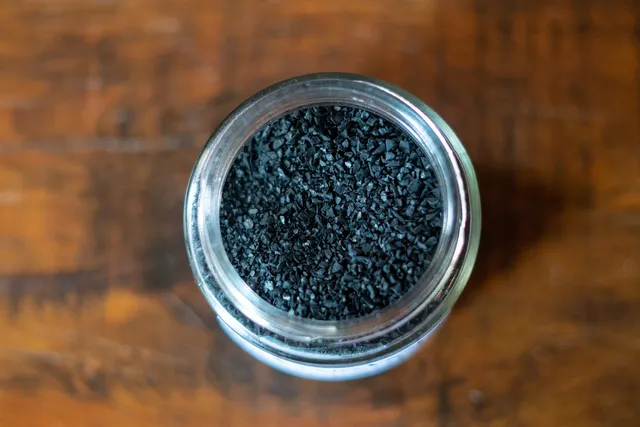
Image By: Yavdat, Shutterstock

What to Do After Your Dog Has Been Treated

Once your dog has been treated by a veterinary professional, they enter the long road to recovery. How long it takes your dog to recover from poisoning will be determined by what poison they came in contact with.

Skin rashes, bites, or stings can generally be cared for using topical treatments and veterinarian-approved medications such as antihistamines. However, ingested poison is harder to recover from as the poisoning may affect the liver and the kidneys.

Your vet will be best placed to give you a prognosis for your pet's poisoning and expected recovery times. Your dog may need regular follow-up appointments during this time.

divider dog paws 2 oct 2024

Final Thoughts

Poisoning is one of most pet parents’ nightmares but is thankfully not too common. Luckily, veterinary attention can often restore your pets' health. Once again, you must contact your veterinarian as soon as you realize your dog has ingested something they weren’t supposed to. Doing so will give your dog the best chance of a speedy recovery!

Related Reads:

Sources

Featured Image Credit: Beach Creatives, Shutterstock

Want content like this delivered to you?

Sign Up For Our Newsletter

News, insights, expert advice, and everything dog

* By submitting, you agree to our Terms & Conditions and Privacy & Cookies Policy.

Luxifa Le
Authored by

Luxifa Le

Can Dogs Recover From Eating Rat Poison? Vet-Verified Steps to Follow

Can Dogs Recover From Eating Rat Poison? Vet-Verified Steps to Follow

Rat poison, or rodenticide, is designed to kill rats. Unfortunately, it can have the same effect on household pets, especially as it is designed to taste appea…

Nicole Cosgrove
By Nicole Cosgrove · 1 week ago
My Dog Ate Rat Poison: Here’s What to Do (Vet Answer)

My Dog Ate Rat Poison: Here’s What to Do (Vet Answer)

If your dog happens to eat rat poison or you suspect that they did, see your veterinarian immediately. It’s helpful to have the packaging or at least to know t…

Dr. Chyrle Bonk
By Dr. Chyrle Bonk · 2 weeks ago
Activated Charcoal in Dogs: Vet-Explained Uses & Potential Side Effects

Activated Charcoal in Dogs: Vet-Explained Uses & Potential Side Effects

Toxin ingestion in dogs is a common reason for an emergency trip to the veterinarian, which no one wants! Activated charcoal is a typical treatment veterinaria…

Dr. Kelly DeBaene DVM MPH
By Dr. Kelly DeBaene DVM MPH · 1 week ago
Are Frogs Poisonous to Dogs? Vet-Reviewed Facts

Are Frogs Poisonous to Dogs? Vet-Reviewed Facts

Exploring the world around them is part of your dog’s nature, but their curiosity and prey drive can get them into trouble, especially regarding wildlife. We k…

Lindsey Lawson
By Lindsey Lawson · 2 weeks ago
June 17, 2026

Lead Poisoning in Dogs: Causes & Symptoms Explained

Lead poisoning, also known as plumbism, is a severe condition that may occur when your dog comes into contact with a substance containing lead. Though modern s…

Chantelle Fowler
By Chantelle Fowler
Lead Poisoning in Dogs: Causes & Symptoms Explained
June 29, 2026

I Think My Neighbor Poisoned My Dog, What Can I Do? Vet-Approved Advice

Discovering that your pet is the victim of poisoning is a terrifying and heart-wrenching situation, especially if you believe that your neighbor is to blame. M…

Ed Malaker
By Ed Malaker
I Think My Neighbor Poisoned My Dog, What Can I Do? Vet-Approved Advice
June 29, 2026

Shampoo Poisoning in Dogs: Vet-Reviewed Health Concerns

Shampoos can contain many ingredients, and certain ones can be dangerous and even lead to poisoning if consumed. If you have seen or suspect that your dog has…

Ed Malaker
By Ed Malaker
Shampoo Poisoning in Dogs: Vet-Reviewed Health Concerns
June 29, 2026

What to Do if My Dog Ate Chocolate: 3 Vet-Approved Steps to Follow

If you know or suspect your dog has eaten chocolate, stop reading now and contact your vet or the ASPCA Animal Poison Control Center at phone number 888-426-44…

Chris Dinesen Rogers
By Chris Dinesen Rogers
What to Do if My Dog Ate Chocolate: 3 Vet-Approved Steps to Follow
June 17, 2026

My Dog Licked a Toad: Vet-Verified Toxicity Signs & What to Do

Cats may be likelier to let their curiosity get them in precarious situations, but dogs are just as prone to getting into trouble. If your curious pup comes ac…

Elizabeth Gray
By Elizabeth Gray
My Dog Licked a Toad: Vet-Verified Toxicity Signs & What to Do
July 4, 2026

20 Common Household Items That Are Poisonous to Dogs (Vet Reviewed)

There are some items in your home you know your dog shouldn’t get into because they are toxic. However, you may not know how many everyday items are hazardous…

Misty Layne
By Misty Layne
20 Common Household Items That Are Poisonous to Dogs (Vet Reviewed)
June 29, 2026

My Dog Ate Tylenol (Acetaminophen): What Should I Do? Vet-Approved Advice

Tylenol, or acetaminophen (paracetamol), is toxic to dogs and can lead to various health issues. If your dog eats Tylenol, it's best to immediately speak with…

Visnja Radosavljevic
By Visnja Radosavljevic
My Dog Ate Tylenol (Acetaminophen): What Should I Do? Vet-Approved Advice
June 29, 2026

My Dog Ate Paint, What Should I Do? Vet-Verified Facts & Risks

If your dog has eaten paint, or if you suspect that they have eaten paint, it is important to take them to a veterinarian for treatment and a check-up right aw…

Sarah Psaradelis
By Sarah Psaradelis
My Dog Ate Paint, What Should I Do? Vet-Verified Facts & Risks

Love Dogs? So Do We! Join the Dogster Community

Stay informed with expert pet care insights delivered straight to your inbox! Discover professional guidance on animal behavior, feeding tips, trusted product picks, and much more.

You may opt-out at any time. View our Privacy Policy for more information.

The Dogster app on a phone