Bernese Mountain Dog Grooming: 15 Vet-Approved Tips


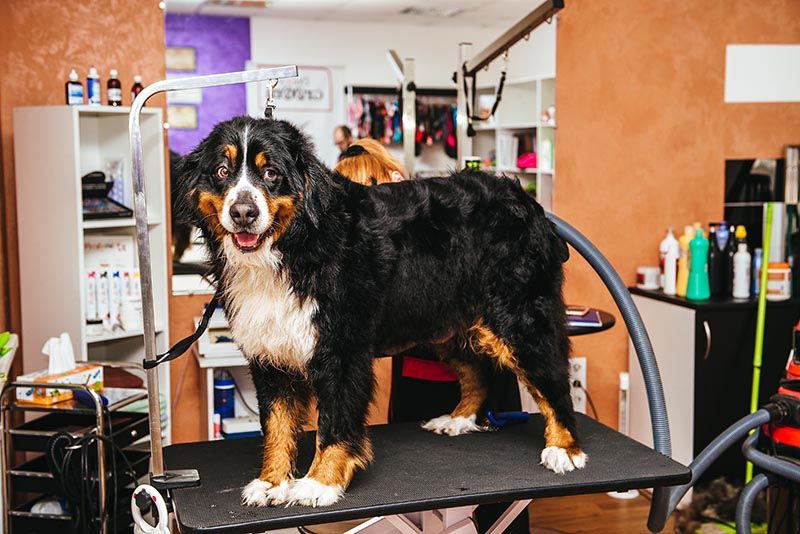
Proper hygiene habits are essential to caring for a happy, healthy dog. The average canine does not require as much grooming as a human, though some breeds may require more maintenance than others. Regardless, all dogs require certain grooming practices, such as brushing, ear cleaning, nail trimming, and teeth brushing.
The Bernese Mountain Dog has a thick double coat of long fur over a woolly undercoat. They're generally considered an even-tempered breed, so grooming is more likely to go smoothly. Still, the best way to ensure that a grooming session goes well is to be prepared. In this article, we have expert tips to help you groom your Bernese Mountain Dog.

The 15 Tips on Bernese Mountain Dog Grooming
1. Gather the Right Tools
Before you begin grooming your Bernese Mountain Dog, you will need to make sure you have the right tools. Using the right brushes ensures that your dog’s coat is detangled and well-brushed. For the Bernese Mountain Dog, you will want a sturdy pin and bristle brush, a slicker, a comb, and blunt-ended shears.
To clean the ears and eyes, you can use cotton pads. A canine ear-cleaning solution will also be useful. Nail clippers will be necessary to trim down their nails, and a canine toothpaste and toothbrush will also be helpful.
Of course, you can’t forget the treats! These will be vital to keep your Bernese Mountain Dog cooperative.
Our favorite grooming products come from Hepper's product line, offering natural, pet-friendly solutions meticulously designed to gently cleanse your dog's skin and coat without any risk of irritating or drying them out. We love their Shampoo Products, both of which free of things like dyes, soaps, sulfates, and phthalates. Your pet will enjoy the soothing aloe vera and oatmeal, and you'll love the clean, fresh scents! Hepper's Wash Wipes is our recommendation for cleaning up on-the-go. These premium pet-friendly wipes are thick and durable enough for the toughest of messes, while still being soft enough to use on your dog's coat, ears or eyes with hypoallergenic ingredients.
| Image | Product | Details | |
|---|---|---|---|

|
Hepper Oatmeal Pet Shampoo |
|
Check Price |

|
Hepper No-Rinse Pet Shampoo |
|
Check Price |

|
Hepper Wash Wipes |
|
Check Price |
At Dogster, we've admired Hepper for many years, and decided to take a controlling ownership interest so that we could benefit from the outstanding designs of this cool pet company!
2. Make the Experience Enjoyable
Some dogs love being groomed, while others are much warier about it. Regardless, you have the power to make the experience enjoyable for even the most hesitant pup. By finding a private, quiet location in your home, your dog will not be agitated by surrounding distractions.
Likewise, exercise your dog before grooming them, and wait until their excitement decreases. Grooming a low-energy dog is easier than grooming a high-energy one, so if you can burn off some of that energy prior to grooming, the process will be much easier for you.
Watch your dog during the grooming process to monitor their reactions. If they appear agitated or distressed, talk to them and soothe them.
3. Search for Tangles
Carefully run through your Bernese Mountain Dog’s coat with a wide-toothed comb to find tangles. The comb can gently loosen the tangles, especially if you brush the coat in small sections and layers. While searching for tangles, be sure to run through every part of the coat, even all the way down to the undercoat.
Since the Bernese Mountain Dog has such a thick, long outer coat, separating it into small sections and layers is a good idea. This method will ensure that you comb through the underlayer of your dog’s double coat to prevent sneakier tangles.

4. Work Through Tangles
After you find the tangles, you can begin to work through them. If the comb is not enough to untangle some of them, you can progress to using your brush. If the tangle is particularly tough, you may need to use shears or a splitting tool to try to work through it. Regardless of your tool, always be gentle and take extra measures to protect your dog’s skin.
Brushing should be done regularly for long-haired dogs like the Bernese Mountain Dog. Grooming your dog’s coat at least a couple of times per week is a good way to prevent serious tangles.
5. Be Aware of Difficult Spots
When it comes to brushing, your Bernese Mountain Dog will have tough spots to work through. These may have fine or extremely thick fur, or they may just be hard to reach.
These spots include:
If possible, try to end your brushing session on a pleasant note. This can more easily be achieved with several shorter sessions over the week rather than a long one. If your Bernese Mountain Dog loves to have their back brushed, then start and end by brushing that region. That way, your dog can walk away from the grooming session feeling happy, making them much more tolerant during the next grooming session.

6. Clean the Ears
While brushing your dog, take the time to check their ears. By inspecting the inside and outside of their ears, you can check for redness, swelling, or any foul odor that may indicate an infection. If you do spot any signs of an ear infection, do not attempt to treat it yourself. Instead, make an appointment with your veterinarian right away.
Assuming there are no indications of an ear infection, you can clean your dog’s ears. If you are sure the eardrum is not perforated, you can use a clean cotton pad dipped in a canine ear-cleaning solution to wipe the top portion of the ear and the inner flap. Do not probe deep into the ear.
7. Wipe the Eyes
Dampen a fresh cotton pad with clean water, and use it to wipe around your dog’s eyes. While cleaning their eyes, inspect each of them for any redness, soreness, or signs of discharge. If you notice any of these signs, reach out to your vet right away.
Dogs with long hair can sometimes get stains around the eyes. The Bernese Mountain Dog is no exception. These stains can make the fur brittle and crusty, and keeping the area clean can help prevent this.

8. Observe Proper Dental Care
Dental care is vital to the health of any breed. Dental disease is incredibly common in dogs, and preventative methods are the best way to combat it. It may take time to train your dog to sit through a tooth brushing, but it is well worth it.
You can use a canine toothbrush and toothpaste to clean your dog’s teeth, or you can use a clean rag with canine toothpaste. Never use human toothpaste to clean your dog’s teeth. The ingredients in human toothpaste are not suited to your Bernese Mountain Dog, so stick to canine toothpaste.
9. Check the Nails and Feet
Bernese Mountain Dogs have strong and sturdy feet, so they do not require as frequent maintenance as some other breeds. However, your dog’s nails should still be trimmed once they’ve grown too long. Be careful and gentle while clipping your dog’s nails.
You will also want to inspect the pads of your Bernese Mountain Dog’s feet. Outdoor walks can cause rocks or twigs to poke through the skin, causing discomfort. You may also want to trim the fur around your dog’s paw pads to help keep dirt from tracking into the house or sticking between the paw pads.

10. Watch Out for External Parasites
While grooming your dog, keep an eye out for any pests. Brushing through your dog’s coat gives you the perfect opportunity to check them for ticks, fleas, and other external parasites. If it is tick season in your area, you should check your dog daily.
Signs of fleas include dark and white specks in the fur. Your dog may also have scabs or hot spots, and you may notice that they are licking or scratching more often than usual. Ticks can be felt when you run your hand over your dog’s skin. You can also see them protruding from your dog’s skin, most often around the paws, head, neck, or ears.
11. Brush More Often During the Shedding Season
Bernese Mountain Dogs have double coats, meaning they shed a lot. Your dog will shed even more during the shedding season, which is typically twice per year. While weekly brushings are adequate for the Bernese Mountain Dog under normal circumstances, you will want to brush your dog daily during shedding season.
You may want to consider using a de-shedding brush to help out during shedding season. The brush can help speed up the shedding process and get the excess fur taken care of. While using this brush, take extra care to be gentle so you do not accidentally scratch your dog.

12. Know When to Take a Break
The entire grooming process doesn’t have to happen all at once. If your Bernese Mountain Dog is growing antsy or restless, it may be a good time to take a break and try again later. Dogs don’t have the same attention span that humans do, so hoping your dog will sit still and be groomed for a prolonged period may be an expectation doomed from the start.
Taking breaks before your dog gets agitated can also keep them from becoming fearful of the grooming process. By staying attuned to your dog’s emotional state, you can respond properly and make the experience as easy as possible for both of you. Remember to reinforce calm behavior. This will go a long way to shift your dog's tolerance and perception about grooming.
13. Know When to Ask for Help
Bernese Mountain Dogs are massive dogs, so the grooming process can take a long time. If you are having a tough time convincing your dog to stay still, you may want to go to a professional groomer for help.
This is especially true if your Bernese Mountain Dog has extensive mats in their fur. If you are unable to detangle the enormous mats in their fur, you can take them to a professional so their fur can be gently and efficiently sorted back into its smooth, lustrous form.
There is no shame in asking for help. Professional groomers have extensive training and more specialized tools that can help make the process much easier, so don’t hesitate to reach out to your local groomer if you are in need of assistance.

14. Remain Patient
Grooming can be a long process when you have such a big dog, and if you have tangles to work through, the process can be challenging. If you feel yourself losing patience, take a break.
If you lose your temper with your dog or are rough with them, you could seriously injure them. If not used gently, combs, brushes, and clippers can scratch or cut your dog’s skin. Should this happen, you can lose your dog’s trust. That is why it is always important to keep your patience.
15. Give Lots of Rewards
During and after the grooming session, be sure to provide plenty of rewards for your dog! Pets, praise, and treats can go a long way to keeping your dog cooperative during the process.
After you have finished grooming your Bernese Mountain Dog, be sure to give them a treat. This ends the grooming session on a high note, making them happy and more likely to be a willing participant during the next grooming session.

Final Thoughts
Grooming your Bernese Mountain Dog doesn’t have to be a chore. If done well, the experience can be a great bonding opportunity. Proper grooming is about more than just your dog’s appearance; it is about maintaining their health, comfort, and trust in you. If at any time in the process, you feel overwhelmed by the task, do not be afraid to reach out to a professional groomer for help. In the end, the goal is to have a healthy and happy pup.
Related Reads:
Sources
Featured Image Credit: Helen Sushitskaya, Shutterstock
Expert dog care, straight to your inbox
News, insights, expert advice, and everything dog.

No spam — unsubscribe anytime.
By signing up, you agree to our Terms & Conditions and Privacy & Cookies Policy.
How useful was this post?
Click a star to rate. You can leave written feedback afterwards. (We read all feedback.)

Pets are Jordyn’s passion, especially cats. Whenever she has the opportunity, she loves to learn about animals and share her knowledge with everyone. She is devoted to her mischievous tabby cat named Jack and works hard to buy him his favorite toys and treats. Discovering new ways to better care for her pet is always on the top of her to-do list, and she is eager to help pet parents everywhere who have similar pursuits. In her free time, she loves to write, read, and take long walks. She has a creative spirit, which often helps her to come up with funny cat names.