DIY Dog Grooming: 12 Vet-Approved Tips


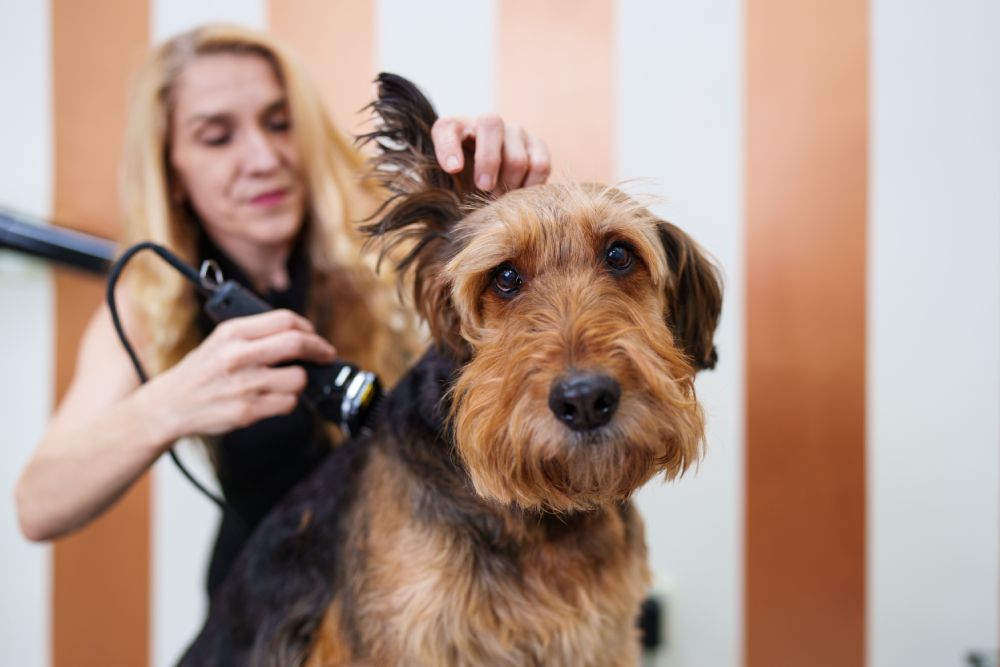
Even if your dog is a pampered pooch with its reserved seat in the doggy spa, you can benefit from regular grooming between spa sessions. Cleaning problem areas and trimming hair growth will keep your dog looking and smelling fresh and tidy. You can also cut or file your dog’s claws down as needed to keep on top of that job, and you should clean your dog’s teeth at least three times a week to help prevent dental disease and decay.
To help make the process smoother and ensure a positive experience for you and your dog, we have included 12 tips to help with the DIY dog grooming process.

The 12 Expert Tips for DIY Dog Grooming
1. Stay Calm

If you are feeling anxious, your dog will feel it too. And if they do pick up on your anxiety, they will wonder what is wrong and start to feel anxious about the whole experience. Grooming does not have to be difficult and you can start by desensitizing your pup to the tools and accessories you will be using during the process.
Get the scissors or trimmers out but don’t cut your dog’s claws. Get them used to being rubbed with a towel. Getting your dog used to even these small elements of the grooming process means there will be fewer steps when you need to do it for real.
2. Utilize Treats
Use treats as rewards for calm behavior and cooperation. If your dog gets in the bath or shower, give them a treat. When they sit to be washed, give them a treat. When they stand so you can wash their belly, give them a treat. It also helps if you and your dog have mastered basic training commands like sit, stand, and lie down.
Continue with the positive reinforcement training techniques throughout the grooming session.
3. Get Everything Ready Before You Start

Have all the supplies you're going to need ready before you turn the water on. Get the shampoo and conditioner you will be using and place it next to the bath. Get the towel ready on the rail, and have nail clippers, toothbrush, and toothpaste to hand.
You don’t want to have to disappear to find the conditioner, leaving your dog standing in the bath and hoping they don’t jump out and run away.
4. Brush First
Before you start washing your dog, brush them to get rid of mats and knots. When matted hair gets wet, it can make the problem much worse.
Plus, if your dog enjoys being brushed, which some dogs do, it will help relax them and get them in the right frame of mind for a grooming session. Brushing also enables you to identify any problem areas and spots that are going to prove more difficult.
5. Use Wipes to Hit Problem Areas
Wipes are a great way to hit problem areas. Areas that tend to be more difficult include around the eyes where tear stains form, around the feet where your dog may have stood in mud or muck, and on the belly.
Using wipes before you bathe your dog means you can get rid of some of the stubborn stains without having to try and wash and wipe too hard in the shower. Wipes tend to be more sympathetic than the shower.
Whether your dog needs a quick refresh or cleanup of a sensitive area, pet-safe wet wipes are a convenient and on-the-go option, since keeping your dog clean doesn't have to mean giving them a full bath. We like Hepper's Wash Wipes because they're specially formulated to be safe for dogs of all ages, sizes, and breeds. The hypoallergenic formula contains natural, moisturizing ingredients that effectively remove dirt without irritating your dog's skin.
At Dogster, we’ve admired Hepper for many years, and decided to take a controlling ownership interest so that we could benefit from the outstanding products of this cool pet company!
6. Teeth Brushing
Brushing your dog’s teeth should be a common ritual. You need to brush your dog’s teeth at least three times a week, and if you do this then you don’t really need to brush teeth when you’re grooming. You can use your grooming session as a timely reminder to keep up with good dental hygiene though.
You may be interested in: How to Clean Your Dog’s Teeth: 5 Vet-Approved Tips
7. Nail Trimming

Similarly, claws should also be trimmed regularly, although they won’t need daily or even weekly trimming. You should regularly inspect your dog’s nails and cut them as needed. You may need to do this more or less often depending on whether your dog runs on abrasive surfaces often, and even just how quickly the claws grow.
If your dog goes to a professional groomer, you can have them trim the claws, too, but it is a good idea to keep on top of this at home.
If you're uncertain about trimming your dog's nails or are uncomfortable doing so, consult a veterinarian for guidance. You can also check out this step-by-step vet-approved guide.
8. Apply Shampoo Gently
It is important to only use a dog-specific shampoo that won’t cause irritation and skin dryness. Once you have applied lukewarm water to your dog’s coat and ensured that they are wet, it is time to apply the shampoo distributing it evenly with your hands.
Pay special attention to any problem areas you identified during the brushing session. Some of these might still need extra work, even if you use wipes to help ease the problem. Do ensure the shampoo gets into the coat but don’t lather it up too aggressively.
If you are looking for the perfect, pet-friendly shampoo and conditioner combo, we highly recommend the products by Hepper. With a soothing oatmeal shampoo, free of soaps and other harsh chemicals, and a cucumber and aloe-scented conditioner, your pet's skin and coat will be smooth, hydrated, and irritation-free.
Comparison Table (block #764237)
At Dogster, we’ve admired Hepper for many years, and decided to take a controlling ownership interest so that we could benefit from the outstanding products of this cool pet company!
9. Avoid the Eyes

When applying shampoo, and even when running a shower over your dog, avoid the eyes. You can use a damp cloth to clean around the eyes, but even gentle shampoo will irritate if it gets in your dog’s eyes. If this happens, it will not only make the bath more difficult, but your dog will remember and may start to get anxious the next time it’s bathtime.
10. Rinse Thoroughly
Once you have shampooed the dog’s body and given a little extra attention to the difficult areas, it is time to rinse the shampoo out. Use warm water and aim it away from your dog’s face. Work down the body and use your hands to remove any suds and shampoo from the coat.
Don’t be too rough but do make sure you have got all of the shampoo out. If you’re using a conditioner, this is usually applied once the shampoo has been removed, but you need to follow the instructions on the bottle because different conditioners have different requirements.
11. Dry Thoroughly

More likely than not, once you stop the water your dog will shake it off and remove the excess. Get the towel ready and have your dog step out into the towel. You want to make sure your dog is thoroughly dried once they get out. Leaving the coat wet can irritate and it can make them more susceptible to yeast infections. Damp fur will also make your dog feel cold. If necessary, use a hairdryer in the cold air setting or consider allowing them out in the sun, just not the yard because they might go out straight to roll in the dirt!
12. Don’t Overdo It
If grooming is an alien experience to your dog, you should start with short sessions. You don’t have to get absolutely everything done in one grooming session.
If your dog dislikes everything from nail clipping to tooth brushing and washing, doing it all at once will cause more stress, and it'll make it more difficult to groom your dog in the future. It will also make the experience more stressful and difficult for you.
Keep in mind that overbathing a dog is not recommended but the frequency of baths depends on each individual’s coat, environment, and activities.
Conclusion
Grooming is an important part of canine maintenance. It not only keeps your dog looking and smelling fresh, but it leaves them feeling more comfortable and can help avoid some health issues.
Get the right tools and equipment, ensure you have it ready before you begin, and start by brushing your dog to identify any problem areas that will need extra attention. Always wash shampoo residue out thoroughly and ensure that you dry your dog completely after the bath or they could suffer skin irritation and other potential problems.
Sources
Featured Image Credit: DuxX, Shutterstock
Expert dog care, straight to your inbox
News, insights, expert advice, and everything dog.

No spam — unsubscribe anytime.
By signing up, you agree to our Terms & Conditions and Privacy & Cookies Policy.
How useful was this post?
Click a star to rate. You can leave written feedback afterwards. (We read all feedback.)

Matt is a freelance writer from the UK. He lives with his partner and daughter, as well as two cats and one dog. A data analyst by profession, Matt moved from numbers to words more than 15 years ago and has been writing ever since. Having volunteered at a local animal sanctuary, he has a lot of experience with dogs, cats, and horses. Matt has also kept bearded dragons, a variety of birds, fish, guinea pigs, hamsters, mice, and rats. His daughter has adopted the same passion for animals, keeping and breeding snakes. A geek at heart, Matt is a member of a local board gaming group and regularly forces his family to “enjoy” board games with him at home.