10 Cocker Spaniel Grooming Tips (With Pictures)



Cocker Spaniels are a beautiful, funny, sweet dog breed with some intensive grooming requirements. Cocker Spaniels require regular grooming to prevent matting and knots in their coat. They are also prone to ear, skin, and eye infections but good grooming can help keep these under control. Finally, they need thorough dental care to prevent dental calculus and periodontal disease.
These pups will need coat and teeth brushing every day, as well as a more thorough clean every week, and bathing and clipping at least every 8 weeks. Often, regular professional dog grooming is a good idea for a neat clipping job but you can learn to do this yourself if you prefer. Follow our comprehensive grooming guide to keep your floppy-eared friend looking and feeling their best!

The 10 Tips for Grooming Your Cocker Spaniel
1. Invest In the Right Tools

Before we discuss our Cocker Spaniel grooming tips, you should know which tools you must have at home to groom your dog. Here are some necessities:
2. Try Husbandary Training
Ideally, this starts with socializing your Cocker Spaniel puppy before 14 weeks of age. Exposing them to gentle handling and grooming in a positive way at this age will ensure they are well-adjusted adults.
Don’t worry if your older dog doesn’t like grooming. It will take a little more work, but with husbandry training, keeping your dog comfortable and calm during grooming will become easier.
Here are some ways to do it:
- Accustom Them to Your Hands: If you plan to groom your dog at home, you should get them used to your touch. Touch your pet in different areas of their body, especially the sensitive ones. If you start with a pup, this will be much easier. Look in their ears and mouth and hold their paws.
- Introduce Them to Tools: It’s best to introduce your Spaniel to the grooming tools slowly. Place the tool against their hair and let them sniff it. Over time, your dog will get familiar with these items. If they make noise, turn them on for a short time at first and proceed only once your dog is comfortable.
- Reward Them: Positive reinforcement always works. Reward your dog with treats and verbal praise when they behave during a grooming session.
3. Brush Your Dog

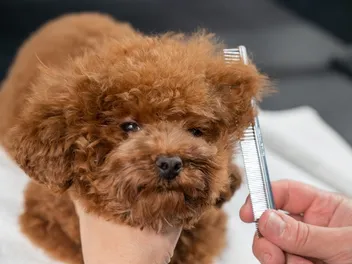
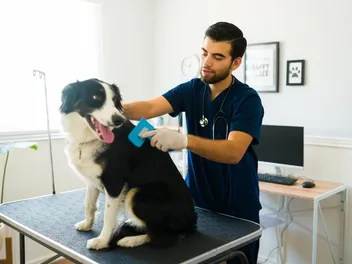
It might sound like a lot, but combing a Spaniel’s fur daily is the best way to keep the coat tangle-free and soft. Their skirt and feathers pick up dust, twigs, and dirt. Regular brushing will keep this hair debris-free.
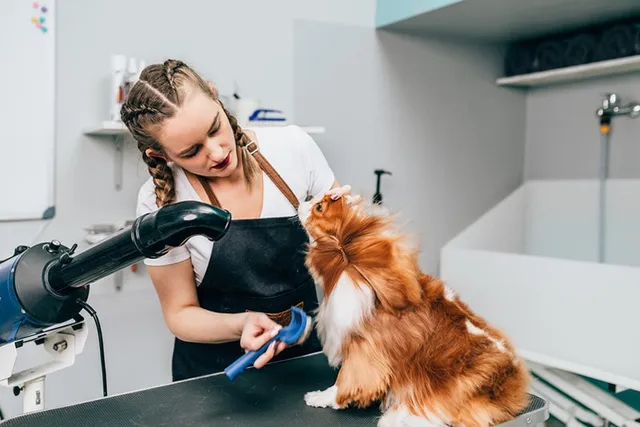
First, use the comb to remove tangles and debris, and then the slicker brush and de-shedding tool to remove loose hair. Remember that Cocker Spaniels have two hair layers: an outer coat and an undercoat. You should comb through both of the coats.
Here are some helpful tips:
- Start by brushing at your Spaniel’s ears and neck, then go back to the skirt and legs, and end with the tail.
- Brush in the direction of hair growth.
- Section the hair for easier brushing since Cocker Spaniels are very hairy.
- Cut the mats in the coat if they are too tangled to brush through.
- Use a soft-bristled brush when brushing your Spaniel’s head.
4. Brush Their Teeth
You must brush your Cocker Spaniel’s teeth every other day to keep them clean. If your dog is still a puppy, brush their teeth as early as possible to get them used to the sensation. Adult teeth erupt at around 6 months of age. To brush your dog’s teeth, put a small amount of dog-grade toothpaste on a toothbrush. Your Cocker Spaniel might not be a fan of toothpaste early on, but you can get them accustomed to dental care slowly.
In some cases, it can take weeks to get your pup used to having their teeth brushed. Be gentle when you’re brushing your dog’s teeth. It can take anywhere from 3 to 5 minutes to brush their teeth, but at first, you can do 5-10 second sessions followed by a treat to build your pup’s confidence.
5. Trim Their Nails

It’s essential to trim your dog’s nails regularly, but the amount depends on how fast they grow, if they’re worn by walking on concrete, and whether you have a groomer who cuts them. Generally, they will need a trim every month or so.
Clip the nails up to the quick, which is the pink vein in the nail. If your pup has a black nail, be more cautious when choosing how much to cut as you can’t see the quick. You can test the nail by squeezing it with the clippers; if your dog reacts, you need to leave the nail longer.
Don’t go back after cutting once, but you can try again next week if you think more needs to come off. Cutting too close to the quick can cause bleeding and pain, so you need to be careful. Have styptic powder handy just in case you cut the nail too short; this will help stop the bleeding.
6. Clean Their Eyes and Skin
If you own a Cocker Spaniel, you’re no stranger to eye boogers. When they build up, they can crust and even cause dermatitis. You should wipe your dog’s eyes daily. You can wipe them with a cloth and warm water or saline.
Check your dog’s skin for any bad smell, discharge, or redness that could indicate an infection. Spaniels have a large lip flap that predisposes them to infection and dermatitis around the lower lips. They can also get infections around the vulva or in any other skin folds, so make sure you clean these out thoroughly. If you notice any signs of infection, you can use your medicated shampoo or wipes to clean the skin. Make sure you follow the manufacturer's instructions about the contact time before you wash your dog.
7. Clean Their Ears
Cocker Spaniels are susceptible to ear infections as their floppy ears and propensity for allergies make the ears a warm, moist environment perfect for microbes to grow. You should clean your dog’s ears every week.
Follow the instructions on the packaging to clean your dog’s ears. You can wipe out any excess wax with a gauze swab until they come back clean. If you notice redness, discharge, and other signs like head shaking, take your dog to the vet for a visit, as they may need medicated ear drops.
8. Bathe Your Dog

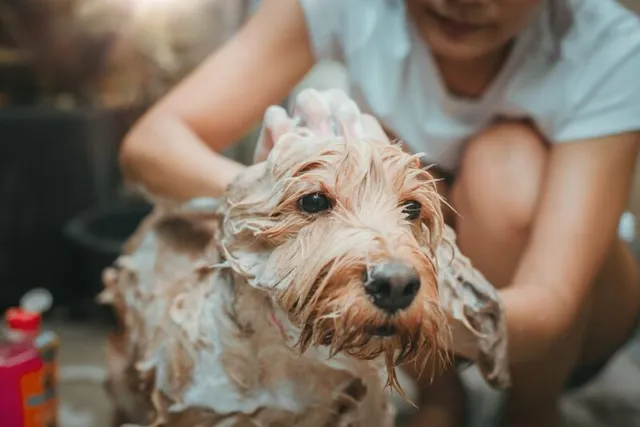
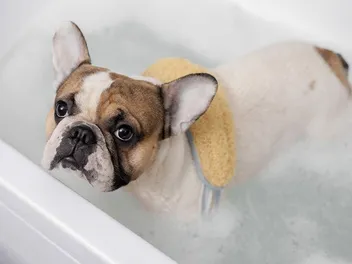
A Cocker Spaniel can be bathed once a week as they typically need more bathing than other breeds. Overwashing with harsh products can result in dry and flaky skin. Do not use human shampoo on your dog. Instead, use dog-grade shampoo, which is milder, and choose one with gentle moisturizing ingredients. Here’s how to bathe your dog:
- Wet your dog all over. Don’t get any water in their ears.
- Apply the shampoo and make it lather. You can use your fingers or a dog brush.
- Spread the shampoo around your dog’s body, including their tail, armpits, stomach, and paws. Avoid getting the shampoo on your dog’s face and eyes.
- Rinse the shampoo thoroughly. Do not let shampoo residue stay in your canine’s fur since it will clump together and can cause irritation.
- Apply the conditioner if desired, then rinse thoroughly.
9. Dry Your Dog
Let your dog have a little runaround and shake themselves off. Dry your Spaniel’s fur with a towel, rubbing them down from nose to tail. You will then have to use a hair dryer to dry the fur before it can be clipped.
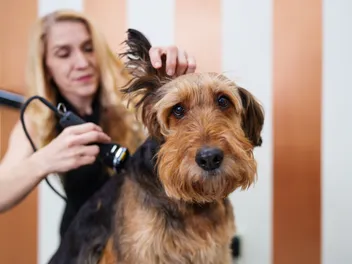
When blow-drying your Cocker Spaniel’s hair, work in small sections. Start at the back of the neck and dry downward. Do not move the dryer in a circular motion, as it will make the longer fur twist together to form knots. Instead, keep the dryer’s nozzle on one part of your dog’s body and move it back and forth to dry the area completely.
If you use a human hairdryer, keep it on the coolest setting, as it often runs too hot for dogs and may cause a burn. You can also purchase a specific pet hairdryer. Take the nozzle off when drying sensitive areas. You can use the de-shedding tool at this stage too.
10. Clip and Trim Them
You have a few options when it comes to styles for your Cocker Spaniel. Some popular choices are:
- Show Cut:
Depending on the cut, the length is optional, but generally, #4F- #10 blades are a good choice. Cut in the direction of the fur, and remember to watch the heat of the blades. For more sensitive areas like the paws and face, use scissors. You can also finish off any areas, like the feathers, with scissors.
Conclusion
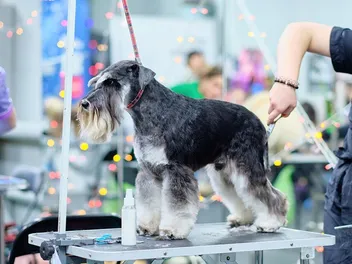
Grooming a Cocker Spaniel is more challenging than it is with other breeds. But once you get the hang of it, you won’t find it difficult to incorporate grooming into your routine. One way to make the process easier for you and your buddy is to use familiar settings every time. For example, use the same table for nail clipping and the same bathtub for every bath.
The more comfortable your Cocker Spaniel is with their surroundings and your touch, the less hassle it will be to get them to behave during grooming.
Sources
https://todaysveterinarypractice.com/dermatology/skin-fold-dermatitis-intertrigo-in-dogs/
https://todaysveterinarypractice.com/dermatology/skin-fold-dermatitis-intertrigo-in-dogs/
https://www.groomersu.com/blog/cocker-spaniel-grooming-styles
https://www.clipperworld.com.au/AMED19/AMERICAN-COCKER-SPANIEL-GROOMING-CHART/pd.php
Featured Image Credit: progressman, Shutterstock
Expert dog care, straight to your inbox
Vet-reviewed advice, training tips, and the best of Dogster. Free, and you can unsubscribe anytime.
By signing up, you agree to our Terms & Conditions and Privacy & Cookies Policy.
Jeff is a data privacy tech professional who spends his evenings writing and practicing photography. He's been a software team lead at various Fortune 100 startups for 20 years and loves to relax after work with his pets.
Join the conversation
Ask a question, share your story, or send private feedback.