How to Groom a St. Bernard: 8 Vet-Approved Tips & Tricks


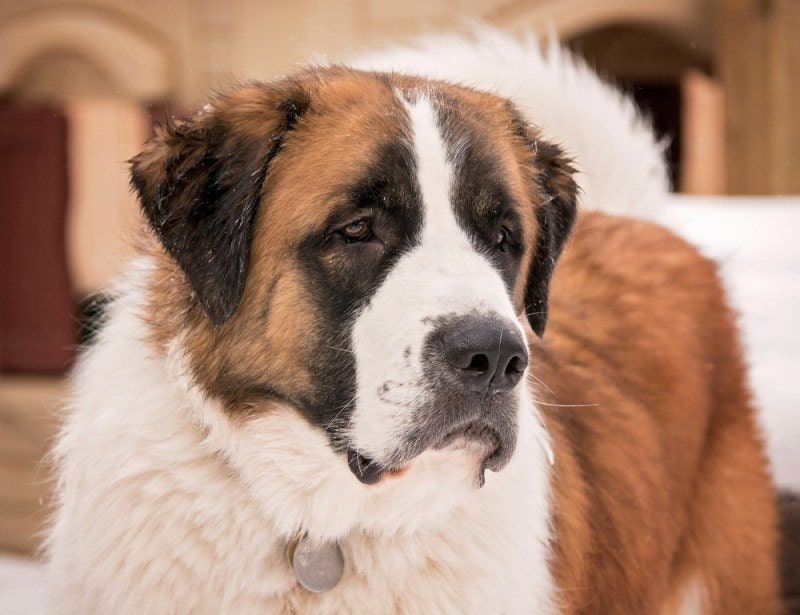
St. Bernards are quite hairy, so they need a decent amount of grooming. While they aren't as high-maintenance as some other breeds, they are very large. Therefore, even a basic brushing session will take quite a while!
Besides their coat, you also need to pay attention to your dog's feet and around their face. These areas may even need to be trimmed. Plus, you also have to worry about your dog's teeth.
That may seem like a lot, but we're here to lay it all out clearly. Here's how to groom a St. Bernard.

The 8 Tips on How to Groom a St. Bernard
1. Clean Around Their Mouth & Face
St. Bernards are known for drooling quite a bit, so you’ll need to pay close attention to the fur and skin around their mouth and face. Saliva can build up quickly in these areas, especially around the lips and facial folds. Over time, the constant moisture can lead to odor, skin irritation, or even mild skin infections.
Using a soft cloth to gently wipe your dog’s mouth and face every day can help keep them comfortable and clean. You may also want to dry the area after your dog drinks water or spends time outside in wet weather. Keeping the fur around the mouth clean can also help reduce staining and matting.
2. Brush, Brush, Brush
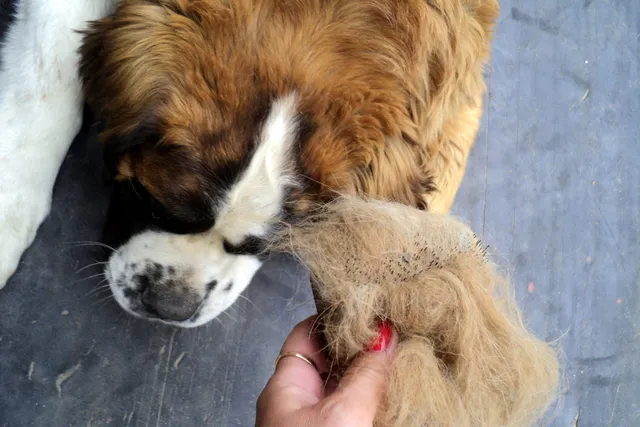
The longest part of your grooming routine will be brushing your dog's coat. You'll need to use a slicker brush to remove dead hairs and prevent matting. Choosing a large brush is important here, as a St. Bernard is on the larger size.
Brushing also helps keep your dog clean. It can remove dirt and dust, elongating the time between baths.
You'll want to brush at least every other day. Sometimes, you may need to brush even more, depending on how much your dog is currently shedding. During shedding season, your dog may shed significantly more than usual, so you'll need to adjust as necessary.

3. Use a Comb
Even if you brush your dog regularly, their coat may still get tangled. These tangles should be removed with a comb—choose a stainless-steel option for durability.
There isn't a particular amount you should comb your dog, as it depends on how often you find tangles. It's best to have the comb on hand when brushing your dog. That way, if you find a tangle, you can brush through it right away.

4. Bathe Occasionally
Dogs need baths just like people. However, dogs do not need nearly as many baths. Too much bathing can dry out your dog's skin and remove their natural oils. In time, this may cause dryness and eventually cause your dog's coat to shed even more.
Therefore, you should only bathe your dog when you absolutely need to. If your St. Bernard rolls in mud, you should probably give them a bath. However, there is no need to implement a weekly bathing schedule.
We highly recommend picking up a high-quality shampoo formulated for dogs, too. This will help limit these more negative side effects.
Our Favorite Pet Products
If you're looking for an effective yet gentle set of products, here are a few of our favorites. Hepper aims to eliminate odors at the source and get your pup smelling fresh the first time. Their versatile line is all-natural, lightly scented, and geared towards both cats and dogs, perfect for multi-pet homes. Hepper's range will help manage smells on your pet, in your home, and while you're on the go.
| Rating | Image | Product | Details | |
|---|---|---|---|---|
For Deep Cleans
 |

|
Hepper Oatmeal Pet Shampoo |
|
Check Price |
For Quick Cleans
 |

|
Hepper Waterless No Rinse Pet Shampoo |
|
Check Price |
For On-the-Go
 |

|
Hepper Wash Wipes |
|
Check Price |
At Dogster, we’ve admired Hepper for many years, and decided to take a controlling ownership interest so that we could benefit from the outstanding products of this cool pet company!
5. Trim Their Toe Fur
While St. Bernards don't need their whole coat to be trimmed, they do need the fur between their toes trimmed. This hair can get matted easily and cause pain. Plus, it can "snowball" in snowy weather, making it hard for your dog to walk properly.
This fur doesn't have many benefits when long, so there isn't much of a need for it. It's often best to give it a quick trim. You can do this yourself or go to a groomer. You don't have to trim the fur super close, just enough to prevent it from sticking out between their toes.
6. Trim Their Nails Regularly
Like all dogs, St. Bernards need their nails trimmed regularly. Because these dogs are so large and heavy, overgrown nails can become especially uncomfortable and may affect how they walk. Long nails can also snag on carpeting or crack if they become too overgrown.
You don’t need to trim your dog’s nails extremely short, but you should keep them from touching the floor when your dog is standing still. Many dogs dislike nail trims, so starting slowly and rewarding your dog with treats can make the process much easier. If you aren’t comfortable trimming your dog’s nails yourself, a groomer or veterinarian can do it for you.
7. Check Their Ears
St. Bernards have longer fur in their ears. This fur needs to be trimmed, as well. It can hold onto dirt and moisture, which may contribute to ear infections. You'll also need to keep an eye out for dirt and debris inside your dog's ears. If necessary, you can use a damp cotton ball to clean around your dog's ears. (Never stick anything down into your dog's ears; just clean the outside.)
If your dog has particular trouble with their ears, you can speak to your vet about ear-cleaning drops. These have a bit of extra oomph that can help keep your dog's ears cleaner. Using a cleanser may be necessary for some dogs.

8. Dental Care
Your St. Bernard also needs their teeth taken care of—dental health is extremely important for dogs. Poor dental care can contribute to serious health problems, as abscesses can form, opening up the body for infection.
Luckily, preventing these issues is pretty straightforward. All you need to do is brush your dog's teeth a few times a week with canine-safe toothpaste. This helps prevent dental problems before they occur.
Furthermore, you may need to pay for professional cleanings from your vet. However, these will be fewer and farther between if you brush your dog's teeth regularly.

Conclusion
St. Bernards are usually considered to need moderate maintenance. While they only need to be brushed and have some other basic hygiene tasks done, their larger size makes these grooming sessions take longer. Their longer fur can also get matted, so grooming isn't optional.
You should set aside 30 minutes to groom your St. Bernard every other day. However, you may need to groom them every day during the heavy-shedding season.
Sources
Featured Image Credit: audreyelizabeth, Shutterstock
Expert dog care, straight to your inbox
News, insights, expert advice, and everything dog.

No spam — unsubscribe anytime.
By signing up, you agree to our Terms & Conditions and Privacy & Cookies Policy.
How useful was this post?
Click a star to rate. You can leave written feedback afterwards. (We read all feedback.)
Kristin loves to help pet parents create a fulfilling life for their pets by informing them on the latest scientific discoveries and helping them choose the best products for their pets. She currently resides in Tennessee with three cats, four dogs, two fish, and a lizard, though she has dreams of owning chickens one day!