How Long Do Bernese Mountain Dogs Live? Average Lifespan, Vet-Reviewed Data & Care Guide


In this article
View 3 More +The Bernese Mountain Dog is no slouch. This muscular breed is used to working, which is why they are so popular on ranches and farms. These dogs are just as good at being family pets as they are at being workers. They will happily play with kids and are devoted to their human family members.
This purebred dog does not tolerate boredom and enjoys life outdoors. They will happily accompany you on camping and hiking trips, but that’s not to say that they don't also enjoy their fair share of time snuggling with their human counterparts indoors.
So, how long do Bernese Mountain Dogs live? The average Bernese Mountain dog’s lifespan is between 7 and 10 years. Let's delve further into this topic below!

What’s the Average Bernese Mountain Dog's Lifespan?
The average Bernese Mountain dog lives between 7 and 10 years. Some may ask why these dogs have such short lifespans, and part of the answer is that they are big dogs. The larger the dog, the shorter the lifespan they are expected to have. Unfortunately, Bernese Mountain dogs are also susceptible to serious health problems that tend to keep their lifespans on the short side.
One of the biggest problems that Bernese Mountain dogs face is cancer. Unfortunately, cancer affects a large portion of Bernese Mountain dogs over their lifetime, with histiocytic sarcoma being one of the most common ones. Early-onset cancer can occur, and many dogs develop cancer as they age.
There are other health problems that the Bernese Mountain dog is susceptible to:
Things such as nutrition, environmental conditions, and lineage can also impact a Bernese Mountain dog’s lifespan.

Why Do Some Bernese Mountain Dogs Live Longer Than Others?
Certain life factors can impact a Bernese Mountain dog’s lifespan. For instance, the cleanliness of their environment, diet, exercise, genetics, and regular veterinary care can impact their health as time goes on. Here are a few other factors to consider.
1. Nutrition
What a Bernese Mountain dog eats plays a large role in their health and overall lifespan. Proper nutrition supports a strong immune system and helps maintain a healthy weight, though it cannot guarantee the prevention of diseases such as cancer.
These dogs need high-quality diets adjusted to their age and health requirements, ensuring they receive all the nutrients they need. Treats should be low-calorie to prevent weight gain and should not make up more than 10% of their daily food intake. With that being said, always ask a veterinarian first, before you give your dog any new food to snack on.
2. Environment and Living Conditions
Another factor to consider when it comes to a Bernese Mountain dog’s lifespan is the environment and living conditions. A clean and safe environment helps reduce the risk of infections and supports overall health as your dog ages.
Keep floors and kennels clean, promptly remove feces and urine, and supervise your dog in public spaces. Make sure they are up to date with all of their vaccinations and other routine preventative healthcare. These measures help minimize the risk of bacterial, viral, and fungal infections, including contagious illnesses such as kennel cough and parvovirus.

3. Size
Size does matter when it comes to the lifespan of a dog. In a large study done by a German evolutionary biologist, large dogs tended to die sooner than small dogs due to problems like cancer. Research has shown that large dogs often grow faster during early life, which can increase the risk of age-related diseases, including cancer, heart problems, and joint issues.
Also, it is thought that a large dog ages more quickly and therefore experiences age-related illnesses earlier in life than a small dog would. While cancer is a major concern, it is one of several health challenges, alongside orthopedic issues and metabolic stress, that help explain why breeds like Bernese Mountain dogs often have shorter lifespans compared to smaller breeds.
4. Genes
Genes can always play a role in the lifespan of a living being. If a parent is predisposed to a certain type of cancer or ailment, chances are that their offspring may also be at higher risk for that same ailment. Sometimes, problems like dysplasia are passed down for generations, which is why careful breeding and health screening are especially important.
The same can be said for heart disease and various cancers. However, environment, diet, and lifestyle also play a significant role in a dog’s overall health and longevity.

5. Healthcare
Healthcare is extremely important for dogs of all types, including the Bernese Mountain dog. Just because this dog breed is hardy and self-reliant for the most part does not mean that they should go without preventative medical care.
Preventative healthcare can help detect health problems early, improving the chances of successful treatment and management. These dogs, like any dog, should see a veterinarian at least once a year as part of their preventative care plan, with additional screenings as recommended for breed-specific risks such as hip and elbow dysplasia, heart disease, and certain cancers.
The 4 Life Stages of a Bernese Mountain Dog
There are four major life stages of a Bernese Mountain dog to be aware of. By understanding the life stages, you can gain insight into age-related care needs and risks. Here is what you should know.
1. The Puppy

Bernese Mountain puppies are almost always recognizable because of their fluffy coats, large paws, and expressive eyes. At 8 weeks old, they may weigh between 8 and 15 pounds and are noticeably smaller than their eventual adult size, but bigger than most puppies of other breeds. These puppies are rambunctious, curious, active, and sometimes even “troublemakers” by nature. This is the best time to start the obedience training process.
2. The Teenager
Teenage Bernese Mountain Dogs are usually close to their adult height at around 18-24 months of age, but their bodies may still look lean as they continue to fill out in length and muscle mass. Over the next several months, they typically bulk up and develop the sturdy build characteristic of the breed. Some teenage Bernese Mountain dogs tend to be a little standoffish and reserved as they try to figure out what is and is not a threat in their lives. Consistent training, socialization, and patience are important to help them navigate this adolescent phase successfully.
3. The Adult

Adults are confident, independent, loving, and calm in most social situations. They are protective of their human family members, and they should be calmer than they were when they were puppies and teenagers.
4. The Senior
The typical Bernese Mountain senior is slower in pace and less curious about what is going on around them. This stage can bring age-related health issues, including arthritis, decreased energy, and a higher risk of serious illnesses such as cancer or heart disease. Owners should monitor their senior dogs closely and ensure regular veterinary care. For Bernese Mountain Dogs, the senior stage usually begins around 6–7 years of age and can last several years, allowing them to enjoy a comfortable, well-cared-for life in their later years.
How to Tell Your Bernese Mountain Dog’s Age
The most effective way to tell a Bernese Mountain dog’s age is to consult with a veterinarian. Through a physical examination, dental evaluation, and overall health assessment, your vet can provide an estimate of your dog’s age.
Understanding and identifying the different life stages is another tactic that can help you determine the age of your Bernese Mountain dog. If your dog shows less interest in toys, prefers resting over playing, or moves more slowly, they may be entering their senior years. Combining these observations with veterinary guidance provides the best understanding of your dog’s age and needs.

In Conclusion
The Bernese Mountain dog is a large, muscular, active dog that can spend hours on the farm or in the yard playing with kids. However, as they age, they tend to slow down and require more comfort and extra opportunities to relax.
Just because a dog is at the end of its life does not mean that adventure and excitement cannot be experienced. Consider going on strolls in the park or gentle walks on the beach.
Related Reads:
Male vs Female Bernese Mountain Dogs: The Differences (With Pictures)
How Much Does It Cost to Own a Bernese Mountain Dog? Price Guide
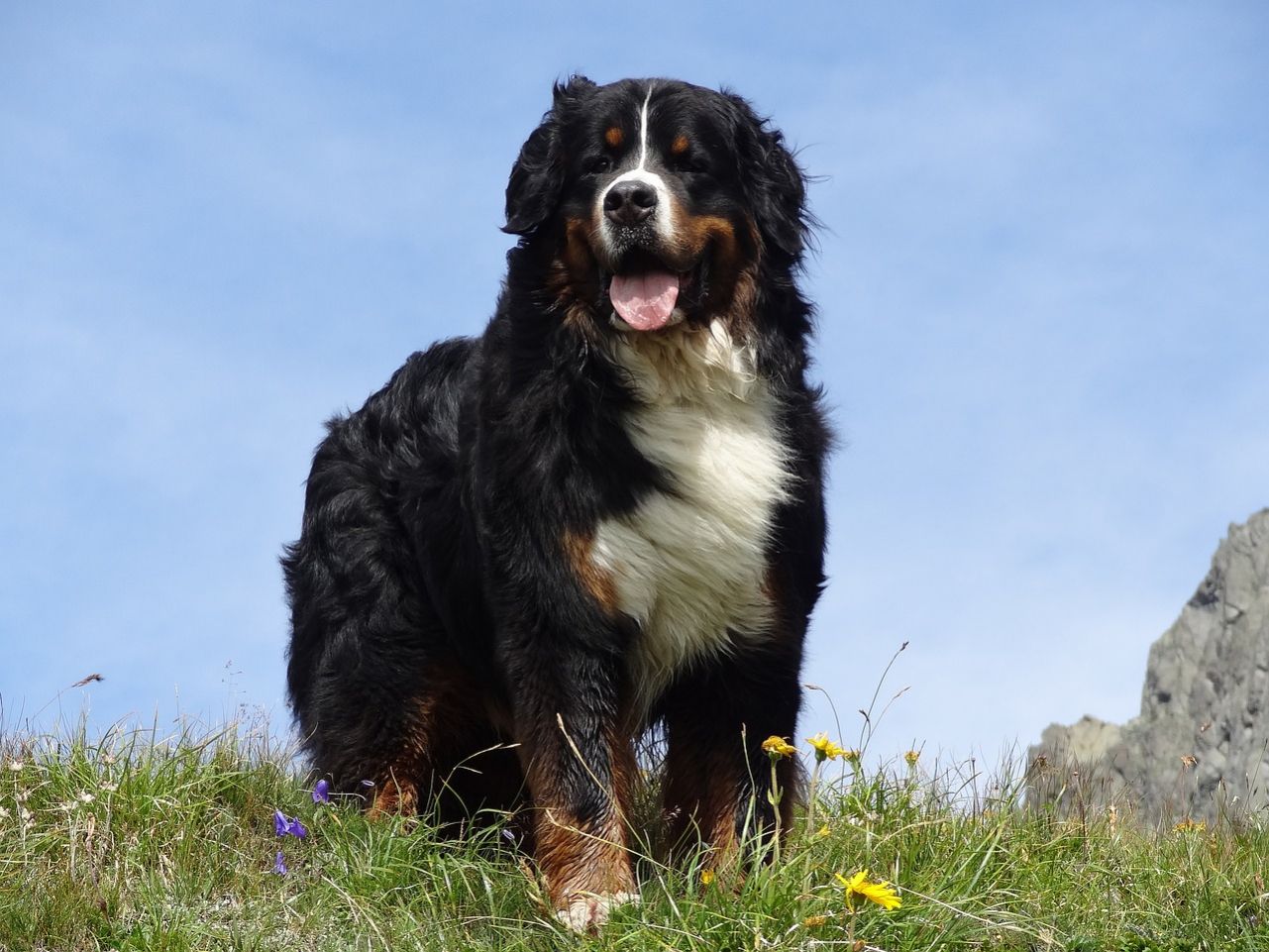
Featured Image Credit: Othmar Sigrist, Pixabay
Expert dog care, straight to your inbox
News, insights, expert advice, and everything dog.

No spam — unsubscribe anytime.
By signing up, you agree to our Terms & Conditions and Privacy & Cookies Policy.
How useful was this post?
Click a star to rate. You can leave written feedback afterwards. (We read all feedback.)

Rachael has been a freelance writer since 2000. In this time she has had an opportunity to research and write about many different topics while working to master the art of fusing high-quality content with effective content marketing strategies. She is an artist at heart and loves to read, paint, and make jewelry. As a vegan, Rachael is obsessed with helping animals in need, both in her community and anywhere in the world where she feels she can make a difference. Animals also happen to be her favorite topic to write about! She lives off the grid in Hawaii with her husband, her garden, and her rescue animals including 5 dogs, a cat, a goat, and flock of chickens.