Do Dogs Really Need Anesthesia For a Teeth Cleaning?


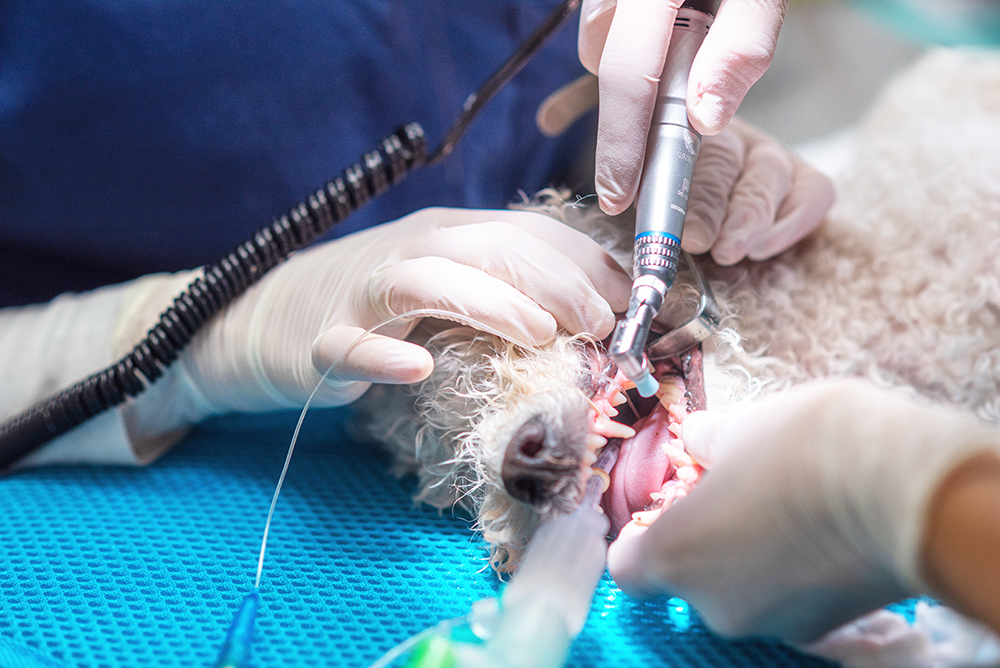
If your dog needs a professional teeth cleaning, the word “anesthesia” can be enough to make any pet owner hesitate. After all, putting your dog to sleep for a dental procedure sounds much more serious than a routine cleaning at home.
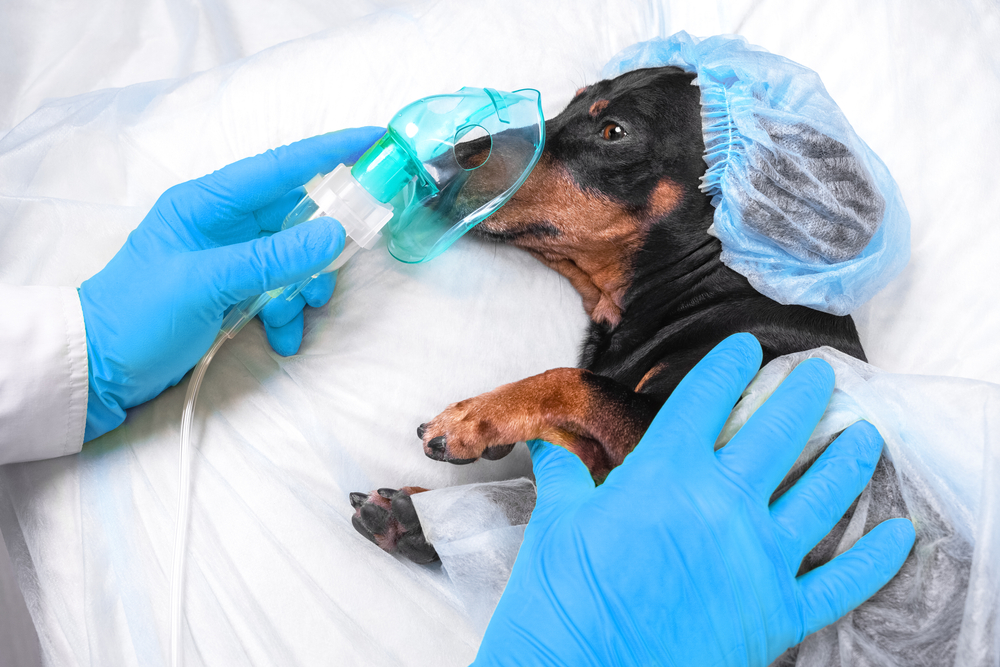
The good news is that, for most dogs, anesthesia is considered a safe and important part of proper dental care. Before the procedure, veterinarians assess a dog's overall health, and during the cleaning, the veterinary team closely monitors vital signs. The goal is to make the procedure as safe and comfortable as possible while allowing the vet to properly examine and treat the whole mouth.
And that last part matters more than you might think.
Why Dogs Need Anesthesia For a Proper Dental Cleaning
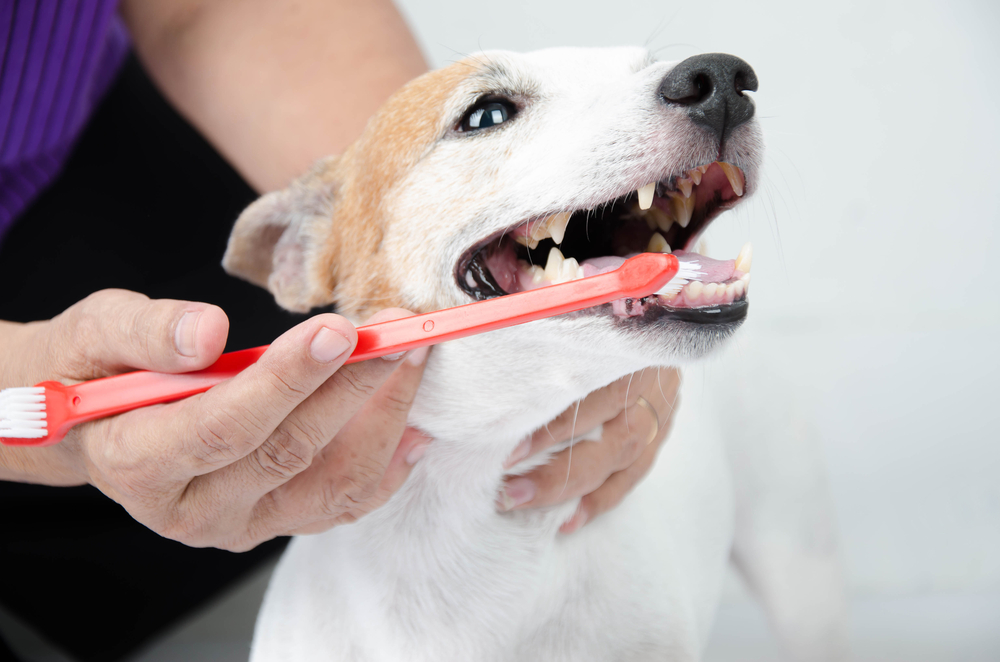
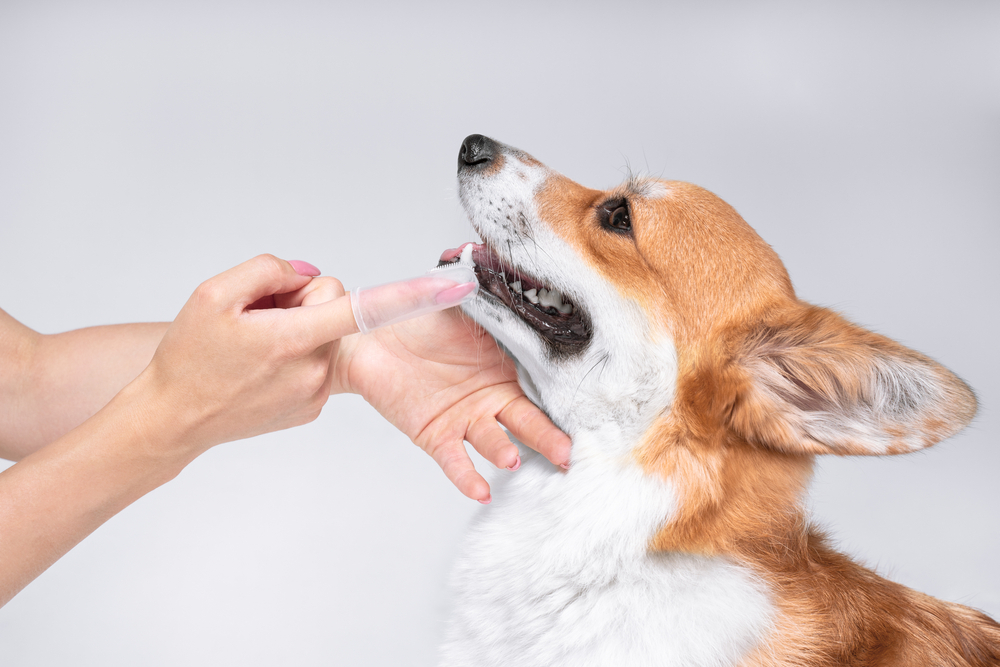
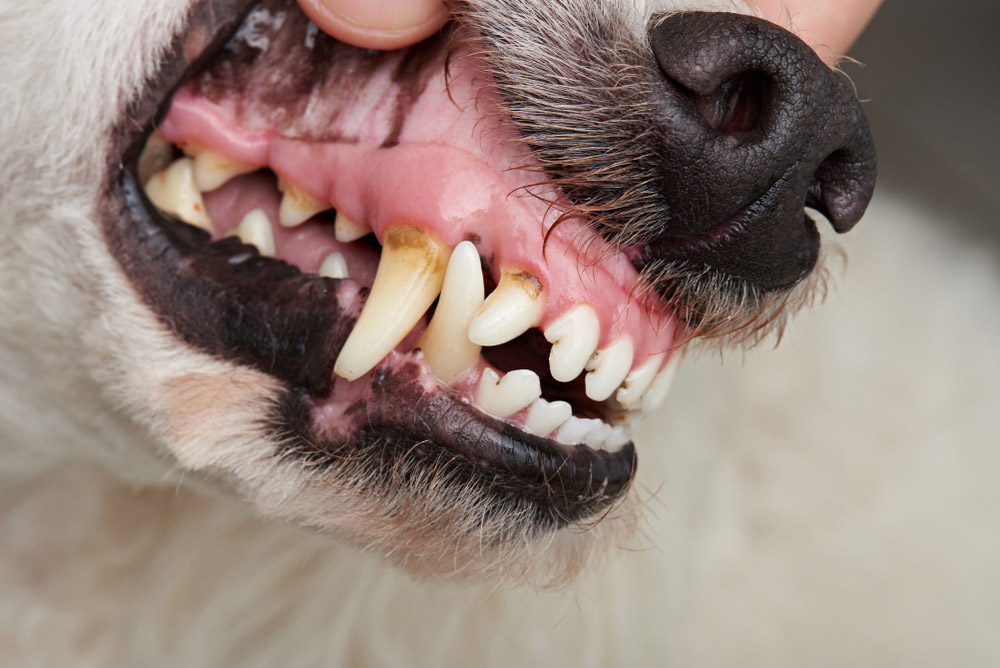
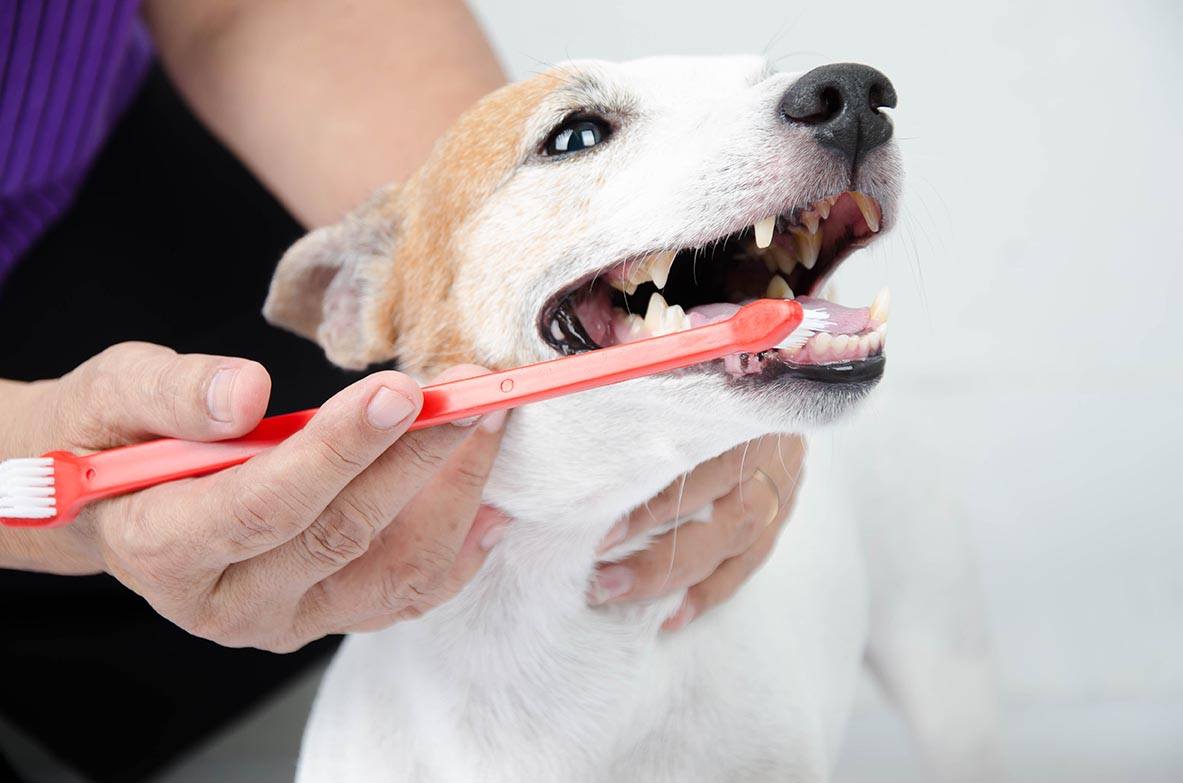
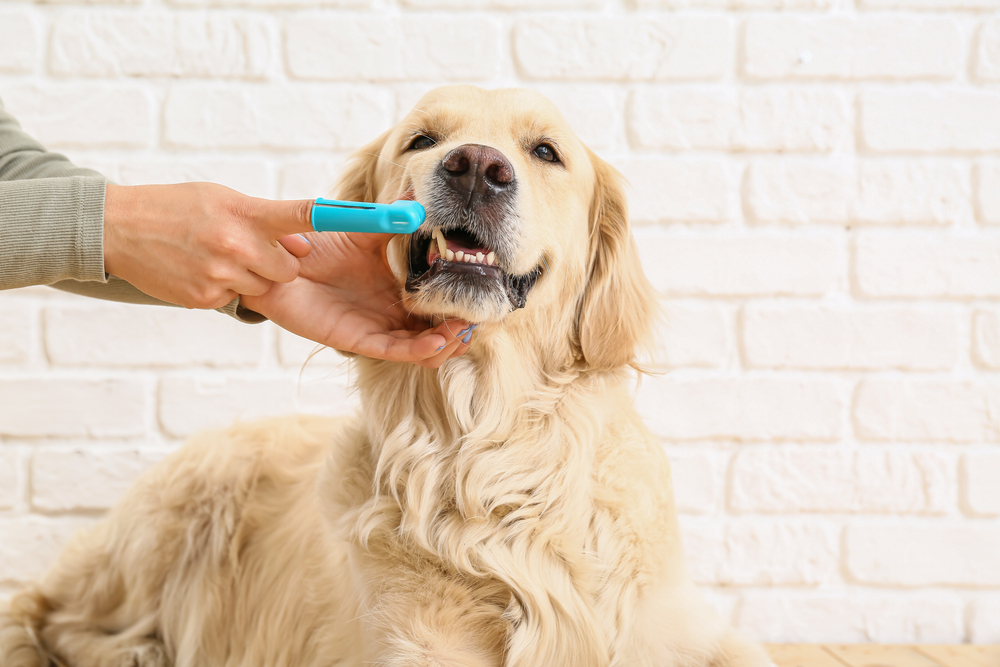
Brushing your dog's teeth at home is one of the best things you can do for their dental health, but it cannot replace professional cleaning. A toothbrush cannot thoroughly clean below the gumline, where dental disease can hide and cause damage without being obvious from the outside.
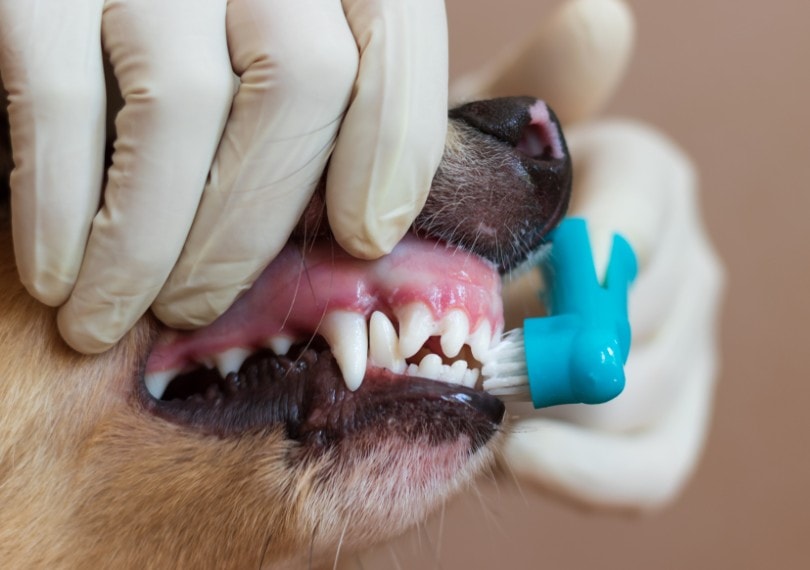
A professional cleaning allows a veterinarian to remove buildup above and below the gumline and examine the teeth and surrounding tissues more closely. Doing that on a conscious dog is neither practical nor safe, no matter how well-behaved they may be. Most dogs are not going to happily sit still while sharp dental instruments are used around their mouths, and we should not expect them to. And if dental x-rays are needed, the only way to guarantee a clear image is with an anesthetized patient.
Anesthesia also keeps the dog from becoming frightened or stressed during the procedure. Most importantly, if the veterinarian discovers a tooth that needs to be removed, the dog needs to be fully anesthetized so the extraction can be performed safely, with appropriate pain control.
In other words, anesthesia is not an unnecessary extra step. It is what allows the veterinary team to actually treat dental disease rather than simply make the teeth look cleaner.

What Are The Risks?
Anesthesia is never completely without risk. Dogs can experience effects such as drooling, vomiting, grogginess, a drop in body temperature, and changes in heart function. Serious complications like cardiac arrest, stroke, or death are possible, but they are rare. Anesthetic drugs and monitoring have come a long way in the past few decades, and the risks rarely outweigh the benefits.
The risk is generally higher for dogs with underlying health problems. That is why a veterinary team does not simply put every dog under anesthesia without checking their health first.
A pre-anesthetic examination allows the vet to identify potential concerns and decide whether additional testing or precautions are needed. The aim is to understand the individual dog's risks before the procedure begins.
How Vets Make Dental Anesthesia Safer
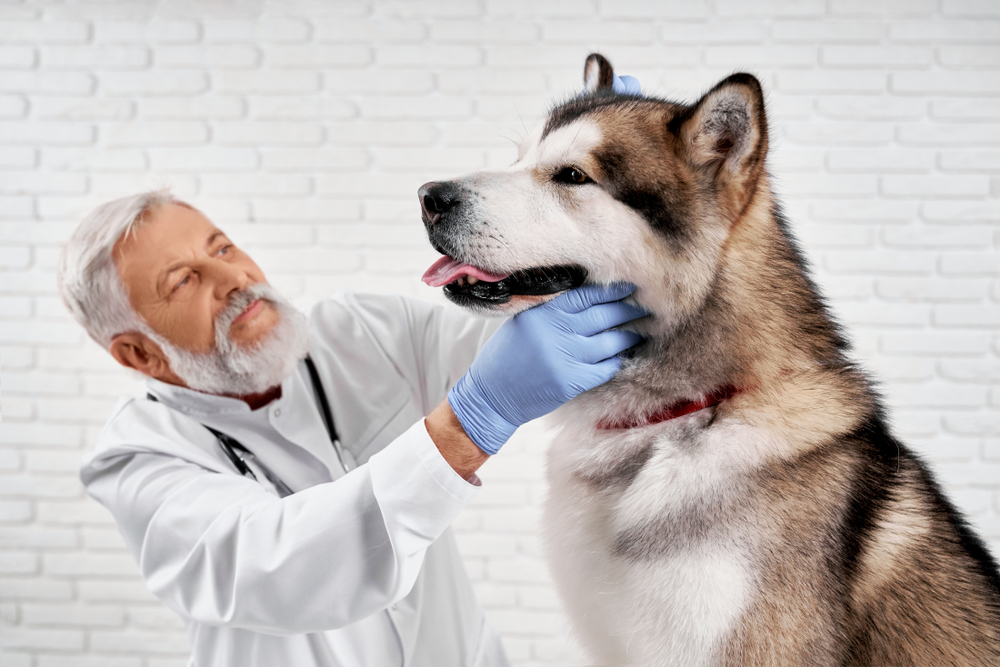
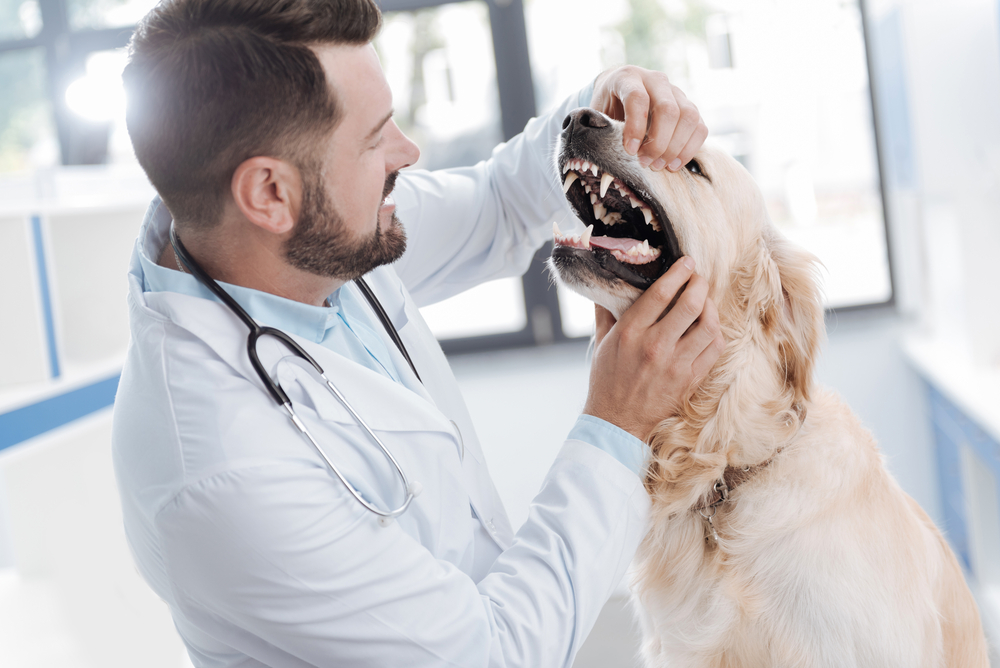
The process usually starts with a physical examination. The veterinarian may listen to the heart and lungs, examine the mouth, and look for anything that could affect the safety of anesthesia.
For older dogs or dogs with conditions such as diabetes, kidney disease, or Cushing's disease, the vet may recommend bloodwork and a urinalysis to evaluate organ function. Depending on the dog's health and medical history, additional tests such as chest X-rays or an ECG may also be appropriate.
Once anesthesia begins, the monitoring continues. Veterinary staff keep a close eye on vital signs throughout the procedure and can adjust medications or take action if something changes.
After the cleaning, the dog is allowed to wake up under supervision. Most dogs are not sent home until they are awake enough and their condition is considered stable.
Pet owners can help with the process, too. Keeping up with routine veterinary visits and maintaining a healthy weight can support overall health. It is also important to tell the veterinarian about any medications your dog takes and mention any recent symptoms or changes in behavior.
What Happens After The Cleaning?
Coming home does not necessarily mean your dog will immediately bounce back to their usual energetic self.
Many dogs are groggy and a little uncoordinated for a while after anesthesia. Their appetite may also be reduced. For roughly the first day or two, your veterinarian will usually provide instructions about food, water, and activity while your dog gets back to normal.
Follow those instructions closely, particularly if your dog has had a tooth extraction. Your vet may recommend changes to their diet or activity while the mouth heals.
If unusual effects continue beyond the recovery period your veterinarian described, it’s worth giving the clinic a call.

What About Anesthesia-Free Dental Cleanings?
Dental cleanings without anesthesia might sound like a great idea, but they do not provide the same level of dental care.
Without anesthesia, a dog cannot be safely kept completely still while dental instruments are used in the mouth. More importantly, the cleaning cannot properly address disease below the gumline, where much of the damage occurs.
That means a dog's teeth may look cleaner, but the underlying problem hasn’t actually been treated. Anesthesia-free cleaning also cannot provide the appropriate conditions for a tooth extraction if one is needed.
Of course, the appeal of anesthesia-free dentals goes beyond just the anesthetic. These services are usually offered at a fraction of the cost of a veterinary dental, with good reason. Without a thorough examination of the mouth, including dental x-rays if needed, the results of a dental cleaning without the benefit of anesthesia are superficial at best. At worst, they could delay the treatment of damaged roots and infection, or even damage the teeth.
For a thorough veterinary dental cleaning, anesthesia remains the standard approach because it allows the vet to examine, clean, and treat the mouth safely and properly.
So, is it scary to put your dog under anesthesia? It is understandable to feel that way. But with appropriate pre-anesthetic screening, careful monitoring, and veterinary supervision, anesthesia is generally a safe and reliable part of treating dental disease.
And when it comes to your dog's mouth, getting below the surface can make all the difference.
Featured Image Credit: David Herraez Calzada, Shutterstock
Did You Know?
- Our brand-new posts are rounded up and included in our weekly emails. Don't miss out on the latest - sign up for our newsletter below!
Expert dog care, straight to your inbox
Vet-reviewed advice, training tips, and the best of Dogster. Free, and you can unsubscribe anytime.
By signing up, you agree to our Terms & Conditions and Privacy & Cookies Policy.
Dan has been working in the dog world for over 4 years, covering dogs and all other pets, helping pet parents keep their companions happy, healthy, and totally spoiled! Originally from London, Dan now works remotely, which sadly means no pets at home, but plenty of opportunities to fuss over other people's furry friends.
Join the conversation
Ask a question, share your story, or send private feedback.