What Dog Is Closest to a Wolf Genetically? Breeds & Facts

In this article
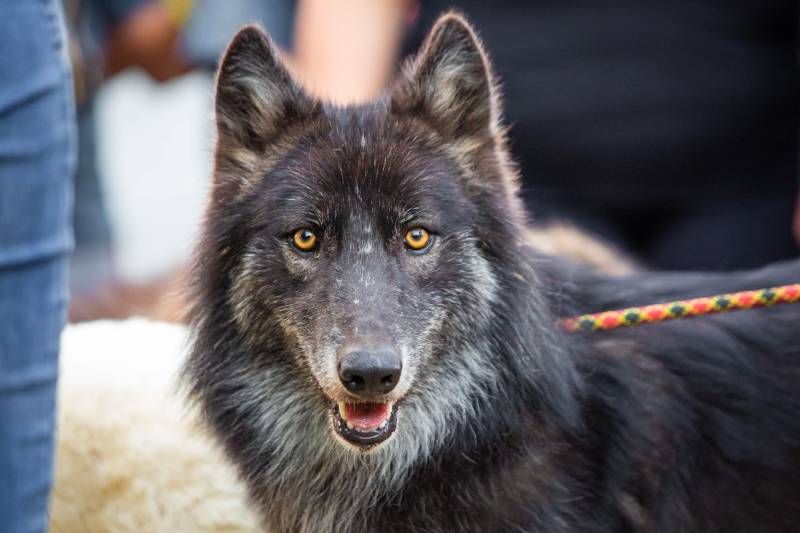
We all know that man's best friend was once a wild creature roaming woodland, forests, and plains in packs. When you consider that a dignified wolf is related to a smush-faced Pug, it can be pretty wild to even imagine they are part of the same species.
So, what breeds are the closest to wolves? Surprisingly, dogs and wolves share 99.9% of their DNA, and breeds like the Shiba Inu and Chow Chow are even closer.

The 7 Dog Breeds That Have the Closest Relation to Wolves
Different dog breeds have been created through purposeful interbreeding over the last 150 years, with varying looks and physical and mental characteristics serving as breeding markers.
However, over time, there have been genetic issues and other concerns for purposeful breeding. It was once believed that domesticated dogs came to be used for guarding livestock and other purposes. But it’s a possibility that dogs might have come to humans first for warm shelter and food.
Let’s take a look at the breeds with the absolute closest ties to their wolf cousins.
1. Shiba Inu

Breed Overview
Origin:
Weight:
Height:
Colors:
Temperament:
The impressive little Shiba Inu is a cheerful pup that might look a little more like a fox than a wolf. However, they are very closely related to wolves and share many common behaviors. These spunky pups are full of fire, running on a full tank all the time.
They can be a little challenging for first-time owners, as they tend to be pretty headstrong. But they are also incredibly rewarding pups with a love for the outdoors. Always testing the waters, your Shiba might also test your patience.
They are highly social with their family members, but they might be reserved with strangers. They are also a bit possessive and require manners training when sharing toys or bringing balls back during fetch.
2. Chow Chow

Breed Overview
Origin:
Weight:
Height:
Colors:
Temperament:
Resembling bears, the Chow Chow is one of the oldest Chinese breeds around. It is instantly recognizable for its wrinkles, thick coat, and black pigmented tongue.
Chow Chows are definitely not for the faint of heart. They have very assertive, even dominant, personalities with potential aggression issues. Experienced dog owners should do well with the breed, but they might not work so well for first-timers.
But Chow Chows have come a long way from their original purpose of herding and guarding. All that said, they still love to protect their household with unwavering loyalty. If you have issues with a Chow who shows aggression, behavioral training might be a must.
3. Samoyed

Breed Overview
Origin:
Weight:
Height:
Colors:
Temperament:
The Samoyed is a very closely related breed to their wild wolf cousins. This is a very cheerful little dog in the Spitz family with tons of energy. This breed gets especially attached to its family members. They look at you as one of their very own, and they delight in every moment spent with our owners.
Since this breed gets so attached, they do best with owners who aren't making any significant changes. Buying or adopting this lovely dog means a commitment for its whole life.
The Samoyed is extremely amiable with strangers and familiar friends alike. This beautiful white breed is typically very good with children of all ages, although their energy can be quite a lot for children under 6 years old.
4. Akita

Breed Overview
Origin:
Weight:
Height:
Colors:
Temperament:
All in all, the Akita share as much DNA with their wild cousins as possible without being defined as pure wolves themselves. It really comes through in the Akita's assertive demeanor. Many owners could probably understand just how closely they could be related. An Akita's coat is characteristically suited for cold temperatures.
The Akita is curious and adventurous by nature. It is not unusual to have one escape any enclosure. But apart from that, Akita‘s are quite quiet, not barking unless there is a fundamental reason. These dogs make excellent watchdogs as they are notoriously unsure of strangers.
However, in the situation where it warrants, you can count on them to protect your household. These dogs are relentlessly faithful creatures with only one thing in mind—the wellbeing of their family.
Akitas work best in rural or suburban areas with large backyards. Since these dogs love to roam and wander, you must have the space and time to spend with them. They can also be escape artists, and they are brilliant, so make sure your fence is very well reinforced.
5. Siberian Husky

Breed Overview
Origin:
Weight:
Height:
Colors:
Temperament:
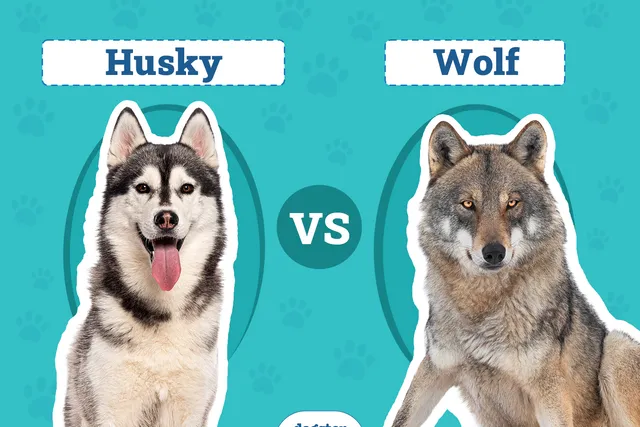
Siberian Huskies are closely related to wolves, but they puzzle scientists with their extremely different behaviors. Siberian huskies tend to be very pack-oriented, like wolves. However, their actions and personalities differ greatly.
Siberian Huskies tend to be highly adventurous and active. If they are not properly stimulated, it's easy for them to develop nervous tendencies or destructive behaviors. Huskies are natural escape artists. If they are enclosed without proper exercise, they will want to bolt every chance they get. Huskies can be a lot of work
but they can also make excellent family companions. However, they usually do best in households with lots of space to roam and run. So if you are living in an apartment in the city, this might not be the right breed for you.
6. Basenji

Breed Overview
Origin:
Weight:
Height:
Colors:
Temperament:
The Basenji is a very old breed, stemming back into the days of ancient Egypt. There is some speculation that it could be Ethiopian wolves rather than descending from traditional gray wolves. If you take a peek at this wolf species, it’s quite easy to see a detectable resemblance.
They are considered Africa’s barkless dog, which is a huge plus for some folks who prefer less vocalization. But like some other familiar breeds you know, Basenjis let out a yodel rather than a bark when they communicate like their wild ancestors.
Basenji’s have a reputation for being highly hygienic, grooming often. They are a relatively small breed but have very lean athletic bodies. These dogs are highly social animals with their family members and are very curious about their surroundings.
This breed is known to have quite a cult following. So, if you have ever been lucky enough to meet or own a Basenji, they probably have left an imprint on your heart.
7. Alaskan Malamute

Breed Overview
Origin:
Weight:
Height:
Colors:
Temperament:
Alaskan Malamutes are probably not a shocking close relation to gray wolves. With their standard coloring and overall features, you can definitely see the resemblance.
Alaskan Malamutes are very alert, watchful, making wonderful watchdogs. But they are also extremely loyal and devoted to family, which means they are excellent family companions.
Sometimes, malamutes can be a little territorial, so they might not take well to strangers, outings, or other pets.
Reserved by nature, these dogs will make irreplaceable companions in the right home.
Bonus: Wolf Hybrids

Breed Overview
Origin:
Weight:
Height:
Colors:
Temperament:
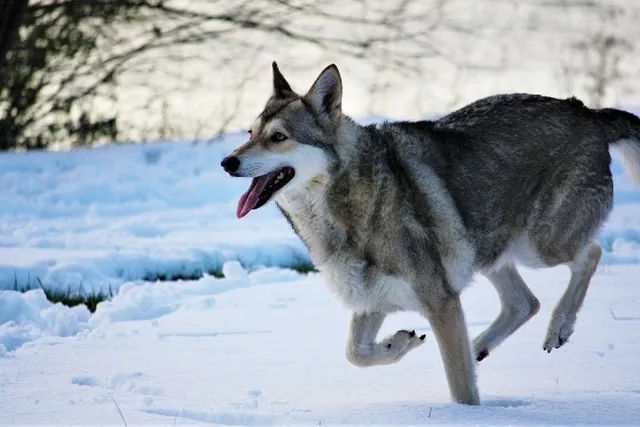
Wolf hybrids are growing in popularity, especially in North America. Some states have different laws and regulations against owning them, as many lawmakers still view these creatures as wild animals and not pets.
Wolf hybrids vary in percentage when it comes to gray wolf genetics. Some barely have any wolf in them, others have almost every genetic link. And some even try to pass off real wolf pups as hybrids where owning wolves is illegal.
Wolf hybrids should only be considered by experienced dog owners who know a lot about the wild version of your canine pals. Domestication and selective breeding have made the dogs we know very compatible with our lives. Wolf hybrids are a whole other ball game.
If you need a permit or other legal document to own a wolf hybrid in your state, be sure to comply with local laws.
Can You Own Pure Wolves?
The idea of owning your very own wolf pup can be very appealing. If you have a love for the origins of your canines, you might feel it would be a highly rewarding experience. However, owning a wolf is very different from owning a domesticated dog.
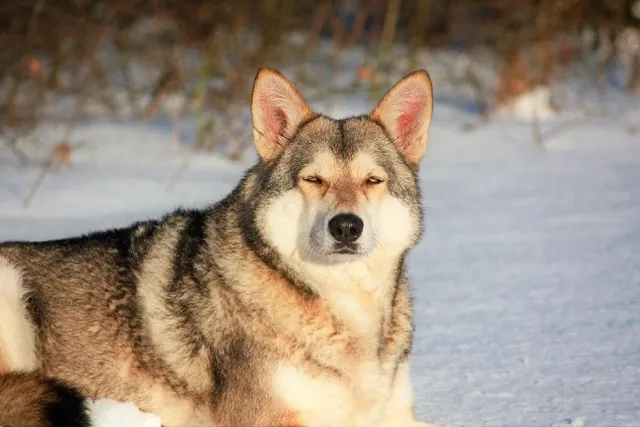
Though some purebred dogs are very wolf-like, they have still come a great distance from their primal roots. Unless you have extensive experience with wildlife and keep a wolf for the benefit of the animal, it’s best to keep these beauties in the wild where they belong.
However, if you’re curious, here is some more information about owning wolves, protection, permits, and conservation from the International Wolf Center.
Dogs That Resemble Wolves
Because of many breeders’ love for wild wolves, many breeds have been designed to look like these fierce beauties. While they might not align in as close a relation as the others we’ve mentioned, they sure do have the visual appeal.
Some of these breeds include:
Summing Up
So, now you can see just how closely related our canine companions are to wild wolves. It's fascinating how the different breeds have evolved and what is still the same between them.
One thing is for sure, the domestication of wolves changed human lives forever. Where would we be without our furry pals?
Featured Image Credit: PhotoSpirit, Shutterstock
Expert dog care, straight to your inbox
Vet-reviewed advice, training tips, and the best of Dogster. Free, and you can unsubscribe anytime.
By signing up, you agree to our Terms & Conditions and Privacy & Cookies Policy.
Ashley Bates is a freelance dog writer and pet enthusiast who is currently studying the art of animal therapy. A mother to four human children— and 23 furry and feathery kids, too – Ashley volunteers at local shelters, advocates for animal well-being, and rescues every creature in need. Her mission is to create awareness, education, and entertainment about pets to prevent homelessness. Her specialties are dogs and cats.
Join the conversation
Ask a question, share your story, or send private feedback.