Greenland Dog Breed Guide: Info, Pictures, Care & More

In this article
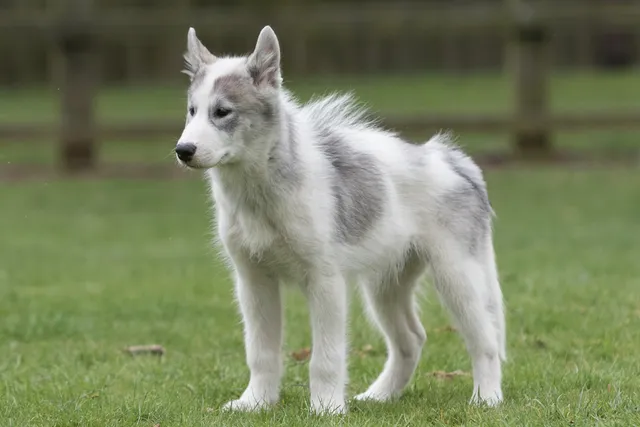
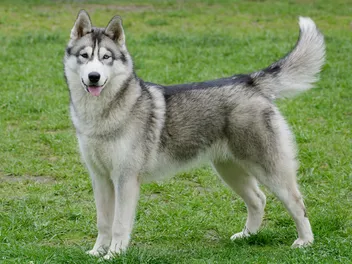
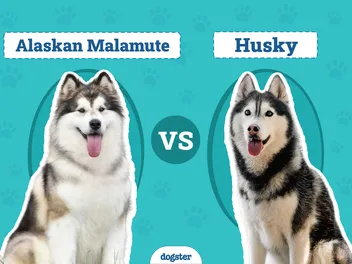
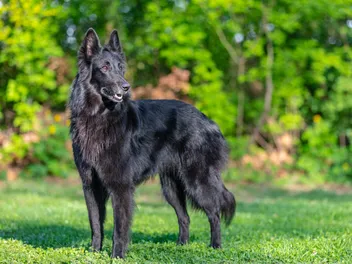
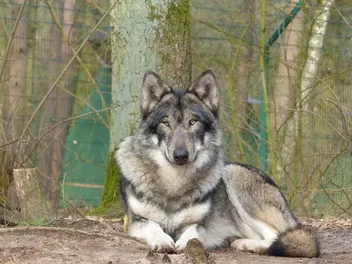
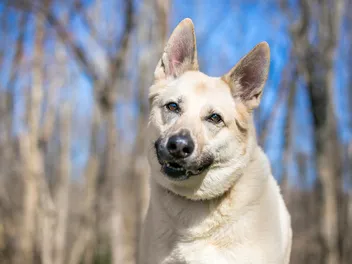
The Greenland Dog is a large breed, a husky-type dog from Greenland. Often confused with a Siberian Husky or an Alaskan Malamute due to their similar physical appearance, this dog breed is also known as Grønlandshund, Grünlandshund, Kalaallit Qimmiat, and Greenland Husky.
Breed Overview
Height:
Weight:
Lifespan:
Colors:
Suitable for:
Temperament:
This dog is used for hunting polar bears and seals and for pulling sleds. As an old breed, it shares its origin with the Canadian Eskimo Dog.
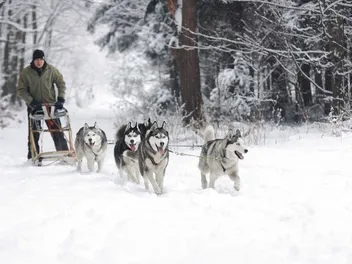
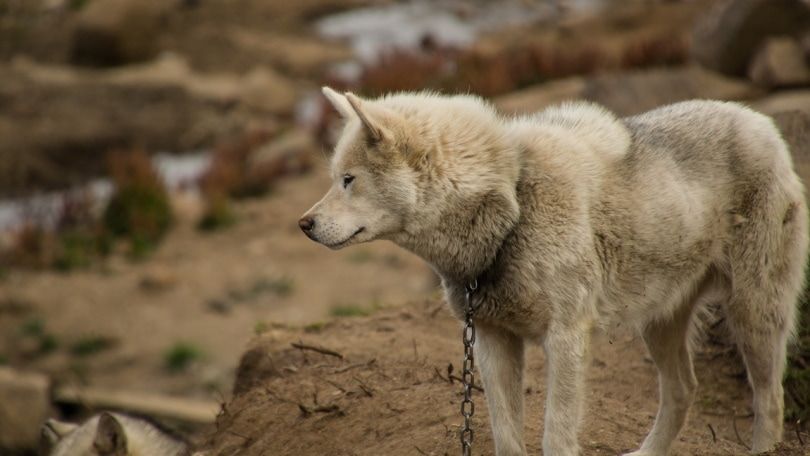
Greenland dogs are popular sledding dogs in the Arctic region. The large and powerful creatures that have been used for centuries in these regions are well-renowned for their endurance and outstanding strength in the snow.
It’s still used in Greenland as a working dog due to its valuable speed. They also make great companion dogs and thrive both as a family and working dog.
Greenland Dog Characteristics

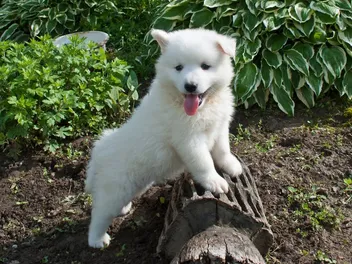
Greenland Dog Puppies

The Greenland Dog is better suited to a dog owner who has experience with raising dogs. If you are a first-time dog owner, you may want to take some time to do some research before making a final choice on adopting this breed.
Greenland Dogs can be affectionate and they are very gentle. They are high-energy dogs so be prepared for lots of exercise.
Temperament & Intelligence of the Greenland Dog 🧠

These dog breeds are known to be independent, and stubborn with high energy; hence not well-suited for first-time dog owners. Bred initially as a working dog, this breed has speed and strength.
Therefore, it needs experienced and firm owners who can handle this temperament. However, it's still a good companion dog because it's affectionate, intelligent, and trainable.
Greenland dogs are generally quiet and mild-mannered; however, they can go off into a howling frenzy on some occasions. While bonding with their owners, they need a firm and consistent hand to stop the development of problem behaviors. They are bred to follow a leader as a working dog; therefore, you need to enforce some form of leadership.
Once they understand you are in charge, they become a loyal companion. They are sociable, making them an excellent choice for active people with backyards in their homes.
Due to the high energy levels, this dog doesn't enjoy just lazing around in the house. It would be best to tag it along for strenuous activities such as hikes to keep it mentally and physically engaged. They’ll be happier outside playing and engaging in physical activity; otherwise, the dog will become bored.
Are These Dogs Good for Families? 👪
Greenland dogs tend to get along well with families. As long as you understand their needs and establish a firm hand, they become affectionate and loyal to the family.
They do well with an active family which has a lot of activities going on. This breed loves being outdoors; therefore, it will be perfect if your family is into running or hiking.
If you have children, the Greenland dog adapts very well as long as it has been socialized at an early age. During socialization, they should also be trained against behaviors such as biting.
With proper training, these dog breeds will get along with children. They are excellent playmates; hence you should also socialize your children on how to engage them.
Greenland dogs love a busy home. Because of this, it's not advisable to leave them alone for extended periods. And if you have to leave, ensure the dog has some toys or hire a sitter to keep it engaged. Otherwise, they'll start acting out due to boredom.
This dog is not an excellent watchdog due to its social personality. It could bark to alert you when there's a stranger around; however, they tend to be too friendly.
As a large dog breed, they are not well suited for apartment living. These dogs prefer homes with a large backyard to run around in.
Does This Breed Get Along with Other Pets? 🐶 😽
Greenland dogs can live peacefully in packs with other dogs. However, it would help if you watched them, mainly because these breeds consider themselves the pack leader and are more likely to challenge the other canines. In a home setting, they can live comfortably with other dog breeds and cats.
To make this process seamless, you need to socialize your puppy early enough. Introduce your dogs to people, animals, new sights, sounds, places and smells, and people in a controlled environment. Once they learn to co-exist with other animals, you won't have an issue if you have a multiple pet household.
Things to Know When Owning a Greenland Dog
Like other dogs, owning a Greenland dog requires a lot of commitment. You need to keep the dog in a comfortable space for it to be happy.
In addition, the pet needs some essential items to survive, such as food, grooming, exercise, training, and medical checkups. If you are considering getting a Greenland dog, here are some of the things that you need to know.
Food & Diet Requirements 🦴
Because it's a medium to a large-sized dog breed, this species should eat a high-quality food diet. Greenland dogs are high-energy breeds; therefore, they need a meal plan that meets their nutrient requirements.
The diet should be measured according to weight, age, and activity levels. If you don't know how much to feed your pup, you can consult a vet to guide how much food your dog needs.
As a puppy, these dogs should eat about 3-4 meals for up to 6 months. The meal plan should be composed of dry kibble, raw, and homemade food options, with about 25% protein.
As adults, the food portions can be reduced to two or three servings. This spacing of meals is critical because Greenland dogs are highly prone to bloating, which can be fatal.
Apart from protein, the food should also have a balance of minerals, vitamins, fats, and carbohydrates. It’s better to feed your dog commercial food that’s suited for large dog breeds. A well-balanced diet is crucial for the health of your pup.
Exercise 🐕
Among dog breeds, Greenland dogs are one of the most high-energy dogs. Because of this, they need extensive exercise that tires them out at the end of the day. These dogs need about 2 hours of daily activity, including walking, jogging, or puzzles.
Once you bring this dog breed home, keep in mind that they are sled dogs; therefore, you should be ready to run around with them because they require hours of activity to keep them physically and mentally stimulated. If they are not happy and healthy from exercise, they easily become bored, frustrated, and destructive.
They’ll appreciate engaging in dog sports and brain games because they are intelligent breeds. Therefore, if you need a dog that lazes around the house with a few minutes of exercise, this is not the dog for you.
Training 🎾
Like we mentioned above, Greenland dogs are intelligent breeds. However, they are also very stubborn and independent, which can make training quite a challenge. They were bred to work hard and follow the lead of a firm handler; therefore, you'll need to make some rules and be firm if you want to keep your dog under control.
Because of this personality, this dog needs an experienced owner who is also a firm leader and consistent. The dog comes with a strong alpha instinct; therefore, it can be pretty overwhelming if you are not dominant. As a strong owner, you can easily set rules and train the dog to follow commands and stick to them.
This training and socialization should start early when the dog is still a puppy to make things easier. It should also be more positive to encourage and motivate your dog to understand the commands much faster.
Positive reinforcement and reward-based training can include verbal praise and treats. Anger and yelling at your dog will slow down the training process.
If training becomes very challenging, you can enlist the services of a professional trainer to help you. However, you need to be involved in the process so that the dog can recognize you as the leader. In addition, you can also include the rest of the family to make it easier for everyone to handle the dog.
Grooming ✂️
As an ancient Spitz-type breed, this dog has a thick double coat. The outer layer is made up of long, coarse fur to protect the dog from cold.
Despite having a thick coat, this dog is a moderate shedder and needs little maintenance compared to other breeds. To keep the coat mat-free and without tangles, you should brush it at least 2-3 times a week.
You can opt to use professional grooming services because the fur on the paws should be clipped when it gets too long to prevent it from tangling. These breeds also need a bath every two to three months because they are relatively clean. Bathing your dog too often strips off the natural oils and dries up the skin.
Because of their food intake, they will need regular tooth brushing. You can schedule this grooming activity for two to three times each week. If the nails get too long, it's best to trim them to keep your pup healthy. When cutting the nails, ensure you don't cut them so low, which can cause nerve damage and bleeding.
Your Greenland dog also needs a regular ear checkup. Watch out for symptoms such as bad odor, redness, or irritation. Wipe the ears with a damp cloth and a cleaning solution without damaging the internal parts.
Health and Conditions 🏥
The Greenland Dog lives on average 12 to 14 years. As an ancient breed, it's a hardy and predominantly healthy dog, and most of them live a full life without issues. However, they are prone to some conditions, some severe and others minor conditions.
Before taking your dog home, it’s advisable to get the medical history from the breeder about the parent breeds. This is essential to prepare you in case the pup has any health conditions.
Minor Conditions
- Hip Dysplasia: This joint issue happens when the thighbone doesn’t fit as it should into the hip joint. When your dog is experiencing this, it may limp or have a lame leg or both rear legs. To detect these issues, you need to pay close attention to the behavior and movements of your dog.
- Musculoskeletal Problems: These issues and work injuries come up when your dog is working or exercising outside. Watch out for potential injuries when the dog is out in the field and address them immediately with the vet.
- Eye Conditions: Greenland dogs are prone to eye conditions such as glaucoma. Protect your pup’s eyes by observing any changes as soon as they happen and taking them to the vet. If treated early enough, your dog will have no further eye issues.
Serious Conditions
- Bloating: The Greenland dog is highly prone to gastric torsion. This potentially fatal condition is commonly found in large dog breeds that result in them becoming bloated.You can reduce these risks by feeding your dog frequent small meals instead of large meals. Take care of your pup by observing the early symptoms of bloating.
Male vs. Female
Male and female Greenland dogs are relatively similar. They only have slight differences in weight and height.
The males tend to be taller and heavier than their female counterparts. In terms of behavior and personality, the two genders have the same temperament.
3 Little-Known Facts about the Greenland Dog
1. The AKC Has Not Recognized This Breed
Despite being recognized by FCI, British, Canadian, and United Kennel Clubs, this dog breed is still not officially recognized by the American Kennel Club (AKC).
2. The Greenland Dog is a National Treasure
The Greenland dog is considered a national and cultural icon of Greenland, with efforts being made by the government to preserve the dog and its purity. The reducing numbers of purebreds are worrying and have led to several conservation projects to ensure that the sledding culture is not forgotten due to health issues and climate change.
3. This Dog Was Used in the Expedition To Antarctica
For years, the Greenland dog was used in the Arctic region as a working dog. In 1912, it was used by Roald Amundsen in his expedition to Antarctica. He is believed to be the first person to reach the South Pole.
In Conclusion
A Greenland dog is an active and intelligent breed. Initially bred as a working dog, it also makes a good companion family dog because it's affectionate and loyal.
Because of its background, this dog breed can be independent and stubborn, which makes training challenging. Therefore, it's well suited for firm owners who can handle this tough personality.
These dog breeds are also well-suited for active owners. They need a lot of exercise daily; therefore, if you and your family are rarely active, it's not a good option.
In addition, because of the high energy, it will not survive well in an apartment building. It needs an outdoor yard to stay active; otherwise, it will become bored and frustrated.
Greenland dogs are good working and family dogs. Adopt this dog only if you are ready to keep up with the high energy levels.
Featured Image Credit to: Taken, Pixabay
Expert dog care, straight to your inbox
News, insights, expert advice, and everything dog.

No spam — unsubscribe anytime.
By signing up, you agree to our Terms & Conditions and Privacy & Cookies Policy.
How useful was this post?
Click a star to rate. You can leave written feedback afterwards. (We read all feedback.)
Ollie is a zoologist turned freelance animal writer living in South Australia with his partner Alex and their mini zoo consisting of their eldest, a rescue dog named Pepper, many aquatic creatures, and their cat Steve. Ollie has a Master's degree in wildlife biology but became a freelance animal writer in 2020 and hasn't looked back. He loves sharing what he has learned with pet parents around the planet.