Are Foxes Related to Dogs? What the Science Tells Us (Vet-Reviewed Facts)


In this article
Many of us have seen videos on social media and posts of cuddly, affectionate foxes that have seemingly been adopted by human families and are kept as pets. And thanks to their canine behaviors, it is understandable to believe foxes are essentially just wild dogs.
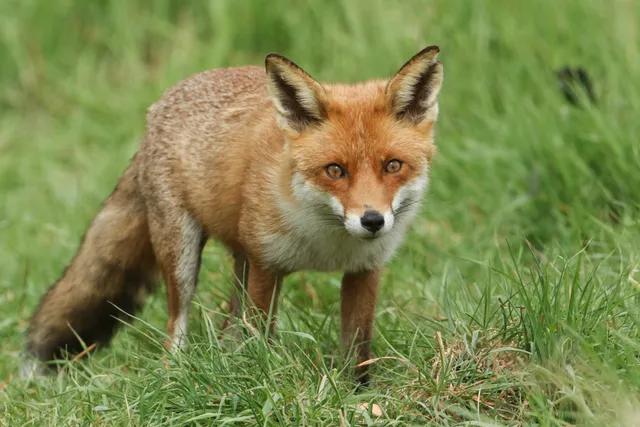
However, while it is true that they are both part of the Canidae family, it has been about 10 million years since the two diverged from a common ancestor. Red Foxes (Vulpes vulpes) are wild animals, not pets, this is very different to domestic dogs (Canis lupus familiaris).

Differences Between Dogs and Foxes
Although the two are related, they are only distant relatives, and there are some obvious and distinct differences between dogs and foxes. They both belong to the class of mammals, order of carnivora and family of canidae. But that is where it stops; around 10 million years of evolution have sent them off on their own paths.
1. Taxonomy

Vulpus is the genus that foxes belong to, so called True Foxes. The genus consists of 12 different species of fox, 4 of which are found in North America. The Red fox which is most abundant and widely distributed, the Swift fox (Vulpes velox), Arctic fox (Vulpes lagopus) and Kit fox (Vulpes macrotis).
Contrastingly there are 7 species in the genus Canis which includes the domestic dog. In North America 3 of these species are found, domestic dogs, wolves and coyotes. Foxes used to be lumped in together with the canis genus but have now been shown to be separate.
2. Lifespan
In the wild foxes live between two and four years but in captivity have been recorded up to 12 years old. The lifespan of domestic dogs depends on a lot of factors, especially their breed. Small breeds can have an average lifespan of more than 15 years, and even giant dogs, which tend to have the shortest lifespans of domesticated dogs, typically live between 8 and 10 years.
3. Domestication
Dogs have indeed been through many generations of domestication to reach their current place in our homes. Part of that stems from the fact that dogs are generally more comfortable around humans and other animals than foxes are.
Foxes are not a domesticated species. They do not tend to socialize with other animals, including people, and they are not considered pets. It takes generations of a mutually beneficial relationship for a species to become truly domesticated and so any Red foxes that are being kept as pets are tame at best rather than domesticated.
4. Physical Characteristics

Domestic dogs have been selectively bred over hundreds of years to form the wide range in breeds that we have today. They range from the tiny Chihuahua to the statuesque Great Dane. Red foxes, however, are much more similar to each other with only some differences in coloring. Red Foxes have long bushy tails, slightly upturned snouts and flatter skulls than dogs and are on average smaller and longer in the leg than dogs.
| Red Fox | Domestic Dog | |
| Naming Male/Female/Young | Dog/Vixen/Kits or Cubs | Dog/Bitch/Puppy |
| Number of teeth | 42 | 42 |
| Tail | Long and bushy | Varying shapes |
| Breeding interval | Once yearly | Twice yearly |
| Length of pregnancy | 52 days | 63 days |

Reasons You Shouldn’t Keep a Fox as a Pet
Foxes are beautiful wild animals, and they hold appeal with a lot of people because of their characteristics as well as their beauty. However, they should not be kept as pets, for a lot of good reasons.
They Are Wild Animals
Foxes are now native to a wide range of habitats including urban and rural areas. There are instances where they may become habituated to the presence of humans and will gladly take food left out for them. This should not be confused with domestication though. Foxes are not reliant on humans for their survival and are not accustomed to living with us. They should be left as wild animals to thrive in their own environment.
There are professional, experienced rescuers who keep and rehabilitate foxes should they need medical care but these wild animals are not meant to be kept as pets.

They Can Bite
Foxes are canids and as such have large canines and teeth for biting prey. While it is rare for free roaming foxes to bite people it does happen. When kept as pets, they are described as being nippy, and if people approach foxes to try and tame them, this is likely to lead to scratches and bites. It is usually stressful for foxes to be approached by humans and they will act to protect themselves.
Disease
Although foxes in the US do carry rabies, transmission of the virus to humans is thought to be exceedingly rare but is still a potential risk.
The risk to health is more to our canine companions than ourselves but should be considered. They carry a wide range of parasites such as scabies, round and tapeworms. They can carry many other viral diseases that would be of a risk to our pet dogs such as distemper, adenovirus and parvovirus.

They Need Large, Secure Enclosures
Foxes cannot be kept in the home because of their wild tendencies, described as being boisterous and destructive. They need large enclosures, which need to be kept secure, and the enclosures will need regular cleaning. Although rescuers do house and can become quite close to the foxes, they still understand that the animals are wild and not pets.
It Is Illegal
In some countries and jurisdictions, keeping foxes as pets is illegal because they are legally classified as wild animals. Keeping one as a pet can lead to hefty fines, and owners need to be licensed to keep or care for this kind of animal. Licensing is likely to prohibit the keeping of the animals in certain residential areas.

Conclusion
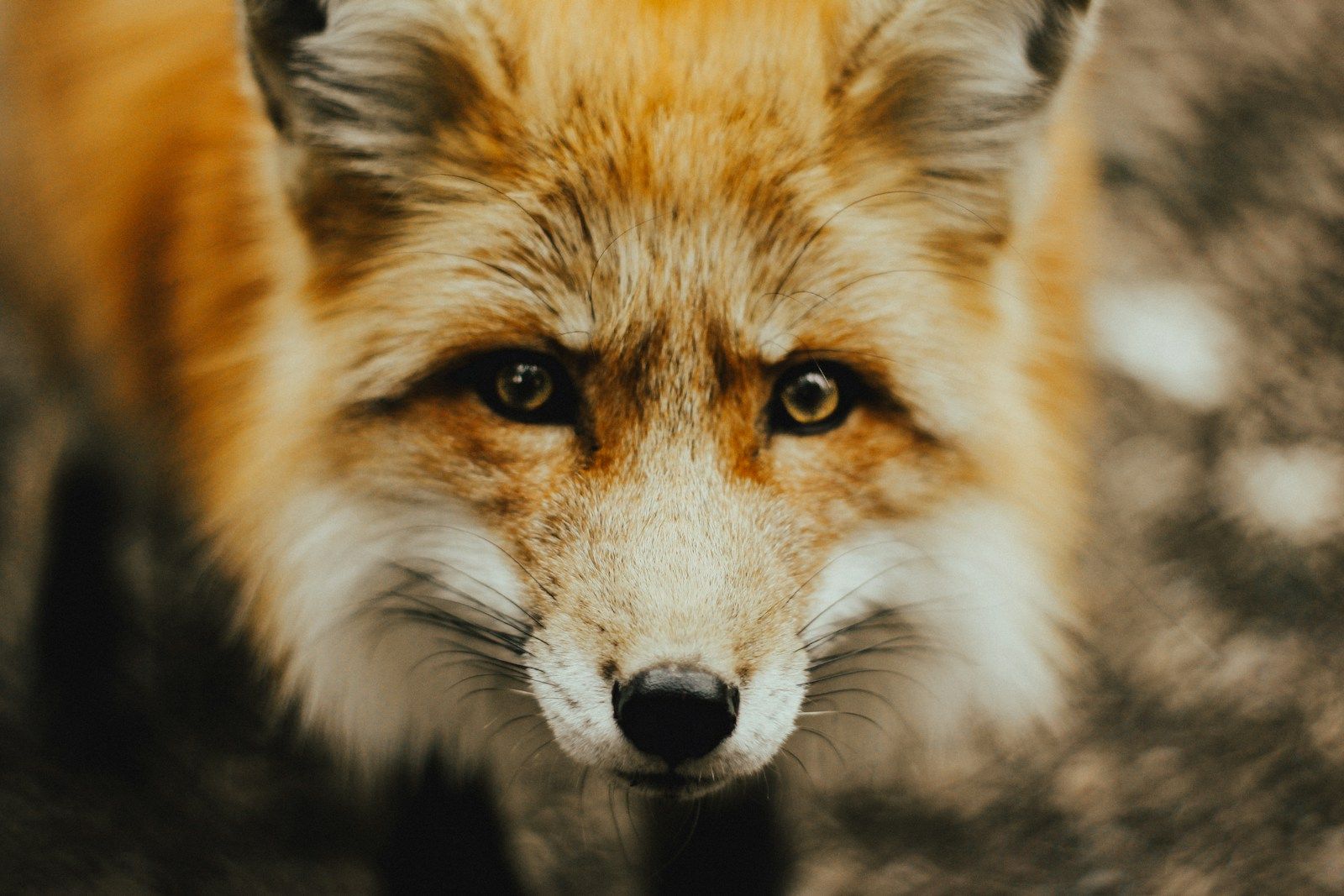
Foxes are beautiful and have a reputation for being intelligent, cunning and sly. They have not been domesticated, like dogs, and while they do come from the same canidae order of animals, and are therefore related, they are only distant relatives to the domestic dog, separated by more than 10 million years of evolutionary history.
In many countries, it is illegal to keep foxes as pets, and doing so is not recommended because they are difficult to keep, can bite, and smell. They also need a lot of care and a specialist enclosure.
For those who want a pet that looks like a fox but is domesticated and can be trained, the Shiba Inu, Norwegian Lundehund, and Finnish Spitz may be worth a look.
Sources
Featured Image Credit: Tavis Beck, Unsplash
Expert dog care, straight to your inbox
News, insights, expert advice, and everything dog.

No spam — unsubscribe anytime.
By signing up, you agree to our Terms & Conditions and Privacy & Cookies Policy.
How useful was this post?
Click a star to rate. You can leave written feedback afterwards. (We read all feedback.)
Matt is a freelance writer from the UK. He lives with his partner and daughter, as well as two cats and one dog. A data analyst by profession, Matt moved from numbers to words more than 15 years ago and has been writing ever since. Having volunteered at a local animal sanctuary, he has a lot of experience with dogs, cats, and horses. Matt has also kept bearded dragons, a variety of birds, fish, guinea pigs, hamsters, mice, and rats. His daughter has adopted the same passion for animals, keeping and breeding snakes. A geek at heart, Matt is a member of a local board gaming group and regularly forces his family to “enjoy” board games with him at home.