Pomeranian vs Maltese: Key Differences Explained (With Pictures)

In this article
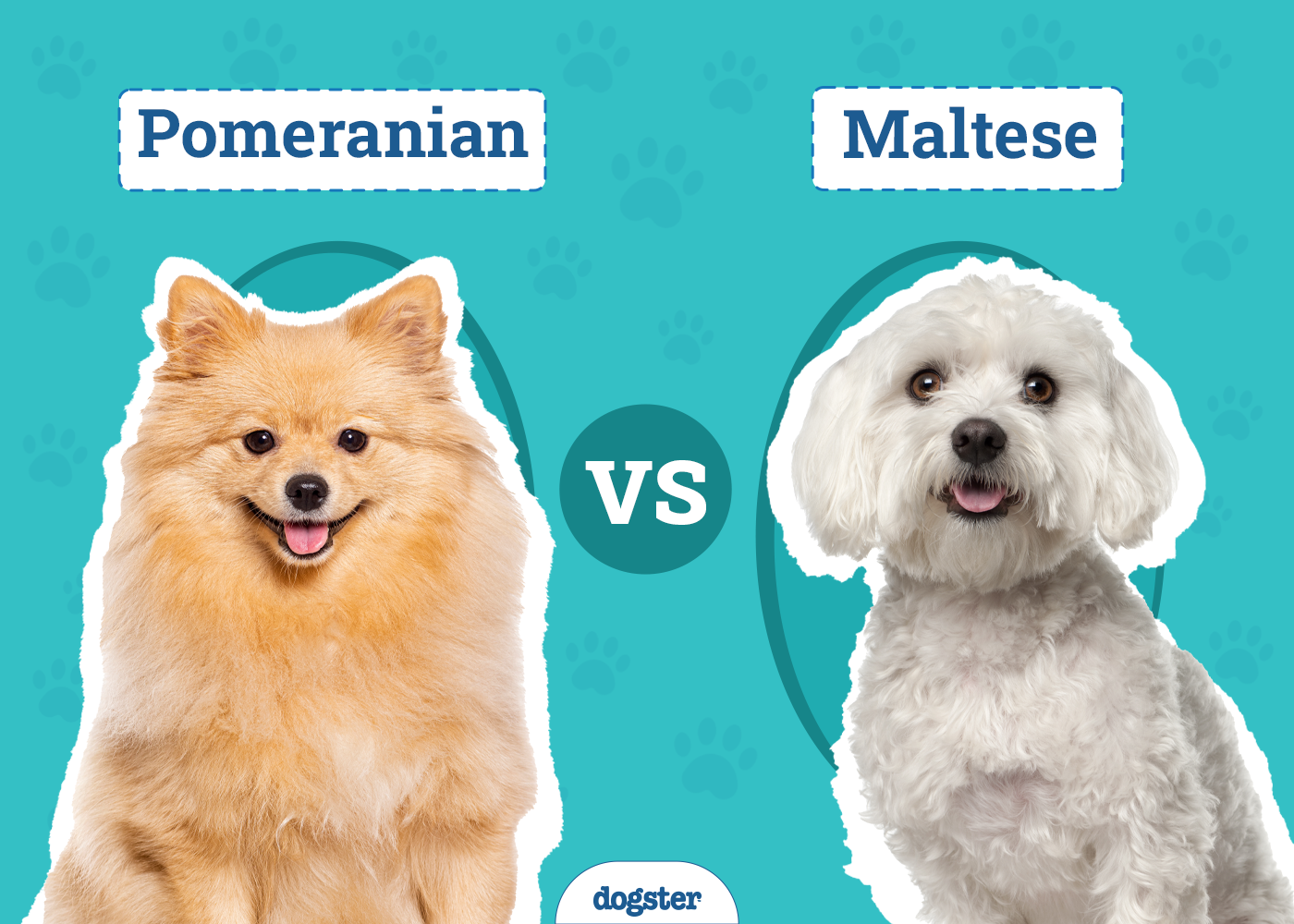
Choosing between a Pomeranian and a Maltese requires more than selecting the cutest dog. It’s about understanding each breed's characteristics, temperaments, and needs and deciding which aligns best with your lifestyle, preferences, and living conditions.
Both breeds have their charm, uniqueness, and appeal. They also share similarities in size, weight, and lifespan. However, their personalities and needs differ, which can significantly influence your choice. Below, we'll discuss the enchanting world of the Pomeranian and Maltese to find out which is the ideal pet for you.

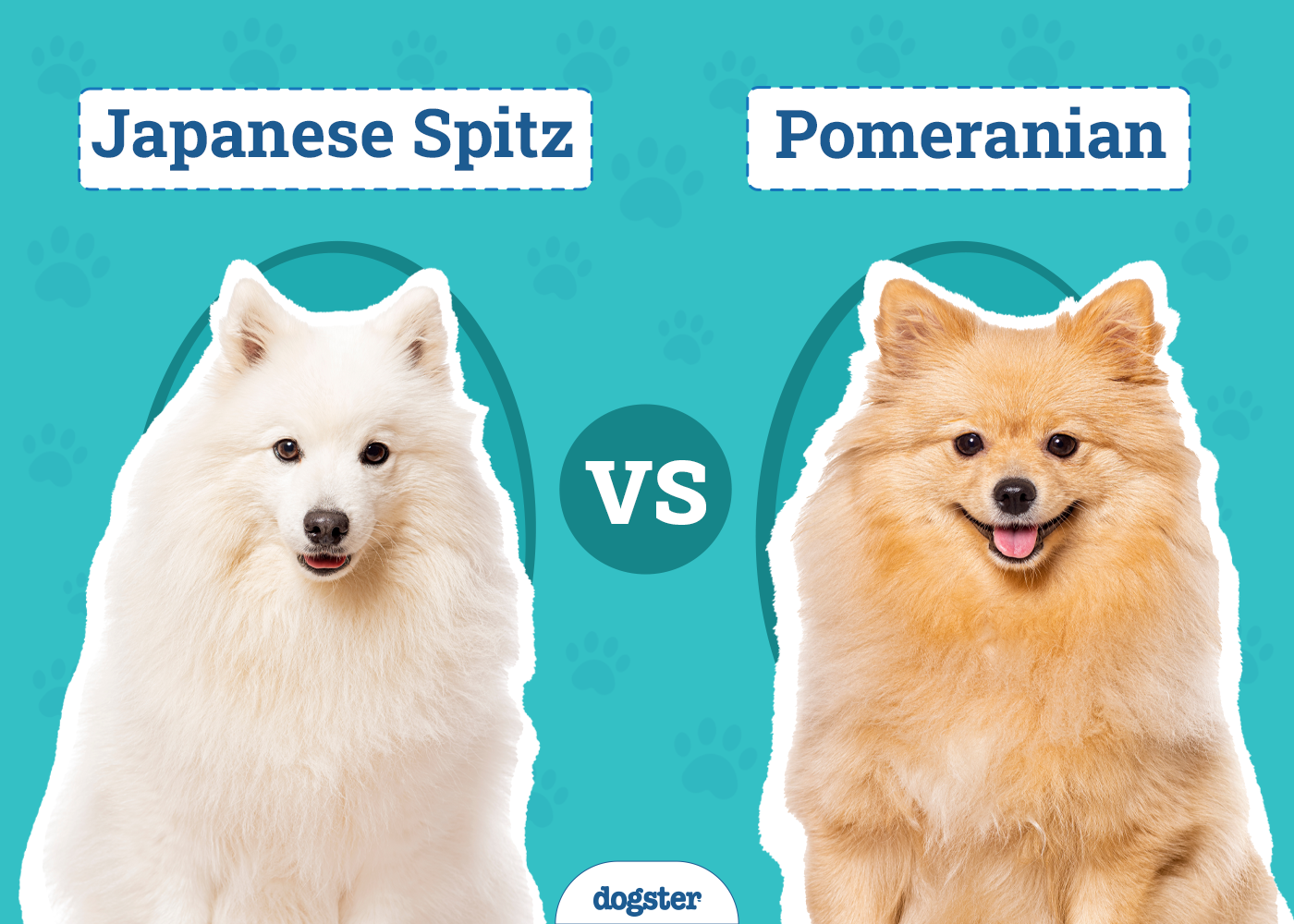
Visual Differences

At a Glance

Pomeranian Overview

Personality/Character
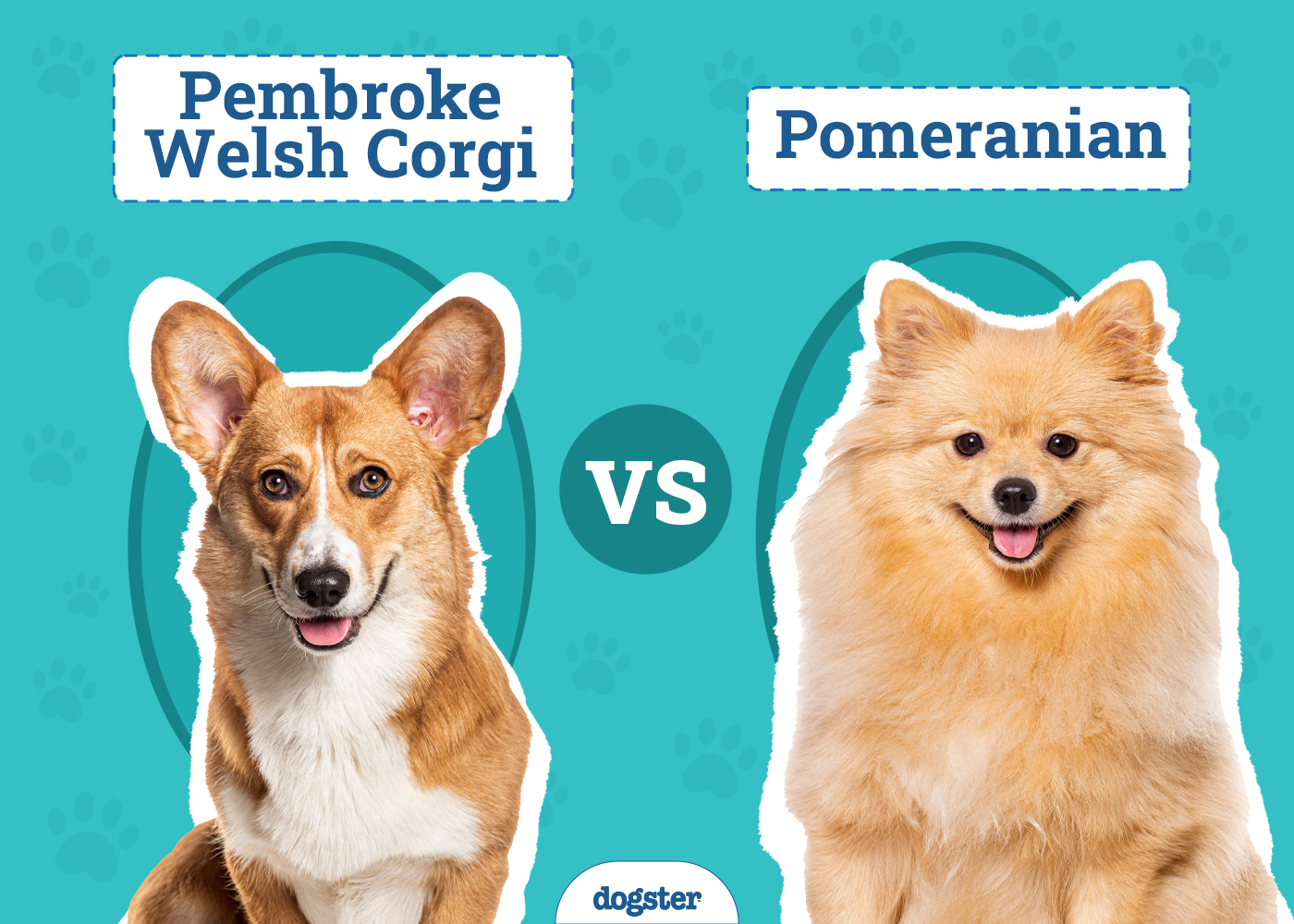
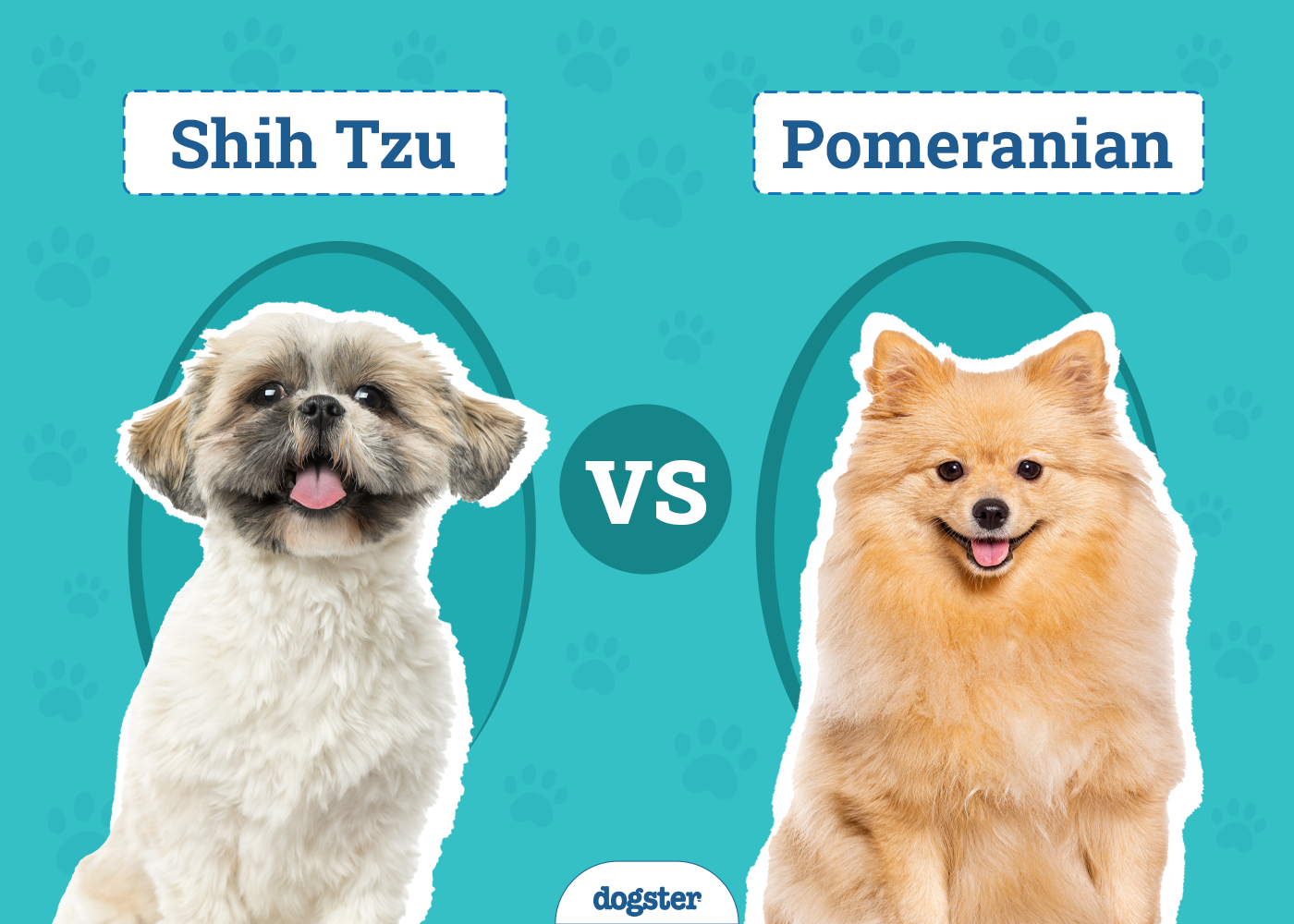
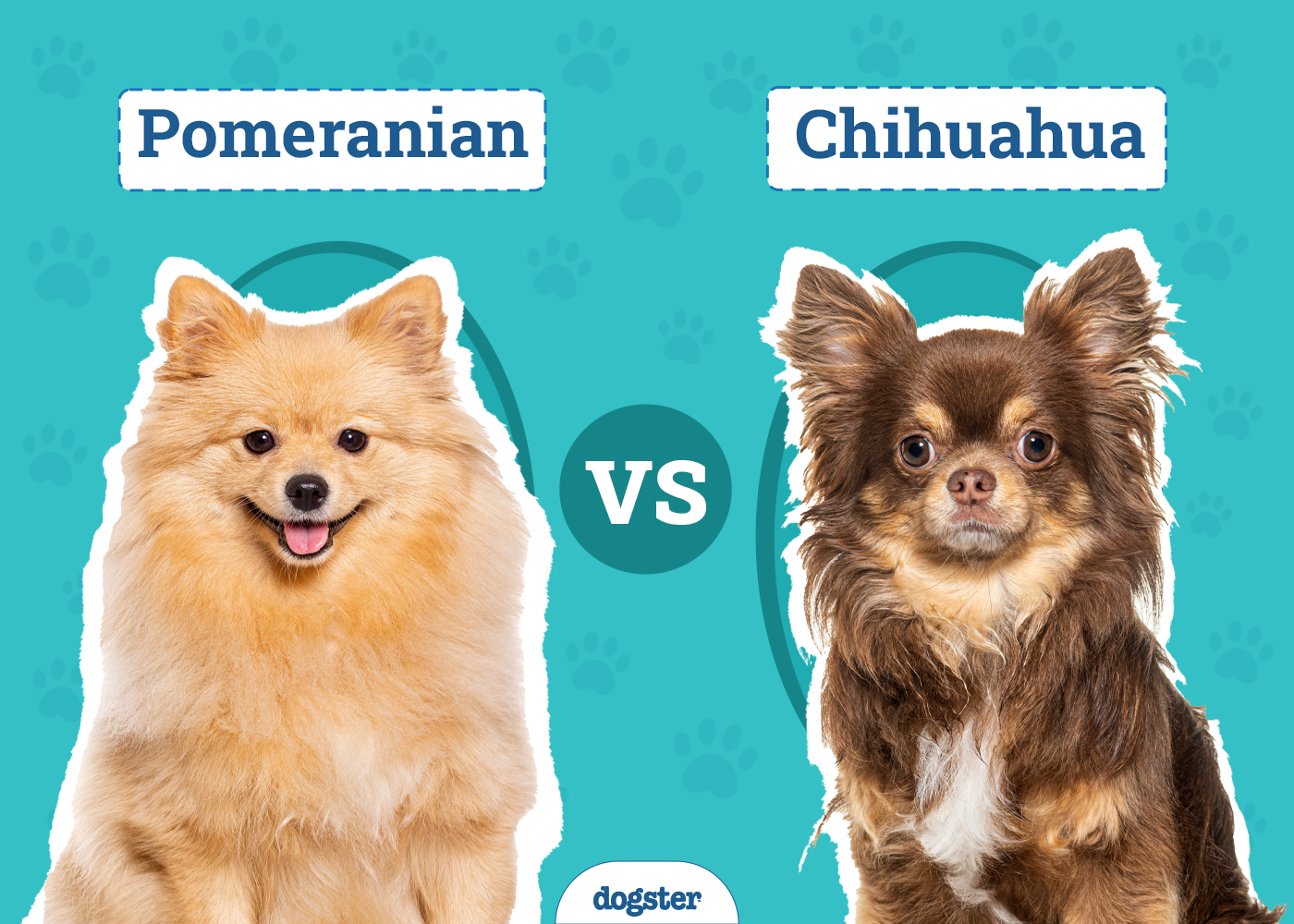
If you’ve ever been around a Pomeranian, you're familiar with their energetic nature. It’s all part of the personality that makes up this small, energetic breed. Pomeranians, affectionately known as Poms, pack a lot of personality into their small frames.
They are known for their bold, outgoing nature. Despite their small stature, they are assertive and aren’t afraid to make their presence known. However, Poms are also intelligent and curious, and they are quick learners, always ready for a mental challenge. It's their love for learning that makes them excellent participants in dog competitions.
Moreover, their friendly and sociable nature makes them ideal for families. They typically get along with children and other pets, provided they are adequately socialized. However, due to their small size, interactions with young children should be supervised to prevent accidental injuries.
Training 🎾
When it comes to training, Poms are pretty accommodating. Their intelligence, combined with a strong responsiveness to reinforcement, makes them quick learners. They can quickly pick up commands and tricks, making them a joy to train. However, potty training can be a challenge.
Poms can also be independent and stubborn, so using consistent, positive reinforcement training methods is important. They respond well to treats and praise, so reward their good behavior as they progress during training sessions. Pomeranians can be sensitive, so harsh training methods are not recommended.

Health & Care
Pomeranians are generally healthy, but like all breeds, they are vulnerable to some health conditions. Due to their small mouths, dental issues are a common problem in Poms. Regular teeth cleaning can help prevent dental diseases. They can also be prone to tracheal collapse, a condition that affects their breathing, luxating patella, and certain cardiac and skin conditions.
Regular vet check-ups are necessary to monitor their health and catch potential issues early. A balanced diet is also important to keep them healthy and maintain their lush coats.
Breeding
Breeding Pomeranians requires knowledge and experience. Pom puppies are incredibly tiny and require careful handling to prevent injuries. The mother’s health should be a top priority, and she should be screened for genetic diseases that can be passed on to the puppies.
It’s essential to consult a vet and a professional breeder before breeding Pomeranians. They can provide valuable guidance on the best practices to ensure the health and well-being of both the mother and the puppies.

Suitable For:
Pomeranians are versatile dogs that can adapt to various living situations. They are suitable for families, singles, and seniors as long as they provide ample attention and care. They do well in apartments and houses and don’t require much space as long as they have a safe area to play and explore.
Pros
- Intelligent and easy to train
- Sociable and can get along well with families and other pets
- Adaptable to various living situations
Cons
- Can show independent and sometimes inconsistent responses to training
- Require regular grooming due to their thick coat
- May be too fragile for families with very young children

Maltese Overview

Personality/Character
If the word “endearing” had a canine embodiment, it would be the Maltese. They are known for their affectionate nature and charming demeanor. They are gentle yet lively and always willing to be the life of the party. Although Maltese dogs are small, they are fearless and have a personality that far exceeds their size. They can be outgoing and adventurous, displaying a zest for life that’s infectious.
When it comes to their family, Maltese dogs are incredibly friendly and loyal. They form strong bonds with their humans and love spending time with them. However, they can be somewhat reserved or cautious around strangers. This trait can make them alert to unfamiliar stimuli, but they require training and socialization to prevent excessive barking.
Exercise 🐕
With their lively and energetic nature, Maltese dogs require about 20–30 minutes of daily exercise. They enjoy several activities, from brisk walks to playing fetch in the yard. Their agility and intelligence also make them good candidates for dog sports like obedience and agility trials.
Regular exercise is not just about physical health for Maltese; it also keeps them mentally stimulated and happy. A well-exercised Maltese is a well-behaved Maltese, so ensure they get their daily dose of activity.

Training 🎾
Maltese dogs are clever and quick to learn, but can show independent or inconsistent responses during training. This characteristic might present some challenges during training. However, they can be trained effectively with patience, consistency, and positive reinforcement.
It’s important to start training early and to make the sessions fun and rewarding for them. Socialization from a young age is also crucial for a well-rounded, well-behaved Maltese.
Health & Care
Maltese dogs are generally a healthy breed, but they have some breed-specific health concerns. The most notable are dental disease, luxating patella, and certain cardiac conditions. Regular veterinary check-ups can detect and manage these conditions early.
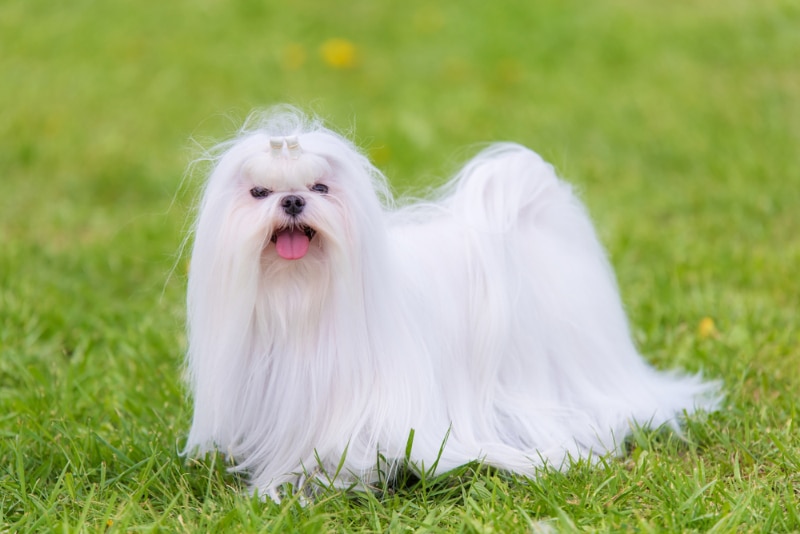
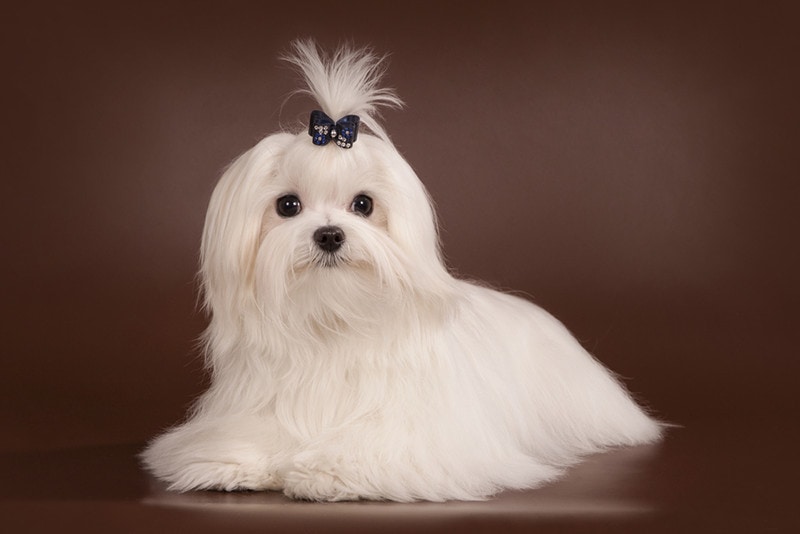
One distinctive characteristic of Maltese dogs is their gorgeous, long, white coat. Regular grooming is essential to keep their coat in good condition and to prevent matting and skin problems.

Breeding
Breeding Maltese dogs is a task that should not be taken lightly. It requires a thorough understanding of the breed, particularly concerning their unique needs related to their size and coat. If you’re considering breeding Maltese dogs, it’s highly advisable to seek professional advice to ensure the health and well-being of the puppies and the mother.
Suitable For:
Maltese dogs are an excellent choice for individuals or families who can provide plenty of attention and love. They thrive in environments where they are included in daily activities and have a chance to burn off their energy. They adapt well to both apartment living and larger homes as long as they have enough space to play and stay active.
Pros
- Lively and energetic, bringing life to any home
- Loyal and affectionate toward their family
- Alert and may vocalize at unfamiliar stimuli
Cons
- Might be snappy toward small children
- Can show independent or inconsistent responses during training
- Prone to frequent vocalization if not appropriately trained
Comparing the Pomeranian and Maltese
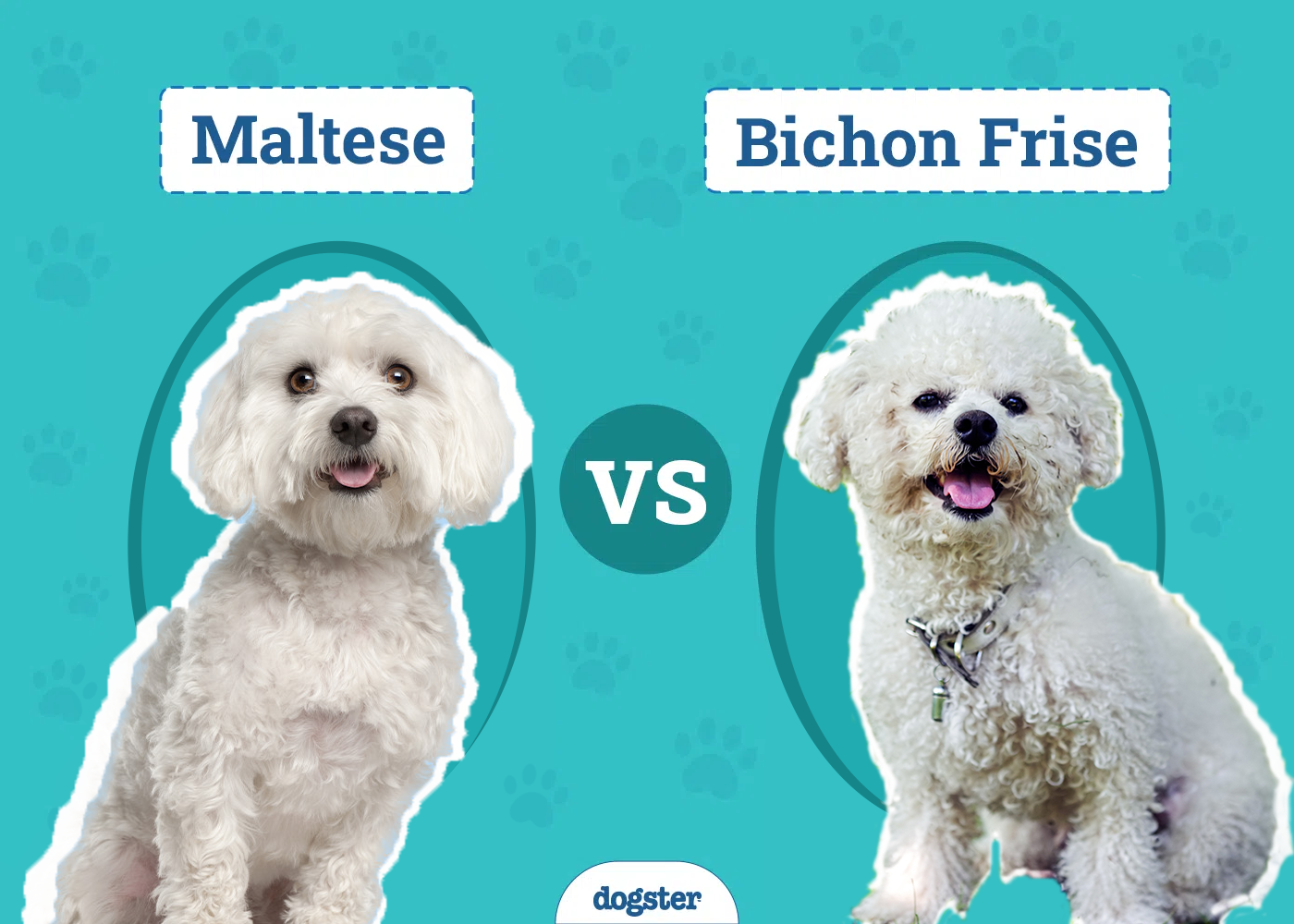
Observing the similarities and differences beyond the surface level is vital when comparing the Pomeranian and the Maltese. Though both breeds are small in size, they have unique attributes that set them apart.
With their bold and lively nature, Pomeranians have an assertive streak that makes them seem larger than they are. They are intelligent, outgoing, and have an air of curiosity that makes them incredibly engaging. They can be easier to train in some cases due to their responsiveness to reinforcement and engagement with training activities, and can quickly pick up on new commands.
On the other hand, Maltese dogs, while equally engaging, are gentler and endearing. They carry an affectionate and playful personality that often makes them the favorite in a crowd. The Maltese are lively and spirited, ready for a game or adventure. However, they can require patience and consistency during training.
Ultimately, both breeds have unique pros and cons, and the choice between a Pomeranian and a Maltese largely depends on personal preferences, lifestyle, and the kind of canine companion one is looking for.

Which Breed Is Right for You?

Choosing between a Pomeranian and a Maltese largely depends on your preferences and lifestyle. Both breeds make excellent companions and bring unique characteristics to the table. A Pomeranian may be a good fit if you prefer a dog with a bold and outgoing personality and one that is often responsive to training with consistent positive reinforcement.
However, if you’re looking for an energetic and playful dog and you don’t mind that training may require patience and consistency, a Maltese might be the better choice. Ultimately, whichever breed you choose, both Pomeranians and Maltese offer love, companionship, and plenty of joy to their human families.
See Also:
Sources
Featured Image Credit: Top - ignartonosbg, Pixabay | Bottom - Muffin Creatives, Pexels
Expert dog care, straight to your inbox
Vet-reviewed advice, training tips, and the best of Dogster. Free, and you can unsubscribe anytime.
By signing up, you agree to our Terms & Conditions and Privacy & Cookies Policy.
Nicole has loved animals of all sizes her whole life so it's no wonder she has dedicated her career to helping them through what she loves best: learning, writing, and sharing knowledge with others. She’s the proud mom of two dogs, a cat, and a human. With a degree in Education and 15+ years of writing experience, Nicole wants to help pet parents and pets around the planet to live happy, safe, and healthy lives.
Join the conversation
Ask a question, share your story, or send private feedback.