Papillon vs Pomeranian: What's the Difference? (With Pictures)


In this article
When comparing Papillons and Pomeranians, it’s important to consider their differences in appearance, personality, and care requirements. Both breeds are small, intelligent, and adaptable, but their specific characteristics might make one more suitable for your lifestyle than the other.

Visual Differences

At a Glance

Papillon Overview

If you are looking for a regal yet friendly dog, the Papillon is an ideal choice. This toy breed hails from France and Belgium and is known for its distinct butterfly-like ears as well as its outgoing personality. Intelligent, adaptable, and charming in appearance, this pet has become increasingly popular among devoted animal lovers everywhere!
Physical Appearance
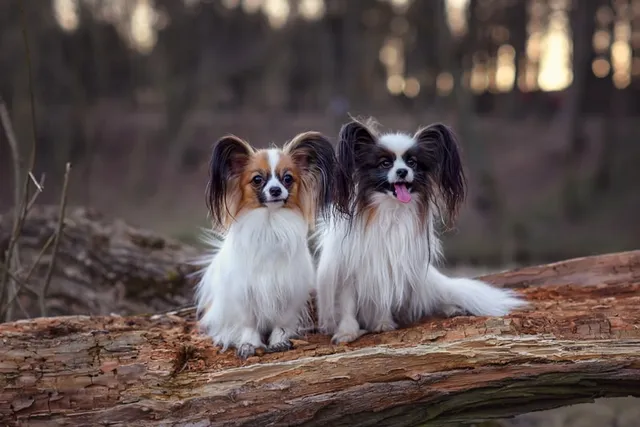
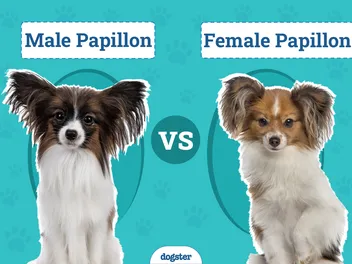
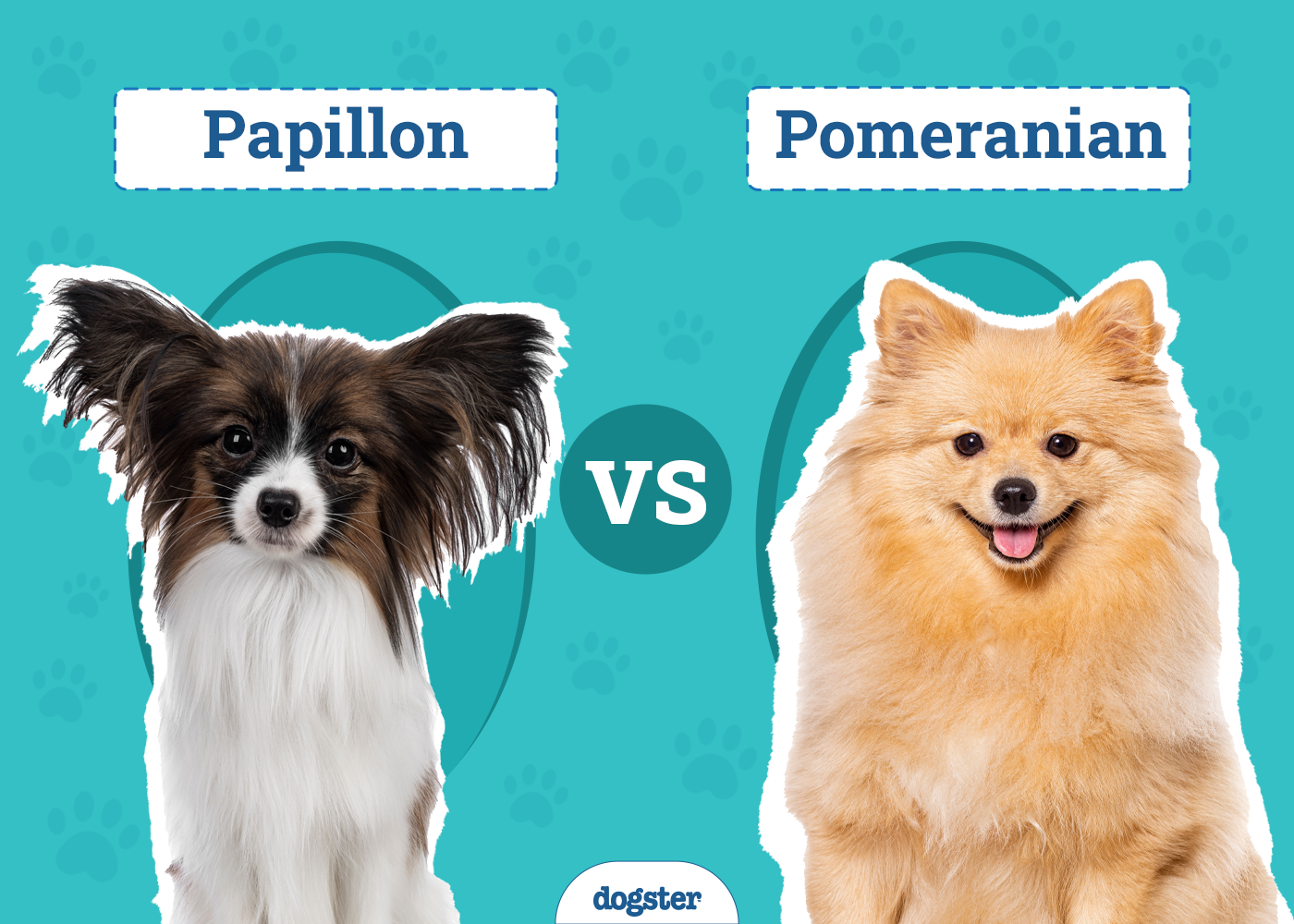
Papillons are known for their unique features—most noticeably, their incredibly large ears that look like butterfly wings! They have a long and luxurious coat of white fur with patches in shades such as red, sable, or black. The delicate structure of these dogs is accentuated by the tail, which is carried over the back with a plume of long hair.
Personality/Character
If you’re looking for an adoring, friendly, and social pup, look no further than the Papillon! Alert and curious with a playful personality that makes them ideal family pets, these high-energy pups are sure to bring lots of joy into your home. With their spirited attitude and endless enthusiasm for life, it’s easy to see why many people love Papillons.
Exercise 🐕
Papillons need regular exercise and brain stimulation to stay healthy and content. Taking them on daily strolls, playing with them, and engaging in training activities will all contribute to keeping their minds active.
Despite being small dogs, they have an extraordinary amount of energy that can be channeled into participating in doggie sports such as agility trials, obedience events, or rally exercises—something you should consider if you’re looking for ways to entertain your pup!
Training 🎾
Papillons are smart and enthusiastic to please, making training not only straightforward but also pleasant. Positive reinforcement is a great way for them to learn various commands and tricks. Socializing early on, as well as consistent teaching, can help produce an obedient Papillon dog.

Health & Care
Papillons are typically healthy canines. However, they may be prone to certain health issues such as patellar luxation, dental troubles, and progressive retinal atrophy. Therefore, it is imperative that these dogs have regular veterinary check-ups for monitoring of any potential illnesses, along with providing proper dental care.
Additionally, their long, silky coat will need to be groomed frequently to avoid matting and keep them looking gorgeous.
Breeding
By following responsible breeding practices, breeders can focus on the well-being of their dogs while maintaining health and upholding breed standards. Reputable individuals will be sure to screen for any potential issues that could affect the physical or mental state of the animals they use in reproduction.
With these precautions, both pets and people benefit from a healthy population that adheres to strict guidelines.
Suitable For:
Whether living in an apartment or a house, alone or with family, seniors and singles alike are all suitable candidates for owning a Papillon pup. These social pooches are highly adaptable, given they receive enough attention, physical activity, and mental stimulation. With lots of love and care, Papillons are perfect companions to those wanting love and some added excitement!
Pros
- Social and adaptable
- Intelligent and easy to train
- Long lifespan
Cons
- Requires regular grooming
- May have a high prey drive

Pomeranian Overview

The Pomeranian, a small and charismatic dog breed originating from the Pomerania region in Northern Europe, is a beloved member of the toy group. With their fluffy, “lion-like” appearance and spirited personality, Pomeranians have captured the hearts of dog enthusiasts worldwide.
Physical Appearance
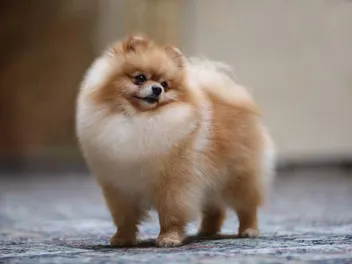
Pomeranians boast a double coat consisting of a dense, soft undercoat and a straight, long outer coat. They come in a variety of colors, including orange, cream, black, and sable. One of their most notable features is their plumed tail, which gracefully arches over their back. Their small, compact size and alert expression make them an appealing choice for many dog lovers.
Personality/Character
Pomeranians are known for their bold, curious, and sometimes independent nature. They often form strong attachments to their owners, making them excellent companions. Despite their small stature, Pomeranians exhibit a confident and larger-than-life personality.
Exercise 🐕
Pomeranians have moderate energy levels and require daily physical activity to stay healthy and content. They can be satisfied with indoor play, short walks, or engaging in interactive games. They also enjoy participating in canine sports, such as agility and obedience, which provide mental stimulation and physical exercise.

Training 🎾
Pomeranians are intelligent dogs, but their independent streak can make training a bit more challenging. Patience, consistency, and positive reinforcement techniques are key to effectively training a Pomeranian. Early socialization and ongoing training will support the development of a well-mannered and adaptable pet.
Health & Care
Pomeranians are generally healthy but may be predisposed to certain health issues, such as patellar luxation, dental problems, and tracheal collapse.
Regular veterinary check-ups, dental care, and attention to potential health issues are vital. Pomeranians have high grooming needs due to their thick double coat, which requires frequent brushing to help prevent tangles and maintain coat and skin health.
Breeding
This breed is good for families, singles, and seniors in a variety of living situations. Pomeranians can adapt well to different environments, including apartments and houses. They are best suited for those with some familiarity with training small companion dogs and are willing to invest time in training and grooming.
Suitable For:
This breed is good for families, singles, and seniors in a variety of living situations. Pomeranians can adapt well to different environments, including apartments and houses. They are best suited for those with experience handling independent breeds and are willing to invest time in training and grooming.
Pros
- Compact size, suitable for apartments
- Loyal and affectionate
- Long lifespan
Cons
- High grooming needs
- May be stubborn in training
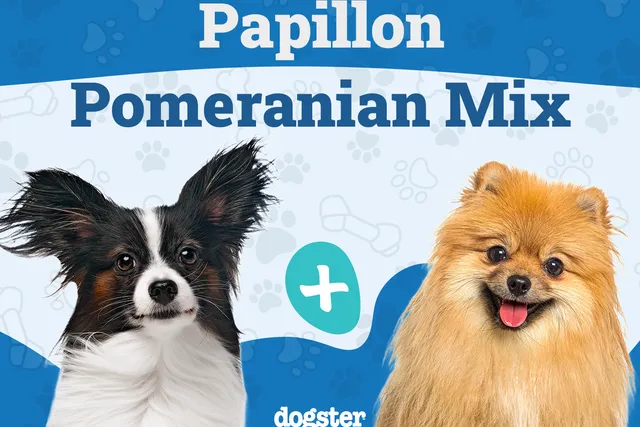
You may be interested in: Paperanian (Papillon Pomeranian Mix): Info, Pictures & Care

Which Breed Is Right for You?

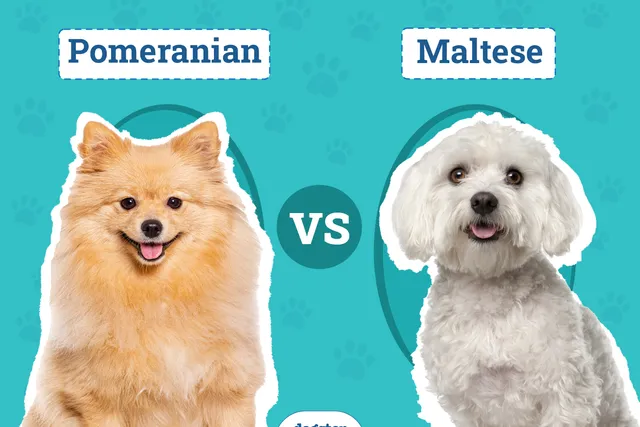
Your choice between a Papillon and a Pomeranian depends on your lifestyle, living situation, and personal preferences. If you value an outgoing, easy-to-train companion, the Papillon may be the best fit. If you prefer a smaller, more independent, and bold dog, the Pomeranian could be the right choice.
Always consider things like grooming requirements, exercise needs, and compatibility with other pets and family members when making your decision. After all, you want your new addition to the family to fit in and get along with everyone (and everything) under your roof.
Featured Image Credit: Top - Papillon (Alexas_Fotos, Pixabay) | Bottom - Pomeranian (Hutsun, Shutterstock)
Expert dog care, straight to your inbox
News, insights, expert advice, and everything dog.

No spam — unsubscribe anytime.
By signing up, you agree to our Terms & Conditions and Privacy & Cookies Policy.
How useful was this post?
Click a star to rate. You can leave written feedback afterwards. (We read all feedback.)
Nicole has loved animals of all sizes her whole life so it's no wonder she has dedicated her career to helping them through what she loves best: learning, writing, and sharing knowledge with others. She’s the proud mom of two dogs, a cat, and a human. With a degree in Education and 15+ years of writing experience, Nicole wants to help pet parents and pets around the planet to live happy, safe, and healthy lives.