Pomeranian vs Chihuahua: Notable Differences & Similarities


In this article
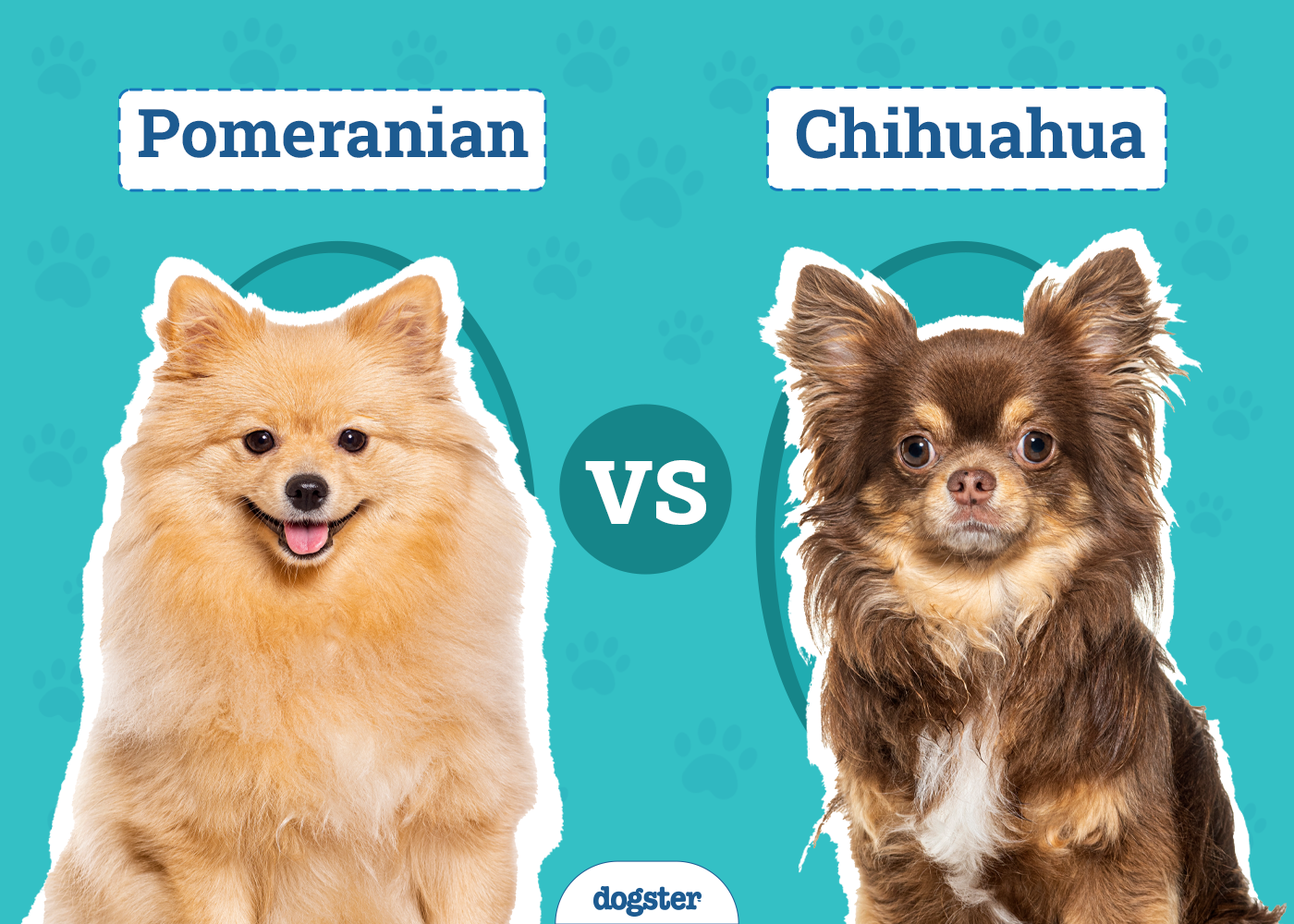
While Pomeranians and Chihuahuas have much in common, some stark differences set them apart. If you’re considering adopting one of these adorable yet feisty pups into your home, you must learn more about their personalities, training needs, and health. Neither breed is the perfect fit for just any home, so it’s best to familiarize yourself with both to find the ideal fit for your family and lifestyle. Read on to learn more about the differences between Pomeranians and Chihuahuas to help make the decision-making process a smidge easier.

Visual Differences

At a Glance

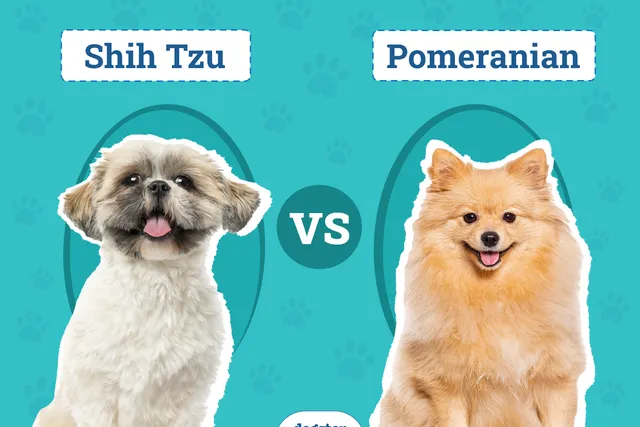
Pomeranian Overview
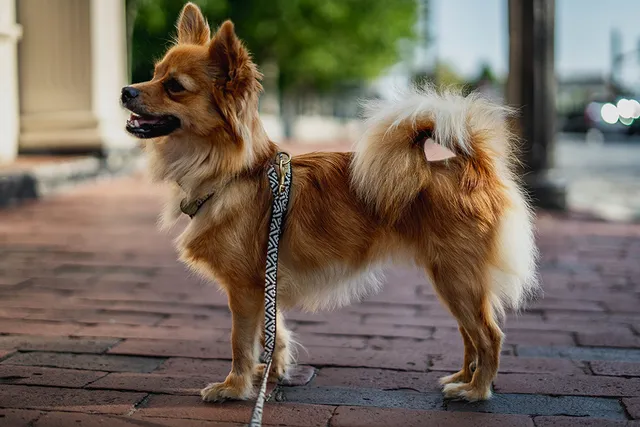
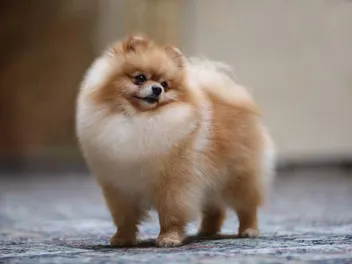
Pomeranians are Spitz-type dogs named after the Pomeranian region in Central Europe. This toy breed developed from a larger German Spitz type. They came into popularity after members of royalty began keeping them as pets.
Queen Victoria is the most well-known royal Pomeranian owner. Her dog was smaller than other Poms of the time, igniting public interest in the smaller variety.

Personality/Character
Pomeranians may be small, but they have huge personalities. Don’t let their short stature fool you; this breed can make effective alert watchdogs.
They’re highly intelligent, lively, and playful. Poms are often outgoing and love to be the center of attention. That said, some individuals may display behaviors such as nipping toward other dogs or people, particularly if fearful, overstimulated, or insufficiently socialized. They can also become pushy or resistant to cues if they’re not well-trained or socialized.
Poms, in general, can learn to live happily alongside other dogs and even cats.
Training 🎾
Training a Pomeranian is just as important as training any other dog breed. They sometimes develop a habit of barking excessively and can become protective of their territory. The earlier you start training, the less likely it is that you will create such patterns.
Pomeranians respond well to praise and clicker training. In addition, most enjoy mentally stimulating activities and games, so it is best to try incorporating these into your training sessions.
The Pomeranian's dense double coat requires regular grooming, so potential owners must learn about touch desensitization. This will help keep your pup calm during grooming and reduce the risk of fear- or stress-related defensive behaviors.
The breed can be trickier regarding house training, so patience and consistency are key.

Health & Care
Pomeranians are generally healthy little pups with lifespans of up to 16 years. That said, they may be prone to certain health conditions. Hypoglycemia occurs when there’s a sudden drop in blood sugar, and it is most common in small dogs and puppies under three months. Pomeranians may also be prone to eye issues such as keratoconjunctivitis sicca (dry eye), cataracts, distichiasis, and tear duct issues.
As with many other small dog breeds, Pomeranians are at higher risk of developing tracheal collapse. This occurs when the small cartilage rings that maintain the trachea’s shape become too weakened or lose rigidity. When a dog with this condition inhales, the airway may partially collapse, making it more difficult for air to enter the lungs.
Some Pomeranians may develop skin or joint issues. If this is the case for your pup, you can talk to your vet about whether omega-3 fatty acids or joint supplements may be appropriate as part of a broader management plan.
Suitable For:
Because they are companion dogs that benefit from regular interaction, Pomeranians tend to do best in homes where they are not left alone for extended periods and receive consistent attention and enrichment. They’re also great for families with children who are old enough to know how to respect their canine family members.
Finally, since they’re so small, they’re great for people who live in apartments as long as you’re trying to train them so they don’t bark excessively.

Chihuahua Overview
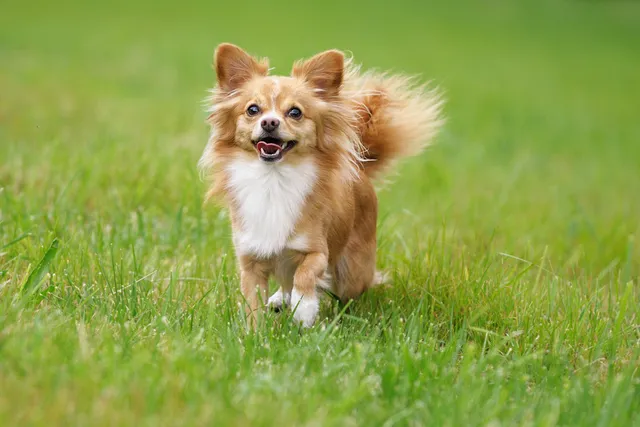
The Chihuahua is a Mexican toy dog named after the Mexican state of Chihuahua. The breed was first noticed in the mid-19th century and is thought to descend from the Techihi, a now-extinct small companion dog kept by the Toltec culture as far back as the 9th century.

Personality/Character
We can thank the circa 2000s Paris Hilton for perpetuating the myth that all Chihuahuas are lap dogs. Any Millennial can recall when the heiress would carry her sweet little pup around in her purse like a fashion accessory. While Chihuahuas can be lap dogs, most new owners are surprised to find out that they’re highly energetic and would prefer running and playing to sleeping (or being toted around in a purse, we imagine).
Chihuahuas are playful and affectionate. They’re quick to bark, making them excellent alert watchdogs, but their small size makes them ineffective protectors. They can be wary around strangers and are often less socially inclined toward unfamiliar dogs without proper socialization.
Training 🎾
Like Pomeranians, Chihuahuas can be feisty, and many don’t realize just how small they are. They are bold and unafraid to challenge much larger dogs. Therefore, it is very important for training to begin as soon as possible with a Chihuahua puppy.
Chihuahuas are spunky and intelligent, and need consistent obedience training to stay on their best behavior. They do best with varied and short training sessions. Set yourself up for success by training them using high-value treats and positive reinforcement in a structured setting to keep them engaged.
House training a Chihuahua is often more challenging due to their small bladder size and sensitivity to environmental factors such as cold or rain. They’re tiny and sneaky, so you’ll likely find them toileting around your home in secret places until they’ve been completely house-trained.

Health & Care
Like Pomeranians, Chihuahuas have very long lifespans. In fact, they’re one of the longest-living breeds, living on average between 14 and 16 years. However, though they’re generally healthy, they have some conditions they may be prone to.
Obesity is a preventable condition that is common in Chihuahuas. Unfortunately, weight gain can be hard to recognize, especially in long-haired Chihuahuas. Still, all owners need to keep tabs on their pet’s weight as canine obesity can lead to other secondary issues like diabetes or orthopedic disease, and cardiovascular strain.
Chihuahuas may develop medial patellar luxation, as there may be a significant hereditary component. This condition occurs when the kneecap slips out of its usual position. However, it will sometimes return to its rightful position on its own, though surgery is sometimes necessary.
Heart disease, particularly degenerative mitral valve disease, is a leading cause of death in senior Chihuahuas. A large proportion of these cases are associated with age-related valve degeneration. This condition can sometimes be detected with a stethoscope. If your Chihuahua has a heart murmur or other signs of heart problems, it’s highly recommended that you perform further testing to determine the severity of the disease.
Suitable For:
Chihuahuas don’t have high exercise requirements, so they’re a great option for senior owners or families who don’t have much time to commit to extended periods of exercise per day. Their compact size makes them perfect for apartment or city life, but because they’re barky, they need proper training to live harmoniously with uptight neighbors.
They can make great family pets when treated respectfully and fully trained but may snap at strangers or small children whom they deem threatening.

Which Breed Is Right for You?

Pomeranians and Chihuahuas have a lot in common. They’re both small, feisty, with bigger-than-life personalities. Despite their short stature, they both may behave as if they are larger than they are and can display reactive or defensive behaviors in certain situations.
If you have other pets, you’ll need to consider their needs before bringing a new puppy home. For example, Pomeranians can get along well with other dogs and cats after socialization, while Chihuahuas are less likely to befriend other dogs without proper socialization. That said, many Chihuahua owners report their dogs being well-behaved around cats after they’ve been properly introduced and socialized.
Regardless of which breed you ultimately decide is right for your family, proper training and socialization are key. Without training, you could have a snappy, ill-behaved, and yappy pup on your hands.
Sources
Featured Image Credit: (L) Jumpstory | (R) Galina Kovalenko, Shutterstock
Expert dog care, straight to your inbox
News, insights, expert advice, and everything dog.

No spam — unsubscribe anytime.
By signing up, you agree to our Terms & Conditions and Privacy & Cookies Policy.
How useful was this post?
Click a star to rate. You can leave written feedback afterwards. (We read all feedback.)
Chantelle is passionate about two things in her life – writing and animals. She grew up on the prairies of Canada surrounded by animals and as an adult, she choose to share her home with five cats, two guinea pigs, and a bearded dragon. Chantelle, her husband, and their child take great pride in being great animal parents- the ones who spend a thousand dollars on wall-mounted cat shelves so that their cats can have an indoor jungle gym all year round. When Chantelle isn’t snuggling her cats on the couch or taking pictures of them being funny, she’s outside exploring in the Rocky Mountains, binging the same shows on Netflix over and over, and reading about whatever random topic pops into her brain.