Havanese vs. Maltese: The Key Differences (With Info & Pictures)


In this article
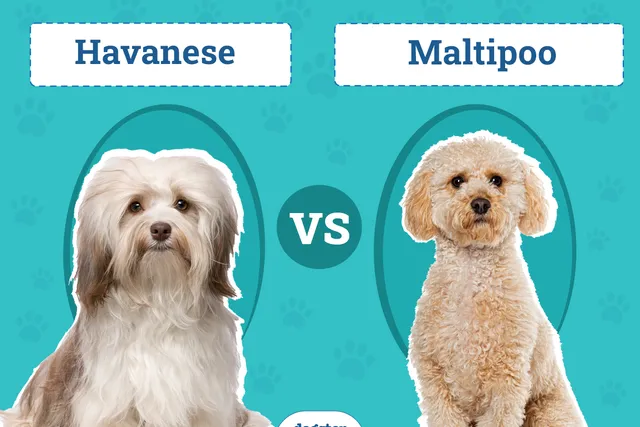
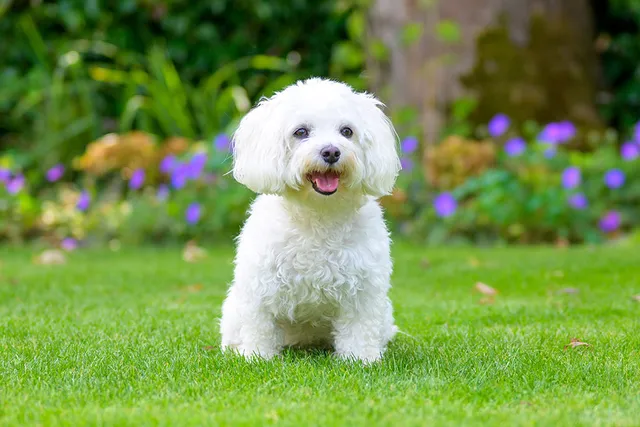
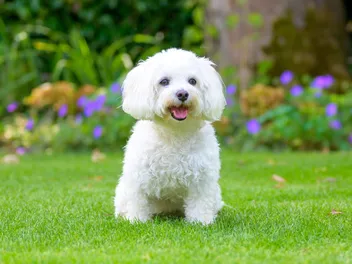
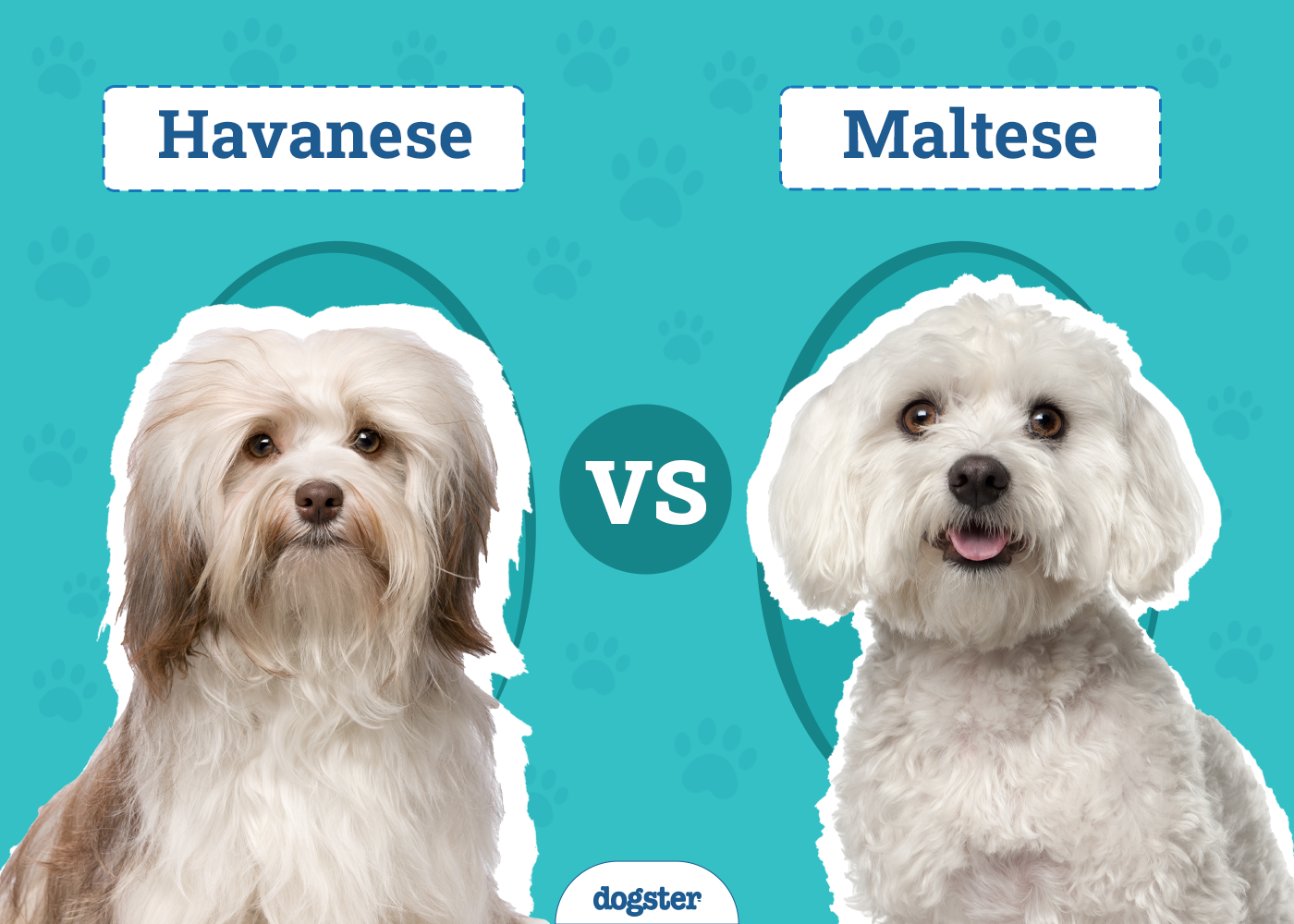
The Havanese and Maltese are small breeds, and both are affectionate, loyal, and intelligent. They even look alike! But while there are similarities between these two dogs, there are also a few differences to be aware of. As a prospective pet owner, you owe it to yourself and your new pup to learn all that you can about the Havanese and the Maltese before deciding which breed is right for your household.

Visual Differences

At a Glance

Havanese Overview

As the National Dog of Cuba, the Havanese was first bred in Havana during the 16th –18th centuries, descending from bichon-type dogs brought by Spanish settlers. They were renowned for their small size and gentle disposition and grew in popularity throughout the country. In the 18th and 19th centuries, this little dog was introduced to other parts of the world, including France, Spain, and England, via ships. The Havanese became all the rage in England. Eventually, they made their way to the United States, where they remain beloved pets today.
Personality / Character
The Havanese has a reputation for being super friendly and social. These sociable dogs are generally good with children and other pets alike, and they enjoy being outdoors and traveling with their human companions. They can sometimes be stubborn, especially during training sessions. Therefore, patience and consistent positive-reinforcement-based training are sometimes necessary. These active but adaptable dogs don’t need much space to run and play due to their size, but they still benefit from regular daily physical and mental enrichment, and they definitely tend to look for a lap to snooze during their downtime.

Training 🎾
This small dog breed is generally willing and able to participate in obedience and agility training from the time that they are puppies. Their attentive personality can make training easier, though they do have a stubborn side that can become a problem if too many distractions are happening around them. They tend to learn quickly, but they may take longer than some individuals of other breeds to house train, as small breed dogs are often slower to develop consistent bladder control. Consistency and positive reinforcement-based methods are essential.
Exercise 🐕
Like all breeds, the Havanese require daily exercise to stay healthy, strong, and happy throughout their life. Fortunately, they don’t need that much. A 20-minute walk and at least 10 minutes of active playtime can be sufficient for many individuals, though exercise needs can vary based on age, health status, and individual energy levels. That said, trips to the dog park, visits to the beach, and hikes in the woods are all activities that most Havanese enjoy. Hide-and-seek and puzzle toys are great forms of mental and physical enrichment, especially when it is not possible to go outdoors.

Grooming ✂️
A Havanese has a silky coat that’s soft to the touch, but it can get tangled and knotted if it is not combed or brushed regularly. Owners should aim to brush their pet several times per week, ideally daily for longer coats, to keep the coat soft and prevent matting and skin issues. These dogs naturally have long hair, but they can get haircuts for easier maintenance and a cooling effect during the summer months. This breed typically doesn't shed much, whether their coat is kept long or short.
Health Conditions 🏥
The Havanese is a generally healthy and lively breed. However, depending on breeding practices and environment, they may be predisposed to a few health conditions.
The conditions that prospective owners should be aware of include:
Suitable For:
Havanese dogs are wonderful family pets that can get along well in households with or without kids. They also make great companions for seniors who live alone. These dogs can live in apartment and house settings and don't need a yard to hang out in, though they do need to get outdoors for exercise and play daily.
Maltese Overview

It is believed that the Maltese is thousands of years old and was traded at the crossroads of Malta, where pilgrims, merchants, and explorers from around the world would gather to barter. According to the American Kennel Club, Maltese were likely introduced to Malta before the rise of Greece by the Phoenicians. However, there are many different scholars with theories about the Maltese’s history, with some saying that they were associated with ancient Mediterranean civilizations, including regions such as Egypt, and others theorizing that the central Mediterranean region (including areas near Italy), rather than the Alps, is a more widely supported origin.
Personality / Character
These adorable dogs are highly affectionate, smart, and impressively responsive to their human companions. They tend to be trusting, even of strangers, so it’s important to keep a close eye on them when they’re out in public. These lively dogs love to play and learn new tricks. They can be snappy with young children if there’s teasing, tail pulling, and all-around rowdiness. Overall, though, these dogs are joys to spend time with.

Training 🎾
The Maltese is an outgoing breed that generally responds well to training, especially if it starts while they are still puppies. One thing for owners to keep in mind is that these dogs have a way of getting what they want, and they try to do their own thing occasionally. Therefore, training should be ongoing throughout their life, which means commands like “sit,” “stay,” and “come” should be practiced regularly using consistent, positive reinforcement-based methods.
Exercise 🐕
Like the Havanese, the Maltese needs approximately 20–30 minutes of exercise each day to ensure a high quality of life. They enjoy moderate strolls around the neighborhood, games of fetch in the yard, and time on an agility course (a DIY course in the backyard works fine!). They also like to explore their fenced yard during the day. Without daily exercise and adequate mental stimulation, these dogs may develop undesirable behaviors such as excessive barking or chewing related to boredom or frustration.

Grooming ✂️
Maltese have long, luscious hair like Havanese do. Therefore, they require brushing several times per week, ideally daily for longer coats. Their coats can be trimmed or cut to a style for easier grooming, and baths should be given every 2–4 weeks or as needed based on coat condition and lifestyle. Excessive bathing or inappropriate products can contribute to skin dryness and coat damage, which can make grooming less comfortable.
- Our Recommendations: Best Waterless Dog Shampoos: Reviews & Top Picks
Health Conditions 🏥
The Maltese breed is susceptible to a few health conditions, and knowing about them can help owners catch them early so healthcare can be started before things get too serious.
The conditions that you should know about are:
Suitable For:
The Maltese is a great dog for families with older kids, singles, and seniors. They can be snappy with young children and should be supervised whenever they’re around them. That said, these are fun-loving dogs that are loyal to their human companions and love social settings. When socialized from a young age, they can enjoy meeting new dogs and don’t mind living with other household pets. They can live in apartments or houses, though they prefer having a fenced yard to play in.
You may also be interested in: Havamalt (Havanese & Maltese Mix) Dog Breed: Info, Pictures, Traits & Care

Which Breed Is Right for You?

Deciding whether the Maltese or Havanese is the right dog for your household comes down to your preferences. It’s a good idea to spend time with each breed to get a feel for their personalities and temperaments. Keep in mind that every dog is unique, no matter their breed, so just because one Maltese or Havanese doesn’t meld with your family doesn’t mean another won’t.
Related Reads:
Sources
Featured Image Credit: Top - Havanese (Dennis Bautista, Pexels) | Bottom - Maltese (dole777, Unsplash)
Expert dog care, straight to your inbox
Vet-reviewed advice, training tips, and the best of Dogster. Free, and you can unsubscribe anytime.
By signing up, you agree to our Terms & Conditions and Privacy & Cookies Policy.
Rachael has been a freelance writer since 2000. In this time she has had an opportunity to research and write about many different topics while working to master the art of fusing high-quality content with effective content marketing strategies. She is an artist at heart and loves to read, paint, and make jewelry. As a vegan, Rachael is obsessed with helping animals in need, both in her community and anywhere in the world where she feels she can make a difference. Animals also happen to be her favorite topic to write about! She lives off the grid in Hawaii with her husband, her garden, and her rescue animals including 5 dogs, a cat, a goat, and flock of chickens.
Join the conversation
Ask a question, share your story, or send private feedback.