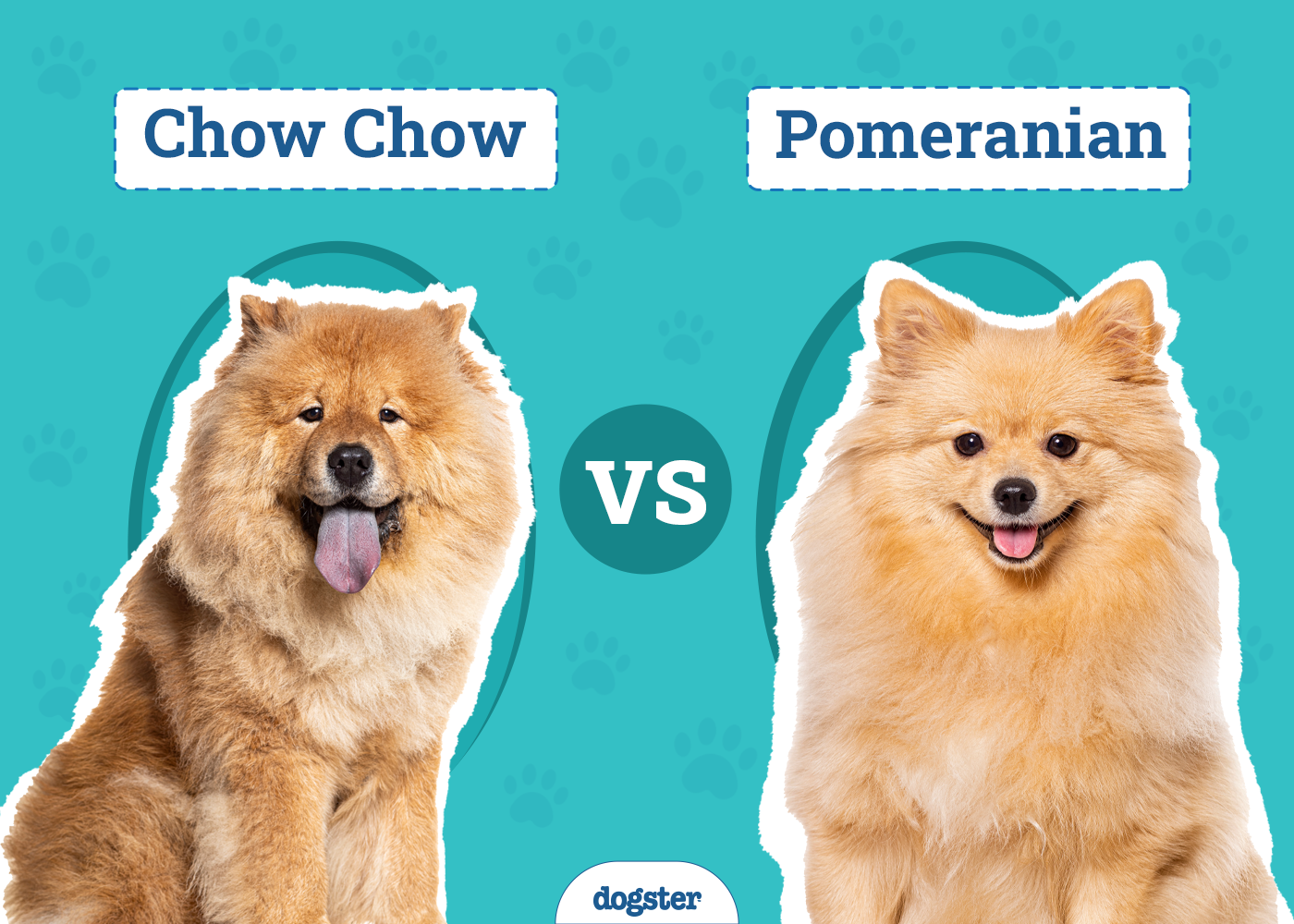
American Eskimo vs Pomeranian: Vet-Reviewed Differences & Similarities

In this article
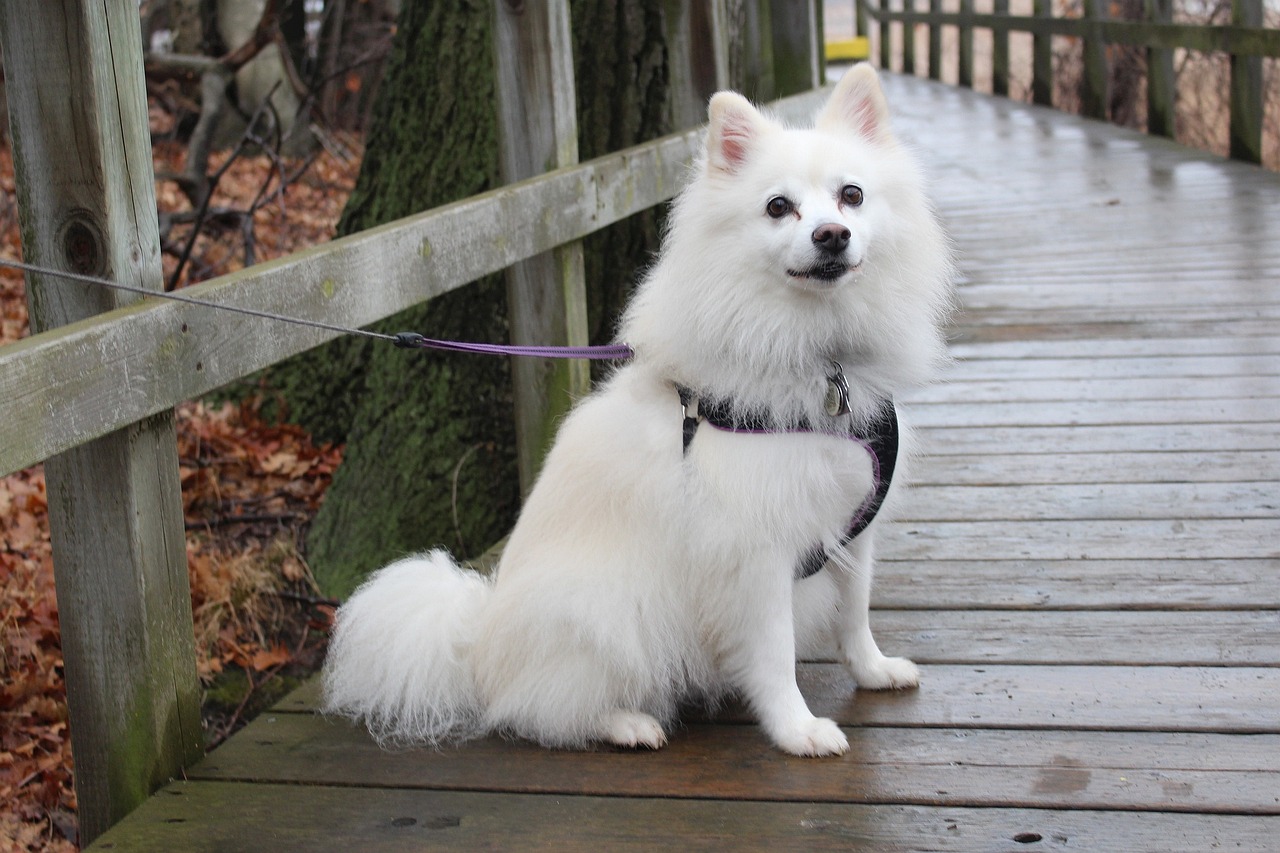
The American Eskimo is believed to be one of the most trainable breeds. In the early 1900s, they traveled and performed for the circus. They are intelligent dogs, though some individuals may show independent or stubborn tendencies. They are affectionate and loyal and make great companions for any family looking for a small dog to love.
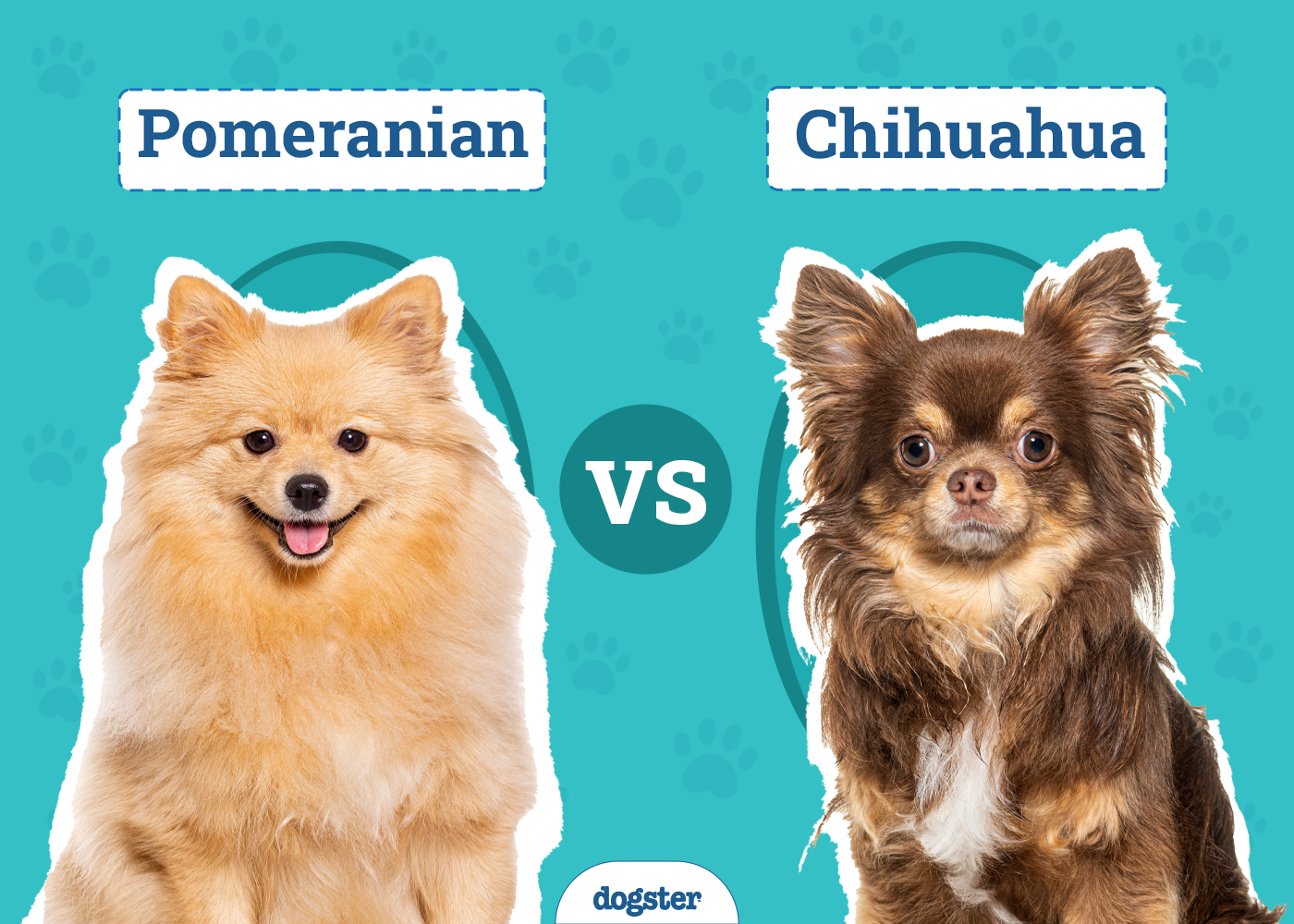
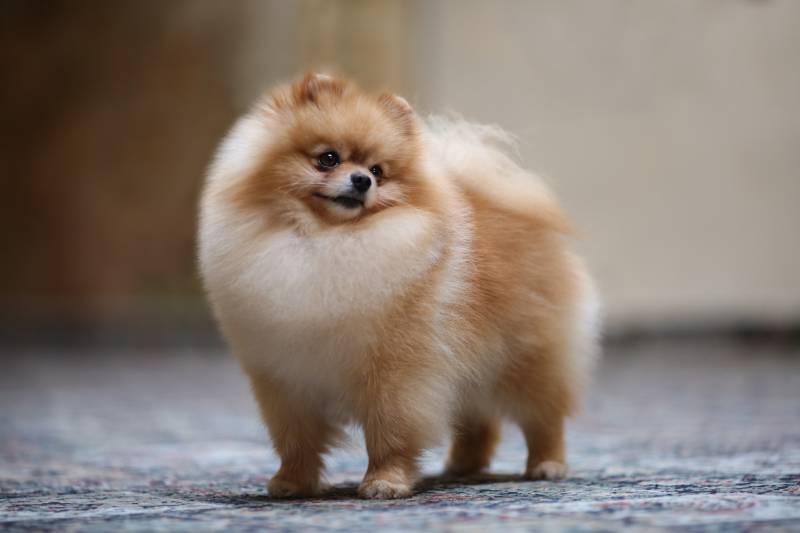
Pomeranians have large personalities disguised in small bodies, and you will learn that about them quickly. They are extroverted, intelligent, and lovable lapdogs that love meeting new people and animals.
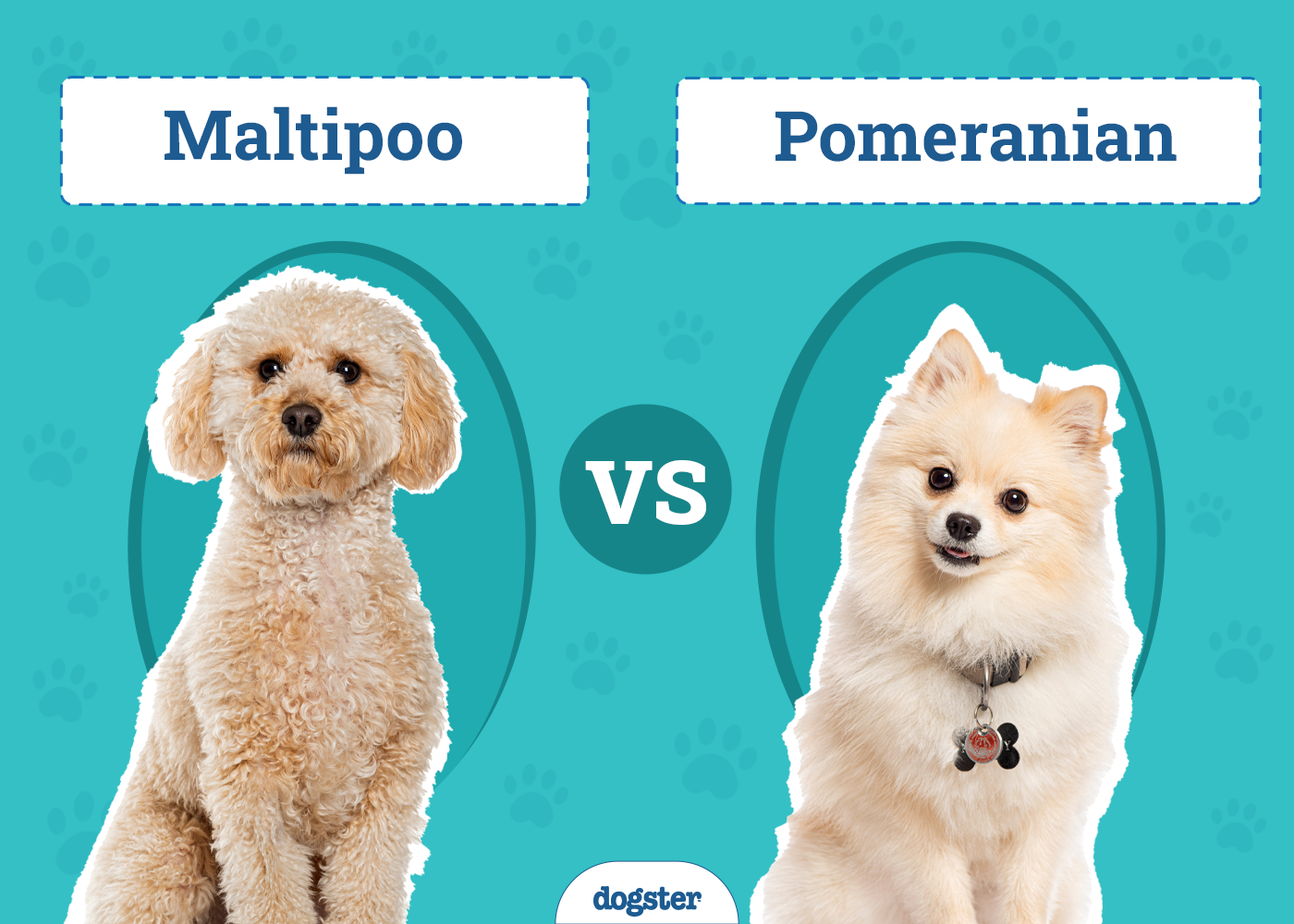
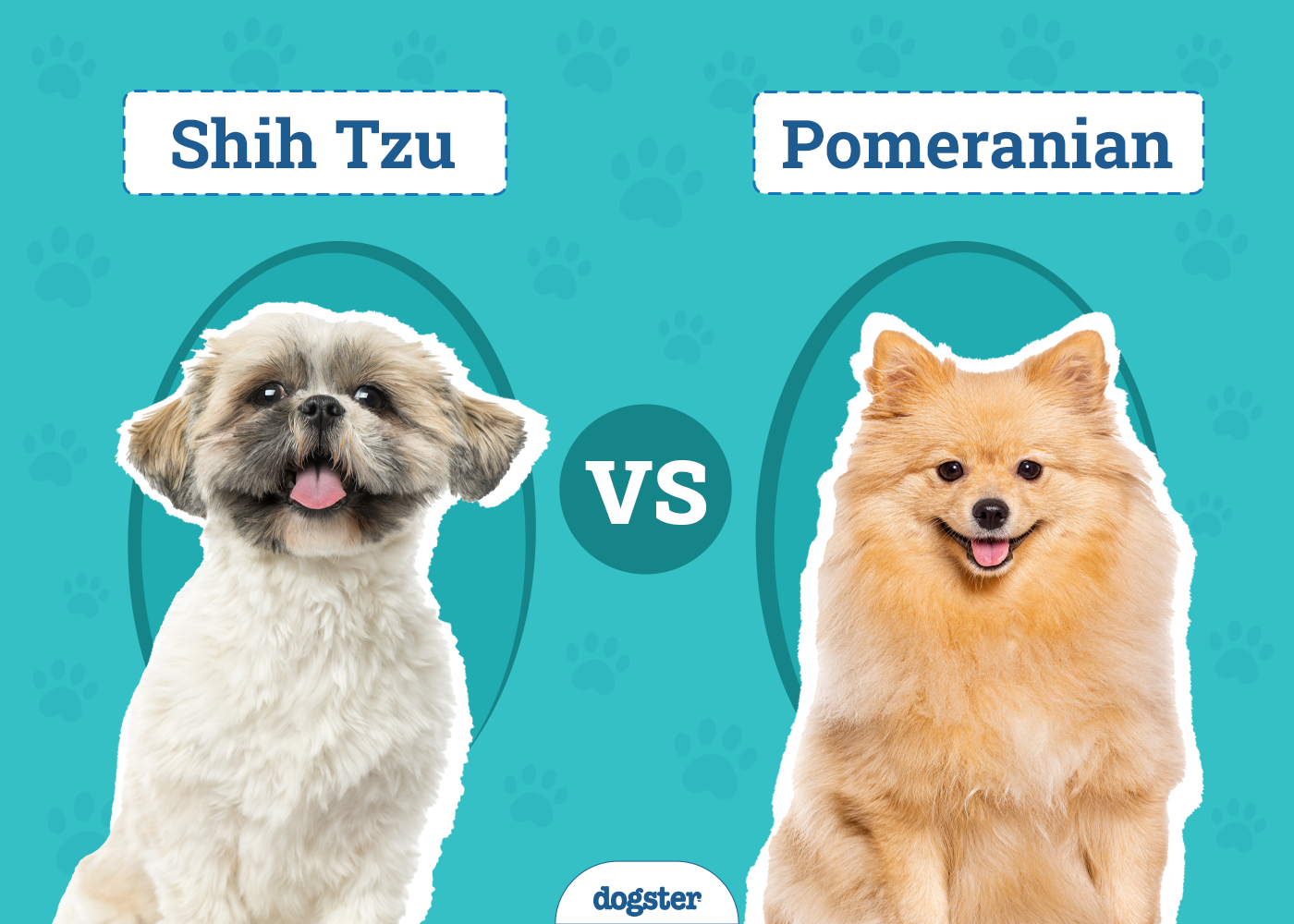
Both breeds descended from Spitz dogs and have an interesting history. They are similar in some ways and quite different in others. If you are considering adopting one of these sweet toy breeds into your family, read on to discover which one may be right for you.

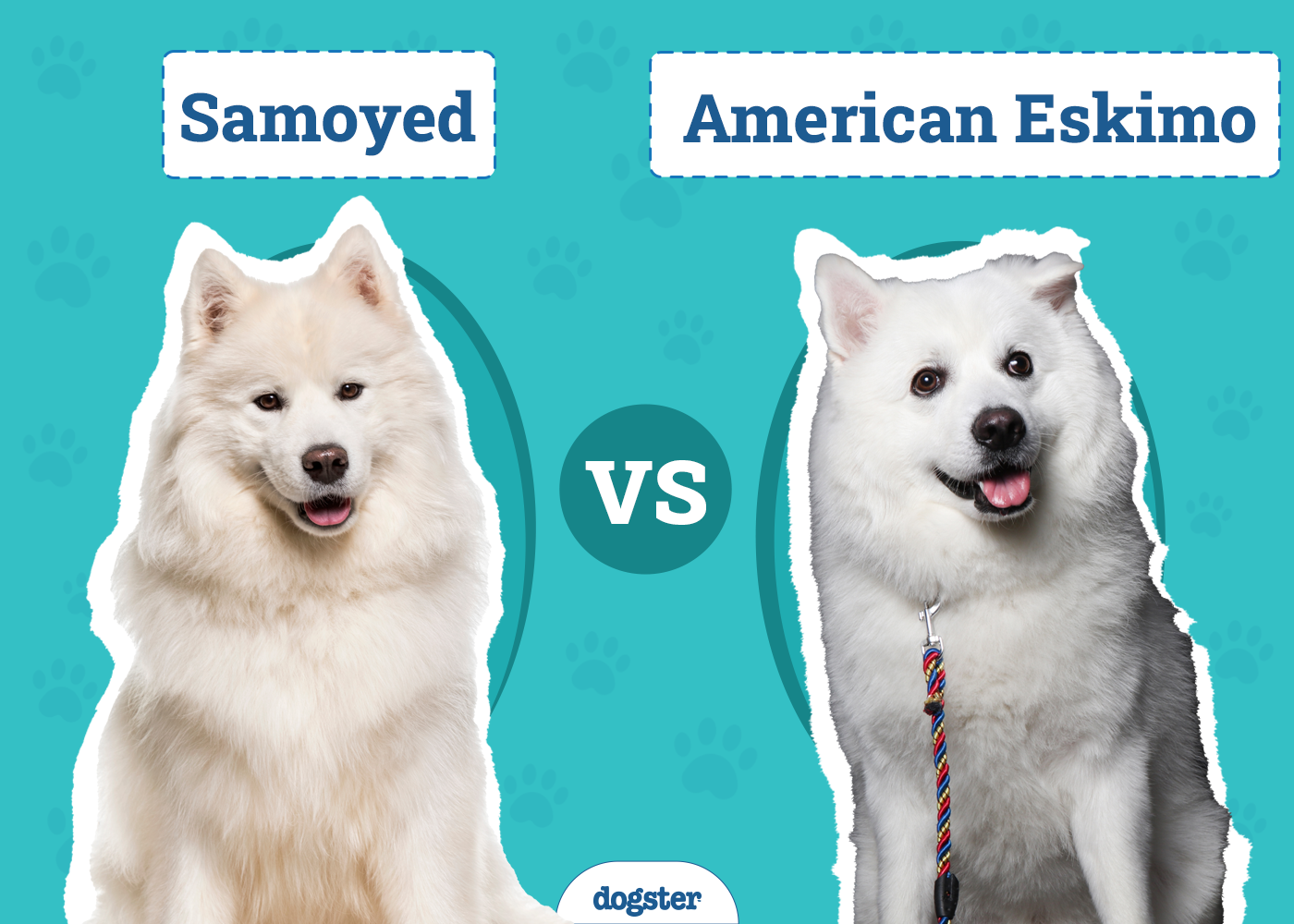
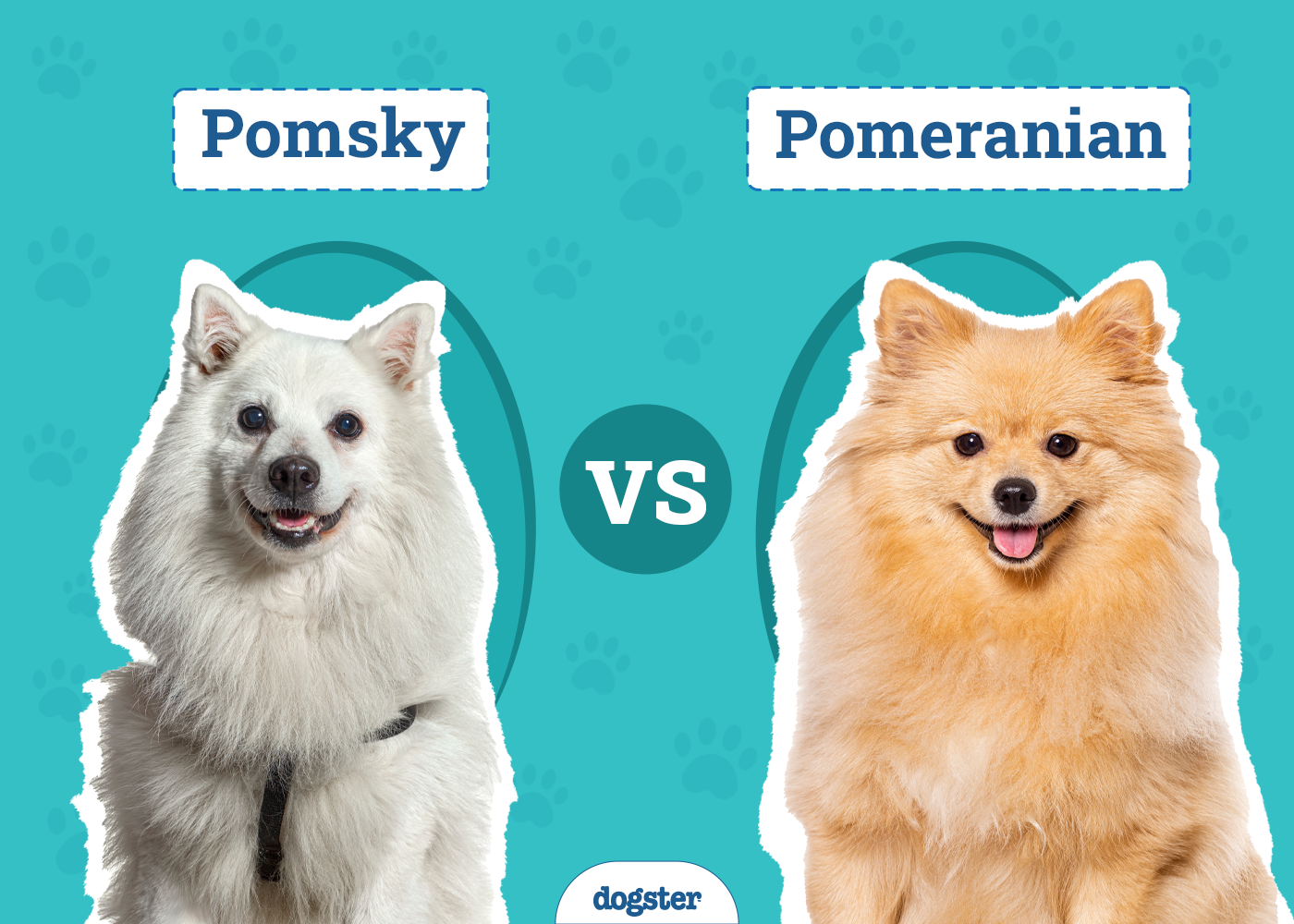
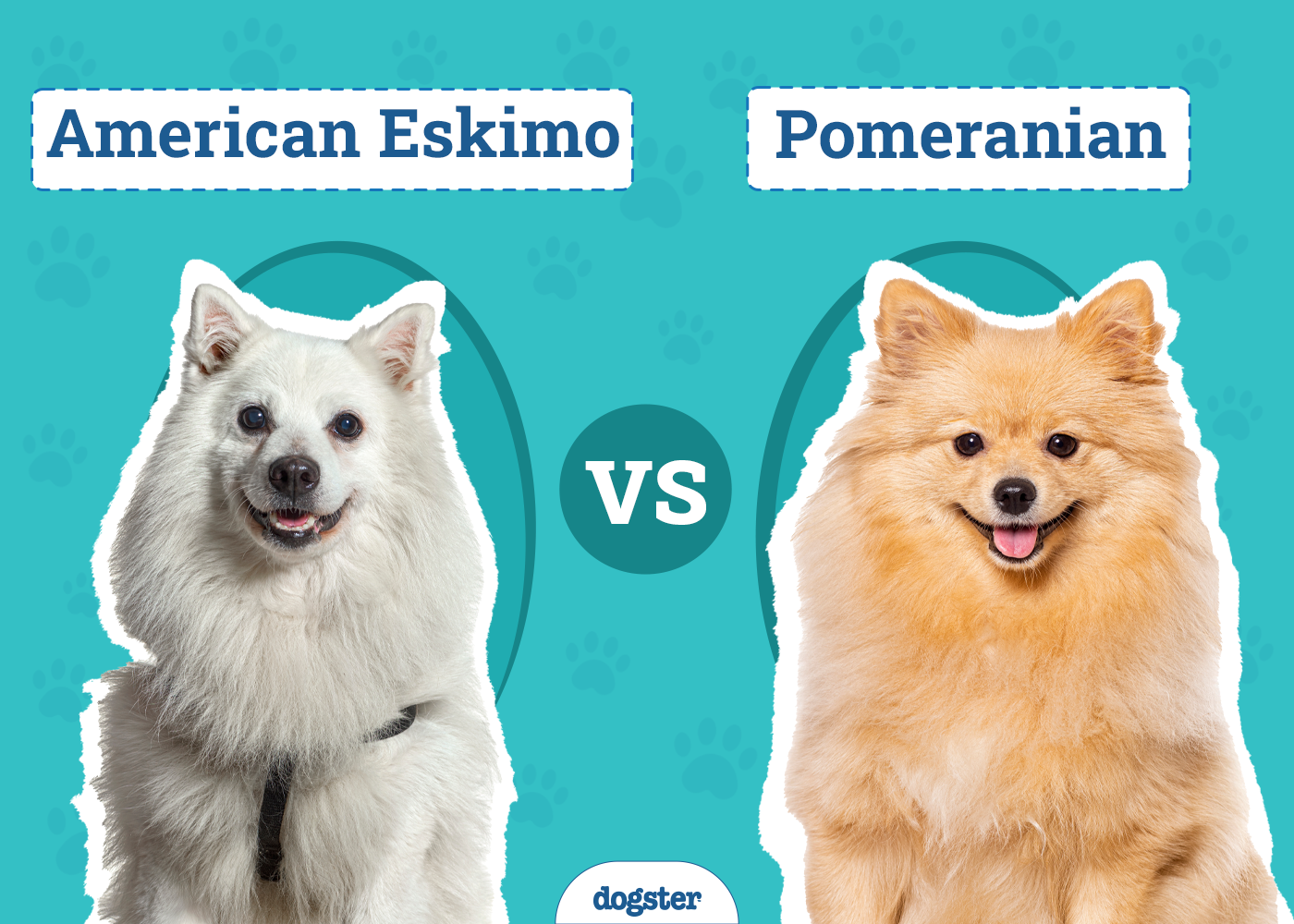
Visual Differences
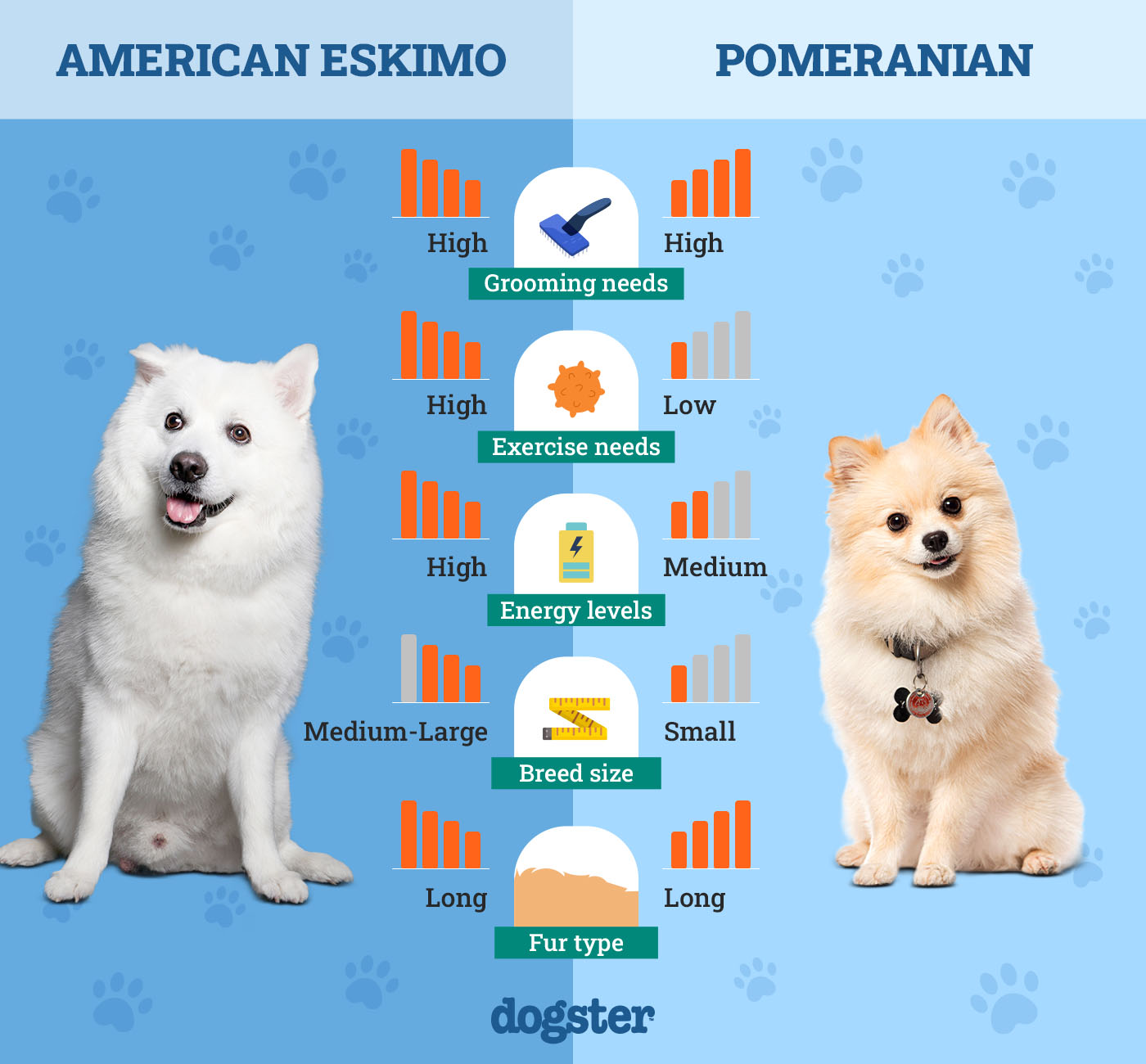
At a Glance

American Eskimo Overview

Temperament
The American Eskimo is a charming small breed full of energy and personality. They are affectionate, loving, and gentle and can make a wonderful companion for a big, busy family. American Eskimos were once circus dogs, so they will love a busy household and being the center of attention. They are highly intelligent and high-spirited, usually making them easy and willing to train and learn new tricks. This breed is devoted and loyal, and while they are not shy, they may be a little reserved when making new friends.
Training and Exercise
American Eskimos are active dogs with loads of energy. They will require a lot of exercise and mental challenges to stimulate their intelligent minds. They need a walk every day as well as regular exercise to burn off energy, but an interactive game with their owner will be highly beneficial too. They are quick and curious, and if not exercised enough, they may end up entertaining themselves by digging or chewing.
Early socialization and training are highly recommended, and they are generally responsive to training, making the process rewarding for owners.

Health & Care
American Eskimos are generally healthy, with a long lifespan of 13–15 years. While they can generally live a healthy life without too many issues, they are predisposed to certain issues that any owner should be aware of.
- Hip Dysplasia: Hip dysplasia is a common condition that occurs during the growth stage in dogs. It occurs when the hip joint loosens and the cartilage and bone wear down, causing pain, limited mobility, and dysfunction, which can potentially lead to arthritis.
- Patella Luxation: Patella luxation is also known as a dislocated kneecap and occurs when the kneecap luxates sideways, away from its normal position.
- Progressive Retinal Atrophy: Progressive Retinal Atrophy (PRA) is a hereditary eye disease that causes gradual degeneration of the retina, leading to progressive vision loss and, eventually, blindness in affected dogs.
Nutrition
Like all dogs, the American Eskimo needs a high-quality, well-balanced diet. Feeding amounts should be adjusted based on the dog's weight, age, activity level, and the calorie density of the food, typically divided into two meals per day. When being trained, the breed responds well to rewards.

Grooming ✂️
The gorgeous fluffy coat of an American Eskimo may look like a lot of work, but it only needs a moderate amount of grooming, unless they are actively shedding. These dogs do shed a lot and will require brushing several times a week. Eskies only need to be bathed once every few months or when needed.
Suitable For:
American Eskimos are suitable for a big family with kids when properly socialised and supervised. They are high in energy, so older children may be more suitable, but they will require a lot of attention, so a family that is always on the go is not ideal. Although they are active, they enjoy being indoors with their families, so they are suited for apartment living as long as they are taken for walks and challenged with games.
Eskies are highly intelligent, so they need an owner who can put the time in for training, learning new tricks, and playing challenging games. Overall, a household with a big, busy family that provides a lot of attention, training, and interaction is where an American Eskimo will thrive.
Pros
- Easy to train
- Affectionate
- Loving
- Gentle
- Easy to groom
Cons
- High energy
- Moderate to high shedding
- Possibility of separation anxiety

Pomeranian Overview

Temperament
The tiny Pomeranian packs in a large personality and a lot of brains. They are cute and feisty, and although they’re small, they don’t always act accordingly and may even challenge a larger dog. The loyal Pom is not afraid to be a watchdog either, which means some will bark more than you may like. These dogs are confident, independent, and curious, and although their appearance portrays adorable and sweet, they typically have a mind of their own. Having said that, they are still affectionate lapdogs that love time with their owner.
Training and Exercise
As much as Pomeranians enjoy being lapdogs, they are energetic and require daily exercise. They benefit from taking a walk in the park, running around the backyard, and playing interactive games with their owner.
Early training and socialization are essential to ensure your Pom grows up well-adapted. If your dog is not properly socialized and trained, it can lead to hyperactivity, separation anxiety, nipping, and excessive barking.
Pomeranians enjoy mentally stimulating activities and excel in obedience, rally, and agility sports. They respond well to clicker training and are often trained as therapy dogs. The downside is that Poms can sometimes be trickier to housetrain, so patience and consistency are needed.

Health & Care
Like all dogs, Pomeranians are prone to a few health concerns, even though they can live long, happy lives of up to 16 years. When considering a Pom as a pet, it is crucial to be aware of the health issues that they are prone to so you can be prepared and manage their health the best you can. Similarly to the American Eskimo, the Pomeranian is predisposed to patella luxation and other orthopedic health issues.
- Dry Eye: Dry eye occurs when the tear ducts don’t produce enough tears, causing irritation and potential damage to the cornea.
- Hypoglycemia: A Pomeranian may develop hypoglycemia when their blood sugar suddenly drops. It is a condition where blood sugar drops too low, most commonly seen in young toy-breed puppies if they miss meals, are stressed, or are not eating enough, and is not uncommon in toy and small dogs under the age of 3 months.
- Legg-Calve-Perthes Disease: This hereditary condition affects the hip joint and the head of the femur. When the head of the femur loses blood, it shrinks and leads to necrosis. The cause of this condition is still unknown.
- Cataracts: Cataracts is the clouding of the eye lens. Surgical intervention is currently the only treatment option, but it's a progressive disease that will worsen over time without treatment.
- Distichiasis: Distichiasis occurs when one or more rows of eyelashes grow abnormally into the eye, causing irritation and discomfort. It can eventually lead to corneal ulcers if it is left untreated.
- Collapsing Trachea: A collapsed trachea is a condition where the tracheal rings become too flexible and collapse and flatten when the dog pulls air into their lungs. It occurs predominantly in small dogs and can be distinguished by a goose-like honk when coughing.
Nutrition
Pomeranians need to be fed a high-quality, well-balanced diet because, when puppies, they may be prone to hypoglycemia. When choosing a nutritionally sound food for your pup, a brand approved by the Association of American Feed Control Officials is a good option.
Because of their small size, many Pomeranians do well with two to three small meals per day. Some Pomeranians may benefit from omega-3 fatty acids for skin and coat health, and joint supplements in cases where joint issues are present. Always speak to your vet before adding a supplement to their diet.

Grooming ✂️
Pomeranians require regular grooming to maintain their gorgeous coat. They have a thick, dense coat that benefits from regular brushing and can also be maintained with periodic professional grooming. A groomer should also offer the service of a sanitary shave to remove fur around the genitals. Between their grooming appointments, these dogs need to be brushed several times a week and daily during shedding season. Long hair around the eyes and face should also be trimmed to prevent irritation or infection of the eyes.
Since Pomeranians are active, it is vital to keep their nails short and trimmed, and they will require daily teeth brushing, as small breeds like Pomeranians are more prone to dental disease.
Suitable For:
A Pomeranian will be suitable for a family looking for a small and active lapdog that enjoys playtime and cuddles. They can be suitable for a family with kids and pets when properly socialised and supervised, and will also do well with a single owner looking for a companion. They need daily exercise but can adapt well to apartments. They require an owner who can keep up with their grooming and exercise needs. A Pom will also make a good watchdog and a great therapy dog. This breed can be quite vocal and is best suited to owners who are comfortable with a lively, expressive dog.
Pros
- Affectionate lapdog
- Suitable for kids
- Intelligent
- Make great therapy dogs
Cons
- May be harder to house train
- High grooming needs
- Vocal
- Separation anxiety
Which Breed Is Right for You?

If you are looking for a small, lovable companion, you can't go wrong with the American Eskimo and Pomeranian. They are both friendly, outgoing, and intelligent, though individual temperament varies. Both breeds are suited to apartment living and may do well with families with children when properly trained and socialized. Both have moderate exercise needs, and their intelligence will require mentally stimulating activities.
While they both make excellent family pets, the Pomeranian may require more work and training. They have higher grooming needs, can be feisty, and may be more difficult to house-train. However, a Pom is also an ideal therapy dog and will love to spend their days curled up in your lap.
Either breed will bring you years of joy as long as they are well cared for, trained, and loved.
See also:
Sources
Featured Image Credit: (L) KA_Richer5171321, Shutterstock | (R) Jumpstory
Expert dog care, straight to your inbox
Vet-reviewed advice, training tips, and the best of Dogster. Free, and you can unsubscribe anytime.
By signing up, you agree to our Terms & Conditions and Privacy & Cookies Policy.
Nicole has loved animals of all sizes her whole life so it's no wonder she has dedicated her career to helping them through what she loves best: learning, writing, and sharing knowledge with others. She’s the proud mom of two dogs, a cat, and a human. With a degree in Education and 15+ years of writing experience, Nicole wants to help pet parents and pets around the planet to live happy, safe, and healthy lives.
Join the conversation
Ask a question, share your story, or send private feedback.