Miniature Pinscher vs Doberman: Key Differences (With Pictures)

In this article
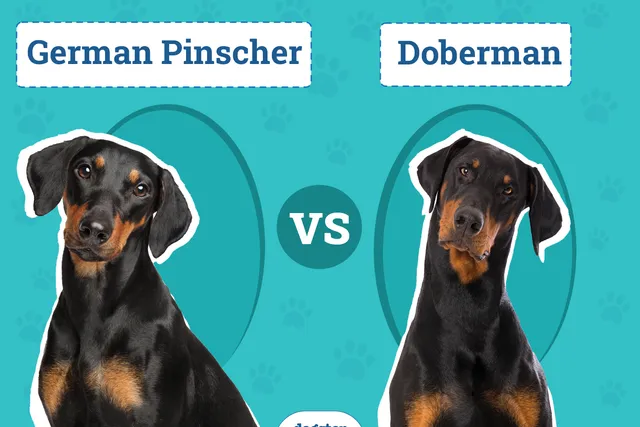
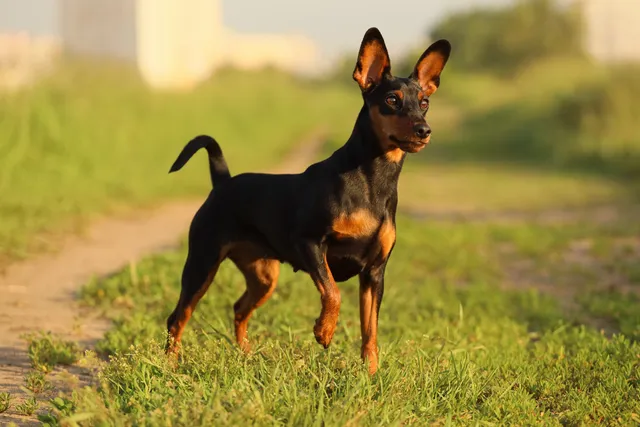
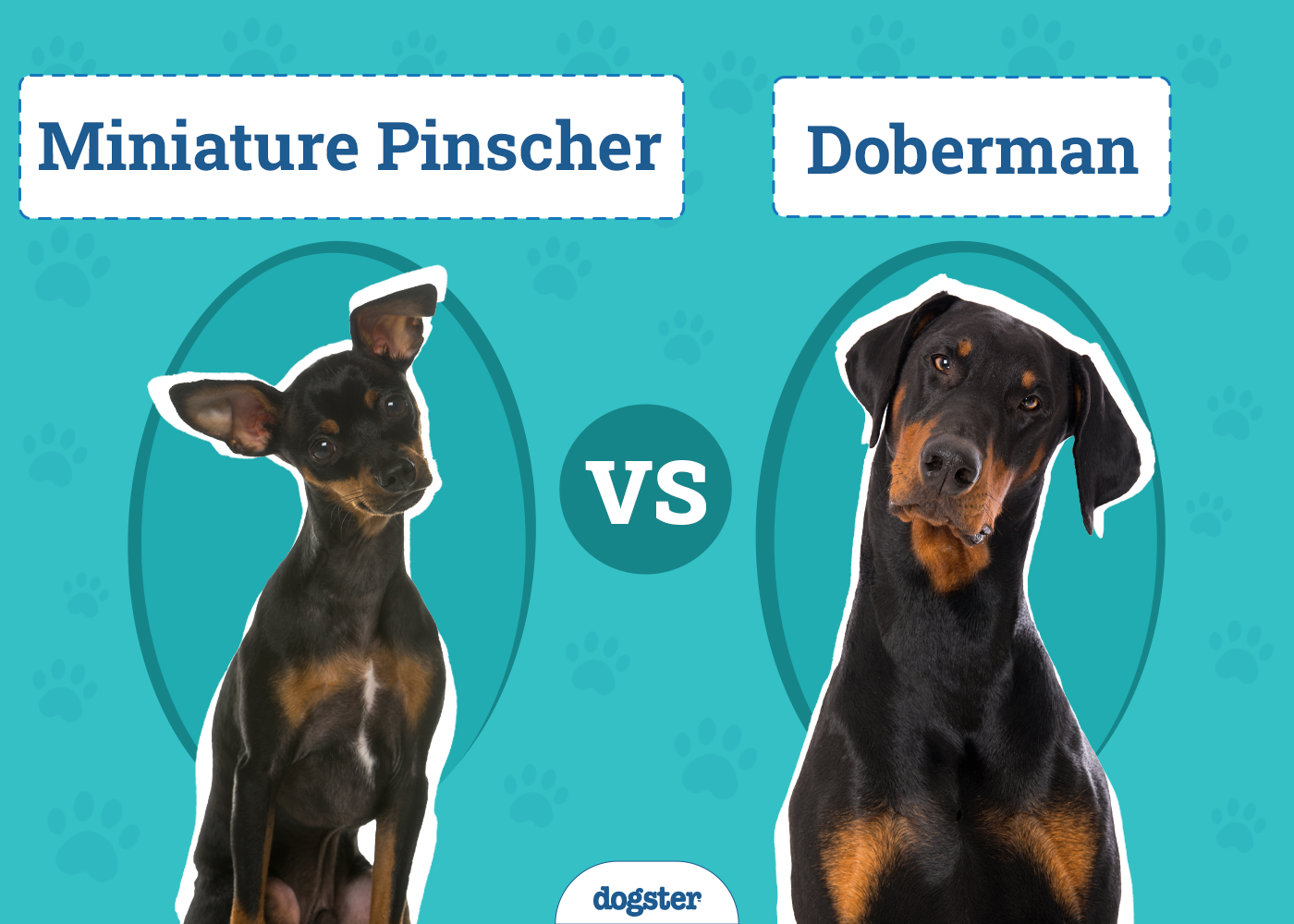
Miniature Pinschers and Dobermans are similar in appearance, except for size. While the Miniature Pinscher may look like a smaller version of the Doberman, these dogs aren’t as closely related as you might think. They’re distinct breeds, and it’s important to understand their individual temperaments and needs before deciding to bring one home.
If you’re interested in either the Miniature Pinscher or the Doberman, one key thing to keep in mind is that both dogs have strong personalities and require firm and consistent training. So, they’re not recommended breeds for first-time dog owners.
Miniature Pinschers and Dobermans can be extremely loyal and loving family dogs, but they must be in homes that can meet their needs. Owners must be prepared to engage in consistent training and provide plenty of exercise for these energetic and intelligent canines.

Visual Differences

At a Glance

Miniature Pinscher Overview

Personality / Character
The Miniature Pinscher is an old breed that was originally bred to hunt small animals like mice and rats. This dog’s ancestry is a little unclear, but they most likely descended from the German Pinscher, Dachshund, and Italian Greyhound.
You can definitely see some of these breeds’ traits in the Miniature Pinscher. This dog is fast, energetic, and highly intelligent. They are also known to be smart and curious. They can be extremely fun to live with, but these traits can also get them into some trouble. They require firm and consistent training to establish clear rules and boundaries. The Miniature Pinscher can have a mind of their own and be bossy. So, they’re not the best fit for first-time dog owners.
Exercise 🐕
Miniature Pinschers are high-energy dogs that need both physical and mental exercise. They require daily walks and opportunities to run around and let loose. They can adjust to living in apartments, but you must be on top of keeping them busy. Despite their small size, these dogs have loud barks. A bored Miniature Pinscher can easily develop a habit of barking and can end up being a noise disruption for neighbors.
Miniature Pinschers also tend to be curious, so they often enjoy playing with treat toys and puzzles that stimulate their minds. Once you establish a solid foundation in obedience training, these dogs quickly learn tricks and enjoy learning new things.

Training 🎾
Miniature Pinschers have independent personalities, and it can take some time for them to form strong bonds and trust people. These dogs usually bond with just one or two people, and they can act a little more aloof with strangers.
It’s important to establish clear rules with consistency and repetition. Make sure to find a good reward that will keep your Miniature Pinscher interested during training sessions. Sessions should be fun, short, and frequent. Due to their small size, this dog may have a harder time with potty training and can benefit from early crate training to help with housebreaking.
Early socialization is a must for this breed. They can get along with other dogs, but they have a strong prey drive, so they may not ever be fully trusted around smaller pets. Miniature Pinschers aren’t afraid to defend themselves, so they might nip at smaller children who don’t know how to handle them properly and play with them. It’s important to supervise interactions between Miniature Pinschers and young children.
Health
Miniature Pinschers are relatively healthy dogs and can live long and happy lives. However, as with many purebreds, they’re prone to developing some hereditary conditions. Due to their small stature, these dogs have a higher risk of experiencing bone and joint issues as they grow older, particularly patellar luxation and Legg-Calve-Perthes disease. So, it’s important to consult your veterinarian to ensure your Miniature Pinscher is eating a diet that supports joint health and mobility as they age.
Suitable For:
Miniature Pinschers are suitable for experienced dog owners looking for a fun and energetic companion. They’re a better fit for families with older children. They can get along with other dogs, but they may not be fully trusted to be alone with cats and other small pets.

Doberman Overview

Personality / Character
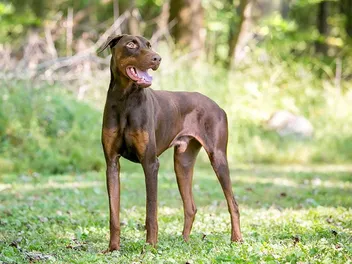
Dobermans are brave, diligent dogs belonging to the working group. Their dynamic energy, eagerness to work, and intelligence make them breeds often found working as police, military service, and guard dogs.
While Dobermans possess noble traits, their loyalty must be earned. Like Miniature Pinschers, Dobermans need time to build trust with people and must live with a strong owner. An untrained Doberman can quickly wreak havoc in the home and cause significant damage.
In contrast, a well-trained Doberman easily becomes a beloved family member and can be gentle and patient with young children. Dobermans tend to form close bonds with one or two people and become quite attached. Despite their intimidating appearance, these dogs are doting companions who hate being alone. So, they shouldn’t be left home alone for long hours.
Exercise 🐕
Dobermans are high-energy dogs with a lot of stamina. They require a minimum of 1 hour of exercise a day. Walks around the neighborhood probably won’t be sufficient, especially for younger dogs. This breed needs space to run and will do well in single-family homes with a fenced yard.
You’ll also need to provide plenty of mentally stimulating activities for your Doberman. These dogs are smart and can feel bored easily. Fortunately, they tend to enjoy learning new skills and having a job. So, they often excel in canine sports. It may be a fun challenge for them to participate in frisbee competitions and agility courses.

Training 🎾
Firm and fair training is a necessity to live harmoniously with Dobermans. They can have a mind of their own and require a strong leader who establishes and maintains boundaries and rules. Working with a dog trainer and attending obedience classes are especially beneficial for Dobermans.
This breed can get along with dogs in their family, but they may be naturally wary of strange dogs. With early socialization and proper introductions, Dobermans can live with other pets, such as cats and small mammals. Dobermans don’t tend to have issues living with other pets as long as they clearly understand who belongs in their family.
Health
The Doberman is a generally healthy and active breed. However, they’re at higher risk of developing certain health conditions as they grow older.
Health concerns to be aware of include the following:
Suitable For:
Dobermans are wonderful family dogs that can live well with other pets and young children. They’re best suited for experienced dog owners who also live active lifestyles. They don’t do well being by themselves for too long, so it’s important to have someone consistently in the home with them or be able to bring them with you when you leave the house.

Which Breed Is Right for You?

Both the Miniature Pinscher and Doberman do well with experienced dog owners who can invest in training and meet their high exercise needs. Both breeds can have strong guarding instincts and be protective of their families.
Miniature Pinschers tend to have less patience than Dobermans and may not be the best fit for families with young children. They also may not be fully trusted to be alone with other animals. They can be a little more independent than Dobermans and do well by themselves for a little longer.
Well-trained Dobermans are excellent family dogs that are patient and gentle with children in their families. They form strong bonds with their owners and don’t do well being left alone for a long period of time.
Featured Image Credit: Dogster/Shutterstock
Expert dog care, straight to your inbox
News, insights, expert advice, and everything dog.

No spam — unsubscribe anytime.
By signing up, you agree to our Terms & Conditions and Privacy & Cookies Policy.
How useful was this post?
Click a star to rate. You can leave written feedback afterwards. (We read all feedback.)
Jessica is a freelance writer who spends bigger part of her day researching and writing while her furry companion Cavapoo, Nora, snoozes beside her. She loves dogs, pets and animals because there’s so much to learn from them, and they do so much for us. As a dog mom, she understands the strong connection that pet parents have with their pets. So, she loves sharing helpful information that pet owners can use to better understand their beloved pets. When she isn't writing, you may find her walking dogs, tending to her plants, or drinking her nth cup of coffee.