Doberman vs Pitbull: The Differences (With Pictures)

In this article
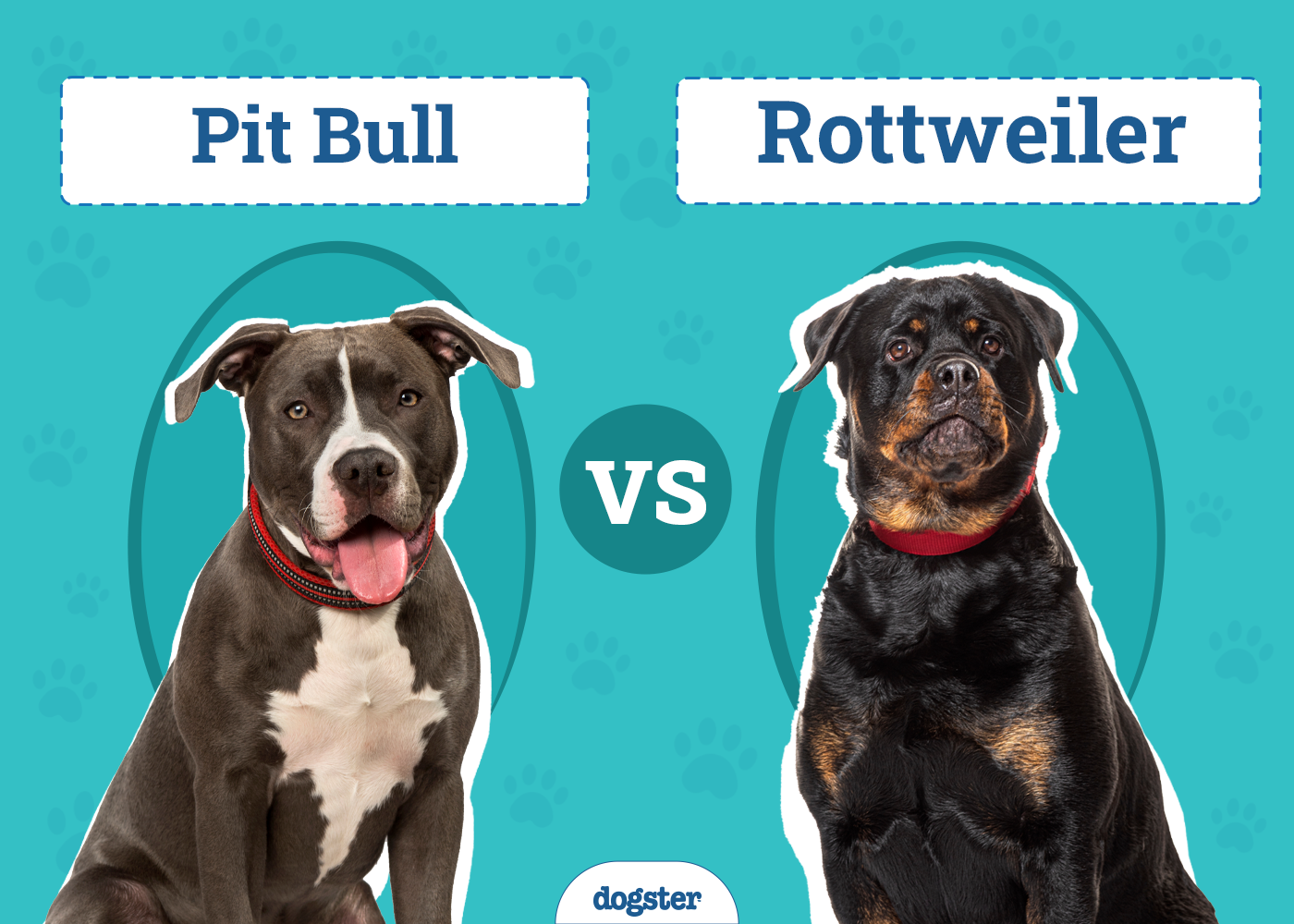
The Doberman Pinscher and the Pitbull are two breeds that are plagued with bad reputations. But both are intelligent dog breeds that can be loving and affectionate companions. They are vigilant protectors of their pack and were historically trained as aggressive guard dogs and fighters, but this isn’t their primary nature. Often, these dogs are horribly misunderstood and will make loving family pets if they are raised correctly.
If you’re struggling to decide between these two beautiful dogs, we’re here to help. There are important distinctions between the Doberman and the Pitbull that will help you decide which breed is right for you.

Visual Differences

At a Glance

Doberman Overview
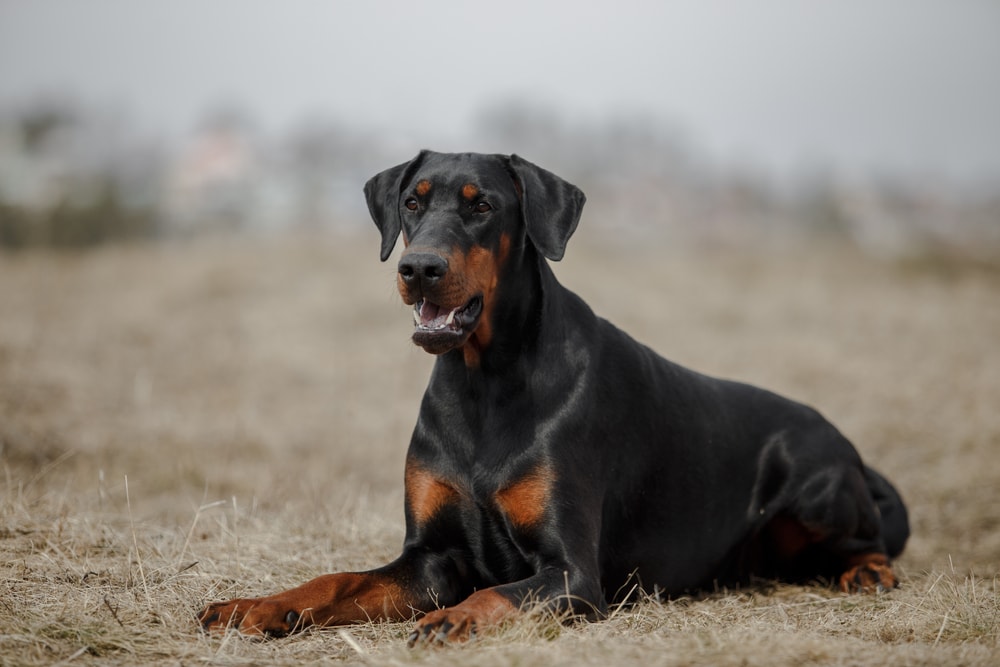
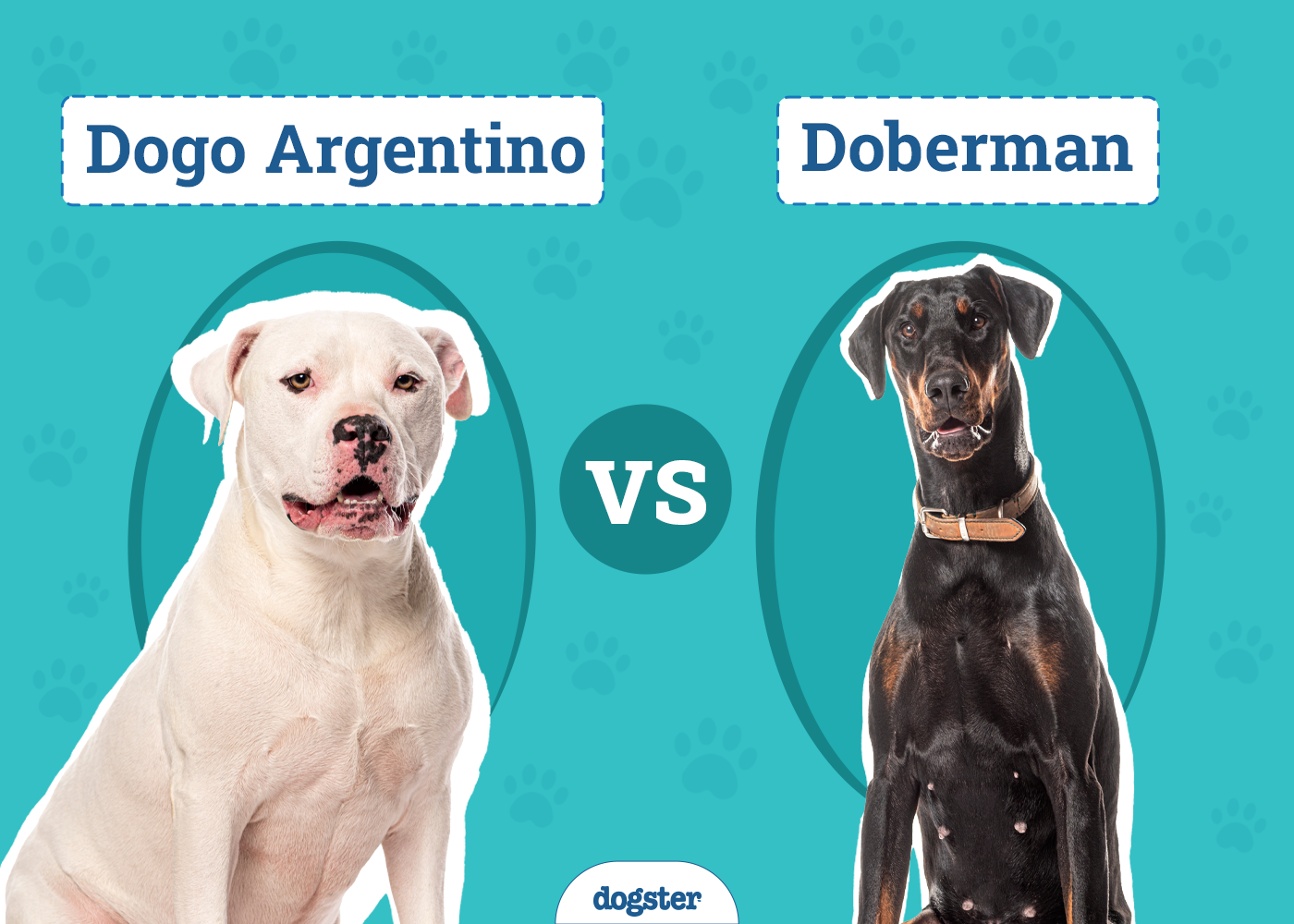
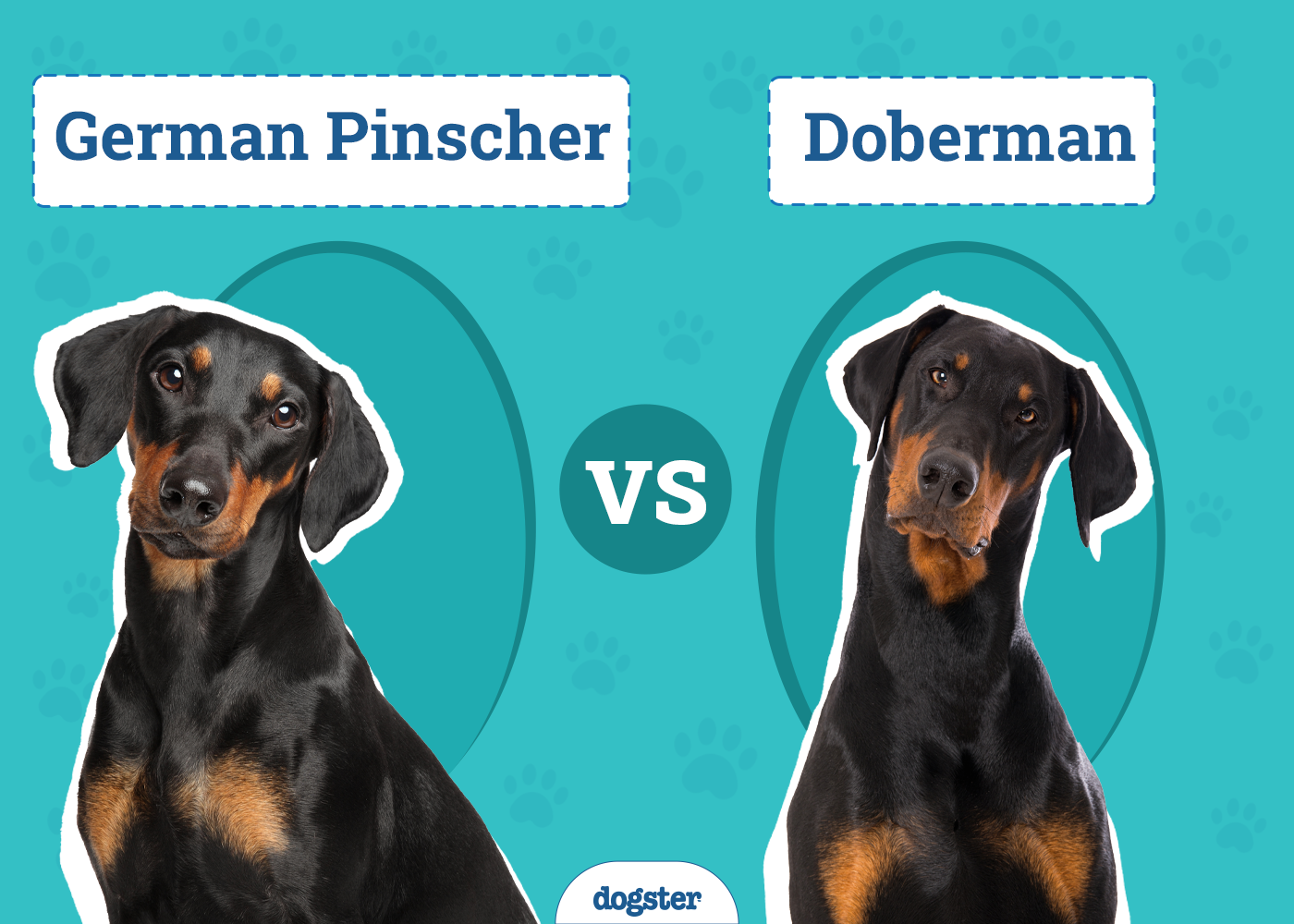
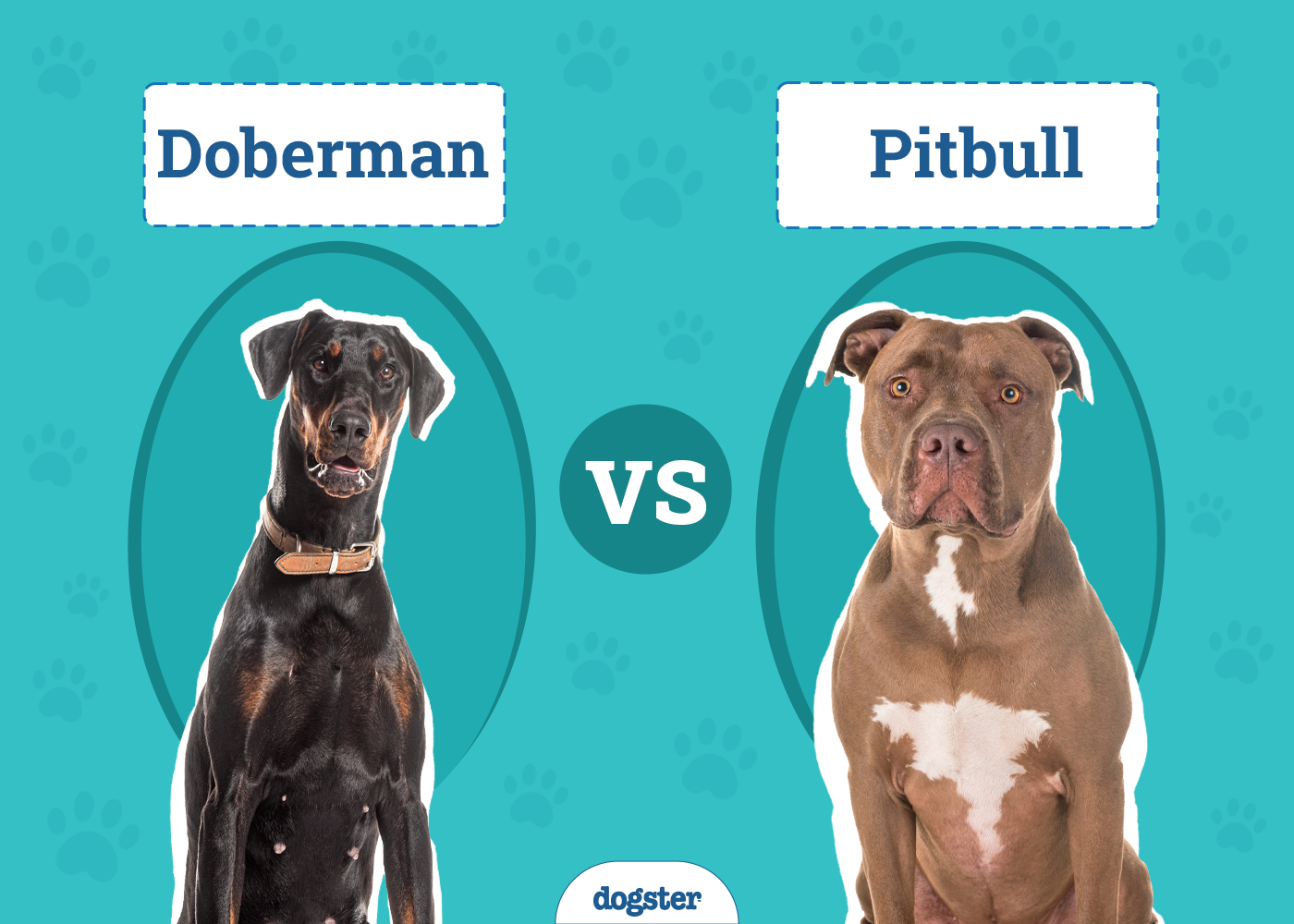
The Doberman Pinscher is an ancient dog breed that originated in Germany in the 19th century. They are a heavily utilized breed in the police force and the military due to their natural protective instincts.
Despite their reputation, the Doberman is the 17th most popular dog in the United States.

Personality/Character
Dobermans enjoy attention from their families and are often affectionate with them. They are more standoffish with strangers but can still be social if they are exposed to people as puppies. For the most part, Dobermans don’t get along with other dogs as well as they do with people. They are most often kept in single-dog homes because they have a tendency to be aggressive in their need to compete for attention.
This breed has high exercise requirements but is adaptable to various living situations. Dobermans are more than happy to keep you company in a small apartment if you are diligent about taking them out for intense play sessions, bikes, or runs. They rarely bark and are overall quiet dogs.
Dobermans have a strong history of being guard dogs because they are alert and aware at all times. It’s not likely that someone will sneak up on you with a Doberman in tow. They are also protective of their pack, which can lead to aggressive behavior if they feel that their family is being threatened.
Training 🎾
As a highly intelligent breed, Dobermans are fairly easy to train. They are eager to please their owners and therefore, learn quickly. These dogs thrive with a job to do, as they are a working breed. It’s best to keep them on their toes by introducing fun activities and training into their routine.

Exercise 🐕
If you prefer a calm dog, the Doberman likely isn’t the best breed for you. They need a minimum of 1–2 hours of exercise every day and can resort to destruction if they are cooped up too long indoors.
Health Issues
Dobermans have a lifespan between 10 and 12 years. Health issues that this breed is prone to include hip dysplasia, heart issues, and thyroid disease.
As large, active dogs, Dobermans will require a high-quality, high-protein diet. Their size means they will need about 4 cups of quality dog kibble each day.
Suitable For:
These dogs are suitable for active families with older children, as they can be taught to treat the dog properly. There should also be no other dogs in the household, as it is unlikely that the Doberman will get along with them unless they are raised together.
Pitbull Overview
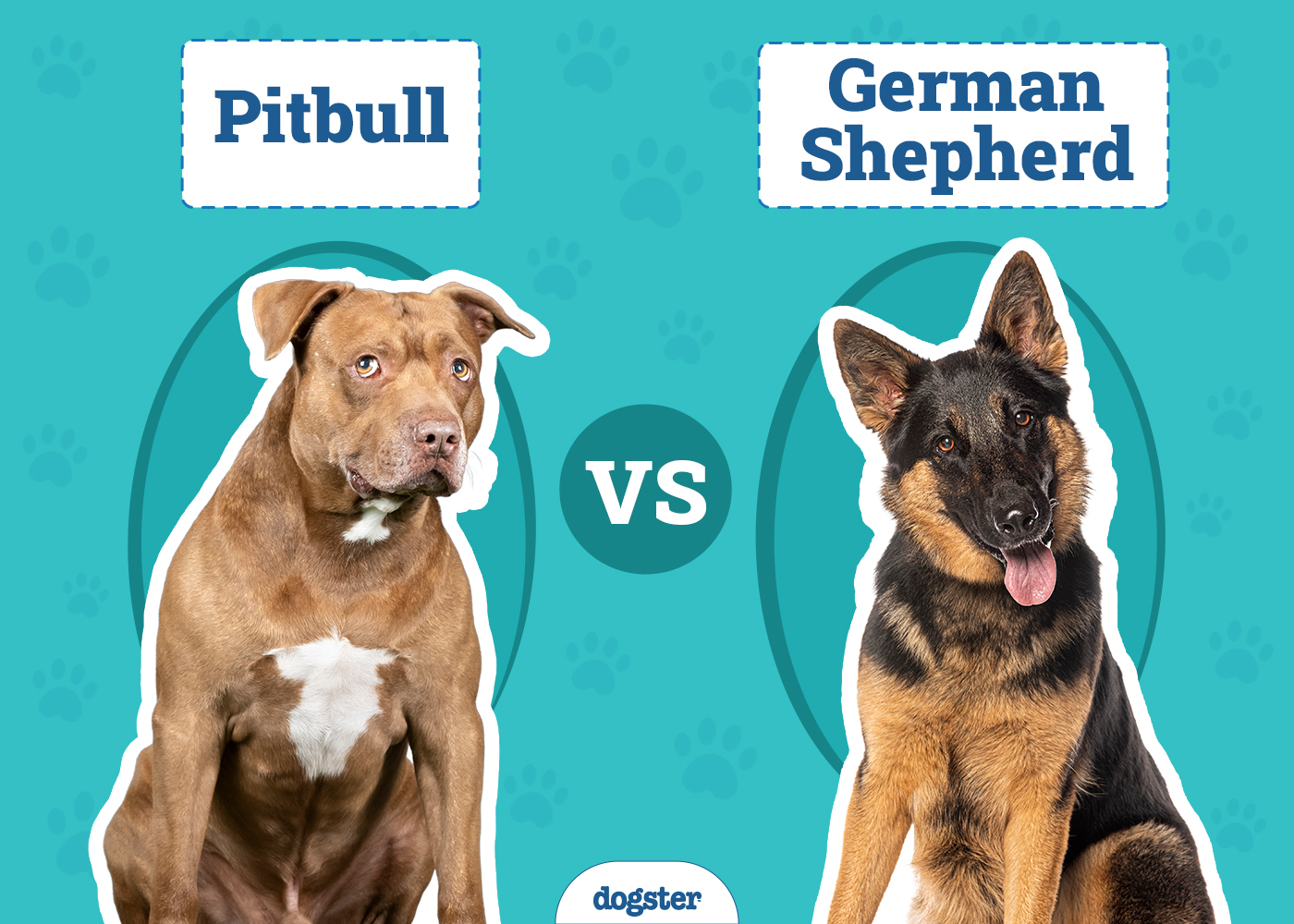
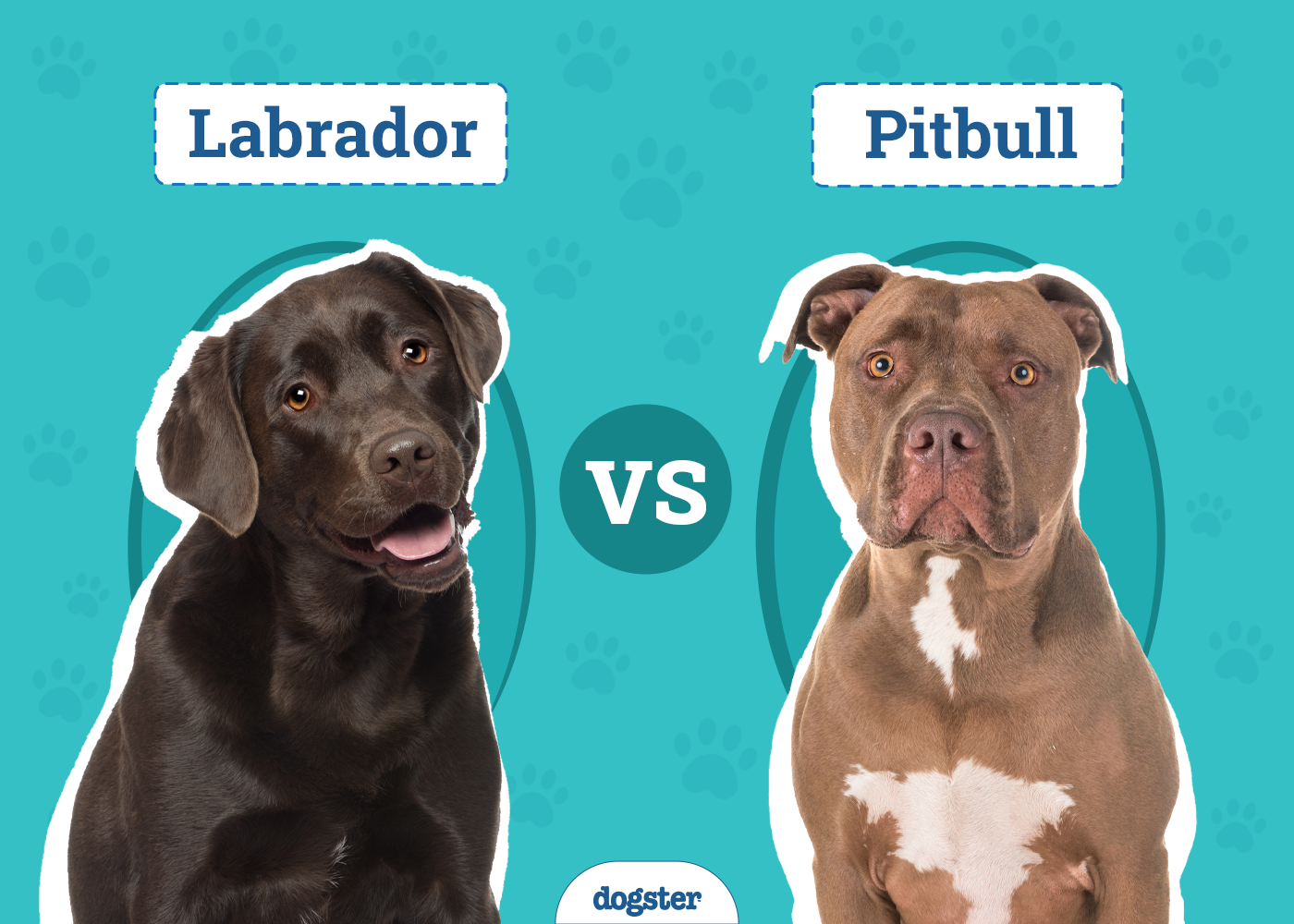
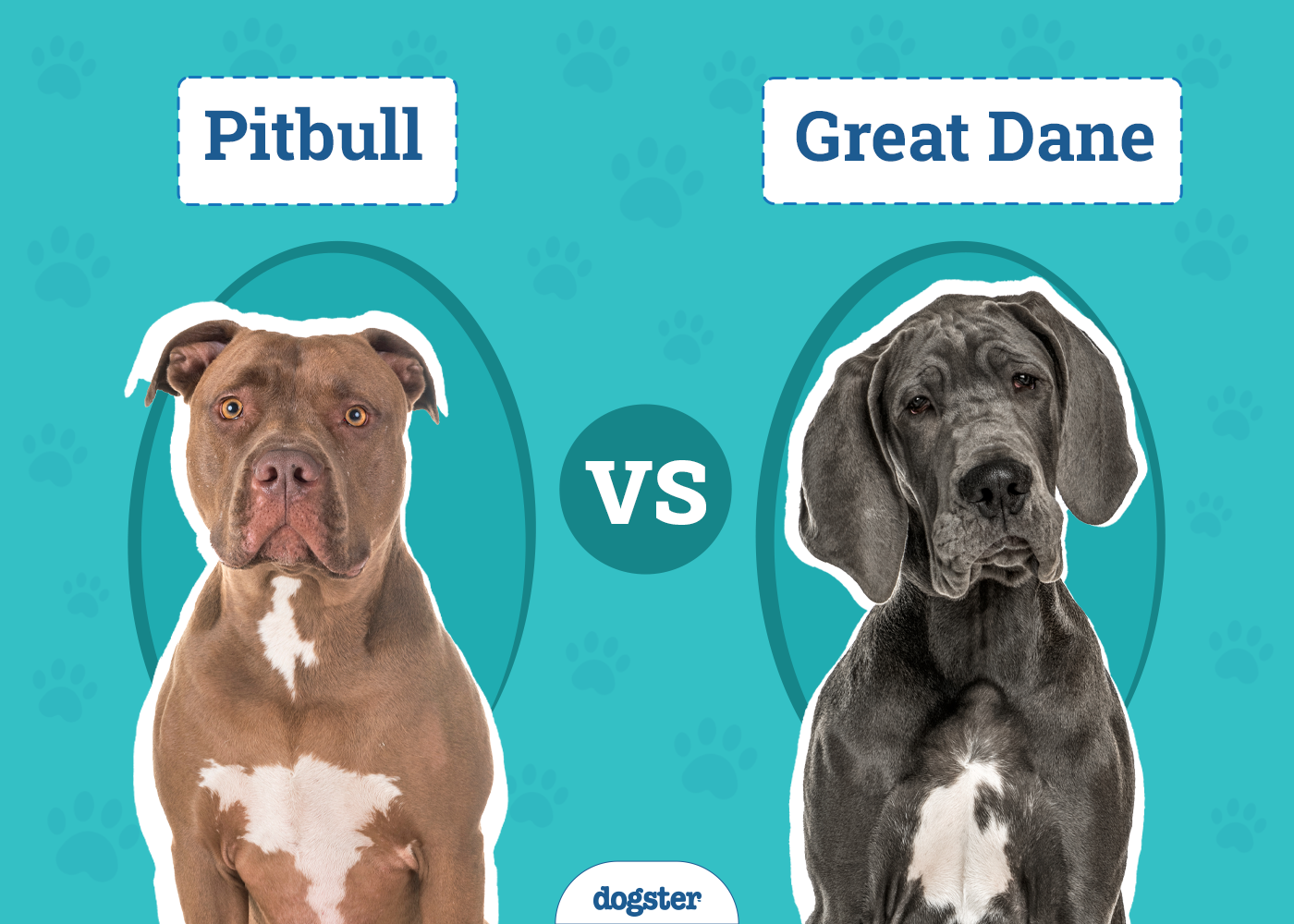
The origins of the Pitbull can be traced back to the 18th century in the U.K. The breed was developed from the Old English Bulldog and used in the sport of “bull-baiting.” This bloody sport has been banned for decades, but Pitbulls haven’t escaped their long-standing reputation as fighting dogs.
Interestingly, the breed was once used as a “nanny” dog to protect young children in wartime. This speaks to their endearing and gentle side and their strong protective instincts.

Personality/Character
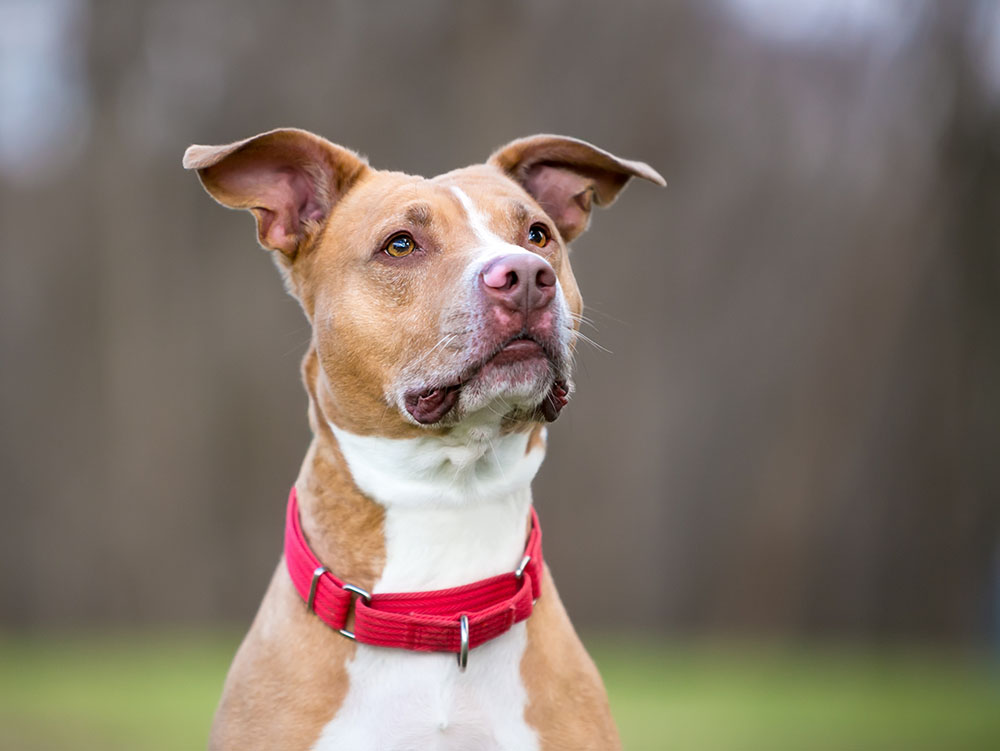
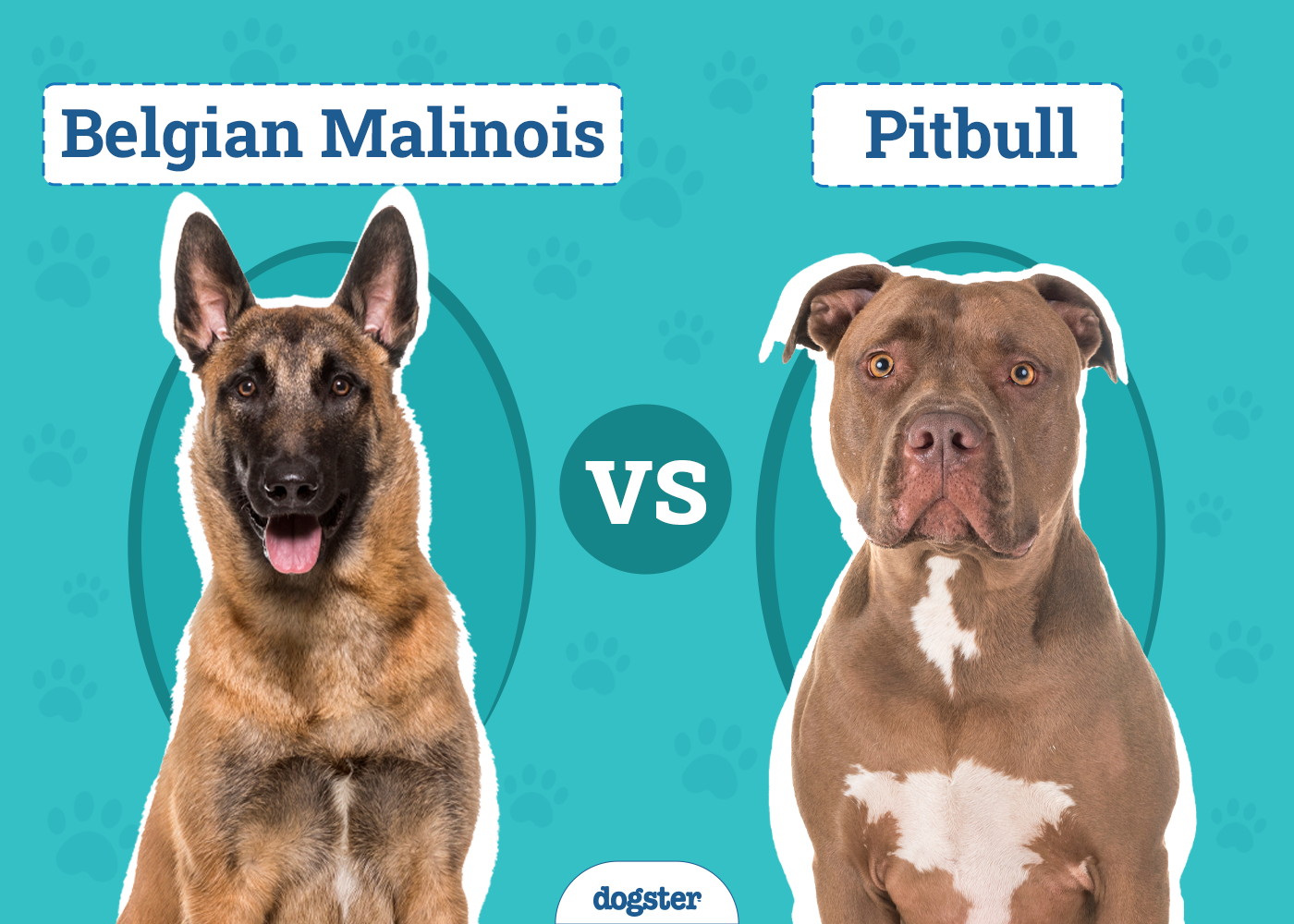
Pitbulls can easily be described as gentle giants. They are intimidating in appearance but often loving toward their owners. These dogs are energetic and intelligent. They get along with both humans and other dogs alike, but it is critical to properly socialize and train a Pitbull to avoid aggression issues.
This dog breed has a fighting background, and bad ownership and breeding can give them aggressive tendencies. Having a confident, social dog requires good training and exposure to many new situations as a young pup.
Training 🎾
Pitbulls are relatively easy to train, and starting their training as early as possible is essential. Positive reinforcement and consistency are key. These dogs are up for a challenge. Keeping them busy will help to keep them calm and satisfied.

Exercise 🐕
Much like Dobermans, Pitbulls will become destructive if they don’t get enough exercise. These dogs should have a minimum of 1 hour of intense exercise each day to stay calm and well-behaved.
Health Issues
The lifespan of a Pitbull is up to 14 years. They are generally healthy dogs, but they are known to suffer from joint issues and hip and elbow dysplasia.
To keep their energy up, Pitbulls will need quality, high-protein dog kibble, and you can expect them to consume about 2 ½ cups each day.
Suitable For:
Pitbulls are good with families that are active and have older children. Having experience with dog training is also preferable, as these dogs need early training that remains consistent, along with regular socialization.
Owning a Bully Breed
It is worth noting that some places have laws in place regarding the ownership of a “bully breed”, particularly for owning Pitbull Terriers. Before adopting one of these dogs, check your local laws and regulations. Some municipalities have banned ownership of the breed altogether, while others have rules regarding muzzling your dog in public spaces or places where your dog is banned.
Knowing these regulations will help avoid fines in the future or even losing your dog.
Which Breed Is Right for You?

Both the Doberman and the Pitbull are loyal, loving dogs with bad reputations. They are high-energy dogs that require plenty of exercise and attention. The Doberman is better suited to single-dog homes and tends to act as a guard dog.
The Pitbull is better suited to smaller living situations or homes with other animals, as they are more social by nature. You can be sure that either of these dog breeds will be a rewarding experience for you and your family.
See Also:
Featured Image Credit: Dogster/Shutterstock
Expert dog care, straight to your inbox
Vet-reviewed advice, training tips, and the best of Dogster. Free, and you can unsubscribe anytime.
By signing up, you agree to our Terms & Conditions and Privacy & Cookies Policy.
Chelsie is a freelance writer who is passionate about helping owners and pets live their best lives. She resides in rural Alberta, Canada with her husband and two sons, and is currently a pet parent to four horses, four cats, and a Border Collie .
Join the conversation
Ask a question, share your story, or send private feedback.