10 Tips on How to Train a Doberman: Vet-Reviewed Methods


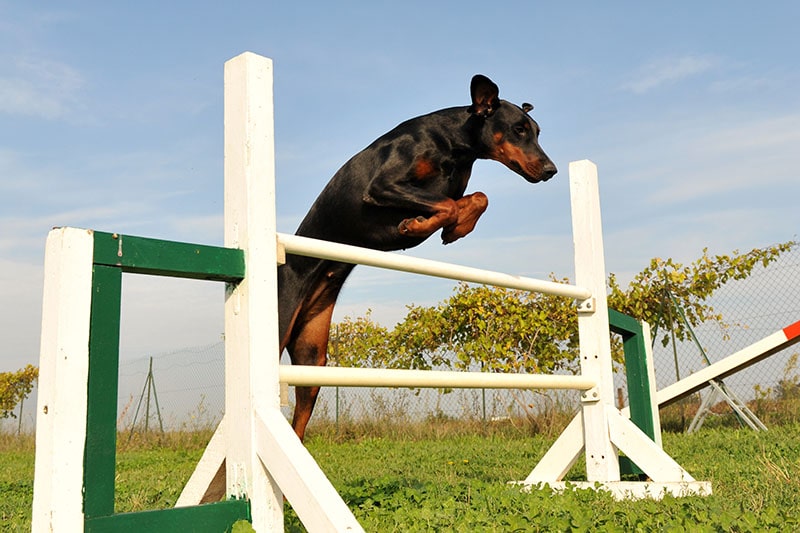
Dobermans are loyal, fearless dogs with a vigilant watchdog nature. They are affectionate companions and playful, energetic dogs with a lot of love to offer. But without proper training, they can quickly become a handful, just like any other dog.
If you are bringing a Doberman puppy into your home, you will want to brush up on some of the top tips for Doberman training. We have compiled a list of the 10 best training tips for Doberman owners.

The 10 Tips on How to Train a Doberman
1. Target Potential Behavioral Issues
When training Dobermans, it is essential to target key behaviors early on. While Dobermans are typically confident, without early socialization, some puppies may be wary of new situations or people. Exposing your Doberman to new experiences early on helps reduce nervousness or fear-based reactions.
By challenging these behavioral problems early on, your Doberman can grow into the confident, loving dog that so many Dobermans are.

2. Find Your Doberman from a Respected Breeder
If you have not adopted your Doberman yet, this tip is for you. Puppies from ethical and responsible breeders are more likely to have well-adjusted temperaments and predictable personalities, as well as detailed health records.
When searching for a Doberman puppy, a trusted breeder will be able and willing to discuss the puppy’s ancestry and genetics so you can get a good idea of whether their puppies are the ones you would like to bring home. If a breeder you speak to does not seem eager to discuss this with you, you should avoid making a purchase.
3. Provide Proper Socialization
Socialization is vital to any dog’s training, but it is especially important for Doberman puppies. Proper socialization is necessary to expose dogs to new people, new pets, and new experiences so that they can learn to adapt and not become overwhelmed by unfamiliar situations.
Dobermans are naturally alert and protective, and fear or uncertainty in a poorly socialised dog can sometimes trigger defensive reactions. By exposing the puppy to various people, animals, and locations, you will be able to help them adjust to new situations.

4. Always Be Around to Calm Your Doberman
Maintaining your emotional stability around your Doberman is key to helping your pet manage their own emotions. People and other pets who have never met your Doberman before may be intimidated by them at first glance since the breed is athletic and large in stature.
If you calmly introduce your dog to new people, you can help settle any nerves your dog or the strangers may feel. This makes interactions between your Doberman and strangers a much more pleasant experience and can teach them that they need to be calm around new people.
5. Give Your Doberman a Place to Relax
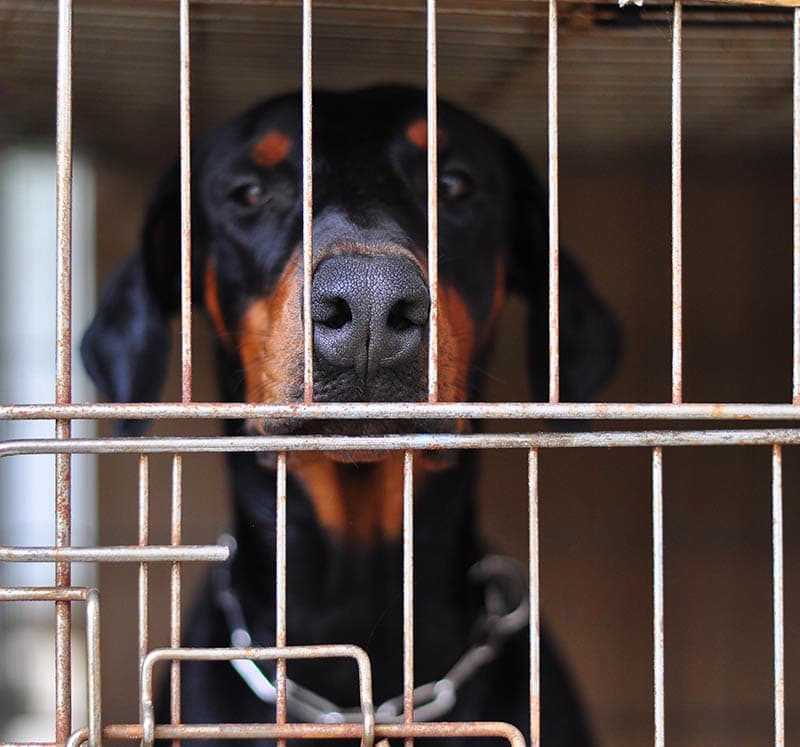
When you are not training your Doberman, it is good to make sure they have a place to relax. A great example of a relaxing space for your dog could be a spacious and comfortable dog crate.
This space is critical to your Doberman’s training because it gives them an area to settle down. When they are in their private space, they will know to rest after a busy training day. When they are out of the crate and training, they will be more focused on the task.

6. Exercise Your Doberman
Dobermans are high-energy dogs. If your Doberman does not have an outlet for this energy, their liveliness may turn to rambunctiousness. This can make training difficult.
Therefore, it is best to exercise your Doberman regularly. Providing them with an outlet before and after training can help them manage their activity levels during training and focus on the task in front of them. Even on days when you may not train, you should provide ways for your Doberman to be active.
7. Provide Opportunities to Play
Dobermans are incredibly intelligent dogs. This makes them great candidates for training, but they also require a lot of mental stimulation to remain dedicated to a task. If you want to help your Doberman focus during training, providing opportunities to play before, during, and after training is a great way to keep them from getting distracted.
As an added bonus, the extra playtime will create a stronger bond between yourself and your Doberman.

8. Use Positive Reinforcement
Positive reinforcement is an effective training method to encourage desired behaviors. It includes providing your dog with treats or praise whenever they perform a task well or behave correctly. When rewards are used, they make training a positive and enjoyable experience for your dog.
On the other hand, negative reinforcement or punishment only achieves the opposite. Your Doberman will not look forward to training if you constantly punish them for doing something incorrectly. In fact, they are less likely to learn the behavior you want to instill and more likely to be afraid of you.
9. Understand the Doberman’s Personality
Dobermans are loyal and devoted to their families. They rarely want to wander off and prefer to be as close to you as possible. Once you understand that these dogs are eager to please and willing to do anything for their owners, the sooner you will be able to create a strong bond with your Doberman. A stronger bond will lead to more successful training sessions, making your Doberman a well-behaved, loving companion.

10. Learn to Read Your Doberman’s Body Language
Since humans and dogs cannot communicate through verbal language, body language is the key to understanding your dog’s emotions. While training, it is essential to be aware of your Doberman’s emotions. If they are tired or agitated, it may be time for a break. Learn the cues your pet gives you so you can respond appropriately and provide your dog with better and more effective training sessions.
If you are concerned about your dog's behavior, we suggest speaking with a vet

Conclusion
Dobermans are beautiful, loyal dogs that can be molded into perfect companions. While training your dog, the most important thing to do is give yourself and your dog grace. Mistakes will be made, and progress will be slow at times. But if you can stay positive, the training process can be a pleasant bonding experience for you and your Doberman.
See also:
Sources
Featured Image Credit: Cynoclub, Shutterstock
Expert dog care, straight to your inbox
Vet-reviewed advice, training tips, and the best of Dogster. Free, and you can unsubscribe anytime.
By signing up, you agree to our Terms & Conditions and Privacy & Cookies Policy.
Pets are Jordyn’s passion, especially cats. Whenever she has the opportunity, she loves to learn about animals and share her knowledge with everyone. She is devoted to her mischievous tabby cat named Jack and works hard to buy him his favorite toys and treats. Discovering new ways to better care for her pet is always on the top of her to-do list, and she is eager to help pet parents everywhere who have similar pursuits. In her free time, she loves to write, read, and take long walks. She has a creative spirit, which often helps her to come up with funny cat names.
Join the conversation
Ask a question, share your story, or send private feedback.