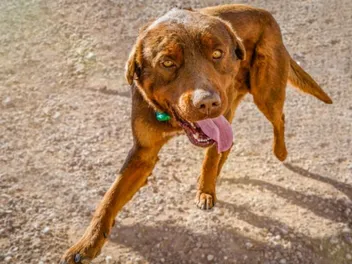
17 Dog Breeds Predisposed to Cancer: Vet-Verified Facts


In this article
The term "cancer" is used to describe a group of diseases that almost everyone has been affected by in one way or another. It refers to a process called neoplasia, where cells begin to replicate incorrectly, resulting in tumors, lymphatic problems, and bone marrow dysfunction. Many forms of neoplasia are benign, but when we use the word cancer, we are most often talking about malignant neoplasia. It is present in humans and animals, and some types of cancer have a poor prognosis, regardless of the treatments available.
A cancer diagnosis can be scary, even if it’s in a furry family member. Some dog breeds are more prone to certain types of cancer, and although it isn't certain to occur, it occurs more frequently in them compared to other breeds. Here are some of the breeds that are predisposed to cancer:

The 17 Dog Breeds Prone to Cancer
1. Golden Retriever

The Golden Retriever is a beloved family dog, but unfortunately, they're more vulnerable to cancer. Hemangiosarcoma, often occurring on the spleen, and osteosarcoma (bone cancer) are both present in this breed, and some dogs also develop mast cell cancer.
Poor breeding practices and inbreeding have increased the risk of these diseases, so it’s vital for Golden Retriever breeders to only breed healthy dogs that have no familial history of cancer and have been DNA-tested.
2. Labrador Retriever

Like the Golden Retriever, the Labrador Retriever is also prone to hemangiosarcoma. They are also at risk for mast cell cancer, which is a highly aggressive cancer that usually starts with a skin lesion. It can spread quickly and, once in advanced stages, can be exceptionally difficult to treat. Also, like the Golden, the Labrador has been plagued with irresponsible breeding practices that have allowed genetic cancer risks to continue.
3. Boxer

Boxers are another breed that is at risk for cancer. Specifically, Boxers are prone to hemangiosarcoma, mast cell cancer, and lymphoma. They can be very dangerous and difficult to treat.
Boxers have been a family favorite for many years, and their goofy and loving temperament constantly wins people over. However, responsible breeding practices are needed to reduce the risk of cancer in the Boxer breed.
4. Bernese Mountain Dog

Bernese Mountain Dogs have grown significantly in popularity within the last decade, quickly becoming a family favorite. They are known to be gentle, loving, and good with children. They are prone to developing hemangiosarcoma, although at a lower rate than other at-risk breeds, like Goldens and Labs.
They are also at risk for mast cell cancer and histiocytic sarcoma, which is an aggressive cancer that attacks the bones, joints, skin, and respiratory system. As the Bernese Mountain Dog continues to increase in popularity, potential owners must support responsible breeders to reduce the prevalence of cancer.
5. German Shepherd

Well known for protection work, the German Shepherd is highly trainable and intelligent, albeit not a great dog for first-time dog owners. They are predisposed to developing hemangiosarcoma and osteosarcoma. With a sturdy build and lacking the deep chest of some other breeds, German Shepherds often do well with amputations if they develop osteosarcoma in a limb.
6. Rottweiler

The Rottweiler is a loyal dog considered an excellent option for families with children due to their protective nature, but they're prone to osteosarcoma. Due to their deep chest and heavy body weight, some Rottweilers struggle with limb amputations, but they often will adjust over time. Rehab programs can improve the strength of the remaining limbs to support the dog.
There is a lot of current research into the relationship between neutering and the incidence of osteosarcoma in Rottweilers, so if you’re looking to add a Rotti to your family, do your homework and talk to your vet about the best time to sterilize your dog.
7. Great Dane

Easily recognizable as one of the tallest dog breeds, the Great Dane is an excellent dog for people who don’t mind a 150-pound couch potato that loves to counter surf for snacks. Like many lean, large dogs, the Great Dane is at risk of developing osteosarcoma.
Due to the size of these dogs, a thorough evaluation of the strength and health of the limbs should be considered before an amputation, and a rehab plan should be in place at the time of the surgery to support mobility after surgery.
8. Irish Wolfhound

Although not a common breed, the Irish Wolfhound is a giant dog that tends to be gentle and loving. They are lovely pets but are prone to developing osteosarcoma. Osteosarcoma is considered to be one of the leading causes of death in Irish Wolfhounds. The initial signs, including limping and limb and joint pain, are often misinterpreted as arthritis and other types of musculoskeletal problems prevalent in the breed.
9. Scottish Deerhound
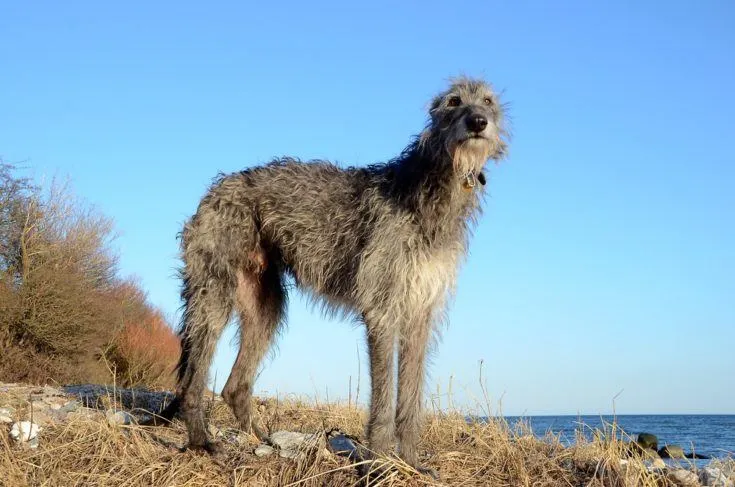
Like the Irish Wolfhound, the Scottish Deerhound is a high-risk breed for developing osteosarcoma. Estimates indicate that around 15% of all Scottish Deerhounds will be diagnosed with osteosarcoma at some point in their lives, with the average age of diagnosis being 7.7 years.
Osteosarcoma has a strong genetic component, so it’s very important to use safe and responsible breeding practices to eliminate the high risk in the Scottish Deerhound.
10. Greyhound

Greyhounds are elegant dogs that many people adopt after they retire from dog racing. Like many tall breeds, the Greyhound has an increased risk of osteosarcoma. It may be mistaken as arthritis initially, especially in retired racing dogs. Any limping or musculoskeletal pain in a Greyhound must be investigated by a veterinarian as soon as possible to rule out cancer.
11. Beagle

Beagles are excellent family dogs that love to have fun and make noise. However, Beagles are at risk for developing mast cell cancer, as well as bladder cancer.
Bladder cancer can be aggressive and painful, so it’s essential to have a vet look into any urinary signs when they occur. They are also at risk of developing lymphoma, which can be aggressive and deadly but is often treatable when caught early enough.
12. Staffordshire Bull Terrier

The Staffordshire Bull Terrier is a tough-looking dog, but they are also family-friendly, loyal, friendly, and outgoing. Unfortunately, they are prone to developing mast cell cancer.
Your vet must check any new skin lumps or bumps as soon as you notice them. If caught early enough, mast cell cancer can be curable, but it quickly becomes very aggressive and dangerous.
13. Doberman

The Doberman breed is considered to be overrepresented when it comes to cancer prevalence. Dobermans are at risk of osteosarcoma and lymphoma, as well as reproductive cancers, including prostate cancer and mammary cancer. While spaying and neutering can reduce the risk of these cancers, they aren’t a surefire way to prevent reproductive cancers in your Doberman.
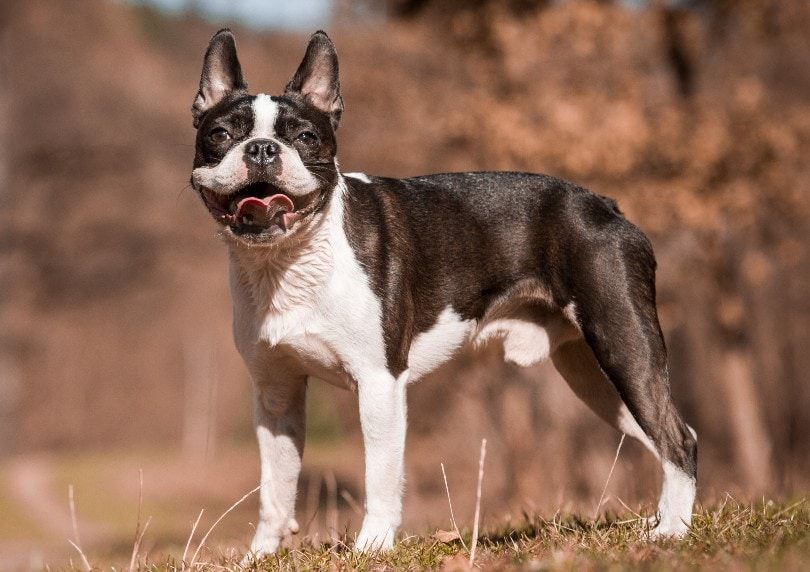
14. Boston Terrier

Boston Terriers have quite a high rate of cancer. It’s estimated that around 30% of Boston Terrier deaths are caused by cancer. They are prone to mast cell cancer, as well as brain cancer.
Brain cancer can be challenging to manage and is often untreatable. It can lead to behavior changes and seizures, so medical management in conjunction with available treatments is necessary to support your Boston Terrier’s health.
15. Cocker Spaniel

Cocker Spaniels are predisposed to a few cancers. Mast cell cancer isn’t uncommon in this breed, and mammary cancer is prevalent. In around 30% of cases, mammary cancer in Cocker Spaniels is malignant, making it very dangerous.
Sometimes, mammary cancer can be treated with a mastectomy surgery, but the surgery is very invasive and can be painful for the dog. Early spaying dramatically reduces the risk of mammary cancer but isn’t a guarantee against it.
16. Irish Setter

Irish Setters are at risk for developing osteosarcoma, as well as an unusual type of cancer known as insulinoma. This cancer occurs in the pancreas, causing it to produce too much insulin to control the dog’s blood sugar level properly.
Insulinomas are associated with severe hypoglycemia, sometimes leading to seizures, coma, and death. This is a severe type of cancer that can be difficult to treat and manage. Life expectancy after diagnosis can be as little as 6 months.
17. Bulldog

Bulldogs have big, silly personalities and are quite a popular breed. They are prone to developing mast cell cancer, which isn’t unusual considering their predisposition for skin problems, but they are also at risk for lymphoma. Both of these cancers can be treatable when caught early, but it is crucial to have any new lumps or bumps checked out to rule out a cancer diagnosis.

Contact a Vet

Final Thoughts
Cancer is a scary word, but medical advancements have improved outcomes for dogs with cancer. There are multiple types of treatable cancers that dogs are prone to, but it is the responsibility of dog owners to check their dogs over for lumps and bumps, as well as note any behavioral or physical changes that may occur. An early diagnosis of cancer can be the difference between life and death for dogs.
Sources
Featured Image Credit: Aneta Jungerova, Shutterstock
Expert dog care, straight to your inbox
News, insights, expert advice, and everything dog.

No spam — unsubscribe anytime.
By signing up, you agree to our Terms & Conditions and Privacy & Cookies Policy.
How useful was this post?
Click a star to rate. You can leave written feedback afterwards. (We read all feedback.)
Brooke Billingsley spent 9 years as a veterinary assistant before becoming a nurse in 2013. She lives in Arkansas with her boyfriend, and loves all animals; currently sharing a home with three dogs, two cats, five fish, and two snails. She has a soft spot for special needs animals and has a three-legged senior dog and an internet famous cat with acromegaly and cerebellar hypoplasia. Fish keeping has become a hobby of Brooke’s and she is continually learning how to give her aquarium pets the best life possible. Brooke enjoys gardening and keeps a vegetable garden during the summer months. She stays active with yoga and obtained her 200-hour yoga teacher certification in 2020. She hosts a podcast focusing on folklore and myth and loves spending her free time researching and writing. Brooke believes that every day is an opportunity for learning and growth and she spends time daily working toward new skills and knowledge.