Is Cancer Prevention for Dogs Possible? Everything You Need to Know!


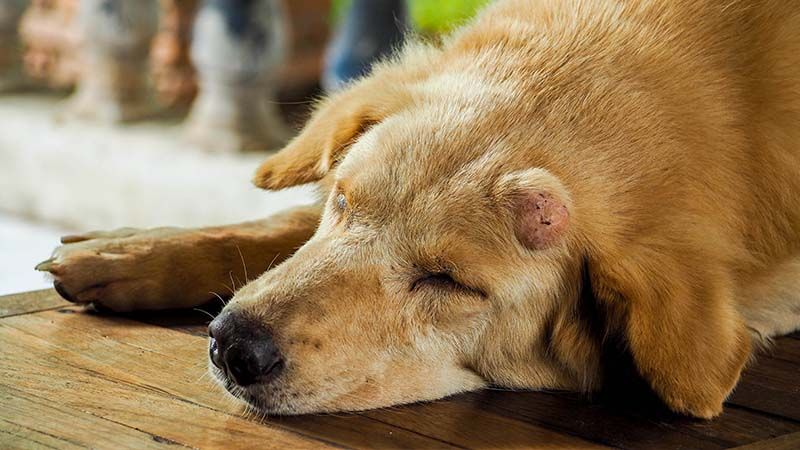
Cancer is a cruel set of diseases that often unfairly target specific dog breeds, but that can be present in a dog of any ancestry. Responsible breeding can help to reduce the risk of cancer in a dog breed, but it isn’t a guarantee of prevention.
Cancer is an extremely common concern among dog owners, which may lead people to question if there is any way to prevent cancer in their dog, whether they have a genetic predisposition or not. Here are the important things about cancer prevention in dogs that every dog owner should know.
In short, there are ways to reduce your dog's risk of cancer, though not all cancers can be prevented.

Is It Possible to Prevent Cancer in Dogs?
There are no guarantees when it comes to preventing cancer in your dog, but there are multiple things you can do to reduce the risk of cancer development. In fact, just about all aspects of your dog’s life can have an impact on their risk of developing cancer, but by making some changes, you can help prevent cancer in your dog.
For some dogs, there is nothing you can do to prevent cancer, and if your dog develops cancer, it doesn’t mean that you did something wrong.

How to Reduce the Risk of Cancer in Dogs
Avoid Carcinogens
Just like in humans, carcinogen exposure can cause cancer. This means that exposure to certain chemicals can increase your dog’s risk of cancer development. This includes second and third-hand smoke exposure.
Second-hand smoke exposure occurs when you or someone else smokes directly around your dog, while third-hand smoke exposure occurs when your dog comes into contact with someone or something that has been exposed to cigarette smoke, like your clothes.
Other carcinogens that have shown a risk of cancer development in dogs are pesticides and lawn chemicals, so always read the safety warnings on these products and carefully follow all instructions on products that will potentially come into contact with your dog.
Don’t Forget the Sun
Again, just like in humans, sun exposure can increase the risk of cancer. Obviously, most dogs are covered with fur that helps protect them, but some breeds are very prone to developing melanoma from sun exposure.
Hairless breeds and those with thin or short, white coats are at an increased risk of developing skin cancer. Even longhaired dogs can develop skin cancer on exposed areas of skin, like the nose and ears. Dog sunscreen is available to help protect your dog, especially if your dog spends a lot of time outdoors.
Provide a Healthy, Good-Quality Diet
The role of nutrition in cancer is a rapidly evolving subject. There is no good direct evidence linking low-quality diets with cancer or that low-carb diets prevent cancer. However, it is recommended to feed a diet that is regularly tested to ensure no adverse ingredients or contaminants such as melamine and aflatoxins.
It’s important to feed your dog a diet that is WSAVA compliant, so you know that it contains all of the nutrients in appropriate amounts for your dog.
Maintain a Healthy Body Weight
Obesity is thought to be a risk factor for cancer in your dog, so the type of diet you feed them isn’t the only thing you can do to reduce the risk of cancer.
Maintaining a healthy body weight through exercise and feeding your dog an appropriate amount of food for their age, current weight, goal weight, and health status may help keep your dog’s risk of cancer development lower than it would be if they were overweight or obese.

Check Your Dog Regularly
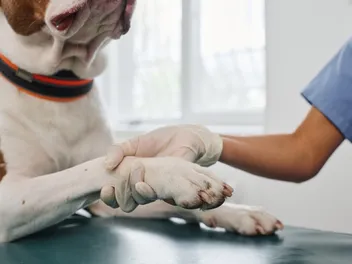
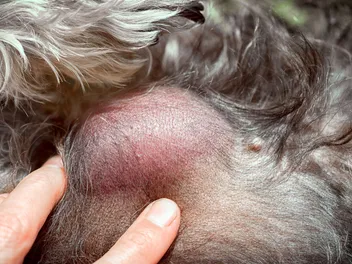
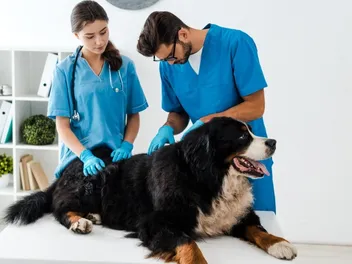
It’s always a good idea to be very aware of your dog’s physical appearance, and this includes checking your dog regularly for lumps, bumps, and wounds. It’s ideal to check your dog thoroughly at least once per month, especially if your dog is of a breed that is at an increased risk of cancer development.
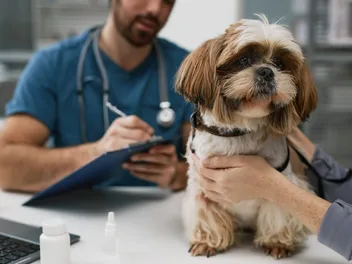
New lumps and bumps should be checked over by your vet to determine if they are of concern. Even with bumps that your vet is aware of, you should become familiar with the appearance and feel of the bump so you will know if something begins to change.
Talk to Your Vet About Spaying/Neutering
Having your dog spayed or neutered can have a direct impact on their risk for the development of certain cancers. Having your female dog spayed will eliminate her risk of ovarian cancer while neutering a male dog will eliminate the risk of testicular cancer.
The age at which your dog is spayed or neutered may impact the risks of certain cancers as well. Some studies have shown that early spaying can reduce the risk of mammary cancer. In fact, the more heat cycles a dog has, the more her risk of mammary cancer increases. However, some studies have shown a potential link to spaying early increases the risk of certain types of cancers in some breeds.
There are currently no blanket recommendations about the appropriate age to have a dog spayed or neutered. That is a conversation that you should have with your dog’s vet. You will need to make an honest assessment of your lifestyle if you are considering waiting to spay or neuter. Being a responsible pet owner who keeps their intact pet from having or making puppies is a serious commitment.
Vaccines
There is a form of immunotherapy against cancer in the form of a vaccine that is still going through significant studies, but it has shown notable improvements for dogs that have cancer. Unfortunately, this vaccine doesn’t prevent cancer in dogs that don’t already have it.
This vaccine is designed to boost the immune system of dogs that already have cancer, allowing their body to fight cancer cells.
Conclusion
According to AVMA, around 50% of all dogs over the age of 10 years will develop some form of cancer, so it is often an unavoidable issue. Fortunately, there are some things you can do to decrease your dog’s risk of developing certain types of cancer, and many of those things are quite easy for you to implement.
There are no certainties when it comes to cancer prevention, but you can make changes that will give your dog the best chance of not developing cancer.
See also: What and When Is Pet Cancer Awareness Month?
Sources
Steps to Prevent Risk of Cancer in Your Dog | PetCure Oncology
How To Help Your Dog Avoid Cancer: Tips To Help Prevent Canine Cancer (akc.org)
Neutering Dogs: Effects on Joint Disorders and Cancers in Golden Retrievers | PLOS ONE
Mushroom-derived compound lengthens survival in dogs with cancer, study suggests -- ScienceDaily
Yale's EGFR/HER2 Vaccine Helps Dogs With Metastasis?! (ccralliance.org)
Mammary cancer | Cornell University College of Veterinary Medicine
Featured Image Credit: sarocha wangdee, Shutterstock
Expert dog care, straight to your inbox
News, insights, expert advice, and everything dog.

No spam — unsubscribe anytime.
By signing up, you agree to our Terms & Conditions and Privacy & Cookies Policy.
How useful was this post?
Click a star to rate. You can leave written feedback afterwards. (We read all feedback.)
Brooke Billingsley spent 9 years as a veterinary assistant before becoming a nurse in 2013. She lives in Arkansas with her boyfriend, and loves all animals; currently sharing a home with three dogs, two cats, five fish, and two snails. She has a soft spot for special needs animals and has a three-legged senior dog and an internet famous cat with acromegaly and cerebellar hypoplasia. Fish keeping has become a hobby of Brooke’s and she is continually learning how to give her aquarium pets the best life possible. Brooke enjoys gardening and keeps a vegetable garden during the summer months. She stays active with yoga and obtained her 200-hour yoga teacher certification in 2020. She hosts a podcast focusing on folklore and myth and loves spending her free time researching and writing. Brooke believes that every day is an opportunity for learning and growth and she spends time daily working toward new skills and knowledge.