Carolina Dog: Breed Info, Pictures, Care, Traits & More

In this article
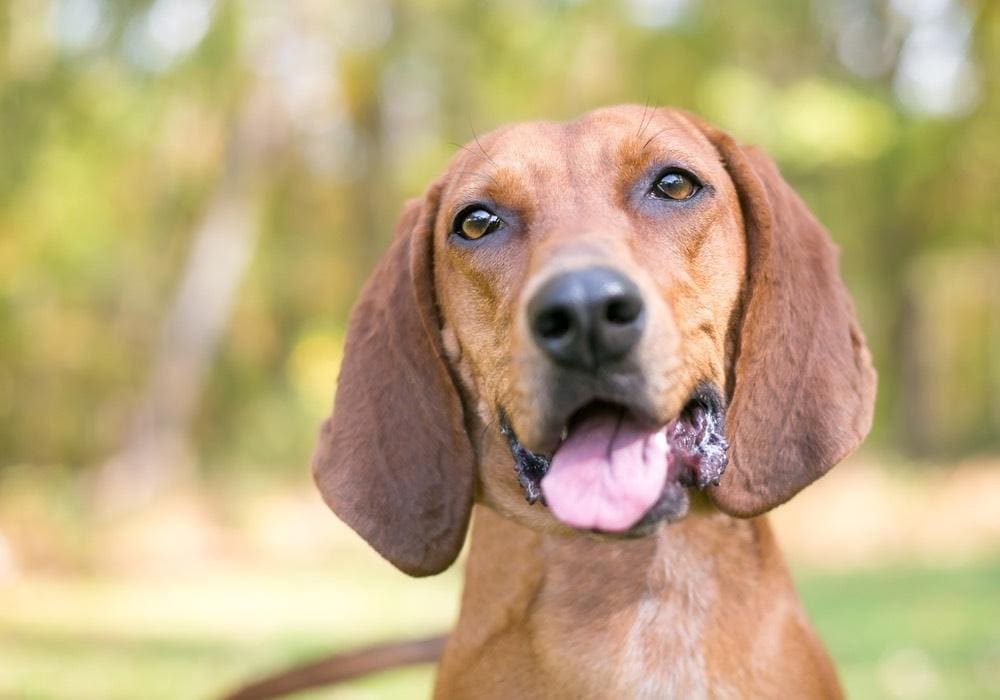
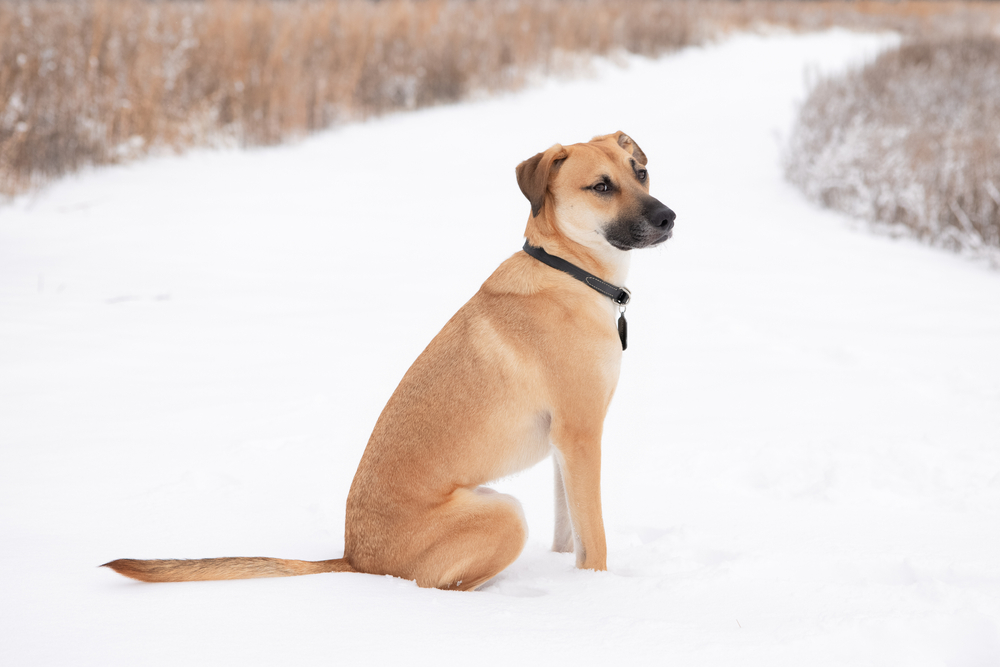
If you’ve ever seen a yellow or tan dog that looks a bit like a wild dingo, you may have come across one of the rare Carolina Dogs. Known for their skeptical nature, loyalty, and uncanny resemblance to dingoes, the previously wild Carolina Dog is making a comeback as a companion pet.
If you’re looking for a unique dog breed or just want to find out a bit more about the breed, you’re in the right place. Scroll down for all the info you could ever want to know about the Carolina Dog, including what they look like, how they act, and how to care for them.
Breed Overview
Height:
Weight:
Lifespan:
Colors:
Suitable for:
Temperament:
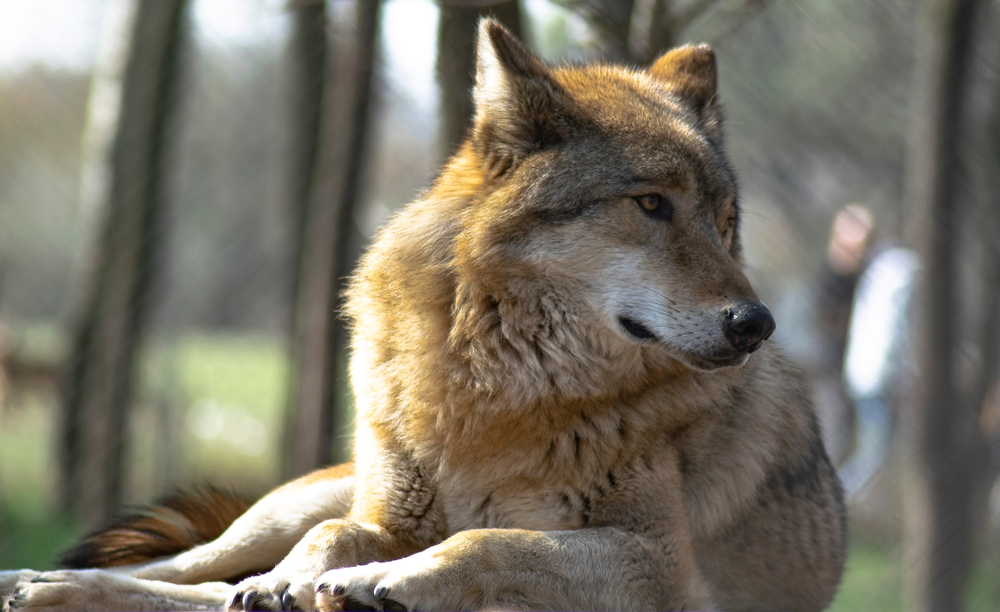
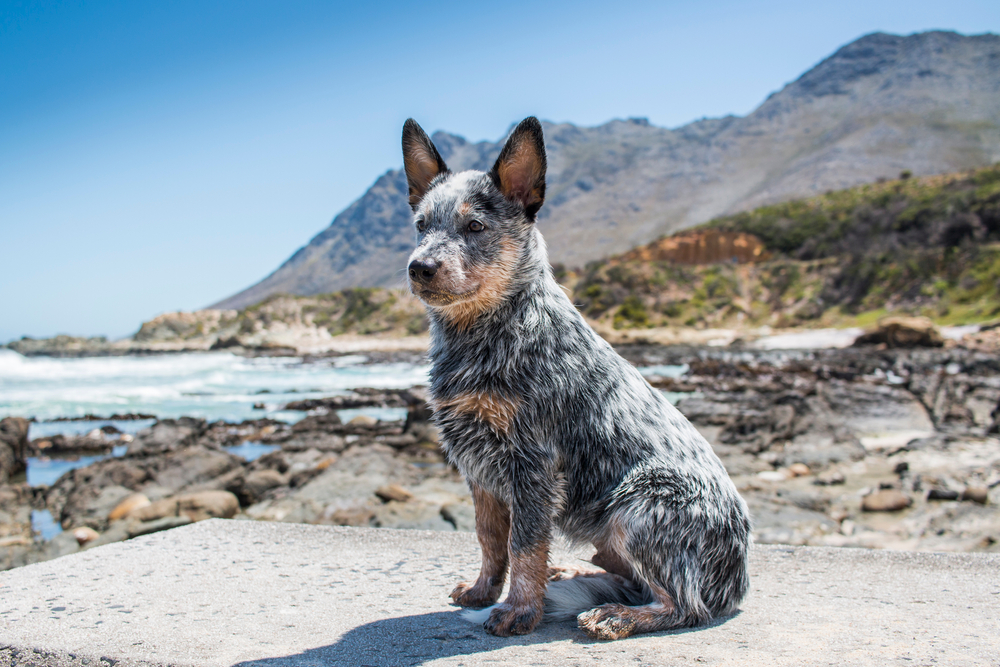
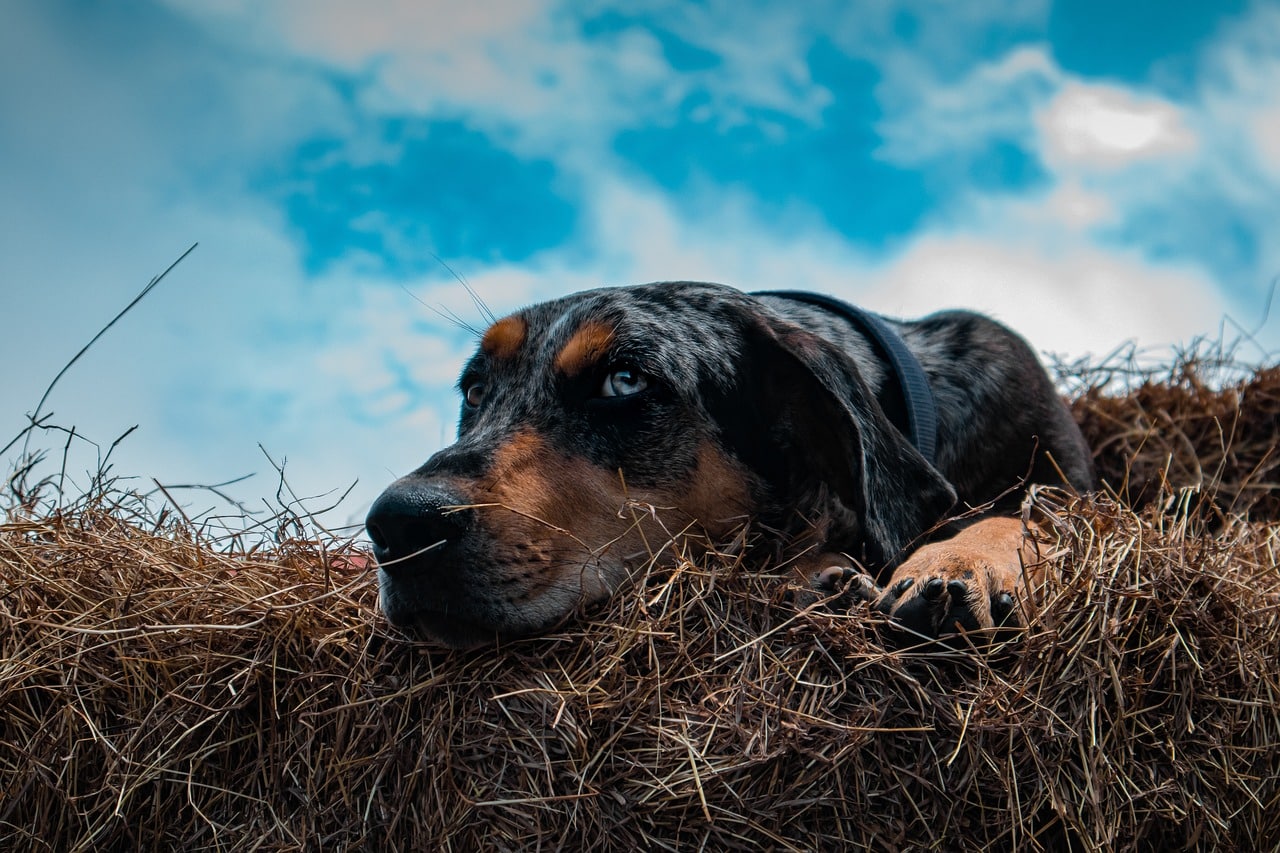
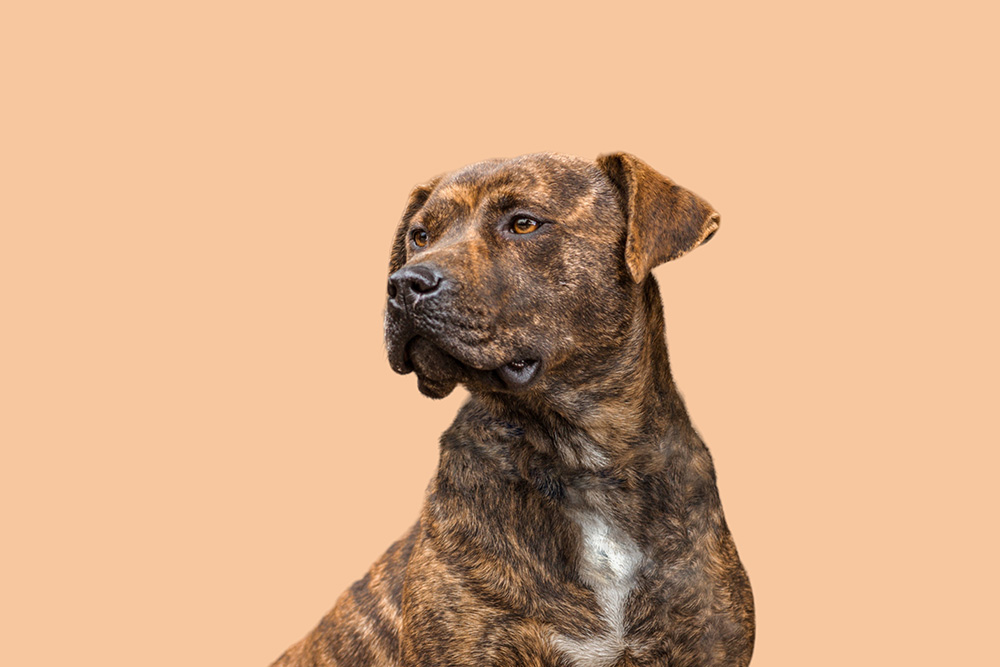
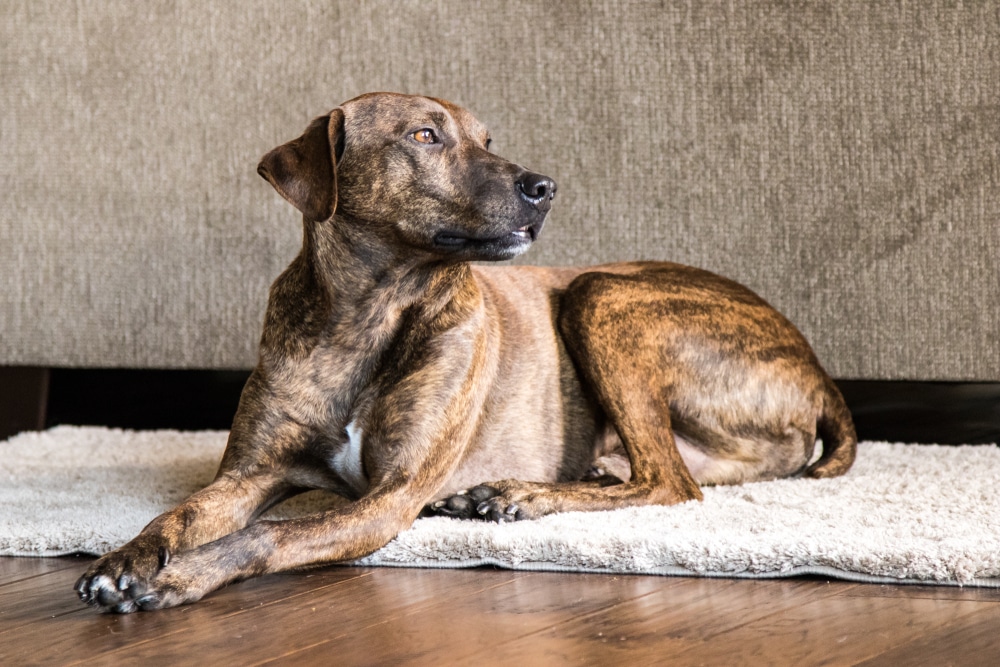
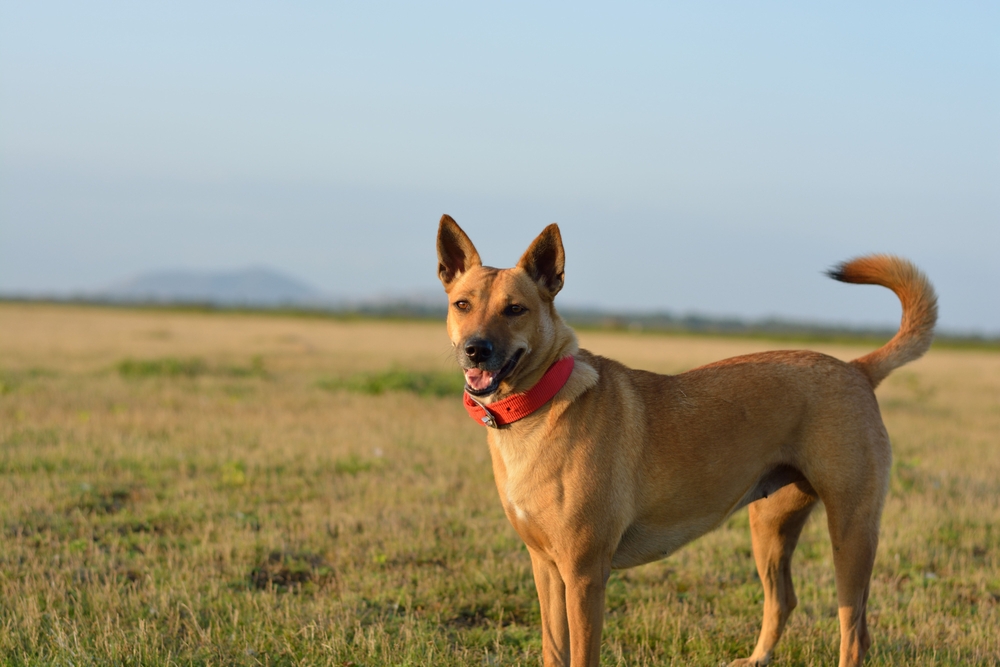
Not well known by mainstream dog enthusiasts, this unique breed has a lot to love. The Carolina Dog is characterized by a lean build, almond-shaped eyes, a reddish or yellowish coat, and tapered ears that evoke the look of some wild Asian breeds. Isolated from other dogs for a long time and considered a landrace dog, the Carolina Dog is in a class all its own.
Carolina Dog Characteristics

Carolina Dog Breed Puppies

They aren’t as popular as other breeds, so you certainly have your work cut out for you when looking for Carolina Dog puppies. To help you, we’ve come up with a comprehensive checklist of networking tips, advice on how to interact with breeders, and how to tell a good breeder from a shady puppy mill
Tips for Finding a Reputable & Ethical Carolina Dog Breeder:
Temperament & Intelligence of the Carolina Dog 🧠
The Carolina Dogs personality is a bit wilder than the typical domesticated breed. They’re more reserved at a glance and even standoffish to strangers, but that belies a gentle pack animal. Once they feel comfortable, a Carolina Dog can be downright silly around their family. They’re also incredibly loyal dogs that bond strongly with their close-knit pack, but they don’t tolerate any nonsense from outsiders!
Sharply intelligent with a subtle eagerness to please, Carolina Dogs require more patience than other breeds. They can be stubborn at times and need your help guiding them through how to properly deal with situations. Despite the rough-and-tumble front, at heart, they’re emotionally sensitive dogs. Treat them with respect and love, and you’ll quickly see why the breed was a possible inspiration for the beloved Old Yeller.
Are These Dogs Good for Families? 👪
Yes, but we recommend them for families with older kids due to their shy personality and brash streak. They just don’t have much patience in general. It takes a lot of obedience and socialization to help overcome this, but it’s doable with steady positive reinforcement. You'll find a furry friend for life once you help your Carolina Dog come out of their shell. As pack animals, you simply need to get over that initial hump to help them determine who their pack is—your family!

Does This Breed Get Along With Other Pets? 🐶 😽
The Carolina Dog has a strong prey drive that makes them poor housemates for families with cats or small prey animals like bunnies or hamsters. They’re quite sociable with other dogs and naturally fall into packs, preferring to be with the pack at all times. Luckily for us, humans can qualify as honorary dogs. It helps make them more trusting if you raise your Carolina Dog from puppyhood around other dogs, but regular trips to the dog park can do the trick too.
Things to Know When Owning a Carolina Dog
Food & Diet Requirements 🦴
Like all dogs, especially active breeds, the Carolina Dog needs the highest quality nutrition you can comfortably afford. As young puppies, they’ll eat protein-rich puppy food with 25% to 32% protein and grow into a maintenance diet with around 18% to 22% protein. Both formulas are well balanced with a mix of carbs, healthy fats, fruits, and veggies, plus a host of trace minerals and essential vitamins. However, some people claim that Carolina Dogs do well with a raw diet, but it’s best to discuss that with your vet.
Avoid kibbles that are packed with grain, soy, wheat, or corn. Grain-based fillers like these make your dog feel fuller and are used to round out kibbles, but they’re not what your dog really needs. Too much grain can even cause digestive issues, particularly for a “wild” breed like the Carolina Dog, as they’re not as used to grains as other domestic breeds and prefer meat.
As with any dog, the Carolina Dog definitely appreciates delectable meats! You can add cooked meat like lamb, turkey, chicken, and beef to your dog’s bowl daily to give an extra protein bomb. Scrambled eggs are just as good and often cheaper to incorporate into a daily routine. You can reduce your dog’s kibble portions when you do this to avoid overeating.
As for a feeding schedule, we recommend three meals a day. Carolina Dogs have a higher metabolism than other dogs of the same size, so they’re likely to get peckish in the middle of the day if they’re on a regular schedule of two meals a day. Young puppies may even need four meals a day. If you’re unsure about how to devise a healthy feeding routine, ask your vet for advice.

Exercise 🐕
Carolina Dogs are a highly active breed that benefits tremendously from vigorous walks, playtime, and if possible, access to a secure outdoor yard. Aim for an hour to an hour and a half each day, starting from the low end and ramping up as necessary. A regular exercise routine is vital for your Carolina Dog to stay not only healthy but happy. Bored and under-stimulated dogs like these can very quickly become destructive by chewing up all your shoes and diligent ditch-digging in your yard.
Don’t neglect to slot mental enrichment into both routine exercise and downtime. Mental games, puzzle feeders, snuffle mats, and Kongs are all great ways your dog can show off their creative problem-solving abilities. Your training sessions also serve to engage your dog’s brain but in a supplemental way. Training shouldn’t be relied upon for all their mental stimulation needs.
Training 🎾
Socialization is absolutely essential for Carolina Dogs to mellow their naturally suspicious personality into more reserved but self-assured dogs. When poorly socialized, they can become aggressive toward cats, birds, and prey animals. Socializing your dog isn’t hard, but it requires patience if they’re very distrustful.
Begin by bringing your dog around new people, places, and other animals in a controlled manner. Incentivize good behavior by giving your dog a treat and praise when they’re calm in unfamiliar situations, and ignore bad behavior with grace. Getting upset or scolding them for bad behavior is counterproductive and, in fact, more likely to make them act out due to confusion in the future.
Obedience training should come early too. You can start by teaching your dog their name by rewarding them every time they respond, and slowly ramping up to simple commands like “stay” and “sit.” Carolina Dogs have a stubborn streak that can frustrate training, but at their core, they’re eager to please you like any other breed. Your best friends during training will be a big bag of treats and a strict positive reinforcement approach to the task. Simply keep repeating your short training sessions until your dog seems to get it. Remember that some dogs take longer than others.

Grooming ✂️
Like cats, Carolina Dogs are fastidious self-groomers that keep their coat in presentable shape. Most have short to medium coats, though longer coats are known in colder climates. Either way, Carolina Dogs have straight, uncomplicated fur that stays in great shape with a weekly grooming session.
Of course, you want to bathe them when they get visibly dirty too! For maintenance baths, every 6 weeks or so should do the trick if your dog doesn’t play in the mud. Bathing too frequently can be harsh on their skin, stripping the skin and fur of its natural oils. Try to use a mild dog shampoo and carefully space out your dog’s baths to keep their coat clean and sleek.
Ear and nail hygiene is important as well. You should regularly clean your dog’s ears with a damp cloth and trim their nails every month or so. Without regular trims, a Carolina Dog’s nails can grow uncomfortably long and even painful. If you’re worried about this, know that professional dog groomers are happy to deal with all that for a reasonable fee.
Health and Conditions ❤️ 🏥
Carolina Dogs have a robust constitution honed by thousands of years of natural selection. Unlike many other purebreds, they haven’t been overbred or extensively inbred to produce certain traits. There are no major Carolina Dog health problems to speak of and have a fairly long lifespan, but they are more susceptible to certain minor issues than other breeds.
Minor Conditions:
Male vs. Female
Male and female Carolina Dogs don’t differ much, but males tend to be a little beefier while females have a lither physique. Anecdotally, males are a little more active and friendly while females are more inclined to be docile and sweet. Like any breed, though, the difference is minimal, and every dog has their own unique personality.
3 Little-Known Facts About the Carolina Dog
1. They’re Descended From Wild Asian Dogs
Like other species of dogs owned by the Native Americans, Carolina Dogs are thought to be descended from wild North American species. Historians posit that their ancestors crossed the land bridge from Asia to North America with ancient humans over 15,000 years ago.
2. Carolina Dogs Aren’t Related to Dingoes or Jackals
Sometimes called American Dingoes or Dixie Dingoes, the Carolina Dog is in fact unrelated to wild dogs like the dingo and jackal. It’s easy to see how people get confused, though, as they really do look like jackals or dingoes from a distance!
3. Many Carolina Dogs Still Live in the Wild
A lot of Carolina Dogs can be found living a reclusive life along the American Southeast, from the Carolinas down to the Florida-Georgia state line. However, some are known to have migrated as far as Ohio and Arizona! In nature, Carolina Dogs prefer to live in packs, and where you see one there are always more!

Final Thoughts
Carolina Dogs aren’t your run-of-the-mill canine. They’re best suited for experienced dog owners who know the difference between a challenging dog and a sensitive dog – but they can definitely be both! They do well with other dogs, too, making them a lively addition to any active family without small kids.
Sources
Featured Image Credit: Wirestock Creators, Shutterstock
Expert dog care, straight to your inbox
Vet-reviewed advice, training tips, and the best of Dogster. Free, and you can unsubscribe anytime.
By signing up, you agree to our Terms & Conditions and Privacy & Cookies Policy.
Codee Chessher is a freelance writer whose motto is: there is nothing a well-worded sentence can't accomplish! He loves to write about pets, travel, DIY, and more. Codee's experience is varied, but the written word has always been his strongest and biggest passion.
Join the conversation
Ask a question, share your story, or send private feedback.