Scottish Deerhound Dog Breed: Info, Pictures, Care & Traits

In this article
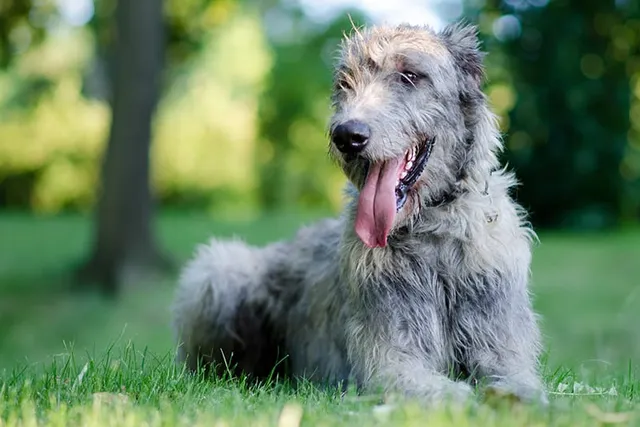
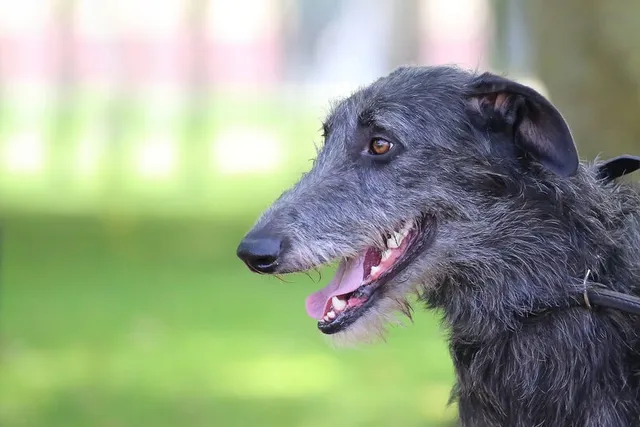
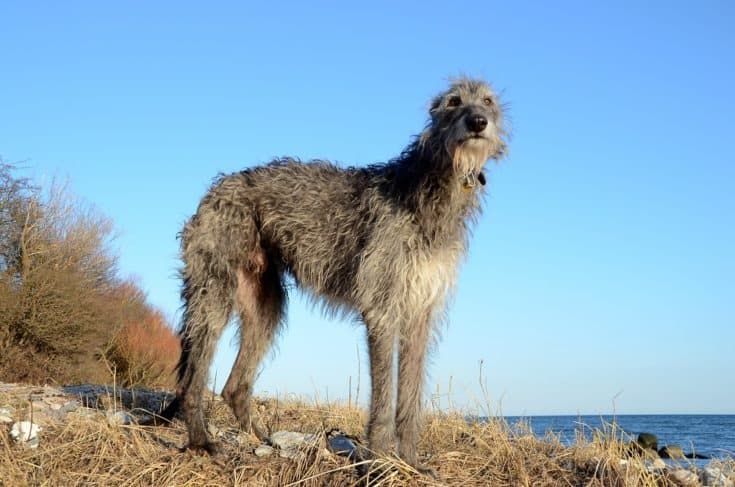
With looks like a rough-coated Greyhound, the Scottish Deerhound is a large and graceful coursing hound that was developed from the sighthound. As the name suggests, Deerhounds were bred to stalk and run down giant wild red deer.
These dogs are more substantial than Greyhounds, however, giving them the strength to take on massive bucks with sharp antlers. Now, these dogs are primarily kept as show dogs, canine competitors, and family companions. But like sighthounds and other hunting breeds, Deerhounds have specific needs that owners must be prepared for.
Breed Overview
Height:
Weight:
Lifespan:
Colors:
Suitable for:
Temperament:
Known as the “Royal Dog of Scotland,” the Scottish Deerhound is a descendant of an old Gaelic hound. They are closely related to the Irish Wolfhound, sharing a common ancestry. In fact, Scottish Deerhounds were one of the foundation breeds that contributed to the modern Irish Wolfhound.
Deerhounds were developed to course and stalk red deer in the 19th century. Once modern rifles came around, hunters preferred slower tracking dogs over the fast, distance-bred Deerhound. Deerhounds were trained to hunt deer as singles or a pair, running them down with sheer speed. After their decline in hunting, they became sporting animals for nobility and eventually show dogs.
Scottish Deerhound Characteristics

Scottish Deerhound Puppies

Scottish Deerhounds are valued for their hunting ability, even if they’re no longer used to course deer, and they’re a rare breed in North America and their native Scotland. One of the reasons they’re rare in the US is that hunting deer with dogs is not allowed. If you want a Scottish Deerhound, you may need to wait for an available litter from one of the few reputable breeders.
Though also rare, Scottish Deerhounds may appear in rescues and shelters from owners unprepared for their energy needs, companionship needs, or size. There are some breed-specific rescues that work with Deerhounds and Deerhound mixes, but you will need to do your research to find one.
If you find a puppy, make sure to devote a lot of time to training and socialization. Deerhounds do well with play companions and large, secure play areas with sturdy fences. Their energy needs can be quite demanding as puppies, so you will need to set aside time for vigorous exercise sessions.
Scottish Deerhound Origin & History
Scottish Deerhounds have a history steeped in myth and legend. The Hilton of Cadboll Stone, which dates back about 1200 years, depicts deer chased by two large dogs and horsemen, but there’s no definitive genetic link between these dog types and the modern Deerhound.
The Scottish Deerhound became officially known in relation to the English regional greyhounds in the early 19th century. The Deerhound is believed to be connected to Gaelic hounds and shares ancestry with the Irish Wolfhound.
These dogs were valuable for coursing deer alongside mounted hunters, either on their own or in pairs, and running them down. But as the clan systems declined in Scotland, they became sporting animals for nobility and some common folk. They were used for large and small game, as well as poaching in some instances, but tracking dogs became preferred as large Scottish estates were divided into smaller estates.

Temperament & Intelligence of the Scottish Deerhound 🧠
Scottish Deerhounds are unique in that they love to be lazy, but they’re at attention if something catches their eye. If they spot something worth chasing, they will enter into a single-minded pursuit until they succeed. Obedience lessons are crucial to not only manage their energy levels and absentmindedness but also prevent problem behaviors related to separation anxiety and boredom. These dogs are very sensitive and require one family, but they are often friendly around new people.
Are These Dogs Good for Families? 👪
Scottish Deerhounds can be a good choice for families with children. However, given their large size and sensitive nature, it’s important to teach both dog and child to interact appropriately. Accidents can happen if you leave a large dog with a young child unsupervised. Don’t allow your child to ride the Deerhound, tug on their ears or tail, or rough play with them, as that can cause the dog to become defensive.

Does This Breed Get Along With Other Pets? 🐶 😽
Deerhounds were bred to course alongside other dogs and generally get along well with other medium or large breeds. However, they are coursing hounds with a high prey drive. Pairing them with cats or small dogs can lead to chase behaviors that are dangerous for the smaller animals. You should never leave a small pet within access of a Deerhound.

Things to Know When Owning a Scottish Deerhound
Scottish Deerhounds are large, sensitive dogs with very specific needs. Here’s everything you need to know about welcoming one into your family.
Food & Diet Requirements 🦴
Scottish Deerhounds need a high-quality commercial dog food that meets their energy needs at different life stages and is suitable for common breed health conditions. These dogs may be prone to becoming overweight, and when combined with long and graceful limbs, this can lead to problems with their joints and back. Obesity also contributes to health problems like heart disease and diabetes. Make sure to check with your vet about your dog’s diet and body condition.

Exercise 🐕
Scottish Deerhounds do best with a canine companion to learn with. You should also have a large, fenced-in yard or suitable area for off-leash play and exercise. These dogs have a high prey drive and desire to chase, so they should never be trusted without a leash in an open area. Both adults and puppies need to have plenty of exercise each day, including a lot of running. Otherwise, they may develop destructive behaviors due to boredom.
Training 🎾
Deerhound puppies can be challenging to raise. They require a lot of human companionship and a gentle touch. They shouldn’t be left in a crate for hours each day without some exercise and interaction. Though the Deerhound likes to make their owner happy, they require a reason to perform and listen. If you’re not experienced at training dogs, you may want to invest in professional obedience training.

Grooming ✂️
Though they have a thick, wiry coat, Scottish Deerhounds are very easy to care for. They need a good brushing at least once a week and nail trims every few weeks. You may need to use a slicker brush or comb to remove loose hair and keep their coats shiny and healthy. Unless your dog spends a lot of time outside, occasional baths are enough to keep odors at bay.
Health and Conditions 🏥
Scottish Deerhounds are prone to some genetic health problems like osteosarcoma, dilated cardiomyopathy, cystinuria, slow drug metabolism, delayed bleeding, hyperthermia, and bloat. Fortunately, many of these problems can be prevented with proper care and proactive measures.
Male vs. Female
There’s a considerable difference in the size of the male and female Deerhound, which can make a difference in your food budget and costs for weight-based medications. Otherwise, there is little difference in temperament or health between them, especially if you intend to spay or neuter. This prevents some problem behaviors like vocalization and roaming to find a mate. It’s also crucial for preventing some reproductive cancers or problems in both males and females.
3 Little-Known Facts About the Scottish Deerhound
1. The Breed Almost Went Extinct from Exclusivity.
At the height of their popularity, the Scottish Deerhound was so prized that offering exclusive ownership and strict breeding privileges was a concern for breed associations. With the gene pool limited, Scottish Deerhounds nearly went extinct.
2. A Deerhound Won the National Lure Coursing Championship.
In October 1994, the AKC held the inaugural National Lure Coursing Championship in NJ. The winner was a 14-month-old Scottish Deerhound, who’s now the 1994 National Lure Coursing Champion Chartwell Silver Run of Vale Vue, owned by Ellen Bonacarti and Norma Sellars.
3. Scottish Deerhounds May Predate Scottish People.
The Scottish Deerhound’s history is murky, but some versions of the breed can be traced back to the third century. Historians have identified the breed as Deerhounds in the 16th and 17th centuries, but it’s possible that they existed before Scottish people.

Final Thoughts
Scottish Deerhounds are regal, majestic dogs with the speed and size to take on wild red deer. While they’re mostly left to shows and homes in the modern day, they still retain some of their instinct to hunt and course. These dogs make wonderful, attached companions for the right owner, but it’s crucial to do your research and prepare for their unique needs for a happy and healthy pup.
Featured Image Credit: Kim Christensen, Shutterstock
Expert dog care, straight to your inbox
News, insights, expert advice, and everything dog.

No spam — unsubscribe anytime.
By signing up, you agree to our Terms & Conditions and Privacy & Cookies Policy.
How useful was this post?
Click a star to rate. You can leave written feedback afterwards. (We read all feedback.)
Nicole has loved animals of all sizes her whole life so it's no wonder she has dedicated her career to helping them through what she loves best: learning, writing, and sharing knowledge with others. She’s the proud mom of two dogs, a cat, and a human. With a degree in Education and 15+ years of writing experience, Nicole wants to help pet parents and pets around the planet to live happy, safe, and healthy lives.