Why Does My Dog Put Their Paw on Me? 8 Common Reasons


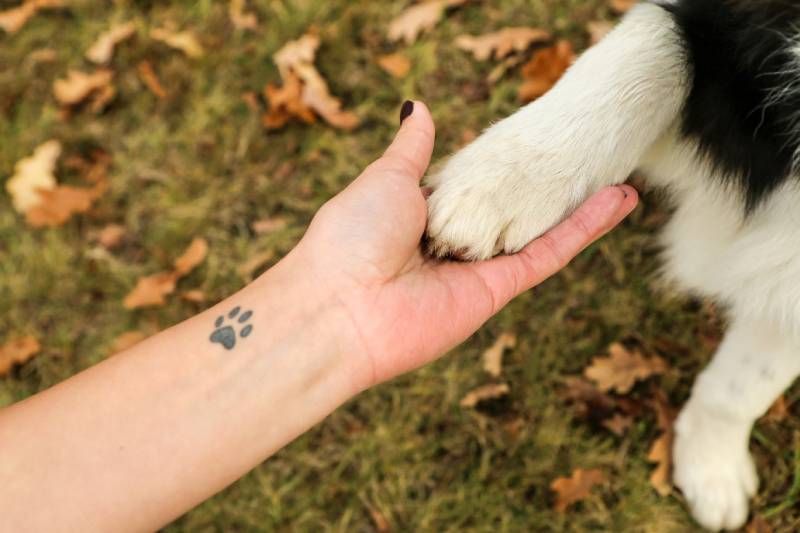
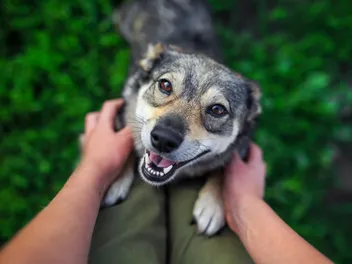
Dogs are amazingly communicative and use their faces and bodies to communicate with humans and other animals. Paws are another way our dogs may communicate with us, and they can be surprisingly expressive! If your dog puts their paw on you, they may be attempting to communicate something, whether it's positive or negative.
In this article, we’ll look at eight common reasons your dog might put their paw on you and how you can figure out what it means.

The 8 Reasons Your Dog Puts Their Paw on You
1. They’re Trying to Get Your Attention
Dogs are intelligent and learn from their surroundings. They learn to use their paws to communicate through experience and reinforcement, and they may also repeat behaviors that successfully elicit a response from people. If your dog puts their paw on you insistently, they're likely trying to get your attention.
It could be one heavy-handed paw or a repeated tapping motion. Either way, your dog could be signaling to you that they want you to focus on them, whether for a head scratch or to let you know something's bothering them. Insistent paws can get frustrating for owners, particularly if your pup is persistent!
But every time you give in and give them attention, they reaffirm that using their paw does get your attention. Dogs quickly learn which behaviors work best to get a response from their owners, and pawing can become one of the most effective ways for them to start an interaction. If the behavior is consistently rewarded with attention, petting, or praise, your dog may begin using it more frequently whenever they want engagement from you.

2. They’re Showing Affection
Just like a dog using its paws for attention, they can use them to convey affection, too. You've more than likely put your hand on your dog's head or back and affectionately stroked them, sometimes even doing it absent-mindedly. This behavior is something your dog can learn to do, and they use the touch to seek contact and social interaction with you.
Therapy dogs use touch techniques to reassure people when they visit hospitals and nursing homes; their touch can provide comfort to patients in need. If your dog places their paw on you and looks into your eyes, it may be a form of affiliative contact or attention-seeking behavior, or a learned response associated with previous reinforcement. Physical contact is an important part of bonding for many dogs, especially those that enjoy close interaction with their owners. Some dogs simply prefer maintaining gentle contact while resting or relaxing, and placing a paw on you can be one way they stay connected.
3. They Want You to Continue What You’re Doing
If you've been stroking your pup and cuddling them, but you pull away, you might feel a paw on your arm or leg. In that situation, giving you their paw (perhaps paired with a pleading look) can indicate they want you to continue with what you are doing!
Some dogs will follow with a head nudge or place their head on your lap.

4. They’re Feeling Uncertain or Seeking Reassurance
Your dog may sometimes place a paw on you when they’re feeling a little unsure or need some reassurance. This can happen in new environments, during loud noises, or when unfamiliar people are around.
You might notice other subtle signs alongside the pawing, like lip licking, yawning, or ears held back. In this case, your dog isn’t just trying to get your attention; they may be looking for a bit of comfort and closeness.

5. They Want Food
If your dog begs at the table or sits beside you and purposefully places their paw on you when you're near their food bowl, they may be seeking attention related to food or anticipating feeding. Dogs will quickly learn that giving you their paw can lead to food or attention, so they'll put their paw on you again and again!
This learned behavior can get intense if your dog does it every time you have food; the more you give them food when they give a paw, the more they'll ask for it!
- Related Reading: Best Dog Treats - Dogster's Reviews & Top Picks

6. It’s a Learned Behavior
If your dog has ever been taught to “shake” or “give paw,” they may start offering it outside of training sessions, too. Dogs quickly learn which behaviors get a positive response, and giving a paw is an easy one to repeat.
If it’s been rewarded with treats, praise, or attention in the past, your dog may use it as a go-to way to interact with you or ask for something.
7. They’re Exploring or Interacting With You
Dogs mainly explore the world with their noses, but they also use touch to interact with people and their surroundings. A gentle paw on your arm or leg can simply be your dog’s way of engaging with you.
This is especially common in younger dogs, who are still learning how to interact and communicate. In these cases, the pawing is usually light and not very persistent.
8. They May Be Feeling Unwell or Uncomfortable
In some cases, pawing can be your dog’s way of drawing attention to discomfort. This is more likely if the behavior is new or happens more often than usual.
You might also notice other changes, like lower energy, limping, changes in appetite, or unusual behavior. Dogs don’t always show obvious signs of pain, so small changes like this can be worth paying attention to. If anything seems off, it’s best to check in with your veterinarian.

Final Thoughts
Knowing why your dog is putting their paw on you is half the battle when finding out what they need. Most of the time, your dog will use their paws to seek attention or physical contact; knowing their behavior and personality can help you figure out what they may be trying to communicate, and being clued up on canine body language is the key to effective communication. Paws included! Spending time observing how your dog behaves in different situations can help you better understand what their pawing means. Over time, patterns will start to appear, and you’ll likely notice that your dog uses their paw in slightly different ways depending on whether they want attention, reassurance, food, or simply a little extra affection.
Also see:
Featured Image Credit: JakubD, Shutterstock
Expert dog care, straight to your inbox
News, insights, expert advice, and everything dog.

No spam — unsubscribe anytime.
By signing up, you agree to our Terms & Conditions and Privacy & Cookies Policy.
How useful was this post?
Click a star to rate. You can leave written feedback afterwards. (We read all feedback.)
Beth is a mom to two kids: one with four legs, one with two. Beth has years of practical experience as a veterinary care assistant , working in both the consult and in operating room, expanding her knowledge to gain certification in her favorite subject: feline behavior and welfare! When she's not writing about her favorite topics (cats and creature comforts), she's looking after her daughter and her mischievous Nebelung, Kiba. When she gets a moment to herself, Beth loves to delve into fiction books. Horror is her favorite genre, with fantasy and rich history being her second go-to's.