Why Do Dogs Cross Their Paws: 6 Vet-Verified Reasons


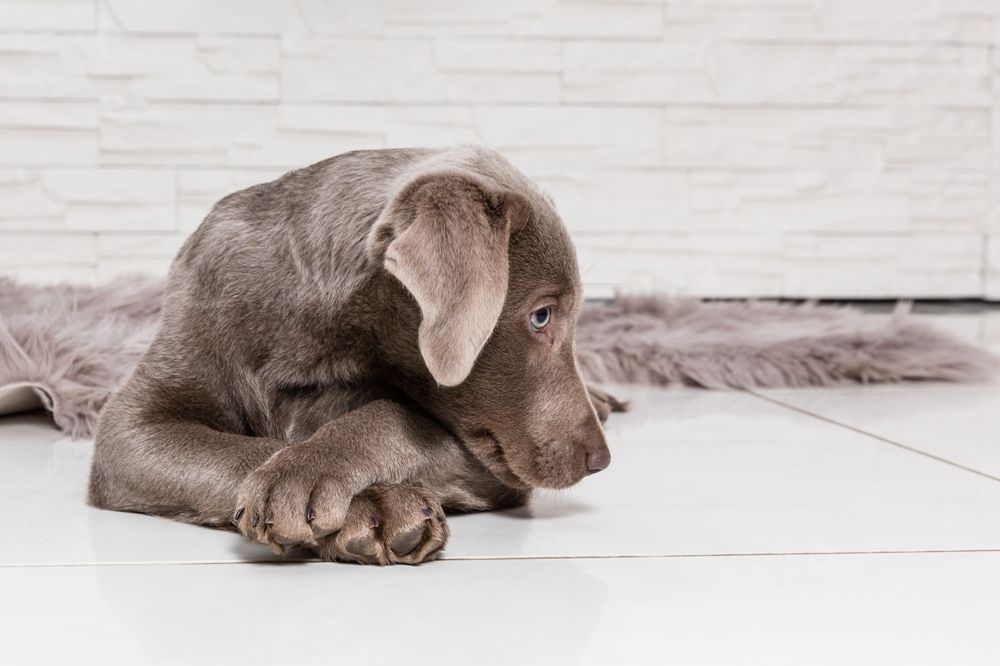
If you spend enough time around dogs, you may notice them crossing their front paws from time to time. There are many assumptions and anecdotes for this, but we don’t know exactly why. Deciphering a canine's behavior is challenging. After all, we can’t exactly ask them.
However, there are a few theories about why dogs cross their paws. Here are some of our favorites, as well as some unveiled myths:

The 6 Possible Reasons and Some Misconceptions Why Dogs Cross Their Paws
1. Comfort and Contentment
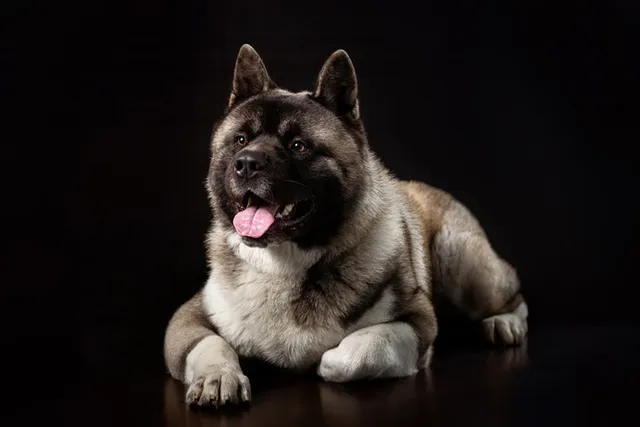
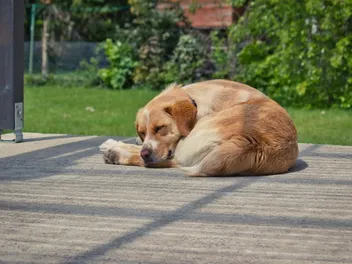
Some dogs may simply find it comfortable to sit with their paws crossed. It may just be a nice, relaxing position from which they observe the world go by, that comes very naturally to some. They are content in their current position and feel well in themselves.
You’ll probably notice that some dogs cross their legs all the time, while others don’t at all. It’s a matter of preferences, for the most part.

2. Communication
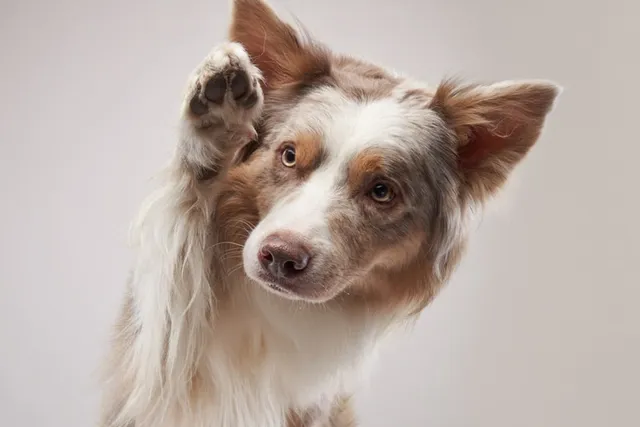
Dogs may also cross their paws when interacting with humans, and in some cases, they may repeat the posture if they have previously been consistently rewarded with praise or treats while lying with their paws crossed. However, paw crossing is not usually a specific signal that a dog wants treats and is not a behavior commonly reinforced by dog owners.
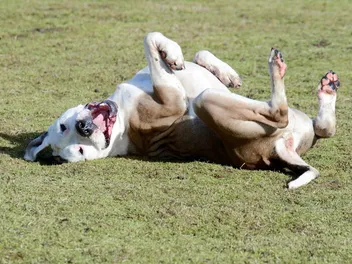
They may also be showing signs of playfulness, especially in the company of other dogs, by inviting them to play, sometimes lying low to the ground with their bum in the air, slowly crawling toward the other dog playfully. There could be many things dogs are trying to tell us by crossing their paws, but generally, they do it when relaxed and content.
3. Imitation
Studies have shown that dogs can learn by observing other dogs and, to some extent, people1. However, paw crossing has not been looked at as a behavior learned through imitation and is more likely simply a comfortable resting posture, although we cannot fully rule out that some dogs may have learned it by imitating others.
In some cases, dogs may repeat a position if they have received praise, attention, or treats while lying calmly, which can reinforce the behavior. Over time, this may become a habit, especially if the dog finds the position comfortable.
It’s somewhat similar to human children picking up traits and habits from their parents, although dogs rely less on imitation and more on reinforcement when learning behaviors.

4. Balance
Some dogs may cross their paws as part of their resting posture. While body shape and leg length can influence how a dog lies down, there is no strong evidence that long or narrow legs directly cause paw crossing. Some dogs simply find it comfortable. Dogs may also adjust their posture depending on the surface they are lying on. They might cross their paws when resting on uneven or unfamiliar surfaces simply because it feels stable or comfortable for them. You may notice that your dog only crosses their paws in particular places, such as when lying down outside or on a certain bed. In these cases, it is likely a matter of personal comfort or habit rather than balance.
5. Body Structure
Some dogs seem more prone to crossing their paws than others. While no studies have investigated this, some owners have observed that breeds like Labradors, Border Collies, and Poodles may cross their paws more often, but this is purely anecdotal.
Body shape or individual habits may influence how dogs rest, but there is no evidence that certain breeds are inherently more likely to cross their paws. Larger dogs may cross their paws more simply because it feels comfortable, not because it improves balance.

6. Pain or Discomfort
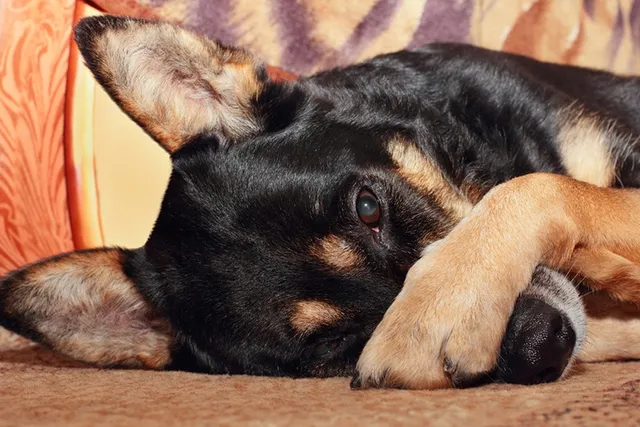
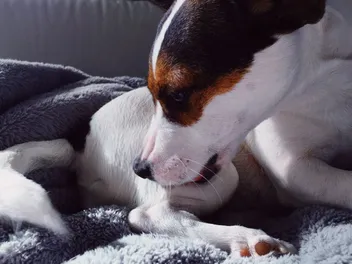
Crossing paws can sometimes be a sign of pain or discomfort. The dog may be licking or chewing their paw or another painful part of the leg by propping it up on the other. They may be unable to properly put weight on it when standing due to an injury. Chronic conditions that affect their joints, muscles, or nerves are often to blame, especially if the dog is older, or has a recent soft tissue injury or a sprain in younger active dogs. Skin allergies may also be responsible if the paws are itchy and the dog is licking them excessively.
If your dog suddenly starts crossing their paws, combined with limping, redness, or excessive licking, it could be a sign that something isn’t quite right with their paws. You may want to seek veterinary attention, especially if your dog is showing other signs of illness.

Final Thoughts
Dogs may cross their paws for several possible reasons. In most cases, it’s a matter of comfort and body posture. Generally, there isn’t anything to worry about if your dog exhibits this behavior. However, it may also indicate pain in some cases. The dog may not want to put weight on one paw or may lick it excessively, prompting them to place it on top of the other paw. Get your pooch checked out by the vet in that case.
Related Reads:
Sources
Featured Image Credit: bmf-foto.de, Shutterstock
Expert dog care, straight to your inbox
News, insights, expert advice, and everything dog.

No spam — unsubscribe anytime.
By signing up, you agree to our Terms & Conditions and Privacy & Cookies Policy.
How useful was this post?
Click a star to rate. You can leave written feedback afterwards. (We read all feedback.)
Kristin loves to help pet parents create a fulfilling life for their pets by informing them on the latest scientific discoveries and helping them choose the best products for their pets. She currently resides in Tennessee with three cats, four dogs, two fish, and a lizard, though she has dreams of owning chickens one day!