How Passive-Aggressive Is Your Dog? 7 Vet-Verified Signs to Look Out For


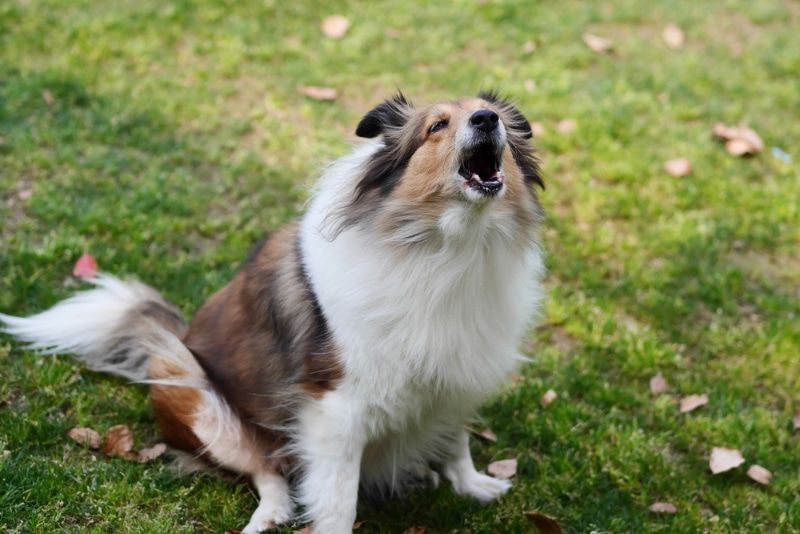
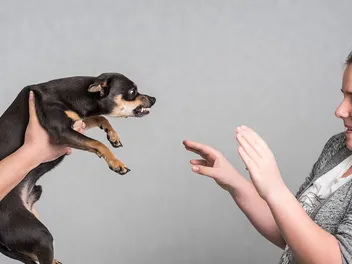
Dogs can display various behavioral traits, such as aggression and reactivity. There are various types of dog aggression, and some dog owners wonder if passive aggression is one of them.
Passive-aggressive is not a recognized behavioral category in dogs, though people sometimes use the term informally to describe certain behavior, such as being bossy or assertive. It's generally used loosely for dogs that have comical behaviors that might come off as passive-aggressive if they were human.
Let’s go over the signs to look out for in "passive-aggressive" dogs.

The 7 Possible Signs of Passive-Aggressiveness in Your Dog
1. Having Selective Hearing
Dogs may respond more reliably to cues that have been consistently reinforced, such as treats or walks, compared to less rewarding cues, which may seem like they have selective hearing. They might come running to you if you say you want to give them a treat or go on a walk but ignore you when you tell them to stop digging. This can create the impression that they are ignoring you, even though their responses are based on training history and motivation rather than intent.
Some dogs may hesitate or delay responding when they anticipate an unpleasant experience. If they hear you say that you want to clip their nails or place them in their crate, they might act like they didn’t hear you at all. However, they are quick to come running if they hear the treat jar open.

2. Sighing Loudly to Get Your Attention
Dogs can sigh just like humans can. Although dogs can sigh for various reasons, many dog owners believe they do it to sometimes get our attention. It may seem that dogs know that a loud sigh is guaranteed to make us look at or feel sorry for them, although, of course, there is no evidence that dogs intentionally use sighing to manipulate human attention or emotions.
Some dog owners even find that their dog sighs loudly after they are told off for doing something they weren’t supposed to. It's almost like their way of sulking when things don’t go their way. Perhaps you had to take your dog's chew toy away, and they resort to lying on the floor and letting out a sigh.
3. Interrupting You
Dogs can become persistent when they want something and start interrupting you to get you to respond. If you have been spending time reading a book or scrolling on your phone, your dog might find a way to interrupt you. They could do this by pawing at you or the object or whining till you notice them.
Some dogs may become persistent or attention-seeking when their owner is focused on other activities, especially if they have learned that interrupting leads to attention.

4. Blocking the Television
Another way for dogs to interrupt something that has our attention is by blocking the television. You sit down to relax to your favorite show, only to have your dog block it. This often happens because the dog is seeking closeness or attention, rather than intentionally trying to redirect your focus.
Dogs seem to find many creative ways to get our attention, and blocking the television is a common one.
5. Whining at You
Dogs can become vocal when they want something or want to communicate with us. It’s not unusual for dogs to whine when they are frustrated, excited, or seeking attention, especially if that behavior has been reinforced in the past. You could be telling your dog that it isn't feeding time yet, and they whine to interrupt you while you are speaking.
This behavior is more common in vocal breeds like Siberian Huskies and Alaskan Malamutes, though it can occur in many dogs.

6. Pawing at You Until You Give Them Attention
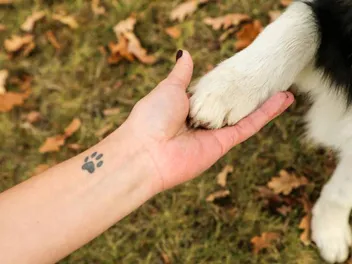
Dogs may persistently seek attention, including by pawing at you, especially if this behavior has been reinforced before. Dogs usually do this because they know that pawing at you will get them what they want, whether it’s attention, affection, or communication. If you are on your phone or reading a book, they may paw at you or the object you’re holding to interrupt your attention and encourage interaction.
7. Taking Over Your Spot on the Bed or Couch
If getting out of bed or your seat means your dog quickly takes the spot, it is usually a sign they are seeking comfort and warmth, which can easily be interpreted as being passive-aggressive. This adorable yet sometimes frustrating behavior often has you begging for your spot back, only to be met with a selective-hearing dog that won’t budge.
You may need to encourage your dog to move, as many dogs prefer warm or familiar spots, or simply give up your spot.


Conclusion
Passive aggression is not recognized as such in dogs. Therefore, it is mainly used as a light-hearted way to describe stubborn, bossy, or assertive dogs. Dogs may display such stubborn or assertive-appearing behaviors, especially when certain actions have been reinforced or not consistently redirected. They may repeat such behaviors as if they know that you won't get upset over their comical behavior and adorable mannerisms.
Sources
Featured Image Credit: atiger, Shutterstock
Expert dog care, straight to your inbox
Vet-reviewed advice, training tips, and the best of Dogster. Free, and you can unsubscribe anytime.
By signing up, you agree to our Terms & Conditions and Privacy & Cookies Policy.
Sarah lives in South Africa with her partner and pets. She is currently interested in veterinary science and ichthyology, which she wants to study alongside her main passion: pet content writing. Sarah has over 60 fish including: goldfish, tropicals, shrimp, and snails. She also keeps hamsters and a tarantula. Sarah wishes to provide quality content to readers and allow others to learn from her experience and knowledge. Sarah has much experience in all aspects of pet care. Providing the world with the knowledge on ethical pet ownership is her lifelong dream.
Join the conversation
Ask a question, share your story, or send private feedback.