Why Do Dogs Beg for Food? 4 Reasons & How to Prevent This Behavior (Vet-Reviewed)


In this article
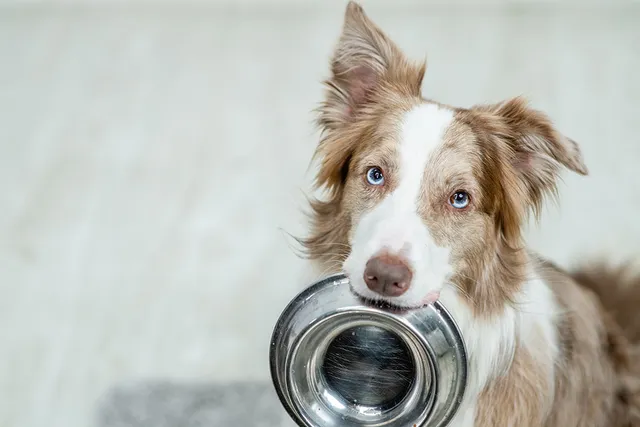
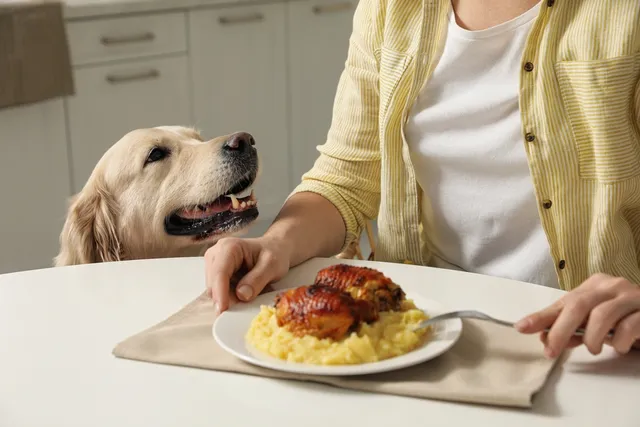
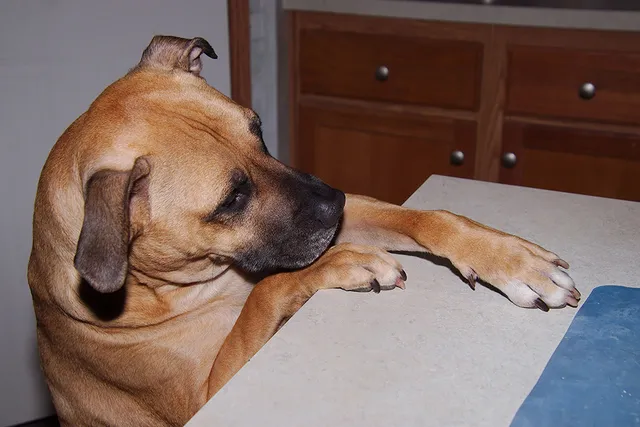
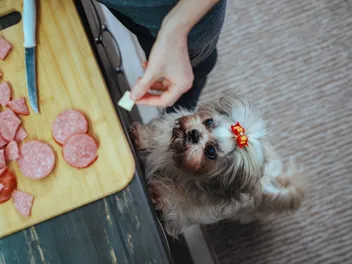
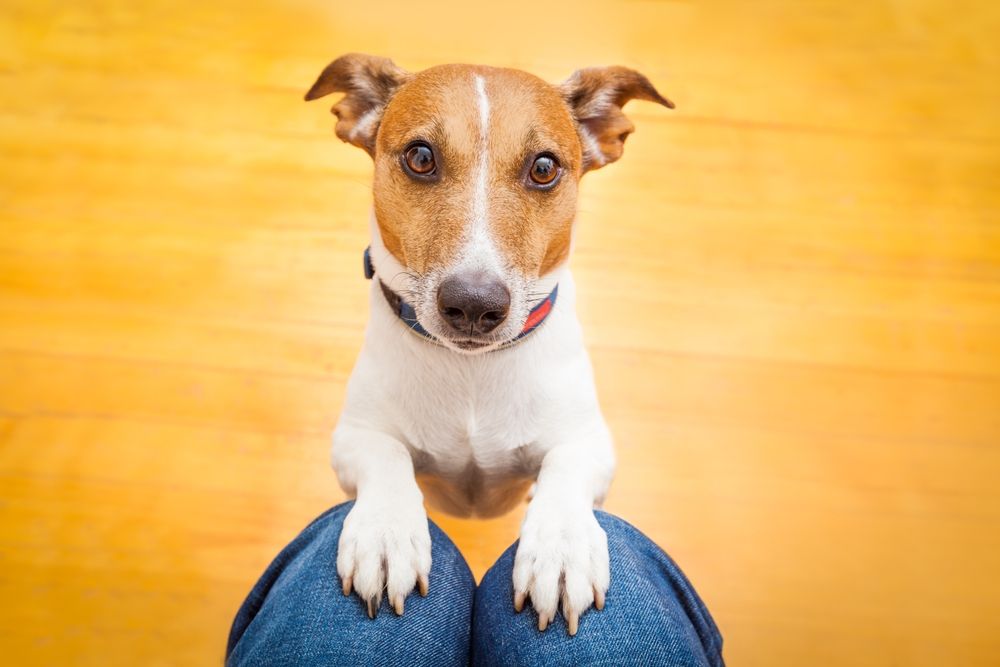
Begging is a fairly common behavior in dogs, and while it can seem cute when a new four-legged family member stares dolefully at you while you’re eating, that feeling can soon change to one of annoyance.
Generally, dogs beg simply because they like food, and they especially like human food because it packs more of a punch than their boring kibble. Some dogs may also beg because they have previously found food hard to come by, and if you’ve not been on it since the dog first walked through the door, you may have inadvertently taught your dog that begging does lead to tidbits, at least occasionally.
Fortunately, no matter how long you’ve let your dog get away with begging, it isn’t too late to turn this habit around and have a dog that acts respectfully while you eat.

Why Do Dogs Beg?
Dogs like food, and whether your dog is hungry or not, they might fancy a nibble of whatever they can smell on your plate. In the same way that we sometimes snack on treats between meals, even when we’re not hungry, dogs enjoy the same extras outside their own officially sanctioned mealtimes.
1. They’re Hungry
Your dog might be hungry. If you feed your dog after you’ve eaten, it means that it is approaching their dinner time and you’ve got a plate of food sitting in front of you. Your dog might be begging to tell you that they would also like to eat.
You can try eating at the same time as your dog, although if you have a dog that wolfs its food down quickly, they may still be back before you’ve finished eating your dinner.
2. They Like the Smell

Dogs have strong senses of smell, so if your food smells good to you, it smells even more intensely good to your dog. Even if you’re eating a seemingly plain meal, your dog’s olfactory senses will be picking up every little morsel of flavor, and it will be getting them excited about the food.
3. They’ve Learned That It Gets Them Food
Even inadvertently, you may have taught your dog that begging gets them what they want. If you occasionally slip your dog a small scrap or a leftover from the plate, even if you wait until you’ve finished eating, your dog knows that, at least sometimes, sitting in front of you and begging leads to them getting little tasty treats.
Even dropping food on the floor gives your dog an incentive to hang around near you when you’re eating.
4. They Are Scavengers

In the wild, dogs are scavengers, and their natural instinct is to take food whenever they see or smell it.
Scavengers don’t know when their next meal will come so they will often eat even when they’re full.

How to Stop Your Dog Begging
Whatever the primary driver behind your dog’s begging, it can be frustrating, and it can even lead to other bad behaviors. Fortunately, even if you haven’t taken any steps to stop the begging yet, it isn’t too late to do something about it.
1. Start Straight Away

Whether your dog is new to the house, or you’ve had them for years, and whether they are 6 months or 6 years old, you can take steps to stop the begging. Don’t put it off and don’t believe it’s too late.
Start today. It might take time if your dog has learned that begging leads to occasional treats, but, over time, the behavior will stop, and you will see improvements.
2. Treats In the Bowl Only
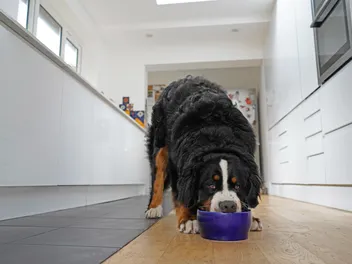
As long as the scraps on your plate are appropriate for your dog to eat, you can make the choice to feed them, but you should never do it at the table or the sofa where you’re eating. Have your dog sit calmly away from your food while you eat and, when you’re finished, take your plate and the scraps through and put them in your dog’s bowl. Have them sit calmly before you let them eat.
Feeding at the bowl can help discourage beggars from sitting and hoping for food directly off your plate. Before you give your dog any plate scraps, though, make sure they are safe for your dog. A lot of human food is heavily salted, and many dishes contain ingredients that can potentially be toxic to your pup.
Never feed these scraps and, if you’re in any doubt, it’s best to err on the side of caution.
3. Be Consistent

You don’t have to give your dog a treat from your plate every time you eat of them to learn that there’s a possibility of scraps when they give you those big eyes. Be consistent and don’t relent. Always save the scraps and put them in your dog’s bowl at the end of your mealtime.
4. Make Sure Everybody Is on Board
As well as ensuring you don’t relent, you also need to make sure that your family and even visitors are on board with the whole plan. Changing a habit takes time and effort, from everybody. If your partner, son, or daughter slips scraps to your dog under the table, they will still learn that begging has the desired result.
5. Coincide Mealtimes

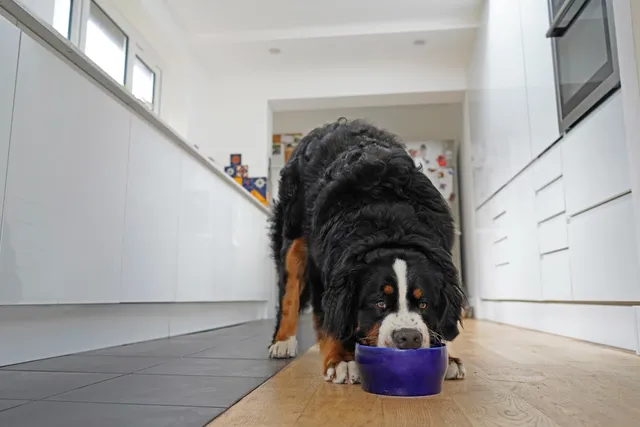
You can try feeding your dog at the same time as you eat your own meals. Just before you take your food through to the dining table, put a bowl of kibble or canned meat down. In some cases, this can cause dogs to eat their food more quickly, so you will need to ensure that this doesn’t become a problem.
If your dog is a quick eater, get a bowl that discourages fast eating or an interactive stuffed food toy. If your dog isn’t tempted by their own food and is more interested in yours, don’t feed any scraps, and leave their food down for them to eat.
6. Give Them a Favorite Toy
Some dogs are highly food-motivated, but others prefer their favorite toys. If your dog has a favorite stuffed animal or chew toy, fetch it for them before you start eating. Dinnertime isn’t playtime, but if it gets your dog’s attention away from your food, it is a positive step.
If you use positive reinforcement training with your dog, don’t give food-based treats as rewards for not begging at the table, either. Give verbal praise and lots of it, but if you start giving tasty food, even if it is sanctioned dog treats, it will encourage your dog to keep begging.
7. Teach a Basic Command

Basic commands can go a long way to correcting unwanted behavior. For example, if your dog jumps up and you want to stop that, teaching the sit or down command can fix the negative action. Similarly, you can teach a cue like “go to place” using a dog bed or mat away from the table. You can train your dog to lie down or stay in this place while you are cooking and eating.
8. Don’t Shout or Scream
It can be really frustrating having a dog staring at you the whole time you eat, especially if they keep doing it despite your best efforts. As tempting as it might be to shout at and reprimand your dog, it won’t help, and it might make your dog anxious and even scared. Use positive reinforcement with lots of verbal praise when your dog sits or leaves you alone to enjoy your meal, instead, and be persistent with your training and behavioral methods.

Conclusion
Dogs can develop a lot of what we consider bad habits, but it is important to remember that dogs develop these habits because they are natural responses or taught responses, in most cases. Use positive reinforcement to encourage the behaviors you want and avoid teaching bad habits. Don’t feed your dog scraps or treats when you’re eating, give treats in their bowl after you’ve finished your meal, and ensure that you and the rest of the family are consistent with your efforts.
Sources
Featured Image Credit: Javier Brosch, Shutterstock
Expert dog care, straight to your inbox
News, insights, expert advice, and everything dog.

No spam — unsubscribe anytime.
By signing up, you agree to our Terms & Conditions and Privacy & Cookies Policy.
How useful was this post?
Click a star to rate. You can leave written feedback afterwards. (We read all feedback.)
Matt is a freelance writer from the UK. He lives with his partner and daughter, as well as two cats and one dog. A data analyst by profession, Matt moved from numbers to words more than 15 years ago and has been writing ever since. Having volunteered at a local animal sanctuary, he has a lot of experience with dogs, cats, and horses. Matt has also kept bearded dragons, a variety of birds, fish, guinea pigs, hamsters, mice, and rats. His daughter has adopted the same passion for animals, keeping and breeding snakes. A geek at heart, Matt is a member of a local board gaming group and regularly forces his family to “enjoy” board games with him at home.